

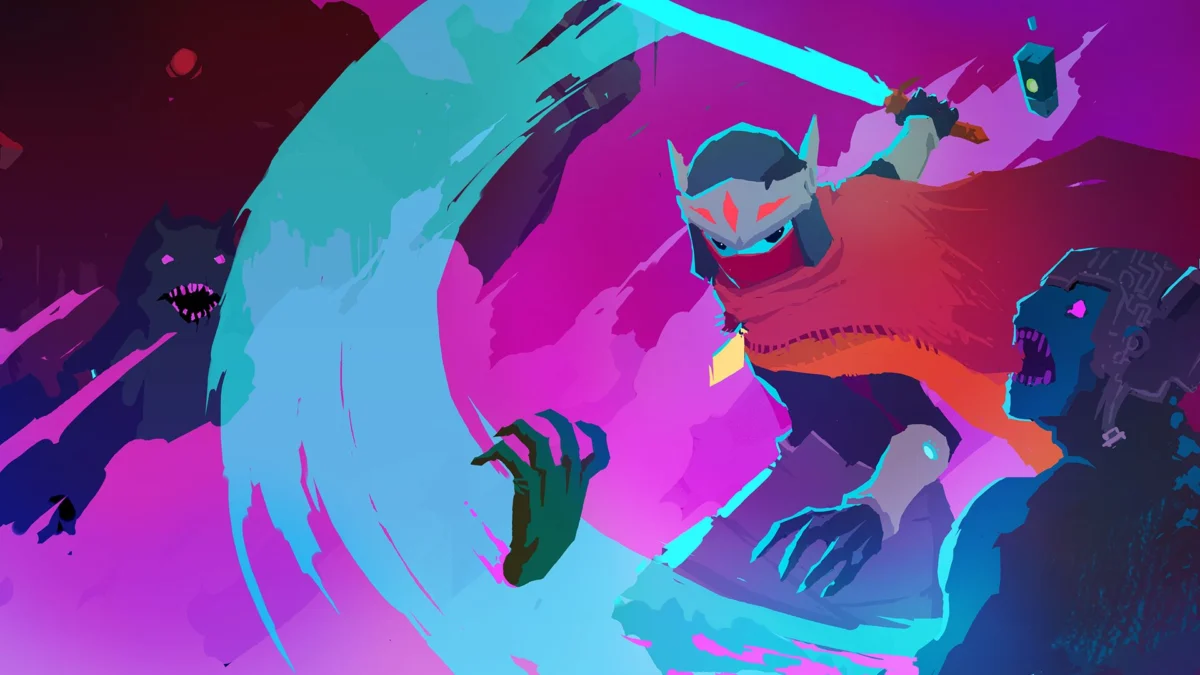
The independent game development landscape has been shaken by the news that Heart Machine—the studio behind the critically acclaimed Hyper Light Drifter—is teetering on the brink of total closure. Following the sudden and catastrophic collapse of a critical publishing deal, the studio has been forced to enact a near-total layoff of its workforce. This latest development marks a devastating milestone in what has been a harrowing three-year struggle for survival, highlighting the precarious nature of independent game development in an era of corporate consolidation and shifting market trends.
The Immediate Crisis: A Studio at the Precipice
The announcement came via a candid post on LinkedIn from Alx Preston, the founder and head of Heart Machine. The message was stark, detailing the immediate aftermath of a failed publishing agreement that served as the studio’s financial lifeblood.
"Without this key income, any other immediate prospects, or other funds, nearly everyone at the studio had to be laid off. It’s devastating," Preston wrote. The human cost of this failure is immense, as a team of "extraordinarily talented, kind people" now finds themselves out of work. Preston has pivoted into a support role, actively coordinating with industry peers to assist displaced staff in finding new positions.
The tone of the announcement reflects a profound sense of exhaustion and uncertainty. For a studio that has long been viewed as a standard-bearer for artistic, high-quality indie titles, the admission that the future is entirely unknown underscores the volatility of the current economic climate. "Navigating an increasingly challenging industry has been extremely difficult, and I’m not sure yet what’s next for Heart Machine to survive," Preston admitted. "However, we’ll keep pushing to build a path while we are still here."
A Three-Year Chronology of Contraction
To understand the severity of the current situation, one must look at the agonizing sequence of events that has plagued Heart Machine over the last 36 months. The studio has effectively been in a state of rolling crisis, with this latest round of layoffs representing the third major contraction in less than three years.
The Onset of Instability
The first signs of trouble emerged as development on Hyper Light Breaker, the highly anticipated 3D follow-up to the studio’s breakout hit, began to conclude. At the time, leadership pointed to "broader forces beyond our control," citing a toxic cocktail of shifting funding models, widespread corporate consolidation, and an increasingly hostile economic environment for small, independent developers.
The November 2024 Redundancies
In November 2024, as Hyper Light Breaker was preparing for its Early Access debut, an undisclosed number of staff were let go. This move was initially framed as a necessary recalibration to ensure the project’s launch. However, it signaled that the studio’s financial cushion was significantly thinner than the public realized.
The October 2025 Double-Blow
The situation deteriorated rapidly in late 2025. Following the November cuts, the studio underwent two additional rounds of layoffs in October. The second of these was particularly demoralizing; it occurred just 12 days before the release of Possessor(s). The timing meant that many of the developers responsible for the game’s creation were effectively discarded before they could see the fruit of their labor reach the public. One staff member famously lamented, "By the time Possessor(s) comes out, I don’t know if anyone who worked on the game will even be at the company anymore."
The "Perfect Storm": Why Indie Studios Are Failing
The struggles of Heart Machine are not an isolated incident; they are a microcosm of the systemic issues currently plaguing the gaming industry. Several factors have converged to create an environment where even beloved, established studios are finding it impossible to remain solvent.
The Collapse of Mid-Tier Funding
For years, the "middle class" of game development—studios that produce games with budgets larger than a hobbyist project but smaller than a AAA blockbuster—has relied on specific publishing models. Recently, however, investors and publishers have retreated from risk. Projects that were once considered "safe bets" are now being scrutinized under impossible metrics. When a publisher pulls funding—or when a deal fails to materialize—there is rarely a "Plan B" for a studio of Heart Machine’s size.
Corporate Consolidation
The gaming industry has seen a massive wave of acquisitions and mergers. While this has resulted in massive budgets for a few select companies, it has starved the ecosystem of independent venture capital. Smaller studios find themselves competing for a diminishing pool of resources, often forced to accept unfavorable terms just to keep the lights on for another six months.
The Rise of Labor Advocacy
Earlier this year, Heart Machine made headlines by voluntarily recognizing a union after 13 staff members successfully formed a bargaining unit. While this was a monumental victory for workers’ rights and internal morale, it also highlighted the tension between sustainable labor practices and the brutal, "crunch-heavy" demands often required to satisfy investors. The fact that the studio recognized the union suggests a leadership team that values its people, but it also reflects the reality that the company was operating under extreme pressure to maintain a moral standard in an immoral market.
The Human Impact and Industry Response
The human element of this story cannot be overstated. The gaming industry is built on the passion and intellectual labor of its developers, yet these individuals are frequently the first to suffer when corporate strategies fail.
Preston’s public commitment to helping his former employees find new work is a testament to the culture he attempted to build at Heart Machine. The outpouring of support from the industry—ranging from fellow developers to fans of Hyper Light Drifter—has been significant. However, sympathy alone does not pay bills, and the sheer volume of layoffs across the industry in the last two years has created a saturated job market, making the prospect of re-employment for many of these talented individuals difficult.
Looking Forward: What Remains for Heart Machine?
As of now, Heart Machine remains a "shell" of its former self, with the leadership team searching for any possible avenue for survival. The question of "what comes next" remains unanswered.
Potential Paths to Survival
- IP Licensing: The Hyper Light franchise remains a powerful brand with significant cultural cachet. The studio may seek to license its intellectual property to generate passive revenue, effectively pivoting from an active developer to a management entity.
- Project-Based Contracting: Rather than maintaining a large, full-time staff, the studio could move to a model where it hires contractors only when a specific project is fully funded, though this would mean the end of Heart Machine as a traditional, unified development house.
- Total Liquidation: Given the severity of the funding collapse, it is entirely possible that no viable path remains. The studio may be forced to wind down its operations entirely, leaving its current library of games to be managed by a third party or placed into a dormant state.
Conclusion: A Warning for the Industry
The tragedy of Heart Machine serves as a sobering warning to the global gaming community. If a studio that produced one of the most successful and critically acclaimed indie titles of the last decade cannot survive, it suggests that the current model for independent game development is fundamentally broken.
The industry is currently caught in a cycle of "growth at any cost," where the success of a game is measured not by its artistic impact or its community reception, but by its ability to satisfy the short-term requirements of publishers and shareholders. When those requirements aren’t met, the "human cost"—as we have seen at Heart Machine—is devastating.
As Heart Machine fights for its final breath, the broader industry must take stock. The loss of such a studio is not just the loss of a company; it is the loss of a unique voice in the medium. Whether or not Heart Machine finds a way to pull itself back from the brink will be a defining story of the year, one that will likely dictate how small, independent studios approach funding, staffing, and long-term sustainability for years to come. For now, all eyes are on the studio, and the industry watches with a mix of dread and hope that a way forward can be found.

