

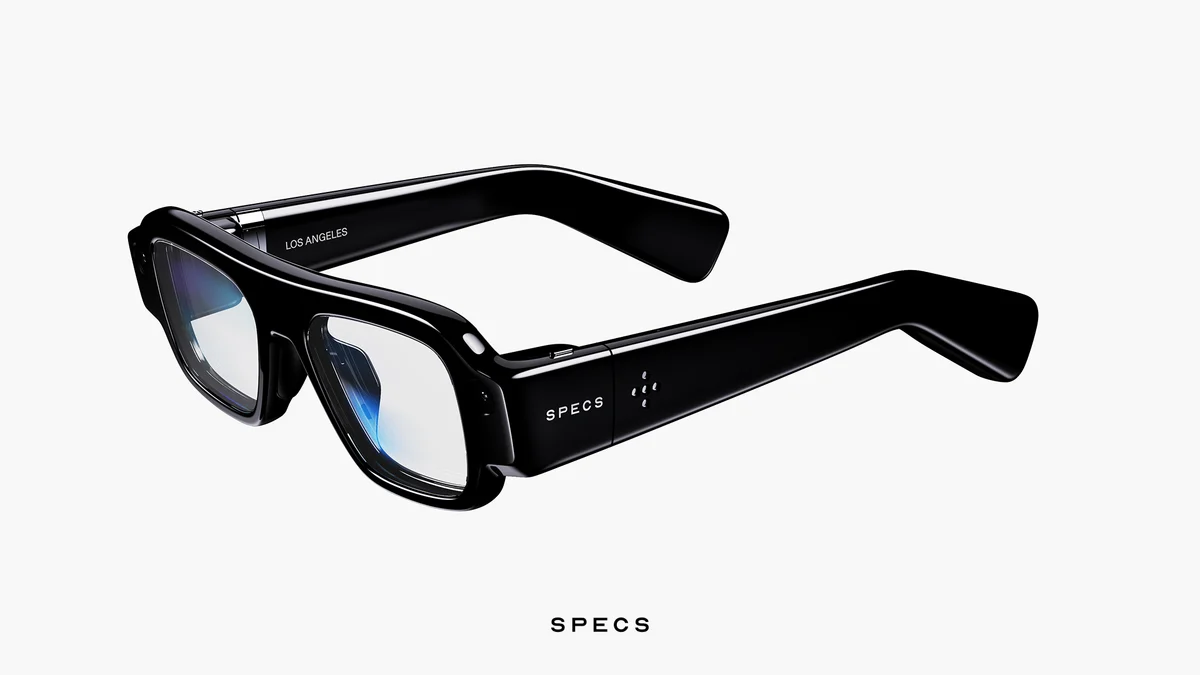
SAN FRANCISCO — In a milestone moment for consumer technology, Snap Inc. has vaulted ahead of industry heavyweights like Apple and Meta by bringing the world’s most advanced commercially available standalone augmented reality (AR) glasses directly to the public stage.
During a high-profile launch event, Snap CEO Evan Spiegel stepped in front of a live audience to demonstrate "Specs"—the company’s upcoming true AR wearable. Eschewing heavily edited, pre-rendered promotional reels that have historically dominated the mixed-reality landscape, Spiegel offered a raw, unedited glimpse into the future of spatial computing. The centerpiece of the live demonstration was a fully interactive, official Harry Potter AR experience developed in partnership with HBO, showcasing the device’s robust optical capabilities, spatial tracking, and immersive potential in real-time.
Priced at a steep $2,195, Specs are slated to ship this fall to consumers in the United States, United Kingdom, and France. With preorders already underway following their initial announcement in June, Snap is positioning itself as an unexpected pioneer, beating traditional hardware titans to the punch by delivering fully standalone true AR glasses outside of the Chinese market.
Main Facts: What Are Snap’s "Specs"?
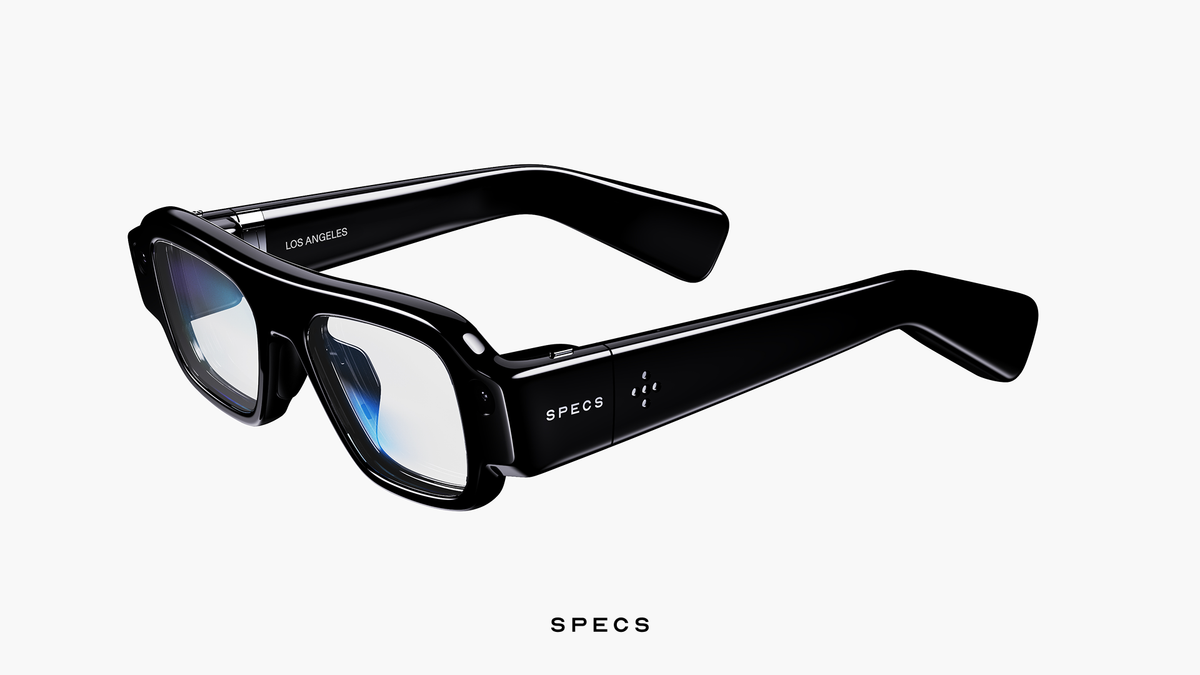
Snap’s new flagship wearable represents a massive technological leap from the company’s earlier, lightweight Spectacles, which primarily functioned as cameras for capturing social media content. Specs are designed as a fully self-contained computing platform, eliminating the need for a tethered smartphone, external battery pack, or wired connection to a PC.
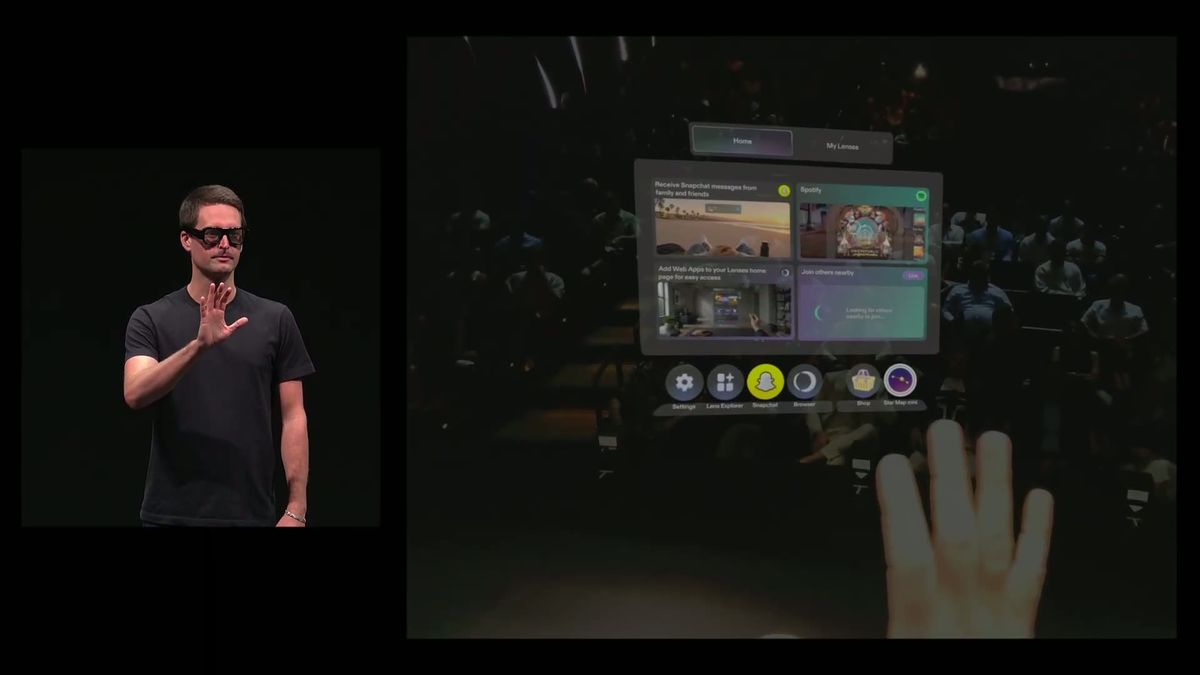
Key specifications and features revealed ahead of and during the launch include:
- True AR Display: Unlike pass-through mixed reality headsets (such as the Apple Vision Pro or Meta Quest 3), which rely on cameras to beam a video feed of the real world onto internal screens, Specs use optical waveguides to project digital objects directly into the user’s natural field of view.
- Cross-Platform AI Integration: Snap announced that the glasses will feature an advanced cross-platform AI agent capable of multimodal understanding—allowing the system to interpret both voice commands and the user’s physical surroundings.
- Cellular Connectivity: To ensure true untethered mobility, Snap is offering an optional cellular charging case, ensuring users maintain high-speed data connectivity while on the go.
- Pricing and Availability: Retailing at $2,195, Specs are aimed squarely at enterprise users, early adopters, and dedicated developers. Initial shipping regions include the US, UK, and France, with preorders having opened in June.
Chronology of the Reveal: From June Teasers to Live Stage
The path to Snap’s live-stage demonstration has been carefully orchestrated over several months, marking a deliberate escalation in the company’s hardware ambitions.
June: The Initial Reveal and Preorder Shock
Snap first pulled back the curtain on Specs in June, stunning the tech industry by opening preorders for a device that many analysts believed was still years away from commercial viability. While initial announcements outlined the technical framework—emphasizing its standalone nature and wave-guide optics—skeptics questioned whether the hardware could perform consistently outside of controlled laboratory environments.
September: The Live-Stage Demo
To silence doubters and set a new standard for industry transparency, CEO Evan Spiegel elected to showcase the hardware live on stage rather than relying on polished marketing videos. The demonstration included complex spatial rendering, real-time UI interactions, and the headline-grabbing Harry Potter HBO experience. By executing these demos live, Snap sought to prove that its field-of-view, latency, and tracking hurdles have been successfully conquered.
Supporting Data and Market Analysis: Beating Meta and Apple
Snap’s aggressive push into the true AR market places the company in direct, albeit asymmetrical, competition with some of the wealthiest corporations in the world.
| Company | Device | Type | Price | Release Status / Timeline |
|---|---|---|---|---|
| Snap | Specs | Standalone True AR | $2,195 | Shipping this Fall (US, UK, France) |
| Meta | Orion / Project Nazare | Prototype / Research AR | N/A | Expected for developers/limited release late 2020s |
| Apple | Vision Pro | Spatial Computing (Pass-through) | $3,499 | Available now (Tethered/Battery pack) |
| Apple | Apple AR Glasses | True AR (In Development) | Unknown | Rumored for late 2026–2027 |
The Form Factor Dilemma
For years, the consumer electronics industry has been locked in a race to solve the "physics problem" of augmented reality: packing a high-brightness display, powerful battery, advanced sensors, and sophisticated computing chips into a frame light enough to wear comfortably on the face all day.
While Meta has shown off impressive prototypes like the "Orion" glasses, those devices remain strictly in the research phase and are not commercially available to the public. Meanwhile, Apple’s Vision Pro has dominated the spatial computing conversation, but its heavy, ski-goggle-like form factor and reliance on video pass-through categorize it as a mixed-reality headset rather than true, lightweight AR glasses.
By launching a device that consumers can actually buy and wear today, Snap has effectively leapfrogged its larger competitors, capturing the first-mover advantage in the true AR category—albeit at a luxury price point.

Official Responses and Industry Reactions
The tech community’s reaction to Snap’s live demonstration has been a mixture of cautious optimism and intense scrutiny, particularly regarding the device’s $2,195 price tag.
Speaking at the launch event, Evan Spiegel emphasized that Specs are designed to fundamentally alter how humans interact with digital information, moving computing away from flat screens and into the physical environment.
"We aren’t building a screen to strap to your face," Spiegel told the audience during the presentation. "We are building a layer of contextual intelligence that exists harmoniously with the physical world around you."
Industry analysts note that while the price point places Specs out of reach for the average mainstream consumer, it is a standard entry fee for first-generation enterprise hardware and hardcore enthusiasts. Developer communities have responded enthusiastically to the software development kits (SDKs) accompanying the launch, viewing Specs as the first viable canvas for building untethered spatial applications.
Entertainment giants like HBO have similarly doubled down on the platform. The inclusion of the Harry Potter experience signals that media companies are eager to experiment with location-based and object-aware augmented reality, transforming living rooms and public spaces into interactive narrative landscapes.
Implications for the Future of Spatial Computing
Snap’s aggressive commercialization of Specs carries profound implications for the trajectory of the tech sector over the next decade.
1. Pressure on Meta and Apple
Snap has effectively thrown down the gauntlet. By beating Meta and Apple to market with a consumer-ready, standalone true AR device, Snap has proven that smaller players can out-maneuver tech monopolies in niche hardware categories. This move is expected to put internal pressure on Apple and Meta to accelerate their own consumer-facing AR glasses roadmaps.
2. Shifting Industry Standards for Demos
The success of Spiegel’s live-stage demo could permanently alter how hardware companies market mixed-reality products. For years, the industry has been plagued by deceptive marketing materials that simulate AR fields of view that do not exist in reality. By showcasing the device live on stage—flaws, latency, and all—Snap has raised the bar for authenticity and transparency in product launches.

3. The Shift to Enterprise and Early Adopters
At $2,195, Specs will not be appearing on every street corner this autumn. However, early adoption by developers, enterprise fields (such as architecture, remote engineering, and medical visualization), and wealthy tech enthusiasts will provide Snap with invaluable telemetry data. This real-world usage will inform iterative hardware improvements and software updates, paving the way for cheaper, mass-market iterations in the years to come.
As autumn approaches and the first wave of Specs lands on the doorsteps of pre-order customers in the US, UK, and France, the world will finally see whether Snap’s bold vision for true augmented reality can transition from a stage demo into a sustainable, everyday reality.

