

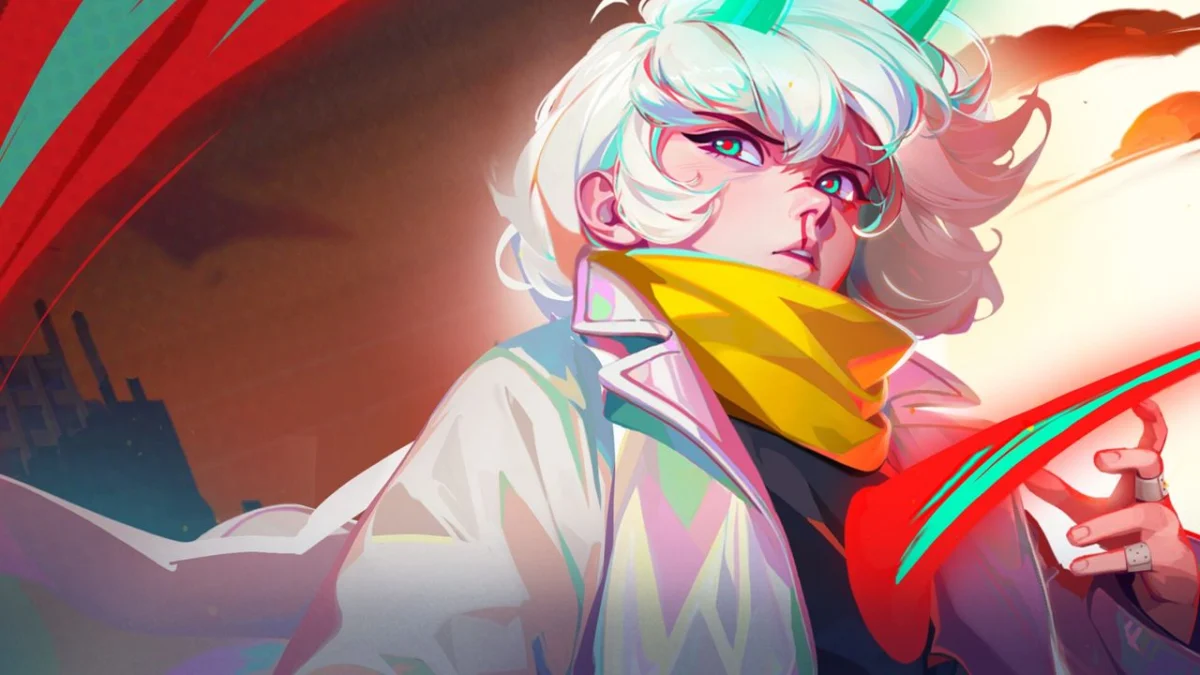
The independent gaming landscape has been shaken by the latest casualty of the industry’s ongoing instability. Heart Machine, the acclaimed studio behind the iconic Hyper Light Drifter, has announced the layoff of "nearly everyone" on its development team. The move follows the sudden collapse of a critical publishing deal for an unannounced project, leaving the future of the studio hanging in a precarious balance.
The Core Crisis: A Sudden Withdrawal of Support
In a candid and somber announcement shared via LinkedIn, Heart Machine founder Alx Preston confirmed that the studio had been actively developing an unannounced title backed by an external publisher. Earlier this week, the studio was notified that the publisher would no longer move forward with the project, effectively pulling the rug out from under the company’s primary revenue stream.
"I have very difficult news today," Preston wrote. "We had been working on an unannounced title, funded by a publisher. This week, they decided to no longer move forward with it. Without this key income for the studio, any other immediate prospects or other funds, nearly everyone at the studio had to be laid off. It’s devastating."
The announcement serves as a stark reminder of the "all-or-nothing" nature of game development, where even established studios with successful track records are often one failed contract away from total insolvency. Preston emphasized that the studio is now prioritizing the welfare of its outgoing staff, committing to providing as much support as possible, including assistance with job placement and networking for those impacted by the reduction in force.
A Chronology of Heart Machine: From Indie Darling to Turbulent Waters
To understand the weight of this news, one must look at the trajectory of Heart Machine, a studio that has long been regarded as a beacon of high-quality, atmospheric independent gaming.
2016: The Hyper Light Drifter Phenomenon
Heart Machine burst onto the scene with Hyper Light Drifter, a 2D action role-playing game that garnered near-universal acclaim. Praised for its evocative pixel art, haunting soundtrack, and wordless storytelling, the game became a defining title for the mid-2010s indie boom. It established Alx Preston and his team as visionaries capable of blending challenging gameplay with deep emotional resonance.
2021-2022: The Solar Ash Ambition
The studio’s follow-up, Solar Ash, represented a massive leap in scope. Moving from 2D pixel art to a vibrant, 3D traversal-focused world, the game was a bold creative experiment. While it was well-received, it did not achieve the same cultural saturation as Hyper Light Drifter. The development of Solar Ash highlighted the growing pains of a studio attempting to scale up its operations and technical ambitions.
2023-2024: The Hyper Light Breaker Pivot and Possessor(s)
The studio’s most recent chapter has been defined by struggle. In 2024, Heart Machine made the difficult decision to cease active development on Hyper Light Breaker—an early access title that sought to bring the Drifter aesthetic into a 3D roguelike format. This was accompanied by initial staff layoffs, signaling that the studio was already under significant financial pressure.
Shortly thereafter, the studio released Possessor(s), an action-platformer that received "mostly positive" reviews on Steam. However, the game struggled to find a large commercial audience, failing to generate the high-volume sales necessary to sustain a studio of Heart Machine’s size in a saturated market.
Supporting Data: The Volatility of Indie Funding
The situation at Heart Machine is not an isolated incident but rather a symptom of a broader malaise currently afflicting the gaming industry. Since 2023, the sector has seen tens of thousands of layoffs across both major publishers and independent developers.
The Publisher-Dependent Model
Heart Machine’s reliance on a single, unnamed publisher for an unannounced title highlights a systemic vulnerability. Many independent studios operate on a "work-for-hire" or "milestone-based" funding model. In this arrangement, the publisher provides the capital necessary to pay developers, and in exchange, they own the IP or the distribution rights. When a publisher cancels a project mid-cycle, the studio is left with no product to sell and no liquid assets to keep the payroll running.
Steam Market Saturation
The "mostly positive" reception of Possessor(s) coupled with low sales volume is a common trend for mid-tier indie titles today. With thousands of games launching on Steam annually, even well-reviewed titles struggle to gain visibility. The "discoverability" problem—the difficulty of getting a game in front of players—has become an existential threat to studios that lack massive marketing budgets.
Official Responses and Industry Outlook
While Alx Preston’s LinkedIn post serves as the primary source of information, the industry response has been one of sympathy and frustration. Many peers in the independent development community have taken to social media to share the studio’s recruitment pleas, hoping to help the laid-off staff find new positions.
In his statement, Preston left the door slightly ajar for the studio’s survival, noting: "The studio will keep pushing to find a path." However, he was transparent about the uncertainty of the situation, admitting, "I’m not sure yet what’s next for Heart Machine to survive."
Broader Implications: What Does This Mean for the Future?
The collapse of Heart Machine’s workforce raises several critical questions regarding the future of the indie development model:
- The Risks of "Early Access" Reliance: With the shelving of Hyper Light Breaker and the underperformance of Possessor(s), the studio’s reliance on iterative, community-funded models may have reached its limit. Studios are finding that building an audience in Early Access is no longer a guaranteed safety net.
- The "Crunch" of Funding: Investors and publishers have become significantly more risk-averse following the post-pandemic market correction. This has led to shorter leashes for developers and a lower tolerance for projects that do not show immediate, explosive growth.
- The Human Cost: Beyond the balance sheets, the industry is witnessing a "brain drain." Talented developers are leaving the sector to find more stable employment in tech or enterprise software, a trend that may degrade the quality of indie games for years to come.
Conclusion
Heart Machine’s current predicament serves as a poignant, cautionary tale for the gaming industry. Despite producing some of the most respected titles of the last decade, the studio is currently facing a total wipeout due to external funding decisions outside of its control.
Whether Heart Machine can pivot, restructure, or find new backing remains to be seen. For now, the studio stands as a testament to the fragility of the creative process in an era where the financial barriers to entry are high, and the appetite for risk from publishers has never been lower. As the industry continues to contract, the community will be watching closely to see if a studio with such a storied legacy can find a way back to stability, or if this marks the end of an era for one of indie gaming’s most unique voices.

