

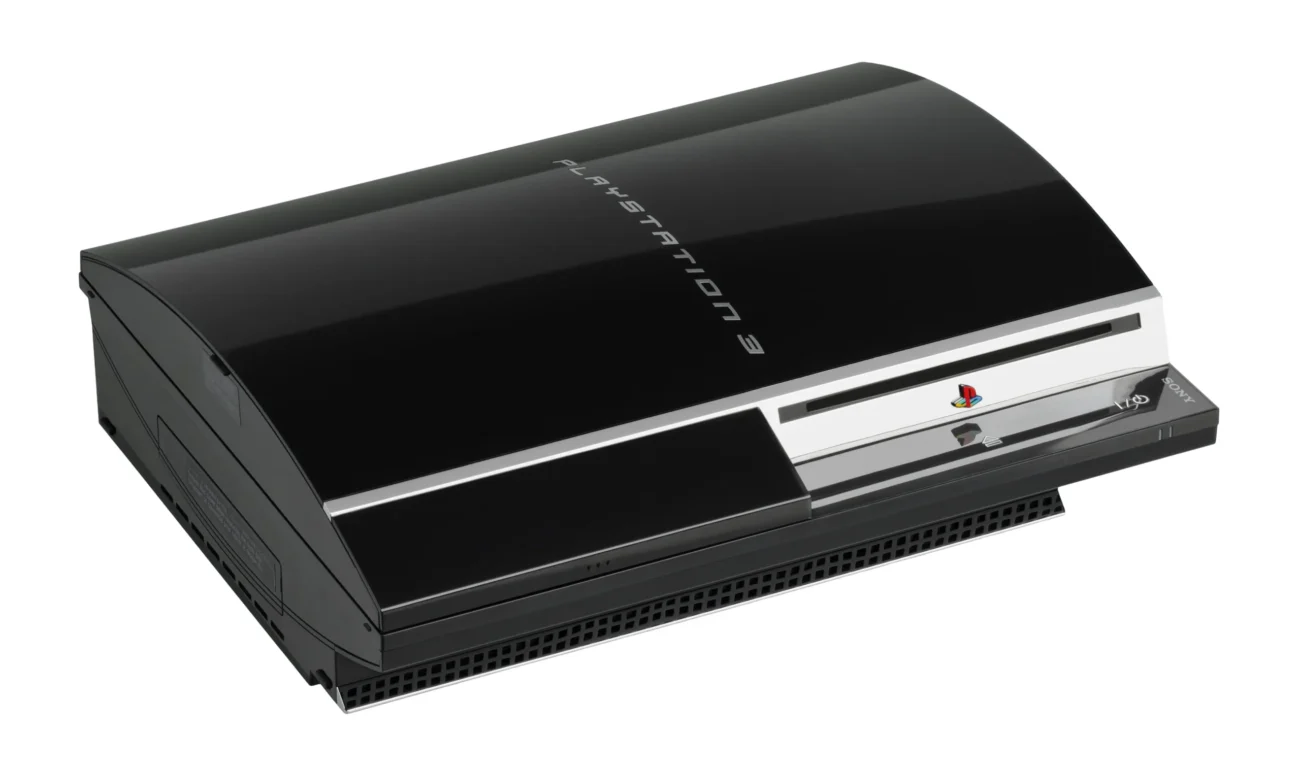
The landscape of digital preservation and platform longevity has shifted once again. Sony Interactive Entertainment has officially confirmed that it will begin a phased decommissioning of the PlayStation Store for two of its most iconic legacy consoles: the PlayStation 3 (PS3) and the PlayStation Vita.
For many, these devices represent a foundational pillar of modern interactive entertainment. However, as the industry pushes toward increasingly complex backend architectures, Sony has cited the limitations of legacy hardware as the primary catalyst for this closure. This decision marks a significant milestone in the lifecycle of digital storefronts, signaling the end of an era for consoles that helped define the high-definition gaming revolution and the rise of handheld digital distribution.
The Phased Sunset: A Timeline of Decommissioning
The closure will not be instantaneous; rather, Sony has opted for a tiered, global approach to wind down operations.
Initial Market Restrictions
The first phase of this transition will impact specific regions. Starting later this year, players in Mexico, Honduras, and Nicaragua, alongside various other territories across Latin America and the Middle East, will lose the ability to make new purchases on their PS3 and PS Vita consoles. This initial wave serves as a precursor to the final, global shutdown.
The Global Sunset
Following the regional closures, Sony has set a definitive expiration date for the service globally: July 2027. Once this date passes, the ability to purchase new digital games, DLC, or media content directly through the PS3 and PS Vita consoles will cease entirely. While existing owners will likely retain the ability to redownload previously purchased titles—a common practice in previous store closures—the storefront itself will become a relic of the past, effectively halting the sale of new software for these systems.
The Technical Justification: Why Now?
The transition away from legacy storefronts is rarely a decision made lightly, given the potential for community backlash. However, Sony’s official stance focuses on the evolution of global commerce and security infrastructure.
In an official statement, Sony explained, "As the PlayStation Store continues to evolve to support modern commerce systems, including updated payment processing standards, PS3 and PS Vita are no longer able to support these updates at the level required."
The Burden of Legacy Hardware
The PS3 and PS Vita were built on software architectures that are now nearly two decades old. Modern digital storefronts require sophisticated encryption, secure payment gateway integrations, and data handling protocols that were not envisioned during the mid-2000s.
Upgrading the PS3’s operating system to match the security standards of the PlayStation 5, for instance, is not a simple software patch. The hardware limitations, including constrained RAM and outdated processing power, make the integration of modern "commerce systems" increasingly difficult to maintain. By shuttering these stores, Sony is effectively offloading the burden of maintaining legacy servers that are becoming increasingly difficult to secure against modern digital threats.
A Historical Retrospective: The Legacy of PS3 and Vita
To understand the weight of this news, one must look at what these consoles achieved during their peak.
The PlayStation 3: The HD Pioneer
Launching in 2006 in the United States and 2007 in Europe, the PS3 was Sony’s ambitious answer to the early high-definition gaming era. Despite a difficult launch characterized by a high price point and a complex internal architecture (the "Cell" processor), the PS3 eventually became a powerhouse. It introduced the PlayStation Network as we know it today, championed the Blu-ray format, and provided a home for seminal titles like The Last of Us, Uncharted, and the Metal Gear Solid series.
The PlayStation Vita: The Handheld Powerhouse
The PS Vita, which arrived in 2012, was a technical marvel for its time. With a gorgeous OLED screen and dual analog sticks, it promised a "console-quality" experience in the palm of one’s hand. While it struggled to compete with the meteoric rise of mobile gaming, it maintained a passionate, cult-like following that continues to celebrate its unique library of JRPGs, indie titles, and cross-play capabilities.
Discontinued in 2019, the Vita represents the final chapter of Sony’s dedicated handheld hardware journey. The closure of its store is, in many ways, the final "power down" for the machine.
Official Responses and Corporate Sentiment
Sony has been candid about the emotional weight of this decision, acknowledging that these consoles are not just hardware, but portals to memories for millions of players.
"We know this news may be disappointing to PS3 and PS Vita players who hold a special place in their hearts for this generation of gaming," the company stated. "PS3 and PS Vita represent an important era in our PlayStation history, so this was not an easy decision for us to make."
The sentiment reflects a broader industry trend where corporations struggle to balance the demands of modern business operations with the preservationist interests of their fanbase. While the decision is framed as a technical necessity, it highlights the growing tension between digital-first gaming and the longevity of software ownership.
Broader Implications: The Shift Toward a Disc-Less Future
The closure of the PS3 and PS Vita stores does not exist in a vacuum. It is part of a larger, systemic shift within the gaming industry—one that moves further away from physical media and toward a fully digitized, ephemeral ecosystem.
The Death of Physical Media?
In a separate, landmark announcement, Sony has confirmed plans to discontinue the production of physical discs for new games launching on PlayStation consoles beginning in January 2028. This move suggests that the successor to the PlayStation 5 may arrive without a disc drive entirely, cementing the industry’s transition to a pure download/streaming model.
This strategy is not unique to Sony. Recent reports indicate that Microsoft’s Xbox division is also exploring the possibility of eliminating physical disc drives in future hardware iterations. The industry appears to be moving toward a unified "digital-only" standard, which has sparked intense debate among collectors and preservationists who fear the loss of physical game ownership.
The Preservation Crisis
The decision to close the PS3 and PS Vita stores raises critical questions about digital preservation. When a store closes, the "long tail" of gaming history is effectively severed. Games that were never ported to modern hardware, or those that lack physical releases, risk being lost to time once the digital storefronts vanish.
This move serves as a stark reminder to the gaming community: in the digital age, access is not the same as ownership. As companies consolidate their infrastructure, the responsibility of preserving gaming history is increasingly falling on the shoulders of the community, emulation projects, and archival initiatives.
Conclusion
The sunsetting of the PlayStation Store on PS3 and PS Vita is a necessary evolution for a company managing millions of concurrent, high-bandwidth users. However, it serves as a poignant reminder of the transience of digital services.
As we look toward 2027 and beyond, the industry is clearly pivoting away from the fragmented, hardware-specific ecosystems of the past toward a streamlined, digital-forward future. For the players who spent countless hours traversing the worlds of the PS3 or carrying their Vita on daily commutes, this is more than just a server shutdown—it is the closing of a chapter in the history of gaming. While the hardware may eventually stop connecting to the network, the impact these machines had on the medium, the stories they told, and the communities they fostered will undoubtedly endure.

