

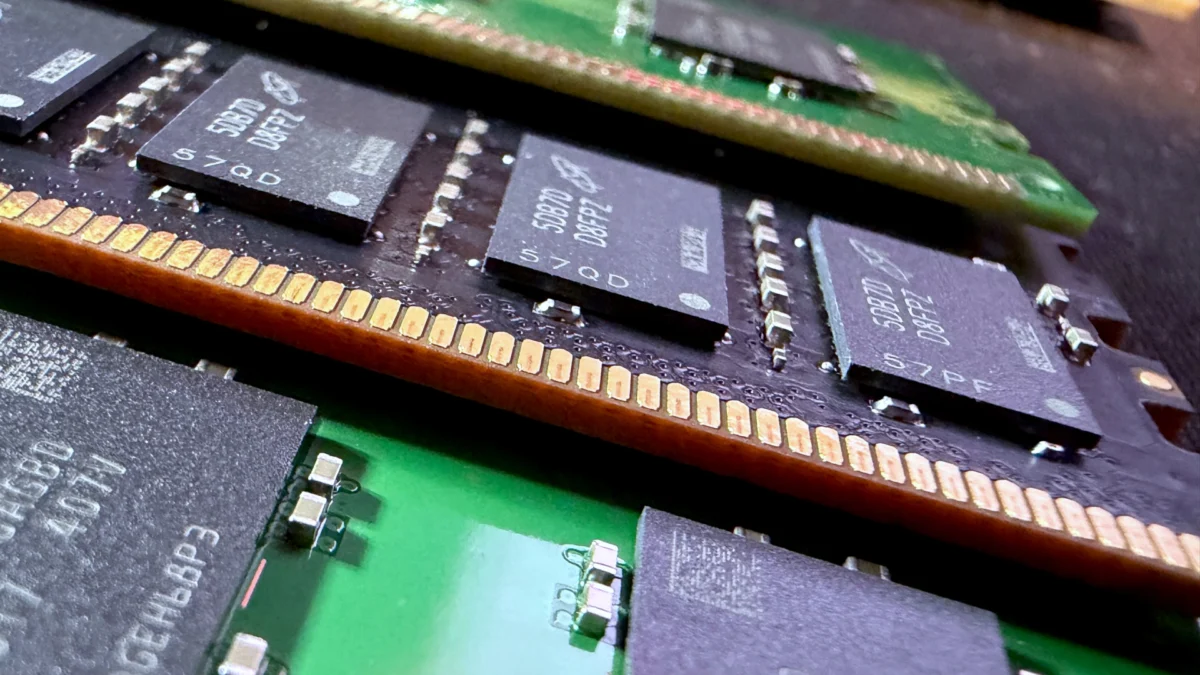
In a monumental move that underscores the high-stakes nature of the global artificial intelligence (AI) revolution, South Korean semiconductor giant SK Hynix has announced a massive 100 trillion won ($65 billion) investment plan. This capital injection is earmarked for the expansion of its manufacturing footprint, specifically targeting the high-growth sectors of NAND flash memory and advanced chip packaging. As the AI industry continues to demand unprecedented levels of computing power and storage, SK Hynix’s strategy reflects a broader, nation-wide effort by South Korea to cement its position as the world’s leading hub for semiconductor innovation.
The Core of the Investment: Expanding the Silicon Frontier
The 100 trillion won investment is not merely a statement of intent; it is a granular roadmap for industrial growth. According to industry reports, the allocation of these funds highlights a dual-track strategy designed to capture both ends of the memory value chain.
The lion’s share of the investment—approximately 80 trillion won ($52 billion)—is designated for the development and construction of next-generation NAND flash memory facilities. NAND technology is the backbone of modern data storage, essential for everything from personal SSDs to the massive, hyperscale data centers that power Large Language Models (LLMs). As AI models require vast datasets to train and operate, the need for high-density, high-speed storage has reached a critical threshold.
The remaining 20 trillion won ($13 billion) is earmarked for a state-of-the-art chip packaging facility. In the modern era, "packaging" has evolved from a simple protective step to a sophisticated engineering discipline. With the rise of AI processors that integrate multiple types of memory and logic chips into a single "system-in-package," advanced packaging has become a bottleneck for production. By investing heavily here, SK Hynix aims to streamline its supply chain and ensure its memory modules are optimized for the most demanding AI accelerators on the market.
A Chronology of the Semiconductor Surge
The current landscape of the memory industry did not emerge in a vacuum. It is the result of years of market volatility, technological shifts, and intense geopolitical maneuvering.
- 2020–2022: The Pandemic-Induced Volatility: The global chip shortage triggered by the COVID-19 pandemic reshaped the industry. While demand for consumer electronics soared, supply chains fractured, leading to a period of uncertainty that saw both price spikes and inventory gluts.
- 2023: The AI Awakening: The sudden mainstream adoption of generative AI, exemplified by ChatGPT and its successors, created an immediate and insatiable demand for High Bandwidth Memory (HBM) and specialized NAND storage.
- Early 2024: The Strategic Pivot: Recognizing that the AI boom was not a short-term trend, South Korean officials and corporate leaders began drafting long-term master plans.
- Mid-2024: The "Mega-Cluster" Declaration: The South Korean government officially announced a sweeping initiative to invest over $580 billion into the domestic AI chip industry by 2047. This initiative positioned Samsung and SK Hynix as the private-sector anchors of a national mission to secure technological sovereignty.
- Late 2024 and Beyond: With today’s announcement, SK Hynix has moved from the planning phase to active capital expenditure, setting a timeline that expects the new packaging plant to be fully operational by late 2027.
Supporting Data: Why the Memory Crisis Persists
To understand why SK Hynix is spending billions, one must look at the current state of the memory market. Analysts have described the ongoing supply-demand imbalance as a "memory crisis" that shows little sign of abating.
The Supply-Demand Gap
Major players, including Micron, Samsung, and SK Hynix, have all noted that demand for memory components—particularly those specialized for AI—is significantly outpacing available supply. This has led to a sustained period of high pricing for DRAM and NAND. Companies like Biwin, which recently secured a $2 billion multi-year NAND deal, are effectively "locking in" their supply lines. Such long-term commitments are rare in the historically volatile semiconductor industry; their prevalence now serves as a clear signal that major technology firms do not anticipate a price collapse in the near future.
Managing Oversupply Risk
Paradoxically, the fear of future oversupply is what is currently driving under-investment in capacity expansion. Manufacturers are cautious about repeating the boom-and-bust cycles of the past. By building new plants now, firms like SK Hynix are attempting to strike a delicate balance: providing enough capacity to meet the explosive AI demand without creating a glut that would crash prices once the current hype cycle cools.
Official Responses and Strategic Alignments
The alignment between the South Korean government and the private sector is perhaps the most critical factor in this development. South Korea’s leadership has viewed the semiconductor industry as a national security imperative. The president’s recent declaration regarding the half-trillion-dollar investment initiative is a direct response to the aggressive chip-building subsidies seen in the United States (via the CHIPS Act) and China.
By fostering an environment where giants like SK Hynix can commit to a $65 billion expenditure, the government is signaling that South Korea will not be sidelined in the global race for AI dominance. This cooperation includes tax incentives, infrastructure support, and the creation of "mega-clusters"—concentrated geographic areas where chip designers, manufacturers, and equipment suppliers can collaborate in close proximity.
Global Implications: A Reshaped Landscape
The implications of this massive expansion extend far beyond the borders of South Korea.
The End of the Memory Crisis?
While some industry veterans, such as former Samsung executives, have suggested that the memory crisis could see a resolution by late 2028 due to surging capacity from emerging competitors in China, this is by no means a certainty. Even if supply meets demand by that date, the price floor for high-performance memory is likely to remain elevated due to the sheer complexity of manufacturing next-generation chips.
The Competitive Edge
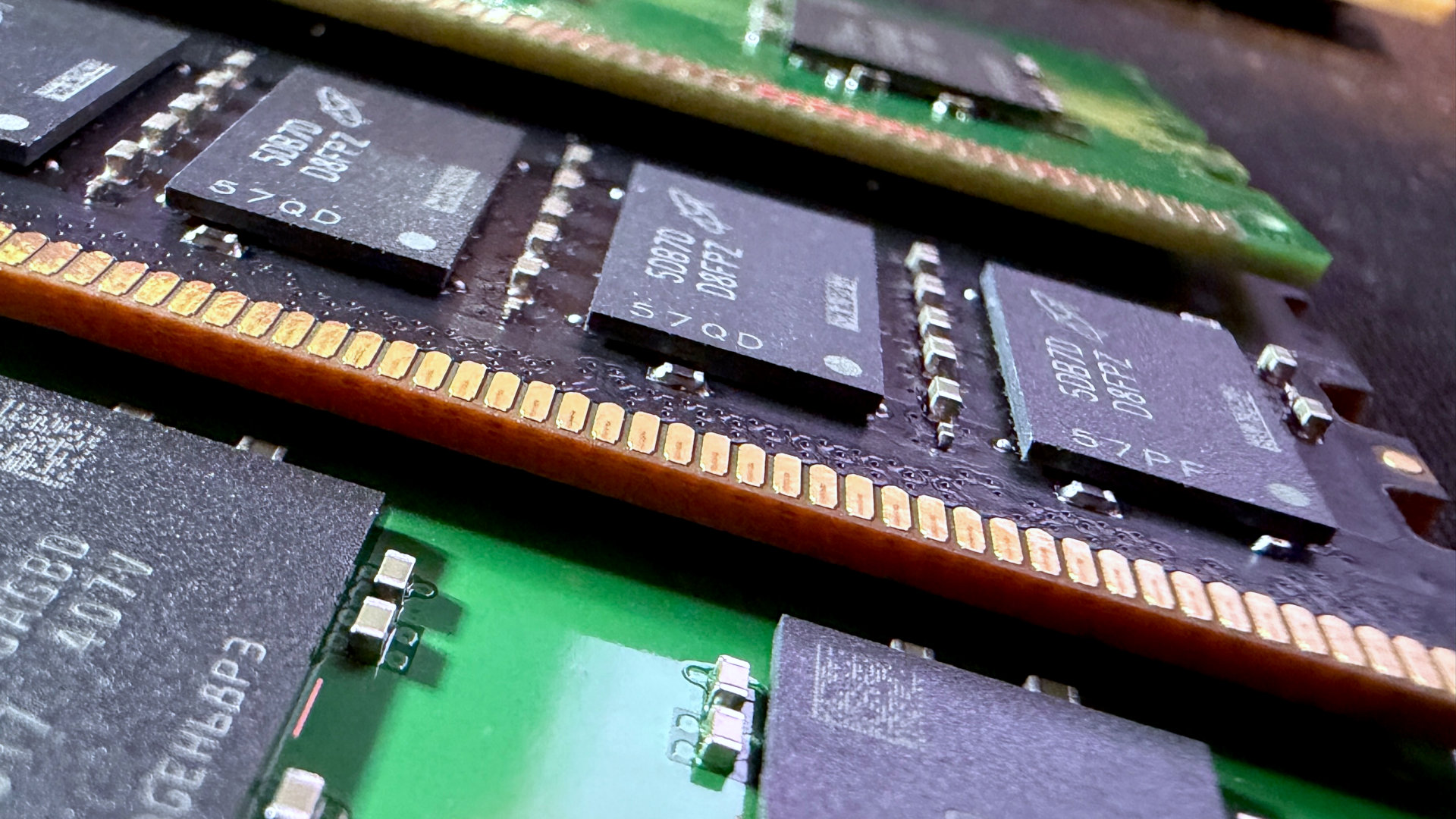
For the global tech industry, SK Hynix’s investment means that companies building AI hardware will have a more stable, albeit expensive, supply chain. For the consumer, it implies that the rapid advancement of hardware—faster phones, more capable AI-integrated laptops, and smarter cloud services—will be sustained by the physical infrastructure being laid down today.
Geopolitical Stability
Finally, there is the matter of supply chain resilience. By diversifying its production capabilities and investing in high-end packaging, SK Hynix is mitigating risks associated with potential trade barriers and geopolitical friction. As the world moves toward a more fragmented technological landscape, South Korea is positioning itself as an indispensable "neutral" ground, maintaining close ties with Western markets while navigating the complexities of East Asian trade.
Conclusion
The 100 trillion won investment by SK Hynix is a clear acknowledgment that we have entered a new era of industrial computing. The "memory crisis" is not a temporary glitch; it is the natural consequence of a global economy undergoing a fundamental shift toward artificial intelligence. By betting $65 billion on the future, SK Hynix is not just expanding its business—it is laying the foundation for the next decade of digital evolution. Whether the market eventually settles or the demand for high-end memory continues its exponential climb, one thing is certain: South Korea remains the beating heart of the hardware that will define the 21st century.

