

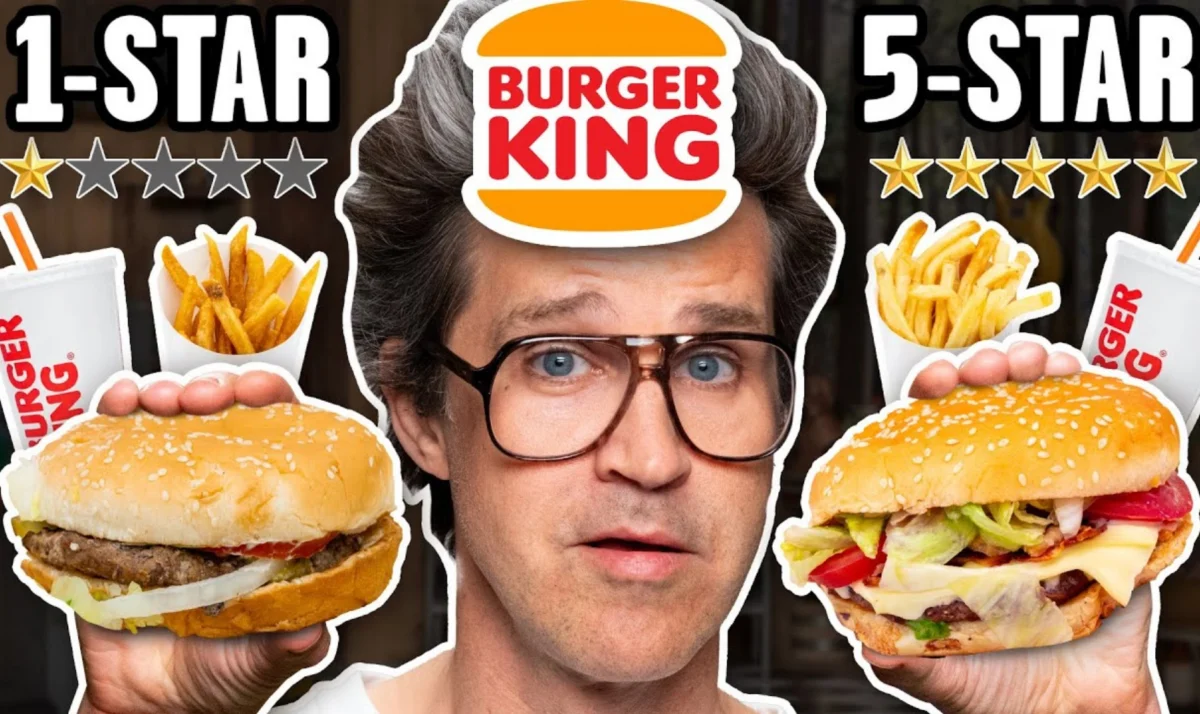
In the evolving landscape of digital media, the line between organic content and corporate sponsorship has often been a point of contention. However, a recent collaboration between the legendary YouTube duo Rhett and Link and fast-food giant Burger King suggests a new paradigm: the "authentic integration." By identifying an organic, fan-driven curiosity within the Good Mythical Morning ecosystem, Burger King has successfully transitioned from an observer of a viral moment to the primary sponsor of it, proving that brands that listen to their audience’s feedback—even when it comes from unscripted, independent creators—can reap massive rewards.
The Genesis: A Mythical Food Feud
For 14 years, Rhett McLaughlin and Link Neal have anchored Good Mythical Morning (GMM), one of YouTube’s most enduring and influential series. Central to their success has been the "Food Feud" segment—a high-stakes, often humorous comparative analysis of fast-food items from competing chains.
The spark for this multi-million dollar campaign was not a boardroom pitch, but a routine episode of GMM. The duo decided to test the consistency of the Burger King Whopper across multiple locations. At the time, this was a purely organic creative decision. The central premise was rooted in consumer skepticism: if Burger King claims their burgers are consistent every time, then a Whopper purchased in one location should be identical in quality and composition to one purchased elsewhere.
The segment resonated deeply with the "Mythical Beasts," the show’s dedicated fanbase, because it treated a major corporation with the same level of scrutiny that an everyday consumer would. When the video aired, it generated genuine conversation about quality control, brand promises, and the reality of the fast-food experience. Burger King executives, monitoring the digital pulse of their brand, recognized that the duo had inadvertently created the perfect commercial for the company’s "Whopper Guarantee"—a policy promising that if a customer isn’t satisfied with their meal, the restaurant will make it right.
Chronology of a Corporate Pivot
The transformation of an independent critique into a branded partnership followed a carefully orchestrated sequence of events:
- The Independent Review: Rhett and Link independently featured the Whopper in a GMM episode, subjecting it to their signature rigorous testing.
- Brand Identification: Burger King’s marketing team identified the potential to leverage the duo’s massive reach and credibility to amplify the "Whopper Guarantee" and promote their new "Your Way Champions" program.
- The Collaboration Agreement: Recognizing that a "canned" ad would feel hollow to the GMM audience, Burger King partnered with Google and Unreasonable Studios to craft a campaign that felt native to the show.
- The Integration: The partnership was finalized as a 360-degree activation, incorporating custom spots, a channel takeover, and direct integrations into new episodes.
- The Rollout: The campaign launched across YouTube and connected TV platforms, utilizing the scale of the Google ad ecosystem while maintaining the "Mythical" aesthetic that fans have grown to love.
The Strategy: Why Authenticity Matters
The brilliance of this campaign lies in its lack of pretense. By allowing the creators to maintain their critical voice while officially partnering with the brand, Burger King bypassed the "cringe factor" that often plagues creator-led sponsorships.
The "Your Way Champions" initiative is at the core of this partnership. These are Burger King’s customer satisfaction leaders—employees tasked with ensuring that the guest experience meets the company’s high standards. By having Rhett and Link interact with these champions, Burger King is not just saying they have good quality control; they are showing it through the lens of the show’s hosts, who have historically been the most honest and demanding critics of the chain’s food.
Supporting Data: The Power of the Creator Economy
The move by Burger King is supported by shifting trends in digital advertising. According to recent market research, audiences are increasingly turning away from traditional, polished television advertisements in favor of content produced by influencers they trust.
- Trust Metrics: Studies indicate that 60% of Gen Z consumers are more likely to trust a brand recommendation from a YouTuber than from a celebrity in a traditional TV spot.
- Engagement Rates: Integration campaigns that occur within the context of a show’s existing format see significantly higher retention rates than standalone pre-roll advertisements.
- The "Mythical" Reach: With over 18 million subscribers on their main channel, Rhett and Link offer a demographic reach that spans across age groups, providing Burger King with access to both younger, digital-native consumers and long-time fans who have followed the duo for over a decade.
By leveraging Google’s ad solutions, Burger King has effectively "bought" the audience’s attention without interrupting the viewing experience. The two-week channel takeover on the GMM hub ensures that the brand remains top-of-mind, creating a "halo effect" where the trust built by the creators is transferred to the Whopper itself.

Official Responses and Perspectives
"This partnership is a great example of what happens when a brand leans into an authentic creator relationship," said Jacob Moncrief, President of Mythical. "Burger King recognized a conversation that was already happening on Good Mythical Morning, and together we turned it into a campaign that felt native to our audience while leveraging the scale of Google’s Creator Ads and YouTube ecosystem."
For Burger King, the incentive is equally clear. In an era where negative reviews can go viral in seconds, the company is betting that transparency—and a bit of self-deprecation—will win over the modern consumer. By subjecting their "Whopper Guarantee" to the scrutiny of Rhett and Link, they are signaling a level of confidence in their product that few other chains are willing to project.
Implications for the Industry: The Future of Brand/Creator Relations
The success of this campaign serves as a blueprint for the future of influencer marketing. We are moving away from the era of "influencer as billboard" and into an era of "influencer as partner."
1. Brands as Content Students
Brands must stop viewing influencers as mere distribution channels. Instead, they must become active students of the content creators’ archives. Had Burger King not been paying attention to what Rhett and Link were saying in their "Food Feuds," they would have missed this opportunity entirely.
2. The Death of the "Hard Sell"
Audiences are highly adept at identifying inauthentic advertising. If Rhett and Link had simply read a script about the Whopper, the audience would have tuned out. By integrating the promotion into a format that the viewers already enjoy, the ad becomes part of the entertainment.
3. Data-Driven Creativity
While the partnership feels "organic," it is backed by sophisticated data. The use of Google’s ad solutions allows the campaign to be targeted, measured, and optimized in real-time. The marriage of creative intuition and analytical rigor is the new standard for successful digital marketing.
4. Long-Term Brand Building
This is not a one-off stunt. By aligning with Rhett and Link across multiple touchpoints—the episodes, the channel takeover, and the social media spots—Burger King is building a long-term narrative that the Whopper is a consistent, reliable, and "mythical" choice for the fast-food eater.
Conclusion: A Win-Win for All Parties
The collaboration between Rhett and Link and Burger King is a masterclass in modern marketing. It respects the intelligence of the audience, leverages the unique strengths of the creators, and serves the strategic goals of the corporation. As consumers continue to curate their own media experiences, brands that find ways to participate in the conversation rather than dominate it will be the ones that thrive.
For the Mythical Beasts, the payoff is clear: more content, more food-based shenanigans, and the satisfaction of knowing their favorite creators have successfully held a major brand accountable. For Burger King, the return on investment is measured not just in dollars, but in the deepened trust of a demographic that is notoriously difficult to reach. As the "Whopper Guarantee" becomes a centerpiece of the fast-food conversation, one thing is certain: the era of the organic brand-creator partnership has officially arrived, and it is here to stay.

