

By Global Business and Technology Desk
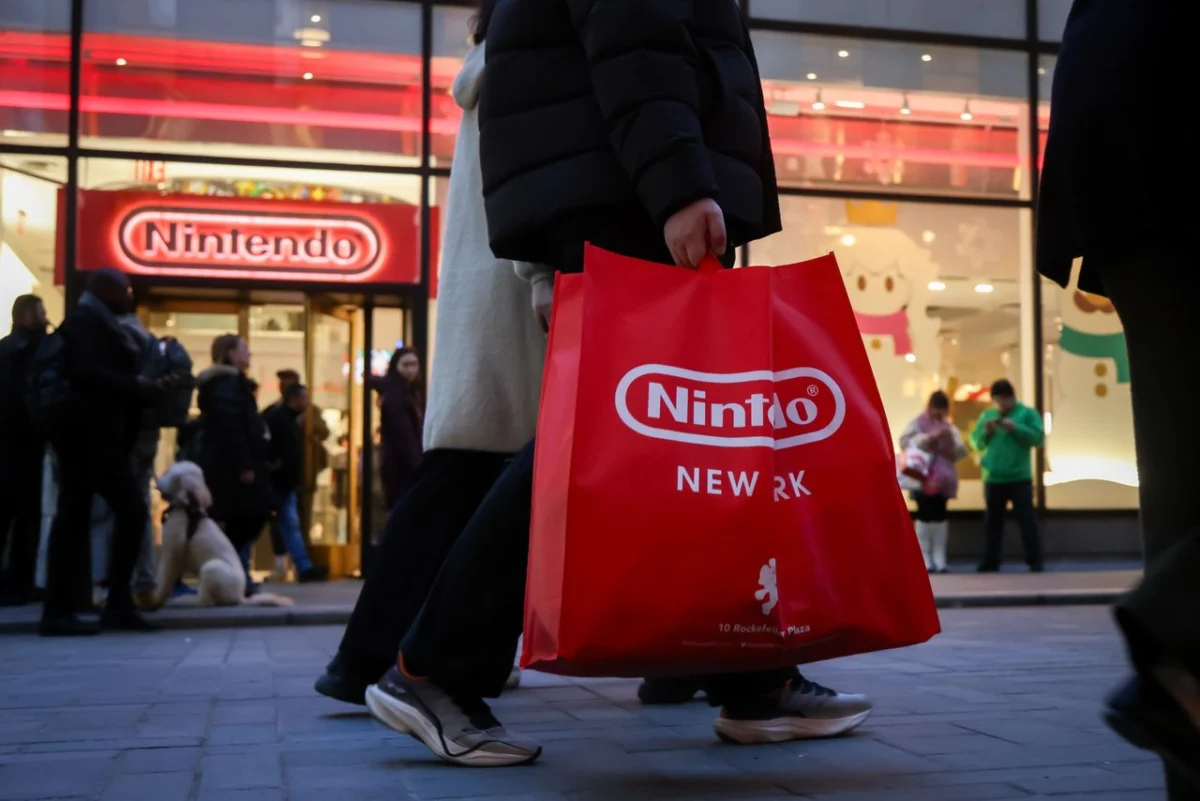
Nintendo of America has found itself at the center of a growing economic and legal firestorm. After successfully recovering $300 million in tariff-related refunds following a landmark Supreme Court ruling, the gaming giant chose to reinvest the capital into a promotional event rather than issuing direct refunds to consumers.
The move—highlighted by the announcement of a "Customer Appreciation Sale"—has ignited fierce criticism from consumer advocates and sparked a proposed class-action lawsuit. While corporate leaders defend the strategy as a measured way to reward the player base, critics argue that everyday buyers are bearing the brunt of geopolitical trade policies while corporations reap the financial rewards twice over.
Main Facts
The controversy stems from the economic fallout of sweeping import tariffs enacted during the Trump administration, which heavily impacted multinational technology companies importing hardware from overseas manufacturing hubs.
- The Refund: According to corporate financial disclosures in 2026, Nintendo of America secured a massive $300 million in tariff refunds from the U.S. government following a legal challenge.
- The Promotion: Rather than distributing these funds directly to the consumers who purchased hardware during periods of inflated pricing, Nintendo launched the "Customer Appreciation Sale." Scheduled to run from September 13 to 26, the event offers a 30% discount on digital Switch games, hardware bundles, select physical media, downloadable content (DLC), accessories, amiibo figures, and apparel across Nintendo Stores, the eShop, and participating third-party retailers.
- The Legal Challenge: Nintendo of America, alongside other industry heavyweights like Sony, is currently facing a proposed class-action lawsuit. The plaintiffs argue that because consumers paid artificially inflated prices to offset the initial import duties, the subsequent government refunds rightfully belong to the buyers. Nintendo filed a motion to dismiss the lawsuit in September.
- Industry Precedent: While the vast majority of corporations targeted by the tariffs have pocketed their refunds or reinvested them internally, rare exceptions exist. For instance, boutique handheld manufacturer Panic—the creators of the indie-focused Playdate console—opted to issue direct tariff refunds to its customer base.
Chronology: From Trade Wars to Courtrooms and Sales
The path leading to Nintendo’s current public relations and legal battle spans several years of shifting trade policies, corporate strategy adjustments, and judicial interventions.
The Tariffs Take Effect
When the Trump administration implemented broad-spectrum import tariffs, electronics and gaming hardware companies were immediately disrupted. Nintendo, heavily reliant on international supply chains for its flagship hardware, faced escalating overhead costs as goods crossed U.S. borders.
Pre-Order Disruptions and Price Hikes
The financial strain quickly rippled down to the consumer market. Shortly after the initial announcement of the Nintendo Switch 2, the company was forced to delay U.S. pre-orders for the console, though the hardware still managed to hit its scheduled June 5 launch date.
The reprieve was short-lived. In May, citing cumulative component shortages and the lingering financial burden of import duties, Nintendo implemented a $50 price hike on the Switch 2, pushing the console’s baseline price to $499. Similar price adjustments rolled out in international markets, including Europe and Japan.
Legal Action and Supreme Court Intervention
Recognizing the immense financial impact, major corporations pushed back through the legal system. In March, Nintendo of America joined a coalition of more than 1,000 businesses—including retail titan Costco, logistics giant FedEx, and cosmetics firm Revlon—to sue the U.S. government in the U.S. Court of International Trade.
The plaintiffs sought the return of billions of dollars collected under unlawful trade frameworks. The legal strategy paid off when the U.S. Supreme Court ultimately ruled that large swaths of the tariffs were unconstitutional. This decision unlocked over $166 billion in owed refunds for American businesses. By the end of July, the federal government had disbursed approximately $100 billion of that total, delivering a multi-million-dollar windfall to Nintendo.
The Backlash and Promotional Response
With $300 million safely back on its balance sheet, Nintendo announced the "Customer Appreciation Sale" in September. Company executives defended the initiative in a corporate blog post:
"The Customer Appreciation Sale is our way of saying thank you to Nintendo players for their continued support and is made possible in part by tariff-related refunds. While Nintendo absorbed most tariff-related costs, the refunds helped make promotions like this one possible."
Simultaneously, Nintendo filed a motion to dismiss the consumer class-action lawsuit demanding direct cash payouts, setting the stage for a protracted legal battle over corporate accountability and consumer restitution.
Supporting Data and Financial Context
To understand the scale of the dispute, one must examine the macroeconomics of modern hardware manufacturing and distribution:
- $300 Million: The exact sum recovered by Nintendo of America in tariff refunds, as detailed in the company’s 2026 earnings documentation.
- $166 Billion: The estimated total pool of unlawful tariff collections ordered to be returned to American businesses following the Supreme Court’s landmark ruling.
- $100 Billion: The milestone figure reached by the federal government in late July regarding fulfilled tariff repayments.
- $50 Increase: The direct price markup applied to the Nintendo Switch 2 in May, raising the standard retail cost to $499 prior to the holiday and promotional cycles.
- 30% Discount: The headline price reduction featured during the limited-time Customer Appreciation Sale, applicable across digital games, bundles, select physical inventory, and accessories.
Official Responses and Stakeholder Perspectives
The debate highlights a stark philosophical divide between corporate fiduciary responsibility and consumer advocacy.
Nintendo’s Corporate Stance
Nintendo maintains that it largely shielded its consumer base from the worst spikes of the trade disputes by absorbing a significant portion of the initial costs internally. From the company’s perspective, the subsequent refunds do not represent a direct pool of consumer-owned capital, but rather general corporate revenue recovered from the government.
By channeling these funds into a broad promotional sale, Nintendo argues it is returning value directly to the gaming community through lower software and accessory prices, thereby stimulating engagement across its ecosystem rather than issuing isolated cash transfers.
The Consumer and Legal Perspective
Plaintiffs in the ongoing class-action lawsuits view the matter through a much simpler lens: double-dipping. Consumer advocates argue that corporations artificially inflated retail prices—such as the $50 bump on the Switch 2—under the explicit justification of covering unpredictable import duties.
When the government subsequently declared those duties unlawful and refunded the capital, plaintiffs argue that the extra money collected from buyers should logically be returned to the people who ultimately paid it. Legal experts note that while corporations are under no statutory obligation to disperse tax refunds to retail customers, the ethical implications have severely damaged brand goodwill among core supporters.
Broader Implications for the Tech and Gaming Industry
Nintendo’s situation is not an isolated incident; it serves as a bellwether for how multinational corporations handle regulatory windfalls, taxation disputes, and consumer relations in an increasingly volatile global economy.
- Precedent for Future Trade Disputes: As global supply chains face continuous political and economic realignment, how companies handle retrospective legal victories will shape consumer trust for years to come. If corporations routinely pass costs onto consumers during crises while pocketing government repayments later, public skepticism toward corporate price justifications will only deepen.
- The Power of Micro-Rebates vs. Broad Sales: While companies like Panic proved that direct consumer refunds are logistically possible on a small scale, large enterprises argue that targeted discounts are a more effective way to distribute economic relief across an entire user base. However, critics counter that sales only benefit those who are already willing and able to spend additional money on products, leaving buyers who paid inflated prices for initial hardware without true restitution.
- Legal Scrutiny: The outcome of the class-action lawsuits facing Nintendo and Sony could create a landmark legal precedent regarding whether consumers possess any legal standing to claim a share of corporate tax or tariff refunds. A ruling in favor of the plaintiffs could fundamentally alter how retail giants price products during periods of regulatory uncertainty.
As the September 13–26 Customer Appreciation Sale unfolds, players will have to decide whether discounted games and accessories are an acceptable substitute for direct financial accountability, or if the lingering shadow of the $300 million windfall will continue to color the public perception of one of gaming’s most storied brands.

