

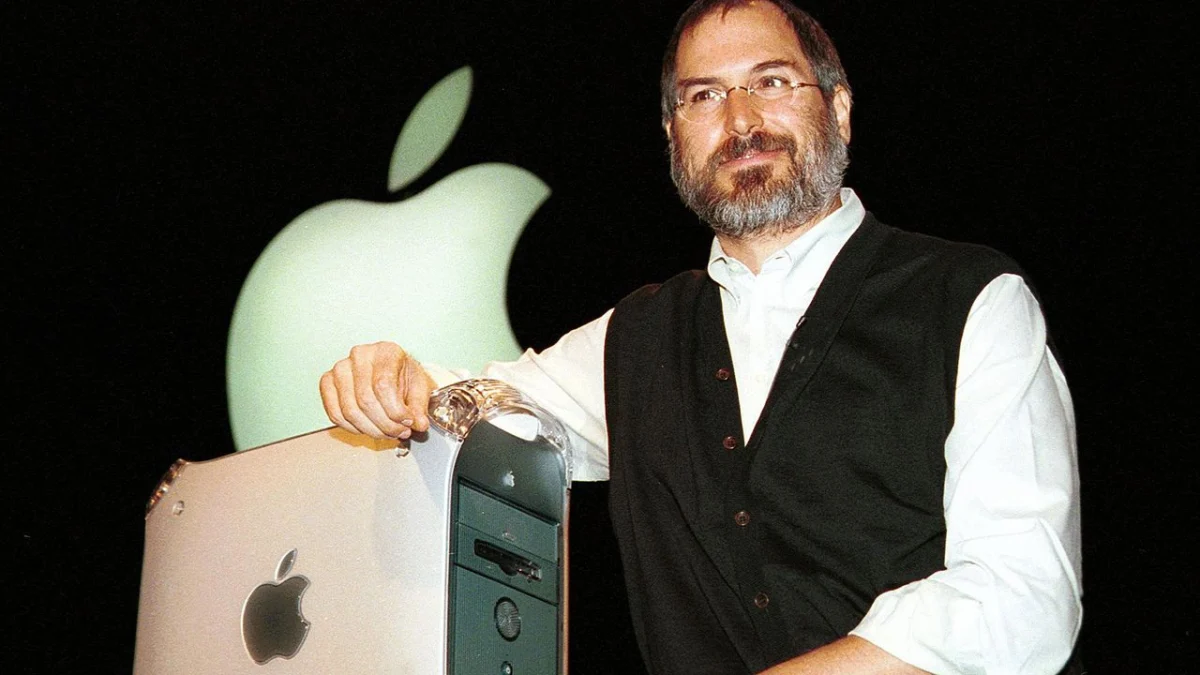
In an increasingly volatile global landscape, marked by escalating geopolitical rivalries and strategic competition, the implementation of technology export bans has become a recurrent feature. What might appear to be a novel tool in modern statecraft, however, finds fascinating historical parallels, demonstrating that the control of cutting-edge computing power has long been a subject of national security concern. Industry observers are quick to highlight that restrictions on computer technology exports are far from a new phenomenon. A particularly illustrative case from 1999 involved Apple’s Power Macintosh G4, a situation that the company’s then-interim CEO, Steve Jobs, masterfully transformed into a potent marketing advantage. This retrospective examines the G4 export ban, Jobs’ ingenious response, and draws connections to the contemporary tech embargoes shaping today’s global economy.
The Power Macintosh G4: A "Weapon" of Mass Calculation
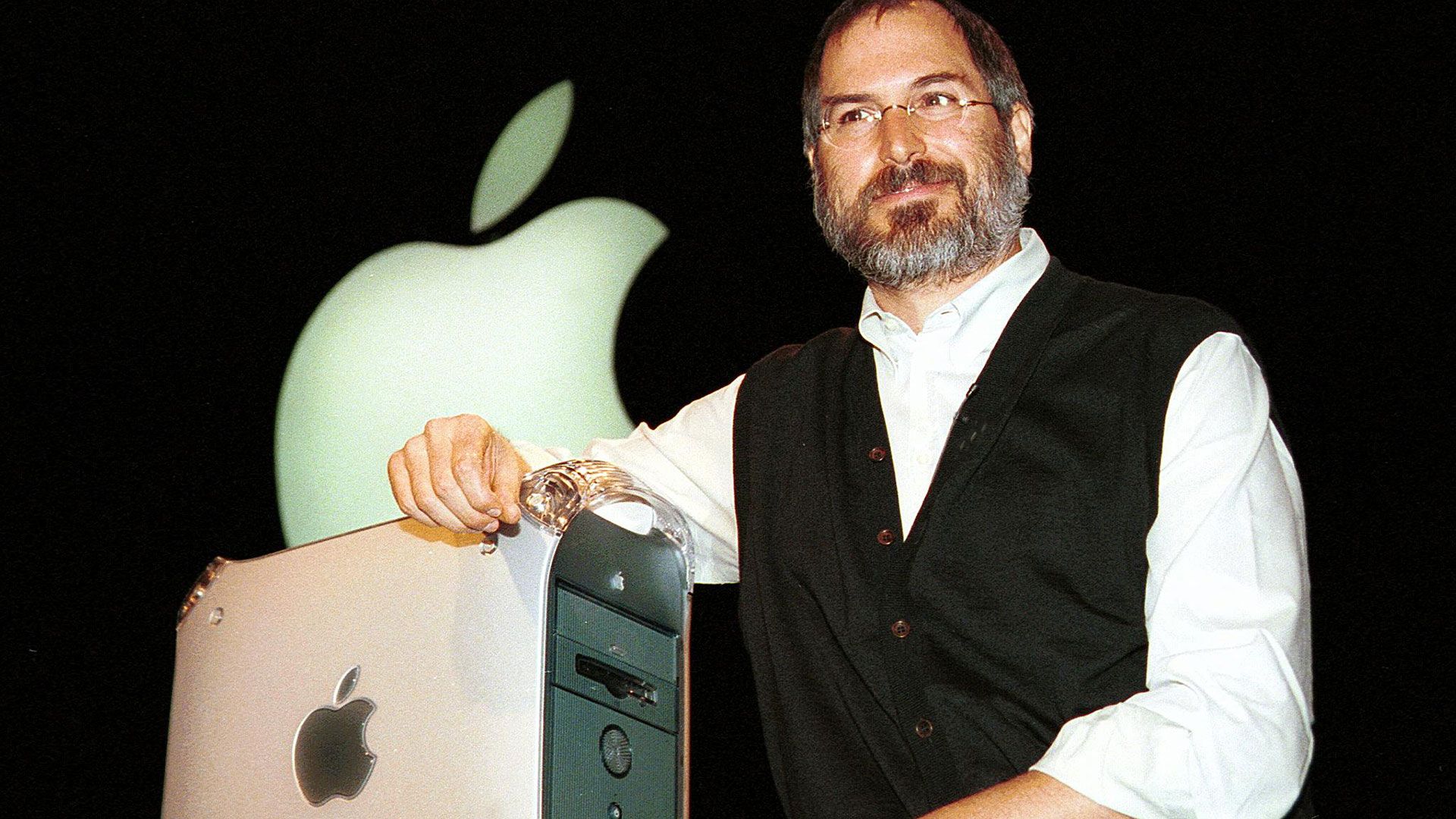
The summer of 1999 marked a pivotal moment for Apple’s newly launched Power Mac G4 desktop tower systems. These machines, celebrated for their sleek "graphite" translucent designs, represented the zenith of personal computing performance at the time. Equipped with the formidable PowerPC G4 processor, co-developed by Apple, IBM, and Motorola, these systems boasted an impressive capability of "over 1 billion calculations per second." This staggering performance, while a boon for graphic designers, video editors, and scientific researchers, inadvertently propelled the G4 into an unexpected category: that of a potential weapon.
The U.S. government, operating under export control regulations designed to prevent advanced technology from falling into the wrong hands, classified the G4 as a "supercomputer." This designation triggered a sweeping export restriction, effectively banning the stylish desktop towers from being sold to 50 nations worldwide. The rationale was rooted in national security concerns, fearing that such high-performance computing power could be repurposed for military applications, weapons development, or other sensitive strategic uses by adversarial states. The implications were significant for Apple, a company striving to reassert its dominance in the technology sector following Steve Jobs’ return. While the ban underscored the G4’s groundbreaking capabilities, it simultaneously imposed considerable logistical and market access challenges.
Steve Jobs’ Masterstroke: Turning Restriction into Marketing Gold
Upon learning of the export restrictions, Apple, naturally, sought to appeal the decision and have the restrictions lifted. However, Steve Jobs, a visionary known for his unparalleled marketing acumen, saw not just a hurdle but an extraordinary opportunity. He swiftly orchestrated a marketing campaign that would become a legendary example of turning adversity into a competitive advantage.
The centerpiece of this campaign was a 30-second television advertisement that became an instant classic. Backed by the iconic theme tune from the classic war movie The Great Escape, a solemn voiceover announced: "For the first time in history a personal computer has been classified as a weapon by the US government." The ad continued, leveraging the very language of the ban to amplify the G4’s power: "With the power of over 1 billion calculations per second the Pentagon wants to ensure that the new Power Macintosh G4 does not fall into the wrong hands."
This narrative was a stroke of genius. It didn’t just acknowledge the ban; it embraced it, transforming a government restriction into an endorsement of the product’s sheer computational might. By framing the G4 as a machine so powerful it necessitated government control, Jobs imbued it with an aura of exclusivity, sophistication, and raw capability that no conventional advertising could replicate. The ad’s concluding line delivered a characteristic Jobsian jab at a rival: "As for Pentium PCs, well they’re harmless." This sly dig at Intel-based computers not only elevated the G4 but also subtly dismissed its competition as inferior and irrelevant in the face of such groundbreaking power. The campaign effectively positioned the Power Mac G4 as not merely a computer, but a revolutionary piece of technology that pushed the boundaries of what a personal machine could achieve, so much so that it entered the realm of strategic national assets.
Unpacking the "Supercomputer" Classification: Technical Context
To understand the U.S. government’s decision, it’s crucial to delve into the technical prowess of the Power Mac G4 and the prevailing definitions of "supercomputer" at the time. The initial Power Mac G4 machines, codenamed "Yikes!" (and later "PCI Graphics"), were indeed formidable. The entry-level 400 MHz model was marketed as offering between 0.8 and 3.2 Gigaflops (billion floating-point operations per second). Floating-point operations are critical for scientific, engineering, and graphical computing tasks, making GFLOPS a key metric for measuring raw computational power.
In 1999, the government’s definition of a "supercomputer" for export control purposes was tied directly to its processing capabilities, specifically its ability to exceed a certain GFLOPS threshold. For the U.S. Department of Commerce, any system surpassing this threshold was considered a potential dual-use technology – capable of both civilian and military applications – and thus subject to stringent export controls. The G4’s AltiVec unit (also known as Velocity Engine), a vector processing unit integrated into the PowerPC G4 chip, was particularly instrumental in achieving these high GFLOPS figures, allowing it to perform parallel operations on data, greatly accelerating tasks like image processing, audio rendering, and scientific simulations.
Apple had marketed the G4 as offering up to double the performance of its G3 predecessors and triple that of contemporary Pentium III PCs, clock-for-clock. Low End Mac, a long-standing resource for Apple history, recalls that the 400 MHz Yikes! model, with its 0.8-3.2 GFLOPS performance, easily crossed the then-current government threshold, classifying it as a supercomputer. This meant that not only the entry-level 400 MHz model but also the faster 450 MHz and 500 MHz variants were similarly subject to export restrictions, effectively curtailing Apple’s access to a significant international market for its top-tier professional machines.
The classification underscored a broader historical context where governments, particularly during the Cold War and its aftermath, meticulously controlled the export of high-performance computing to prevent its use by rival nations for code-breaking, nuclear simulations, or advanced weapons design. While the G4 was a consumer desktop, its raw power was such that it momentarily triggered these Cold War-era protocols, highlighting the rapid advancement of personal computing into realms once exclusively occupied by specialized, room-sized supercomputers.
Chronology of Lifting the Ban
Apple’s immediate response to the export ban was multifaceted. While Jobs capitalized on the marketing potential, the company’s legal and lobbying teams worked tirelessly behind the scenes to challenge the restrictions. They argued that the G4, despite its impressive performance, was a personal computer designed for civilian applications and that the existing export control thresholds were outdated, failing to account for the rapid commoditization and decentralization of computational power.
The situation persisted for several months, with Apple unable to freely export its most powerful machines to a substantial portion of the global market. However, recognizing the swift pace of technological innovation and the increasing availability of high-performance computing components, the Bill Clinton administration initiated a review of its export control policies.
In January 2000, just a few months after the ban was imposed, the administration announced a significant policy change. The Gigaflop threshold for U.S. export controls was dramatically raised to 6.5 GFLOPS. This revision reflected a more pragmatic understanding of the global tech landscape, acknowledging that the computing power previously considered "supercomputer-level" was rapidly becoming standard in high-end consumer and professional devices. With the new threshold in place, the Power Mac G4, even its fastest 500 MHz variant, fell well below the revised limit. Consequently, Apple could once again resume unrestricted G4 exports, opening up crucial international markets and allowing its cutting-edge technology to reach a broader global audience without the burden of export licenses or national security concerns. The swift resolution demonstrated the government’s ability to adapt its policies, albeit reactively, to the accelerating march of technological progress.
Echoes in the Modern Era: A Resurgent Trend
The saga of the Power Mac G4, though a quarter-century old, resonates deeply with today’s geopolitical and technological landscape. The current era is witnessing a significant resurgence and intensification of tech export controls, driven by profound geopolitical shifts, particularly the escalating tech rivalry between the United States and China, as well as broader national security concerns regarding Russia, Iran, North Korea, and other nations.
One of the most recent and prominent examples involves the artificial intelligence sector. The U.S. government, through its export control orders, recently forced Anthropic, a leading AI company, to disable its advanced Claude AI model, specifically "Fable," and potentially "Mythos 5," in numerous countries. This move stems from fears that highly capable AI models could be used for developing advanced surveillance systems, cyber warfare tools, or even autonomous weapons, thus posing a direct threat to national security interests. The ability of these models to process vast amounts of information, generate sophisticated content, and potentially aid in critical decision-making places them firmly in the category of dual-use technologies, much like the G4’s raw computational power.
Beyond AI software, hardware bans have become a defining feature of modern tech strategy. Nvidia GPUs, particularly its high-performance models designed for data centers and AI training, are a prime example. These graphics processing units, originally developed for gaming, have become the backbone of modern artificial intelligence and high-performance computing. Their immense parallel processing capabilities are critical for training large language models and running complex simulations. Consequently, the U.S. has imposed strict export controls on Nvidia’s most powerful AI chips, preventing their sale to entities in China and other restricted nations, aiming to impede their progress in AI and advanced military capabilities.
The scope of these modern bans extends even further up the supply chain. Western governments have aggressively sought to restrict exports of critical semiconductor manufacturing tools. Companies like ASML, a Dutch firm that dominates the market for advanced lithography machines, are at the forefront of this battle. Lithography tools are essential for etching the intricate circuits onto silicon wafers, forming the basis of all modern microchips. By limiting access to these highly specialized machines, countries aim to curb the ability of rival nations, particularly China, to produce cutting-edge semiconductors, thereby maintaining a technological advantage in areas ranging from consumer electronics to advanced weaponry.
Software itself is also subject to these controls, encompassing a wide array of applications, from specialized design software to operating systems and cybersecurity tools. The rationale behind these software bans is similar to hardware: preventing the transfer of knowledge, capabilities, and critical infrastructure that could be leveraged for strategic or malicious purposes.
The underlying motivations for these modern export controls are complex and multi-layered. They include safeguarding national security by preventing adversaries from acquiring technologies with military applications, maintaining economic competitiveness, protecting intellectual property, and even addressing human rights concerns by preventing the use of surveillance technologies by authoritarian regimes. The "dual-use" nature of advanced technology – its capacity for both benign civilian applications and potentially harmful military or surveillance uses – remains the central challenge for policymakers attempting to regulate its global flow.
The Enduring Impact and Future Landscape
The historical episode of the Power Macintosh G4 export ban, juxtaposed with the current wave of tech restrictions, reveals a cyclical pattern in the relationship between technological advancement, national security, and global trade. As computing power and technological capabilities continue to accelerate, governments consistently grapple with the challenge of balancing innovation and economic growth against strategic vulnerabilities.
For technology companies, these evolving export controls present significant hurdles. They necessitate complex compliance frameworks, fragment global supply chains, and can restrict access to lucrative international markets, thereby impacting revenue, research and development investments, and overall global competitiveness. The push for technological self-sufficiency, often termed "decoupling," in response to these bans, spurs domestic innovation in affected countries but also risks creating parallel, less efficient ecosystems.
Looking ahead, the landscape of tech export controls is likely to become even more intricate. The rapid pace of innovation in fields like quantum computing, biotechnology, and advanced materials science will continually present new dual-use dilemmas for policymakers. The Power Macintosh G4 story serves as a vivid reminder that what constitutes a "supercomputer" or a "strategic technology" is fluid, constantly redefined by the relentless march of human ingenuity. Steve Jobs’ audacious marketing move demonstrated that even in the face of government restrictions, strategic thinking can transform constraints into powerful narratives that shape public perception and market dynamics. As nations navigate this complex interplay of innovation, security, and global commerce, the lessons from past tech embargoes remain remarkably pertinent, underscoring the enduring challenge of governing the flow of humanity’s most potent creations.

