

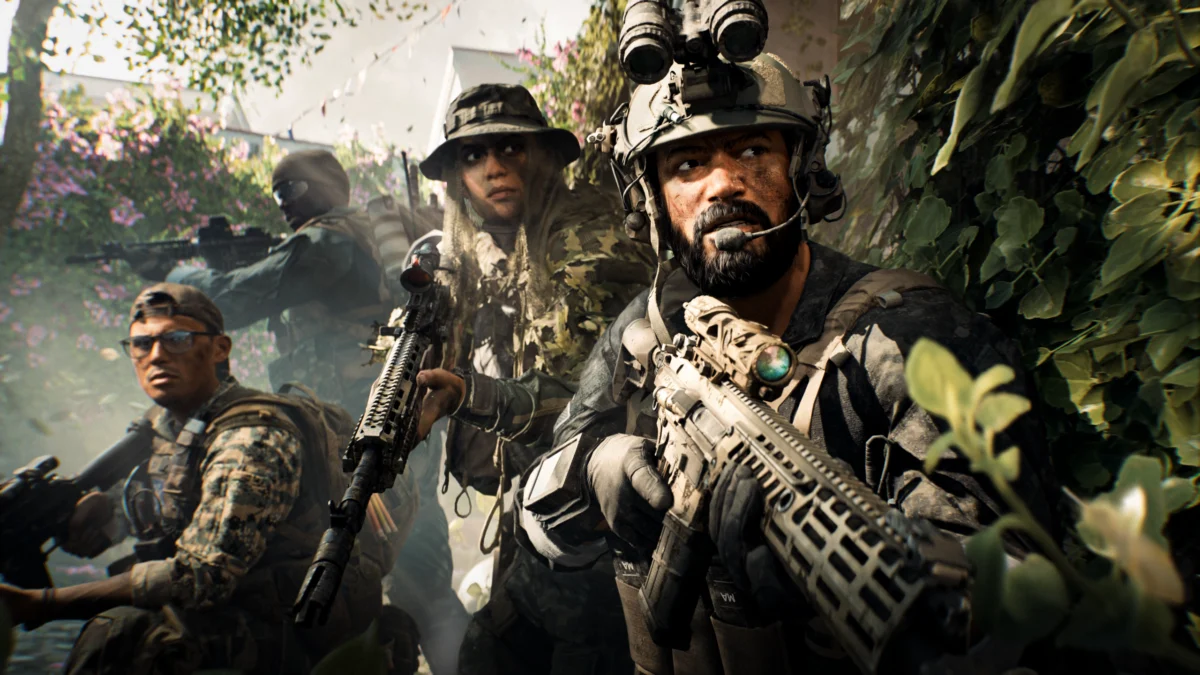
The history of the Battlefield franchise is a testament to the volatility of the modern AAA gaming industry. In late 2021, the series reached a nadir that threatened its very future. The launch of Battlefield 2042 was, by almost every objective metric, a catastrophe. Critics savaged its technical state, the player base dwindled as bugs stifled the experience, and Electronic Arts (EA) was forced to deliver the sobering news to shareholders that sales figures were “disappointing.”
Yet, fast-forward to 2025, and the narrative has undergone a seismic shift. Battlefield 6 has not only stabilized the ship; it has achieved universal acclaim, selling seven million units in its first three days and securing its place as the best-selling game of the year in the United States. At the heart of this turnaround is Rebecka Coutaz, the VP and General Manager for Battlefield Studios Europe. In a candid reflection, Coutaz details the radical restructuring, cultural evolution, and logistical overhaul required to pull one of gaming’s biggest brands back from the brink.
The Crucible: Navigating the Fallout of 2021
Rebecka Coutaz stepped into the role of GM at DICE in November 2021, just fourteen days after the disastrous launch of Battlefield 2042. The atmosphere within the Swedish studio was, as one might expect, strained. The project had been marred by high expectations meeting a reality of broken code and dissatisfied fans.
"There was a lot of work to do," Coutaz recalls. The immediate challenge was twofold: stabilize the existing product and fundamentally alter the studio’s DNA to prevent a recurrence of such a failure. This wasn’t just about fixing bugs; it was about re-engineering the culture of development.
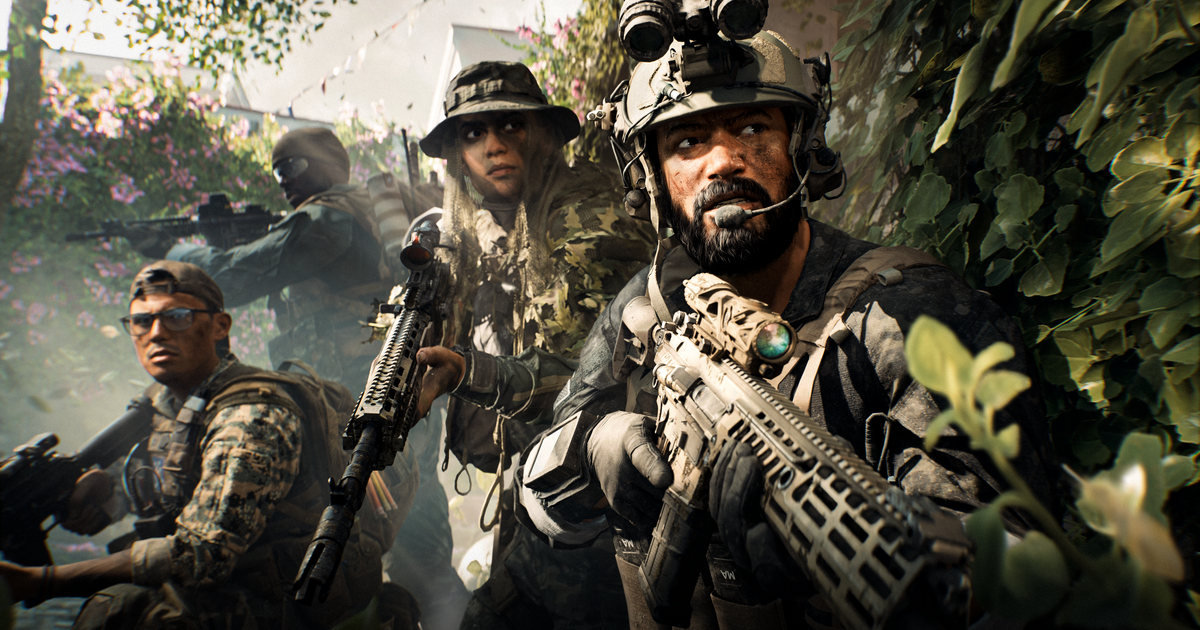
The turning point arrived in May 2022, when the team successfully launched Season One. To reach that milestone, DICE shifted to a rapid-response development cadence, pushing out patches every two weeks. This forced a transition from the traditional, siloed development cycles of the past to a modern "live service" operational model. According to Coutaz, this shift required empowering the staff—giving them the agency to innovate and the agility to respond to real-time player data.
A New Command Structure: The Rise of Battlefield Studios
The recovery effort was bolstered by a significant infusion of leadership talent. By the end of 2021, the franchise had been placed under the stewardship of industry veterans Byron Beede, a former Call of Duty executive, and Respawn Entertainment’s Vince Zampella. Their arrival signaled a clear intent: Battlefield needed a vision, and it needed a structure capable of executing that vision on a global scale.
The most profound realization during this period was that the era of the "single-studio" blockbuster was over. DICE could no longer carry the weight of a massive, multi-faceted shooter alone. The ambition for Battlefield 6—which aimed to integrate complex multiplayer, cinematic single-player, and free-to-play components—required a decentralized, collaborative ecosystem.
Thus, the "Battlefield Studios" model was born. Instead of DICE acting as the sole architect, the workload was distributed across four powerhouse studios: DICE, Criterion, Motive, and Ripple Effect. By bringing these studios into the fold at the inception phase, rather than relegating them to "support studio" roles, the leadership ensured that every team had ownership over their respective domain.

The Logistics of Collaboration: Empowering Distributed Teams
Managing four distinct studios across different time zones is an exercise in complex logistics. For Coutaz, the key was establishing a rigid "vision framework" while allowing for extreme flexibility in execution.
"There is team ownership, otherwise this powerful model of four studios behind one single vision wouldn’t work," Coutaz explains. The leadership team provided the overarching creative intent, but the individual studios were empowered to innovate within their specific responsibilities. For instance, Ripple Effect—which had previously proven its capability by developing the innovative Battlefield Portal mode—was given the freedom to iterate on core gameplay systems.
This model of "interoperability" allowed the team to move faster. By decentralizing the creative process, DICE avoided the bottlenecking that had crippled the development of previous iterations. It was a move that prioritized speed and local expertise over top-down micromanagement.
By the Numbers: A Commercial and Critical Renaissance
The success of this strategy is evident in the hard data. Battlefield 6 has shattered the negative momentum of its predecessor. With over seven million copies moved within the first 72 hours of release, the title has proven that player trust can be rebuilt, provided the product meets the high bar of the modern market.

The game’s status as the best-selling title of 2025 in the U.S. is not merely a statistical victory; it is a validation of the "comeback" narrative. However, Coutaz is quick to point out that these numbers are a result of listening—not just to the market, but to the community. The roadmap for future seasons, including the highly anticipated Naval Warfare content for Season Four, reflects a development team that is in constant dialogue with its audience.
The New Frontier: Competition and Evolution
Despite the current success, the environment in which Battlefield operates has changed forever. The market is no longer dominated solely by the duopoly of Call of Duty and Battlefield. Smaller, agile developers such as Arrowhead (creators of Helldivers 2) and Embark (founded by DICE veterans) have introduced new expectations regarding community-led content and innovative gameplay loops.
Coutaz maintains a stoic perspective on this competitive landscape. "We wouldn’t make good games if we were chasing our competitors," she asserts. For the team at Battlefield Studios, the focus remains internal: leveraging the massive, ongoing engagement of their player base as a platform for future growth.
However, the road has not been without its challenges. In March, EA implemented an undisclosed number of layoffs across the Battlefield studios, a sobering reminder of the volatility inherent in the industry even during periods of success. Furthermore, the reception of the free-to-play spinoff Battlefield Redsec has been lukewarm, indicating that the brand’s expansion efforts still face hurdles in satisfying the diverse preferences of the gaming public.

Looking Ahead: The Future of the Battlefield
As the team looks past the initial success of Battlefield 6, the focus is on sustainability. "Battlefield is a platform," Coutaz notes, suggesting that the game is not a finite product but an evolving ecosystem. The objective is to continue integrating new technology and creative concepts, ensuring that the game remains relevant as a live service while staying true to the "Battlefield identity"—the large-scale, chaotic warfare that fans expect.
The transition from the disaster of 2021 to the triumph of 2025 serves as a case study in corporate resilience. By shedding legacy processes, embracing a multi-studio collaborative model, and—most importantly—fostering a culture that values player feedback over internal assumptions, the developers have successfully navigated a crisis that could have easily spelled the end for the series.
Ultimately, Coutaz sees the current success as a starting point rather than a destination. "We’re preparing ourselves; we have to continue to be better," she concludes. For a franchise that has lived through both its highest highs and its lowest lows, the message is clear: the battle is far from over, but for the first time in years, the momentum is entirely in their favor.
Disclaimer: Alex Forbes-Calvin is a freelance journalist and writer who has previously worked with DICE. This article was written based on recent industry reports and executive commentary.

