

For decades, the Grand Theft Auto series has stood as a titan of the entertainment industry, pushing boundaries, redefining the open-world genre, and frequently inviting controversy. However, few moments in the history of interactive media have been as transformative—or as damaging—as the "Hot Coffee" scandal of 2004.
The discovery of a sexually explicit, hidden minigame within GTA: San Andreas did more than just spark a moral panic; it fundamentally altered how Rockstar Games, and indeed the broader AAA gaming industry, handles its internal development files. According to former Rockstar lead producer John Ricchio, the fallout from that incident created a "scorched earth" policy regarding cut content, ensuring that no stray lines of code or unused assets ever reach the consumer’s hands again.
The Genesis of a Scandal: What Was Hot Coffee?
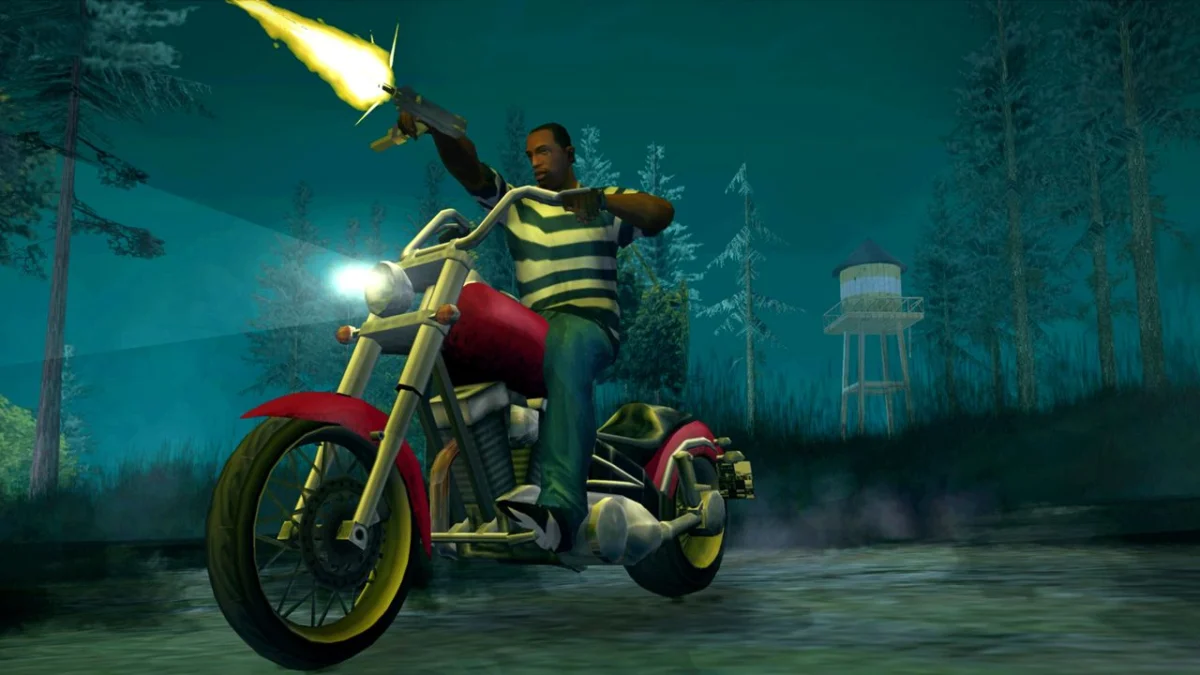
To understand the modern, clinical approach to file management at Rockstar, one must look back at the original Grand Theft Auto: San Andreas. Upon its release in 2004, the title was an unprecedented success, offering players a sprawling, satirical, and hyper-violent version of 1990s California.
However, buried deep within the game’s PC data files lay an interactive, sexually explicit minigame. In the game’s narrative, players could take their girlfriends on dates. If they performed well, they were invited inside for "coffee." The "Hot Coffee" mod, discovered by modder Patrick Wildenborg, revealed that there was originally meant to be a fully playable, crude sexual encounter behind closed doors.
Rockstar Games had, at some point during the development cycle, decided to excise this content—likely to avoid an "Adults Only" (AO) rating from the ESRB, which would have effectively banned the game from sale at major retail chains like Walmart and Target. However, rather than performing a "surgical strike" to remove the assets, the developers simply disabled access to the code. By leaving the files on the disc, they inadvertently left a loaded gun for the modding community to find.
Chronology of the Fallout
The discovery of the hidden files in 2005 triggered a chain reaction that moved quickly from technical curiosity to political theater:
- June 2005: The "Hot Coffee" mod is released, allowing players to access the hidden minigame.
- July 2005: Senator Hillary Clinton and other politicians demand a federal investigation, labeling the game a "deceptive" product.
- August 2005: The ESRB officially re-rates GTA: San Andreas from "Mature" (M) to "Adults Only" (AO), effectively forcing a total product recall.
- Late 2005: Rockstar Games is forced to release a "clean" version of the game, stripping the code entirely and re-submitting it for an M rating.
- 2006-2009: A wave of class-action lawsuits follows, resulting in a multi-million dollar settlement. The damage to Rockstar’s brand reputation and bottom line was substantial.
The "Scrubbing" Philosophy: Insights from John Ricchio
In a recent appearance on the Kiwi Talkz podcast, former Rockstar lead producer John Ricchio provided a rare window into the internal culture that emerged from this crisis. The fear of having "leftovers" on the disc became an institutional mandate.
"One of the things after Hot Coffee, obviously having things on the disc is dangerous," Ricchio explained. "You don’t want to necessarily have stuff on the disc that people can find."
This fear is not merely about potential lawsuits; it is about protecting the integrity of the release and avoiding the "death by a thousand cuts" that comes with data mining. Today, Rockstar employs rigorous, multi-layered protocols to "strip everything that is not included out of the game." If an idea is scrapped during the development of a Grand Theft Auto or Red Dead Redemption title, it is treated as a liability. The studio’s engineers now prioritize the total eradication of orphaned code, ensuring that even if a curious user digs through the installation directory, they will find nothing but the intended retail experience.
The Technical Burden of Modern Development
While the "Hot Coffee" policy protects the company, it also highlights the increasing complexity of game development. Modern games are massive, multi-terabyte architectures built on years of iteration. In the era of the PlayStation 2, code was relatively simple to track. In the era of GTA 6, the amount of data is staggering.
Ricchio noted that reusing assets or code from previous projects is rare at Rockstar, largely because the underlying technology shifts so dramatically between generations. While there have been exceptions—such as GTA 4 utilizing some level design elements that originated in previously canceled, unannounced projects—the standard practice is to build fresh.
This creates a paradox: while the industry has become more transparent in some ways, the internal "cutting room floor" of a studio like Rockstar has become a black box. The intense focus on sanitizing game files means that we are unlikely to see the kind of fascinating "archaeology" that occurred with San Andreas, where fans were able to piece together the history of the game’s development through its own hidden files.
Implications for the Industry
The Hot Coffee incident served as a "coming of age" moment for the video game industry. As former Xbox executive Peter Moore famously noted, the controversy signaled that games were no longer just toys for children; they were a dominant cultural force, subject to the same scrutiny, regulation, and moral debate as cinema and music.
1. Regulatory Maturity
The forced re-rating of San Andreas proved that the ESRB and government bodies had the teeth to impact the bottom line of the world’s biggest developers. It forced Rockstar to shift from a "rebellious teenager" mentality to that of a professional, highly regulated corporate entity.
2. The Death of the "Easter Egg" Archive
In the pre-Hot Coffee era, developers often left "junk" in their games—assets that were too hard to remove without breaking the game’s build. Today, the risk of data miners finding unfinished or controversial content is too high. This has led to the "sanitization" of game builds, where developers spend significant man-hours ensuring that what you see is all that exists.
3. Protection of Intellectual Property
Beyond the risk of scandal, the modern policy is also about protecting trade secrets. With the rise of sophisticated data mining, "leaks" have become a constant threat to marketing cycles. By ensuring that no extraneous code remains in a build, studios like Rockstar effectively lock their doors against digital intruders, ensuring that unannounced features or future content remain safely under wraps until the marketing team is ready to pull the curtain back.
Conclusion: A Lesson Learned in Code
The ghost of the Hot Coffee scandal still haunts the halls of Rockstar Games. While the incident is now two decades old, its impact remains written into the very architecture of their software. It turned a generation of developers into archivists of their own secrets, determined to ensure that what stays in the cutting room, stays in the cutting room.
As we look toward the horizon for the next massive installment in the Grand Theft Auto franchise, one thing is certain: the code will be clean. Rockstar has learned that in the modern digital age, the most dangerous thing a game can contain isn’t a controversial scene—it’s the remnants of a scene that was never supposed to be found in the first place. The studio’s evolution from the wild, experimental days of the early 2000s to the calculated, precision-engineered behemoth it is today serves as a masterclass in how a single, explosive mistake can redefine the culture of a creative giant.

