

In the rapidly shifting landscape of modern multiplayer gaming, the term "live service" has increasingly become a shorthand for "expiring." When a studio announces it can no longer support a title, the industry standard is a silent, inevitable death: servers go dark, digital storefronts are shuttered, and a once-vibrant community is left with nothing but memories and a library of non-functional software. However, a surprising, industry-defying reversal has occurred for the social-stealth shooter Deceive Inc.
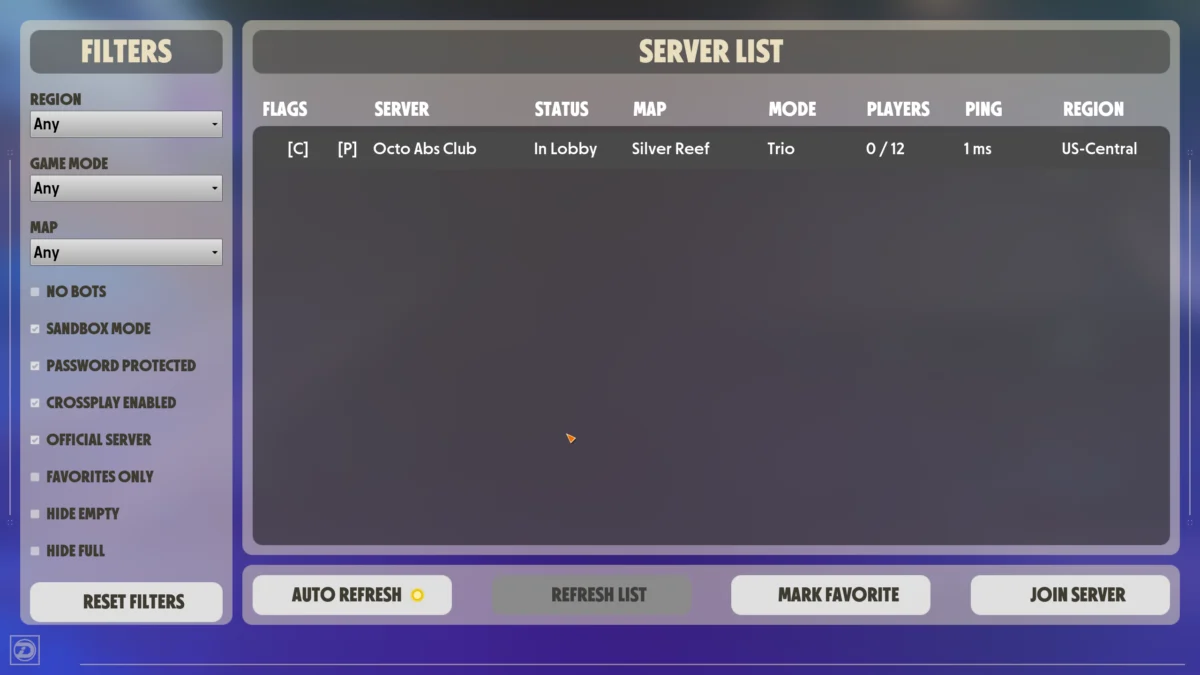
In a move that has stunned the gaming community, Deceive Inc.—a title that faced the grim reality of studio closure—is being resurrected not through a sequel or a publisher buyout, but through a radical technical pivot. The game is undergoing a massive backend overhaul to transition from centralized developer-managed infrastructure to a community-hosted model. This transformation ensures that, regardless of the developer’s corporate status, the game will remain playable in perpetuity.
The Rise and Fall of a Cult Classic
To understand the significance of this transition, one must first look at the trajectory of Deceive Inc. Developed by Sweet Bandits Studios, the game launched as a unique proposition in the competitive shooter market. It offered a high-stakes, "competitive Hitman" experience where players acted as spies infiltrating high-security locations, blending into crowds, and using an array of gadgets to outsmart both AI guards and rival human players.
Upon its release, Deceive Inc. was met with genuine critical acclaim. It captured a niche but deeply passionate audience who appreciated its complex social stealth mechanics and the high-skill ceiling of its gunplay. For over a year, the title received consistent seasonal updates, a steady stream of content, and a nurturing hand from Sweet Bandits.
However, the reality of the market eventually caught up with the title. In December 2024, the harsh economic realities of the games industry forced Sweet Bandits to close its doors. The studio’s farewell message to its players was one of profound disappointment, citing the "long and difficult road" of trying to keep the game commercially viable. At that moment, it seemed that Deceive Inc. was destined to be another forgotten statistic in the graveyard of failed live service games.

Chronology of a Resurrection
The journey from "dead" game to a preserved, community-driven project is a rare narrative arc. Following the studio closure, the game remained in a state of limbo. While the servers stayed active, there was no long-term plan for maintenance, leaving players in a state of perpetual uncertainty.
The pivotal moment in this timeline arrived in July 2024, when an unexpected update appeared on the game’s Steam page. This was not a content patch, but a technical manifesto. The announcement, released under the banner of the game’s remaining stakeholders, clarified that the game would not be allowed to "quietly disappear."
The core of this project involves a total reconstruction of the game’s backend. By decoupling the game from the original, unsustainable centralized servers, the team is building the architecture for community-hosted dedicated servers. This transition represents an immense engineering effort, as the original infrastructure was deeply intertwined with the game’s progression, matchmaking, and authentication systems.
The Engineering Challenge: Why This Matters
The shift from centralized servers to community-hosted architecture is not a trivial task. In the modern era of "Games as a Service," the vast majority of titles are built with proprietary, closed-source backend technology. When a studio closes, these systems are often left as black boxes that no one can access or replicate.
The developers behind the Deceive Inc. update explained the gravity of this undertaking in their recent correspondence: "Replacing the backend for a live multiplayer game means rebuilding much of the technology that players never normally see. This touches nearly every part of how players find matches, join servers, manage progression, unlock content, and more."

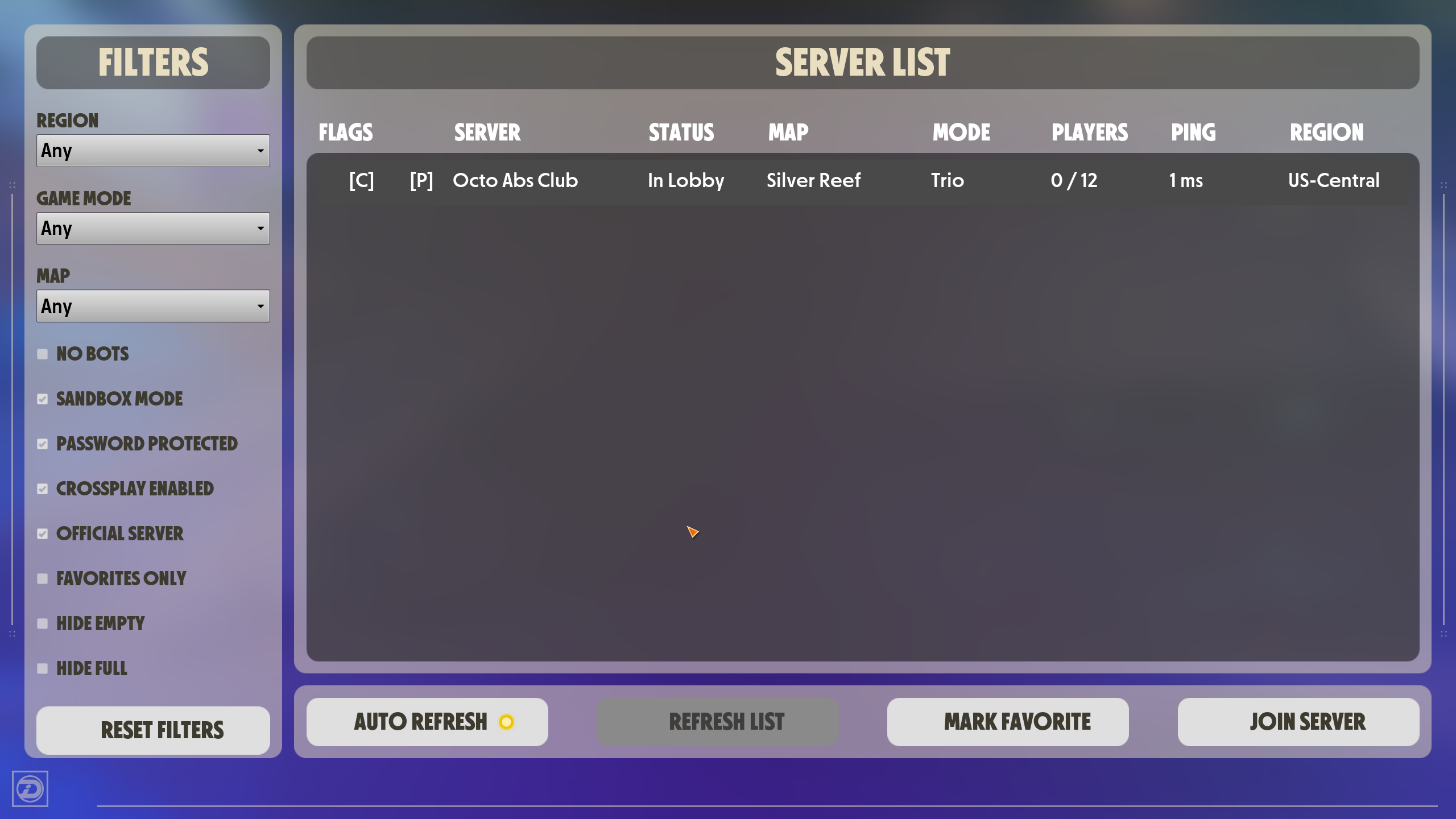
This is essentially an "open-heart surgery" for a video game. By building a dedicated server application that can be distributed to the community, the team is effectively decentralizing the game’s existence. Once this migration is complete, players will no longer be reliant on a single company’s server farm to play. They will be able to host their own matches, browse community-run servers via an in-game browser, and ensure that their hard-earned progress and unlocks remain intact despite the radical shift in the game’s underlying technology.
Official Responses and Transparency
The communications from the team behind the transition have been notably transparent and measured. They have been clear about their priorities: the current focus is purely on the stability of the migration. Consequently, they have requested patience from the community, noting that there is "very little room to incorporate extra feedback or requests" while this massive technical overhaul is in progress.
This approach marks a departure from the usual "PR-speak" that accompanies game updates. There is no attempt to hype up new skins or seasonal maps; the goal is survival and preservation. By focusing exclusively on the technical feasibility of the new infrastructure, the team is providing the community with a sense of security that is almost unheard of in the current industry climate.
Implications for the Industry
The "Deceive Inc. Model" serves as a potential blueprint for other studios and publishers. As the industry faces a period of correction, with mass layoffs and studio closures becoming increasingly frequent, the question of "game ownership" and "game preservation" has moved to the forefront of the public discourse.
1. The Death of "Always-Online" Obsolescence
Most live service games are currently designed to be inherently temporary. By proving that a game can be salvaged through community hosting, Deceive Inc. challenges the notion that server-side requirements are a valid excuse for the permanent deletion of a product. If a small team can rebuild a backend to ensure survival, larger publishers with more resources have little excuse for turning off the lights on their own aging titles.
2. The Role of Modding and Longevity
The update also promised to remove "as many technical barriers to modding as we reasonably can." This is the final piece of the puzzle. By handing the keys to the community, the developers are not just ensuring the game stays online—they are inviting the community to curate and evolve the game. This could lead to a thriving, player-driven ecosystem that persists long after the original creators have moved on to other projects.
3. A New Standard for Consumer Trust
Consumers are becoming increasingly wary of purchasing games that require an active server connection to function. This development creates a new benchmark for trust. If a game’s documentation or roadmap includes a "preservation plan" or a commitment to community-hosted infrastructure in the event of a studio shutdown, it becomes a significantly more attractive purchase for the savvy gamer.
Conclusion: A Future in the Hands of the Players
Deceive Inc. was never designed to be a mass-market behemoth. Its design was too intricate, its premise too strange, and its mechanics too demanding for the casual, mainstream gaming audience. Yet, it was precisely these qualities that cultivated such a loyal, dedicated community.
The decision to preserve the game is a victory for the preservation of digital culture. It acknowledges that the value of a game is not merely in its quarterly revenue, but in the community that builds around it. By ensuring the game remains in the hands of the players, the developers have done something truly revolutionary: they have treated their game not as a disposable product, but as a piece of software worthy of enduring life.
As the industry continues to grapple with the instability of the live service model, the story of Deceive Inc. will likely be cited as a beacon of hope. It stands as a reminder that when the corporate interests fade, the passion of the developers and the dedication of the players can—and should—find a way to keep the game alive. Long live Deceive Inc.

