

By Global Gaming Chronicle
Published: November 2024
Main Facts
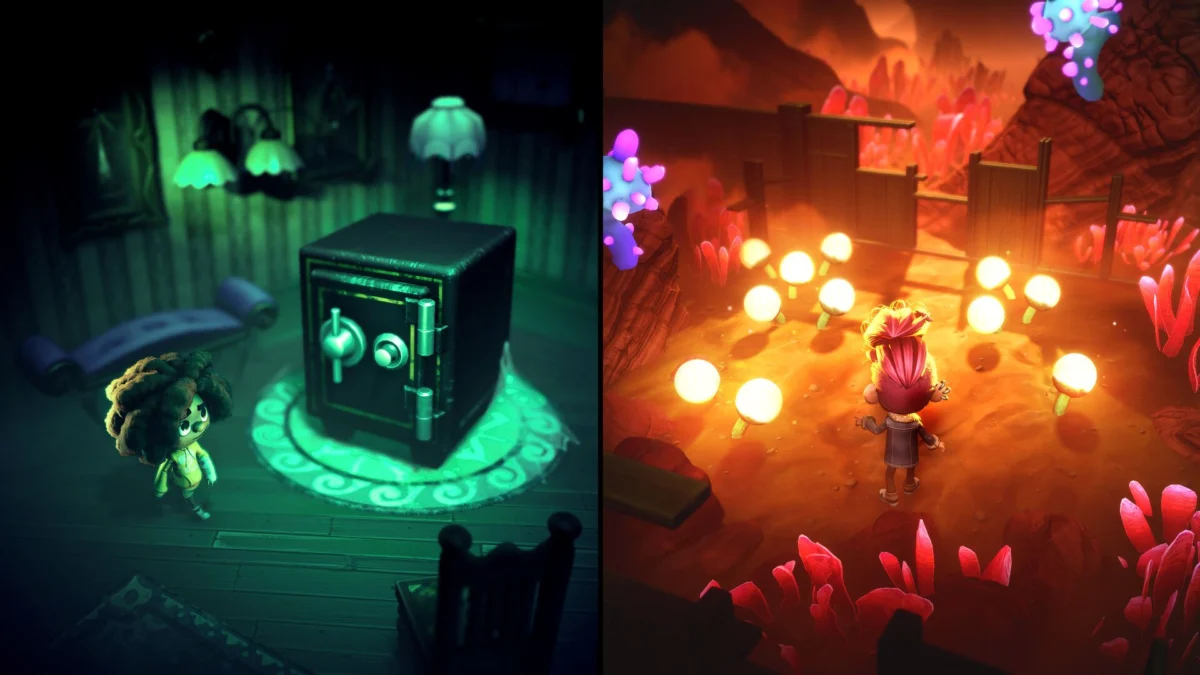
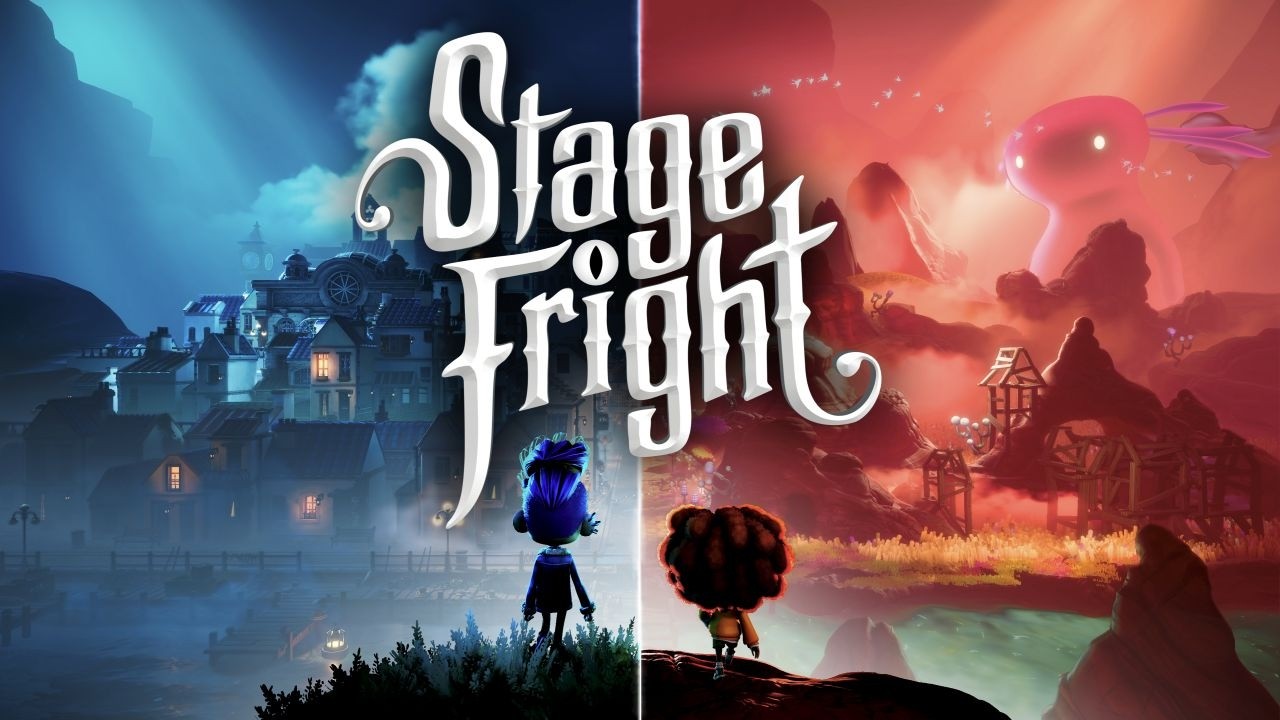
Ghost Town Games, the acclaimed development studio behind the famously chaotic cooperative hit Overcooked, is pivoting toward a vastly different emotional landscape with its upcoming title, Stage Fright. Published by No Man’s Sky creator Hello Games, Stage Fright is a cooperative adventure designed to foster collaboration and relationship-building rather than test the limits of interpersonal patience.
While Overcooked earned a notorious reputation globally—even being colloquially dubbed "The Divorce Kitchen" in regions like China for its ability to fracture friendships through frantic time management—Stage Fright aims to mend those fractures. The game drops two players into the roles of young children navigating a Luigi’s Mansion-esque atmospheric mystery. Together, they must solve puzzles, evade looming environmental threats, and unravel a narrative entirely through verbal communication.

Crucially, the development team is retaining the low-barrier, accessible mechanics that made their previous work household names. Eschewing complex controller layouts, tedious inventory management systems, and abstract puzzle-solving, Stage Fright keeps its mechanics tactile and immediate. Furthermore, the studio is introducing an innovative split-screen online multiplayer framework designed to artificially recreate the intimate feeling of sitting next to a partner on a living room couch.
Chronology
The journey from the frantic frying pans of Overcooked to the wholesome spooks of Stage Fright spans nearly a decade of game design evolution:
- August 2016: Ghost Town Games releases the original Overcooked. Published by Team17, the title immediately captures the public imagination, entering the pantheon of elite local co-op games. However, it simultaneously earns an underground reputation as a friendship-ruining pressure cooker.
- 2018–2020: Building on the success of the original, the studio releases Overcooked 2 and various compilation packages like Overcooked! All You Can Eat, expanding online capabilities but retaining the core engine of escalating high-stress chaos.
- September 2024: Co-directors and developers Oliver De-Vine and Phil Duncan sit down for an in-depth interview to discuss the studio’s philosophical evolution and the conceptual foundations of their upcoming project, Stage Fright.
- Late 2024: Hello Games reveals the first gameplay trailer for Stage Fright, showcasing its family-friendly spooky aesthetic, split-screen online integration, and a completely reinvented paradigm for cooperative game design.
Supporting Data & Observations
To understand why Stage Fright represents such a stark tonal shift, one must look at how players actually interact with cooperative game design. During public demonstrations and convention playtests for Overcooked, the developers noticed a fascinating dichotomy in player performance that ultimately shaped the core philosophy behind Stage Fright.

According to designer Phil Duncan, groups of players who relied on silence—such as squads of teenage boys laser-focused on their own individual button inputs—would routinely fail levels in catastrophic fashion. Conversely, pairings of casual gamers or younger children—such as an eight-year-old girl playing alongside a friend while chatting incessantly—would breeze through the exact same challenges with absolute ease.
This empirical observation proved that the true bottleneck in modern cooperative gaming wasn’t manual dexterity or controller fluency, but rather the quality and frequency of interpersonal communication. Stage Fright takes this lesson to heart. By eliminating complicated inventory screens and notes-app puzzle-tracking, the game ensures that players are forced to look at each other’s screens, process spatial information verbally, and solve problems as a singular, cohesive unit.
Official Responses and Developer Insights
In interviews discussing the ideological transition from kitchen simulator to narrative adventure, the creative minds behind Ghost Town Games shed light on the psychological intent driving Stage Fright.
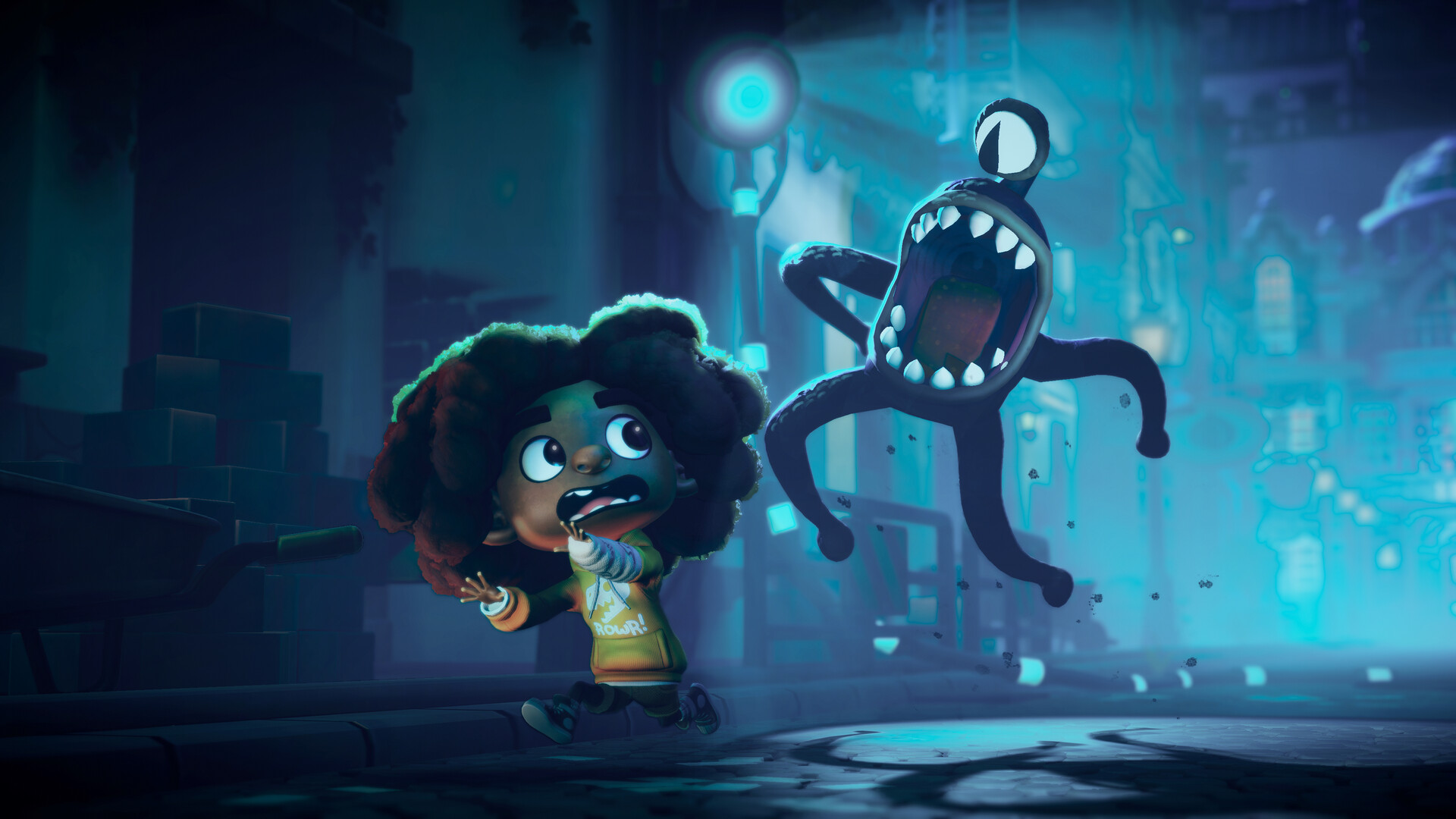
"Overcooked broke you apart and Stage Fright is there to put you back together," explained co-director Oliver De-Vine during a Zoom interview.
De-Vine elaborated on the studio’s broader social ambitions for the project: "I think there’s a sense of us trying to be constructive with co-op, and trying to be a constructive and positive force in the world. Not that there’s anything negative, necessarily, about having a fun argument with your friends! But we’re trying to foster community in our games. [They’re] about communication between people, and less about being very good with the fidelity of a controller."
Addressing the game’s unique technical structure, De-Vine and Duncan emphasized the importance of recreating local couch co-op dynamics even when players are thousands of miles apart.
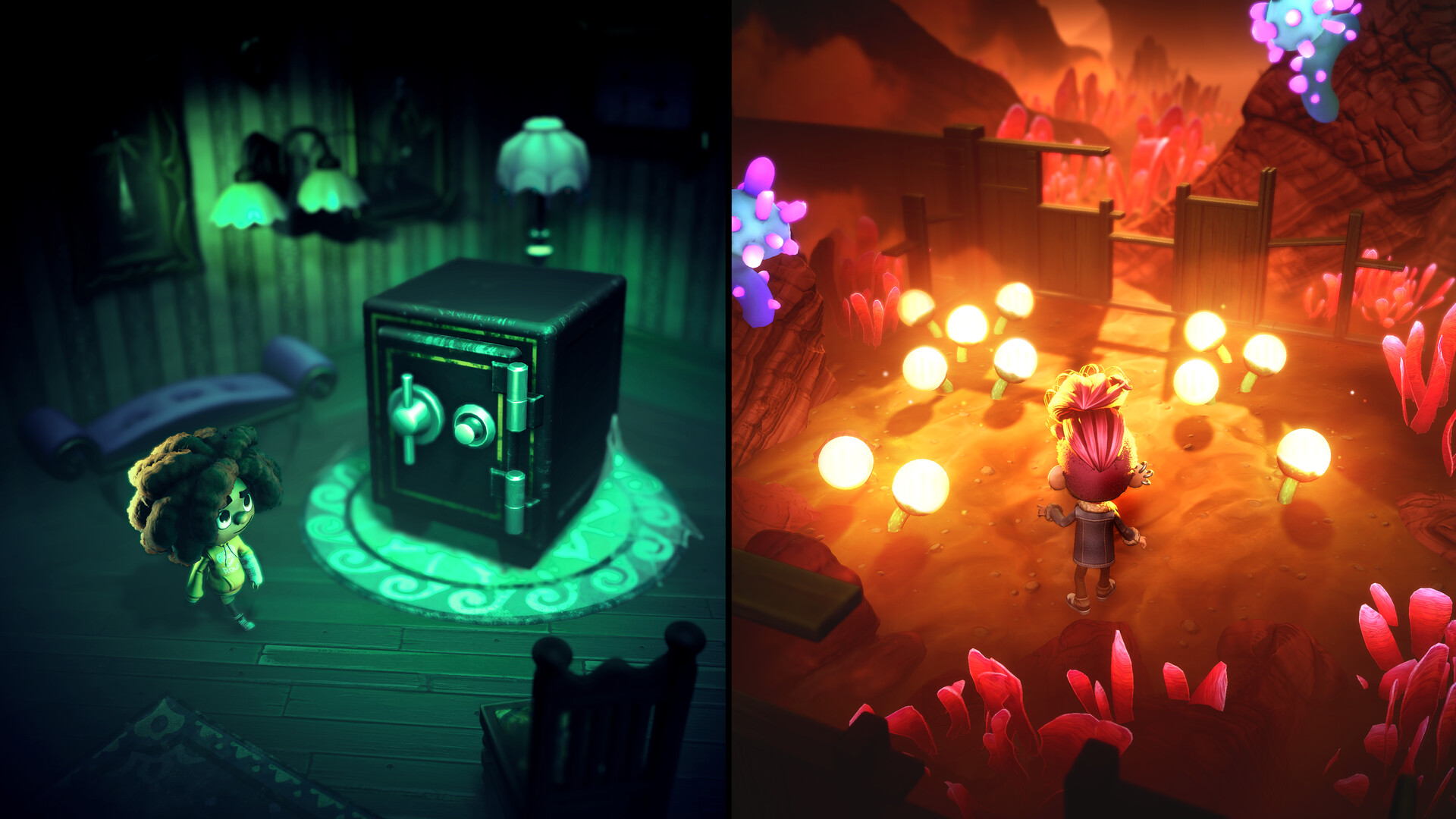
"Even though our game is both local and online, we are trying to make the experience of online as similar to the local experience as possible," De-Vine noted. "So the game is splitscreen online as well, because it does depend on being able to see what the other player is doing and communicate about what they’re seeing in the environment."
Duncan added context to the ideal play scenario: "The ideal situation is that you’re sat next to someone and you’re nudging them and you point at the same thing. So it’s as close as we can get to that online."
Describing the game’s atmospheric tone, De-Vine offered a surprising point of reference while discussing its pacing and structure: "It’s linear in the way that Silent Hill is linear. Which is a weird comparison because it’s not much like it… but you know, imagine family-friendly Silent Hill."
Implications for the Cooperative Gaming Market
The partnership between Ghost Town Games and Hello Games to release Stage Fright signals a maturation within the puzzle-co-op genre. For years, the industry standard for co-op challenges has gravitated toward mechanical friction—punishing timers, resource scarcity, and asymmetric mechanics that intentionally breed friction between participants.
By flipping this formula on its head, Ghost Town Games is staking a claim in a heavily underserved market: cooperative experiences that heal, rather than stress, social bonds. The elimination of traditional video game barriers—such as complex inventory management, isolated single-player puzzles, and digital abstraction—lowers the barrier to entry for non-gamers, parents and children, and long-distance partners alike.
Furthermore, the technical choice to mandate split-screen functionality across online play sessions highlights a growing design philosophy in multiplayer development: preserving the spatial awareness and shared perspective of physical proximity over digital isolation. If Stage Fright successfully bridges the gap between atmospheric adventure and effortless interpersonal communication, it could redefine how developers approach cooperative design for the next decade, proving that games can be genuinely engaging without turning living rooms into battlegrounds.

