

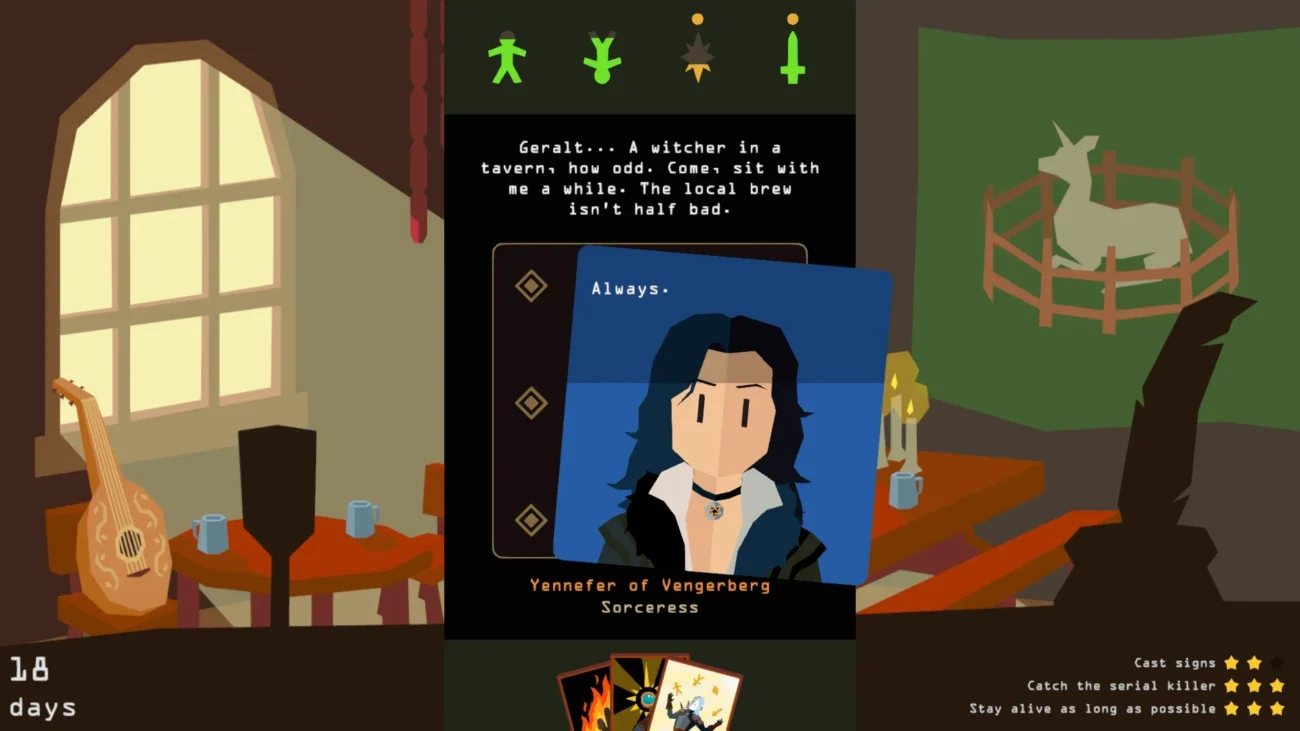
After 13 years of innovative game design and the release of 11 titles, the independent studio Nerial—famed for the Reigns series and the critically acclaimed Card Shark—has officially announced its closure. The studio, which was acquired by publisher Devolver Digital in 2021, is entering what its founders describe as "hibernation mode," marking the end of a notable chapter in the modern indie games landscape.
The announcement, delivered via a heartfelt statement on social media by founders Tamara and François Alliot, signals a total cessation of operations for the studio as an entity. While the doors are closing, the legacy of the team remains intact, even as the industry grapples with a broader, more systemic contraction.
The Chronology of Nerial: From Indie Darling to Acquisition
Nerial’s journey is one that reflects the classic trajectory of the 2010s indie boom. Founded by Tamara and François Alliot, the studio quickly gained a reputation for high-concept, mechanically distinct titles that prioritized narrative depth and experimental interface design.
- 2012–2020: The Formative Years: Nerial established its voice with titles that challenged the boundaries of mobile and PC gaming. The breakout success of the Reigns series, which utilized a "Tinder-like" swipe mechanic to navigate complex monarchical politics, solidified their status as a studio to watch.
- 2021: The Devolver Acquisition: In a move that surprised few, the long-term publishing partner Devolver Digital acquired Nerial. At the time, the deal was seen as a way for the studio to secure resources for more ambitious projects under the umbrella of a publisher known for supporting eccentric and high-quality indie output.
- 2023: The First Signs of Trouble: As the post-pandemic market began to shift, the studio faced its first major hurdle. In 2023, the team was reduced by 40%. Management cited a need to address performance issues regarding recent releases and a requirement to pivot toward a more sustainable team structure for future development.
- 2025: The Final Hibernation: Following two years of mounting fiscal deficits, the founders reached an agreement with Devolver Digital to cease operations entirely, effectively shuttering the studio’s current iteration.
Financial Realities: The Burden of Deficits
While the creative output of Nerial remained consistent in quality, the underlying fiscal data tells a more difficult story. Publicly available records from Companies House reveal a sobering financial reality that contributed to the studio’s decision to cease operations.
The studio reportedly faced two years of "significant trading losses." Financial filings indicate that Nerial suffered a loss of over £800,000 in 2025, following a deficit of nearly £1 million in 2024. These figures paint a picture of a studio that had become increasingly dependent on capital infusions from its parent company, Devolver Digital, to remain afloat.
In an industry where "burn rate" is the primary enemy of innovation, these losses were likely unsustainable. Even with the backing of a major player like Devolver, the cost of development—coupled with a market that has become increasingly saturated and difficult to penetrate—made the continued operation of the studio untenable.
Official Responses: Navigating the Exit
The decision to close was not made in isolation. Both the founders and the parent company have framed this as a necessary, albeit painful, transition.
François Alliot, in an interview with Kotaku, provided insight into the philosophical shift that occurs when an independent studio is absorbed into a larger corporate structure. He noted that while the partnership with Devolver was successful for games like Reigns and Card Shark, the nature of being an "internal studio" altered the creative process.
"Having been bought by Devolver, you become an internal studio, so that means each of our games needs to be a Devolver game," Alliot explained. "And Devolver needs to publish all Nerial games… But it’s like, every time we have to think about what the other wants. And there’s a bit of a second-guessing. I recognize this situation, where you lose a bit of the concentrated energy that you had as a pure indie."
This sentiment captures the "golden handcuffs" dilemma often faced by independent creators. The safety of a publisher-backed environment can sometimes come at the cost of the agility and singular vision that made the studio successful in the first place.
Devolver Digital, for its part, has retained the rights to Nerial’s existing intellectual property (IP), including the Reigns franchise. This ensures that while the studio is no longer developing new content, the existing library will remain accessible and supported.
The Industry Context: A Macro View of the Crash
Nerial’s closure is far from an isolated incident. It occurs within a broader climate that industry analysts have termed a "post-COVID correction." The gaming industry is currently navigating a perfect storm of challenges:

- Market Saturation: The barrier to entry for digital distribution platforms has never been lower, but the cost of standing out has never been higher. Thousands of games are released annually, making it difficult for even high-quality titles to find a sustainable audience.
- The "AI" Factor: François Alliot pointedly mentioned the impact of artificial intelligence on the industry, noting that "AI is sucking all the air out of the room." Whether through the displacement of creative labor or the inundation of automated content, the perception of a devalued creative landscape is weighing heavily on veteran developers.
- Capital Contraction: The era of "cheap money," where investors were pouring capital into any studio with a decent pitch, has ended. The current environment demands immediate profitability, a goal that is notoriously difficult for creative, experimental studios to meet.
Future Implications: What Happens Next?
The nine employees remaining at Nerial, including the founders, are now transitioning to new opportunities. Tamara and François Alliot have expressed a desire to "return to their roots." This implies a future where they may operate as smaller, independent entities—perhaps avoiding the pressures of a larger corporate acquisition in favor of a leaner, more agile model.
For the staff, the founders have offered glowing endorsements, urging other studios to hire the team members who helped build such a unique brand. Alliot also expressed hope that he might work with his former team as independent contractors in the future, though he admitted that, currently, he is not in a position to retain them as salaried employees.
For the gaming community, the loss of Nerial serves as a reminder of the fragility of independent studios. Even a studio with a strong brand, a loyal following, and a major publisher can find itself unable to weather the harsh economic winters of the modern gaming industry.
As the industry continues to consolidate and shift, the story of Nerial will likely be studied as a case study in the complexities of the acquisition model. It raises a critical question for the future: Can the "pure indie" spirit be preserved when a studio enters the corporate fold, or is there an inherent incompatibility between the needs of a conglomerate and the needs of a small, experimental team?
For now, the Nerial team is taking a step back to reflect. They are closing their current chapter to avoid the burnout of constant corporate second-guessing, searching for a way to recapture the creative freedom that defined their early years. Whether they will return with a new, independent venture remains to be seen, but their legacy in the indie space is already well-cemented.
Summary of Key Data Points
- Studio Tenure: 13 years
- Total Games Published: 11
- Current Staff: 9 employees
- 2024 Financial Loss: Nearly £1 million
- 2025 Financial Loss: Over £800,000
- Acquisition Status: Nerial was acquired by Devolver Digital in 2021; Devolver retains all IP rights.

