

North Lauderdale, Florida – Federal agents have apprehended a 21-year-old Florida man, Zyaire Dontaevious Zamarion Wilkins, in connection with an elaborate cybercrime operation that allegedly embedded malware into popular video games distributed via a major digital platform, leading to the theft of at least $220,000 in cryptocurrency from unsuspecting users. Wilkins, of North Lauderdale, was arrested on Tuesday and charged with conspiracy to obtain information by computer for private financial gain, marking a significant development in an ongoing FBI investigation into a series of malicious software incidents targeting the gaming community.
According to a detailed 15-page criminal complaint first brought to light by WPLG Local 10, the Federal Bureau of Investigation (FBI) alleges Wilkins played a pivotal role in a sophisticated scheme that operated between May 2024 and February 2026. This operation saw malicious code discreetly integrated into eight seemingly innocuous video games, which were then distributed to a wide audience. The malware is believed to have infected approximately 8,000 devices, ultimately compromising around 80 cryptocurrency wallets and siphoning off a substantial sum. Investigators successfully traced the stolen Bitcoin, leading them through a digital maze of over 150 gift card purchases—predominantly for Uber Eats—a critical breadcrumb that ultimately pointed to Wilkins.
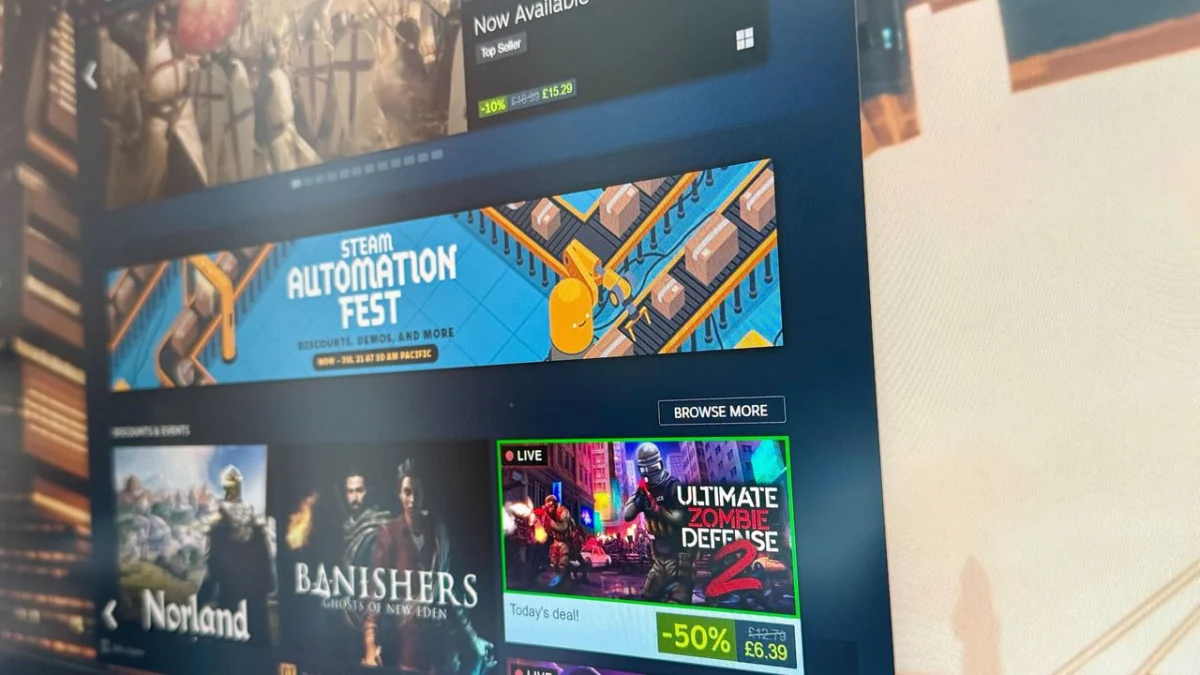
While the complaint meticulously avoids naming the specific "popular digital distribution software company," the list of implicated games—including BlockBlasters, Dashverse, Lunara, and PirateFi—directly corresponds to titles identified when the FBI initiated its public appeal for victims of infected Steam games in March. The case is currently being prosecuted in Seattle federal court, a jurisdiction strategically located near Valve’s headquarters in Bellevue, Washington, underscoring the platform’s central, albeit indirect, role in the incident. Wilkins’ arrest represents the first publicly reported breakthrough in this extensive investigation, shining a light on the increasing vulnerability of digital gaming ecosystems to financially motivated cybercriminals.
Chronology of the Cybercrime: From Inception to Apprehension
The alleged cybercrime enterprise orchestrated by Wilkins and his co-conspirators demonstrates a calculated and multi-faceted approach, evolving over nearly two years before federal agents made their first public arrest.
May 2024: The Genesis of the Scheme
The timeline of this sophisticated operation reportedly began in May 2024. At this point, the groundwork for embedding malicious software into video games was laid. While Wilkins is alleged to have financed and marketed the malware, rather than writing the code himself, this initial phase would have involved the procurement or development of the core malicious payload. Local 10 reports that federal agents had already searched the home of an unidentified developer believed to have engineered the programs. This suggests a division of labor within the conspiracy, with technical expertise residing with one party and financial/promotional prowess with another. Signal chats reportedly seized from the developer’s residence proved crucial, allegedly tying Wilkins, operating under the digital handle "Sibel.eth," to a significant $10,000 purchase of a remote access trojan (RAT) and discussions surrounding strategies to manipulate victims into inadvertently approving transactions that would empty their cryptocurrency wallets. The developer, though identified by investigators, has not yet been publicly named or charged in connection with the complaint.
Distribution and Targeting: The Digital Campaign
Once the malware was developed and integrated into the video games, the conspirators embarked on a targeted distribution and promotion campaign. This wasn’t a random, shotgun approach; rather, it was a deliberate effort to ensnare high-value targets. The complaint details the use of prominent social and communication platforms such as Discord, Telegram, X (formerly Twitter), and LinkedIn to promote the infected games. Critically, the operation also leveraged automated bots designed to identify and directly message users possessing substantial cryptocurrency holdings. This strategic targeting helps explain the reported hit rate: while 8,000 devices were infected, approximately 80 wallets were drained, indicating a precise selection process for the final stage of the theft.
September 2025: A Heartbreaking Loss
The human cost of this digital predation became starkly evident in September 2025 with the incident involving a Twitch streamer. As reported by cybersecurity researchers ZachXBT and vx-underground, the game BlockBlasters alone is estimated to have siphoned over $150,000 from between 261 and 478 victims. Among these was a particularly egregious case where a Twitch streamer lost $32,000 in donated funds intended for cancer treatment. This specific incident not only highlighted the financial devastation wrought by the malware but also underscored the malicious indifference of the perpetrators, who seemingly targeted individuals regardless of their personal circumstances or the source of their funds.
February 2026: End of the Operation, Start of the Hunt
The alleged malware operation is believed to have continued actively until February 2026. By this point, the scheme had accumulated a significant illicit fortune, with total reported losses exceeding $220,000. However, the digital trail of stolen Bitcoin, often perceived as untraceable, was beginning to coalesce into actionable intelligence for law enforcement.
March 2026: FBI Seeks Victims
The scale and impact of the malware operation became publicly apparent in March 2026 when the FBI issued a broad appeal, actively seeking victims of infected Steam games. This public outreach indicated that federal agents had already identified a pattern of similar incidents and linked them to specific game titles, even if the full scope of the conspiracy and its key players were still under wraps.
A Week Prior to Arrest: The North Lauderdale Raid
The culmination of months of meticulous digital forensics and traditional investigative work occurred approximately one week before Wilkins’ arrest. Federal agents executed a search warrant at his North Lauderdale residence. During this raid, investigators seized several electronic devices and, crucially, three cryptocurrency wallet seed phrases, one of which was for a Monero wallet. Seed phrases are recovery keys that grant full access to a cryptocurrency wallet, providing direct evidence of ownership and control over digital assets.
The Arrest: July 15, 2026
Zyaire Dontaevious Zamarion Wilkins was formally arrested on Tuesday, July 15, 2026, marking a significant milestone in the investigation. He was scheduled to appear in Fort Lauderdale federal court on the same day. His apprehension represents the first public arrest in this complex case, signaling that law enforcement is closing in on those responsible for exploiting the trust of the gaming community.
Supporting Data and Technical Disclosures
The success of this cybercrime operation, and subsequently the FBI’s ability to dismantle it, hinges on several key technical aspects and the digital footprints left behind.
The Malicious Payload: Remote Access Trojans (RATs) and Crypto Drainers
The complaint alleges Wilkins’ involvement in the purchase of a Remote Access Trojan (RAT) for $10,000. A RAT is a type of malware that, once installed on a victim’s computer, allows an attacker to remotely control the system. This can include accessing files, monitoring activity, installing additional software, and, critically in this context, interacting with cryptocurrency wallets. The discussions in Signal chats about "tricking victims into approving transactions that emptied their wallets" suggest that the malware likely wasn’t a simple automated drainer. Instead, it might have involved tactics like displaying fake approval prompts, intercepting legitimate transaction requests, or using the RAT to directly manipulate the user interface of wallet software, coercing users into authorizing transfers under false pretenses. This sophisticated approach bypasses some standard security measures and requires a higher degree of user interaction, explaining the lower "hit rate" compared to broader, less targeted malware.
Blockchain Forensics: Following the Bitcoin Trail
One of the most compelling aspects of the investigation is the FBI’s success in tracing the stolen Bitcoin. While cryptocurrencies like Bitcoin offer a degree of anonymity through pseudonymous addresses, every transaction is immutably recorded on a public ledger (the blockchain). Sophisticated blockchain forensics tools and techniques allow investigators to follow the flow of funds, even if they pass through multiple wallets or mixers designed to obscure their origin. In this case, the breakthrough came when the stolen Bitcoin was traced to Bitrefill, a service that allows users to purchase gift cards with cryptocurrency. The purchase of over 150 gift cards, predominantly for Uber Eats, provided the crucial link from the digital realm to the physical world.
Digital Breadcrumbs: Uber Eats and University Addresses
The decision by the conspirators to convert stolen cryptocurrency into tangible goods and services, specifically Uber Eats gift cards, proved to be their undoing. A subpoena issued to Uber allowed agents to match the purchased gift cards to an account that had deliveries made to Wilkins’ family home address in North Lauderdale and his addresses while attending the University of West Florida. This direct linkage of digital activity to physical locations and personal identities is a classic method for law enforcement to unmask cybercriminals. The seizure of cryptocurrency wallet seed phrases during the search of Wilkins’ home further solidified the evidence, providing direct access or proof of ownership over illicit funds. Wilkins’ personal transaction history, showing $382,000 in cryptocurrency sent or received, provides an additional layer of financial evidence supporting the charges against him. The discrepancy between the $220,000 stolen and Wilkins’ $382,000 transaction history could indicate his involvement in other illicit activities, personal investments, or a broader scope of the conspiracy not yet fully detailed.
Official Responses and Broader Implications
This case is not an isolated incident but rather a symptom of a growing trend in cybercrime, particularly within the gaming sector, and it raises significant questions about platform security and user responsibility.
FBI’s Stance and Ongoing Investigation
The arrest of Zyaire Wilkins underscores the FBI’s unwavering commitment to combating sophisticated cybercrime, even when it involves the complex and often obscure world of cryptocurrencies. The agency’s proactive call for victims in March demonstrates its dedication to not only apprehending perpetrators but also to understanding the full scope of damage and potentially aiding those affected. The prosecution of this case in Seattle federal court, near Valve’s headquarters, signals a clear message that law enforcement is taking these threats seriously and is willing to pursue them in jurisdictions relevant to the affected platforms. This arrest serves as a warning to other cybercriminals that digital anonymity is not absolute, and digital footprints can lead to real-world consequences.
Valve/Steam’s Role and Platform Accountability
While the official complaint carefully avoids naming the distribution platform, the context strongly points to Steam. Valve, the company behind Steam, operates one of the largest and most popular digital storefronts for PC games globally. With millions of users and tens of thousands of games, the platform faces an immense challenge in vetting every title and ensuring the security of its ecosystem. The article notes that Steam has experienced a "steady run of malware incidents over the past two years," including the infamous Chemia Early Access game that shipped with three strains of malware.
These recurring incidents place significant pressure on Valve to enhance its security protocols, developer vetting processes, and content moderation. While the platform provides an invaluable service to gamers and indie developers alike, the ease with which malicious actors can exploit it for financial gain is a growing concern. As of the publication of the original report, Valve had not responded to Local 10‘s request for comment. This silence, while understandable during an active investigation, highlights the delicate balance between maintaining an open platform and ensuring robust security against evolving threats. The lack of a robust, public statement from Valve following such a high-profile arrest related to malware on its platform may further erode user trust and invite scrutiny from cybersecurity experts and regulatory bodies.
Preventative Measures for Users
The implications for individual users are profound. This case serves as a stark reminder of the dangers lurking within seemingly legitimate digital content. Gamers and cryptocurrency holders must adopt stringent security practices:
- Scrutinize Developers: Be wary of new, unverified developers, especially those offering games for free or at suspiciously low prices. Research their history and reviews.
- Hardware Wallets: For significant cryptocurrency holdings, hardware wallets (cold storage) offer superior security by keeping private keys offline.
- Two-Factor Authentication (2FA): Enable 2FA on all gaming accounts, cryptocurrency exchanges, and wallets.
- Software Updates: Keep operating systems, antivirus software, and all applications updated to patch known vulnerabilities.
- Beware of Unsolicited Messages: Be extremely cautious of direct messages or promotional content on social media (Discord, Telegram, X, LinkedIn) that encourage downloading games or interacting with unfamiliar links, especially those promising free crypto or exclusive access.
- Verify Transactions: Always double-check the details of any cryptocurrency transaction before approving it. Malware can sometimes alter recipient addresses or amounts.
- Backup Seed Phrases Securely: Store cryptocurrency wallet seed phrases offline and in a secure location, never digitally.
Implications and Future Outlook
The arrest of Zyaire Wilkins is more than just a single legal action; it carries broader implications for the future of cybersecurity, platform accountability, and the fight against financially motivated cybercrime in the digital age.
Legal Precedent and Deterrence
Wilkins faces up to 10 years in federal prison if convicted. Such a substantial sentence, if imposed, could serve as a powerful deterrent to others contemplating similar schemes. This case, prosecuted in federal court, highlights the serious view law enforcement takes on cybercrimes that exploit digital platforms and defraud individuals of their assets. The focus on "conspiracy to obtain information by computer for private financial gain" underscores the intent and premeditation involved, which typically leads to harsher penalties. Furthermore, the successful tracing of cryptocurrency and linking it to physical actions provides a template for future investigations, eroding the perceived invincibility of cybercriminals operating under the veil of digital anonymity.
Evolving Cybersecurity Landscape
This incident is a clear indicator that gaming platforms are no longer just arenas for entertainment; they are increasingly targets for sophisticated criminal enterprises. The convergence of gaming with valuable digital assets like cryptocurrencies creates a lucrative environment for malicious actors. The methods used in this case—social engineering, targeted outreach, and embedding malware in seemingly legitimate software—represent a growing trend that cybersecurity professionals must continuously counter. The ease of distribution through widely trusted platforms makes these attacks particularly insidious and difficult for average users to detect.
Platform Accountability and Industry Standards
The recurring nature of malware incidents on platforms like Steam raises critical questions about platform accountability. While it’s challenging for any platform to police every piece of content, especially with the sheer volume of games released, there’s an increasing expectation for robust security vetting, faster detection mechanisms, and transparent communication with users when breaches occur. This case may spur greater regulatory scrutiny or prompt industry-wide efforts to establish higher security standards for digital distribution platforms, potentially leading to more rigorous developer onboarding processes, automated malware scanning, and quicker removal of malicious content.
Consumer Trust and Digital Commerce
Incidents of this nature inevitably erode consumer trust. Gamers who rely on platforms like Steam for their entertainment may become more hesitant to download new or indie titles, fearing hidden dangers. Similarly, the broader cryptocurrency community, which is still striving for mainstream acceptance, faces setbacks when high-profile thefts occur, regardless of the security of the underlying blockchain technology. Rebuilding and maintaining this trust requires a concerted effort from both law enforcement and platform providers to demonstrate a commitment to user safety and security.
The Global Reach of Cybercrime
While Wilkins was arrested in Florida and the case is being heard in Seattle, the nature of cybercrime means its reach is global. Victims could be anywhere, and the developer of the malware could reside in another country. This highlights the ongoing challenges for international law enforcement cooperation in tracking, apprehending, and prosecuting cybercriminals who operate across borders.
In conclusion, the arrest of Zyaire Dontaevious Zamarion Wilkins represents a significant victory in the ongoing battle against cybercrime. It underscores the FBI’s growing expertise in cryptocurrency forensics and digital investigation, while simultaneously serving as a stark reminder of the persistent threats lurking in the digital landscape. As the legal proceedings unfold, this case will undoubtedly offer valuable insights into the mechanics of modern cybercrime and hopefully contribute to a safer, more secure online environment for all users.

