

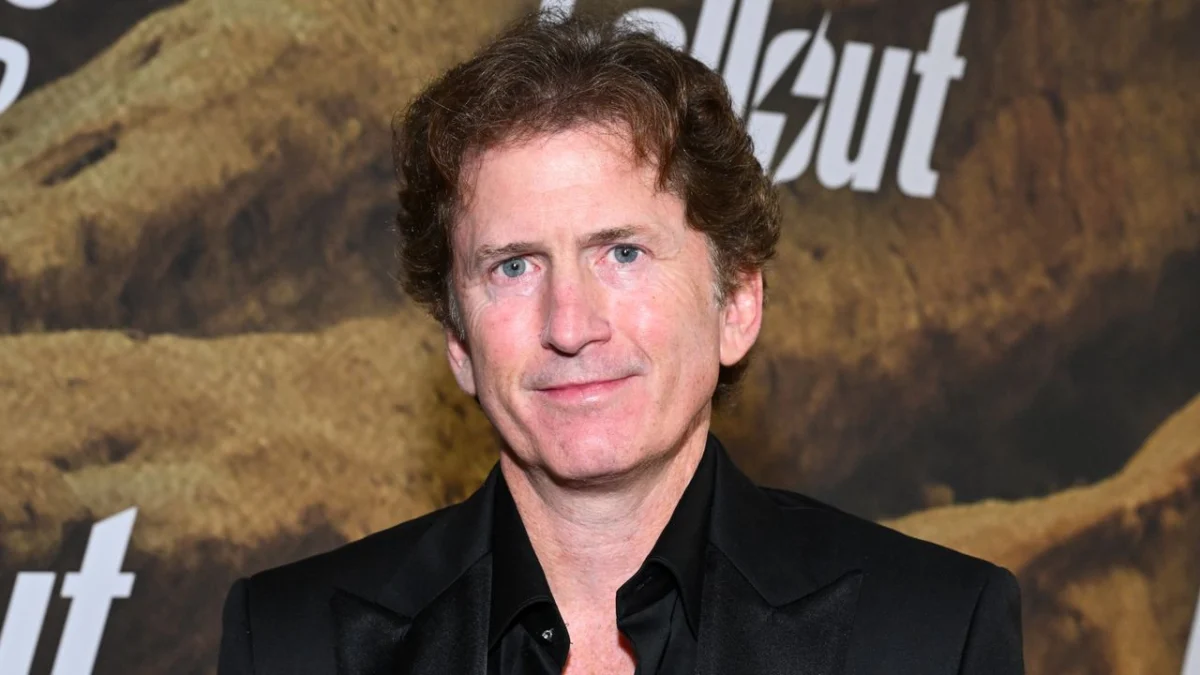
For over a decade, a peculiar narrative has persisted in the darkest corners of the gaming internet: the supposed "blood feud" between Bethesda Game Studios’ Todd Howard and the developers at Obsidian Entertainment. Fueled by the immense legacy of 2010’s Fallout: New Vegas and the inevitable creative differences that arise in any massive franchise, fans have long speculated that Howard harbors a deep-seated resentment toward the studio that many consider the gold standard for the franchise’s role-playing depth.
However, in a move that feels like a final, definitive closing of that chapter, Bethesda has officially confirmed a new collaborative project between the two studios. As the industry grapples with the fallout of significant corporate restructuring at Xbox, the news of a renewed partnership—alongside concrete plans for the future of the Fallout franchise—marks a pivotal moment for one of gaming’s most storied post-apocalyptic universes.
A Legacy of Speculation: The Myth of the Rivalry
To understand why Howard’s latest comments are so significant, one must understand the longevity of the "Obsidian vs. Bethesda" narrative. The friction, largely imagined by the community, stems from a contrast in design philosophies. Bethesda, under Howard’s leadership, has historically leaned into exploration, environmental storytelling, and the "BGS formula" seen in Fallout 3 and Fallout 4. Conversely, Obsidian—which includes many veterans of the original Black Isle Studios—is lauded for its complex faction systems, branching dialogue trees, and the dark, satirical wit that defined the early entries in the series.
When Fallout: New Vegas was released, it was instantly hailed as a masterpiece of narrative depth, leading some fans to claim that Howard was "envious" of its success. This speculation evolved over the years into wild conspiracy theories. When the Amazon Prime Fallout television series premiered, some corners of the internet argued that Howard was using the show’s canon to intentionally "retcon" New Vegas out of existence.
Howard has spent years debunking these claims, often with a mix of weary patience and professional diplomacy. He has repeatedly emphasized that the creative process is rarely as antagonistic as the internet portrays it. By inviting Obsidian developers onto the set of the Fallout show—specifically to witness how the production team handled the iconic locales of the Mojave Wasteland—Howard attempted to bridge the gap visually and culturally. Yet, the chatter persisted.
The Official Roadmap: A New Era for the Wasteland
The recent, sweeping layoffs across Xbox, which saw the closure of four studios and a reduction of 3,200 staff, cast a long shadow over the industry. In response to the uncertainty, Bethesda released a sprawling "infodump" of its future plans, designed to reassure fans and investors alike. This document serves as a lighthouse in the storm, confirming that the Fallout franchise is not only safe but is entering a period of significant expansion.
The Key Pillars of the Announcement:
- The Obsidian Collaboration: Bethesda has officially confirmed that it is working with Obsidian Entertainment on a new project within the Fallout universe. While details remain scarce, the mere existence of this collaboration effectively renders the "rivalry" narrative obsolete.
- The Remaster Initiative: Perhaps the most requested item by the community, official remasters for Fallout 3 and Fallout: New Vegas are now confirmed to be in development. These titles, which have relied on fan-made mods for years to keep up with modern resolution and performance standards, will receive the "official" treatment.
- Fallout 5 in Pre-Production: While fans were aware that Fallout 5 was a distant goal, Bethesda has confirmed that the project is officially in the pre-production phase, signaling that the studio is beginning to allocate resources and conceptual talent to the title following the wrap-up of Starfield and the development of The Elder Scrolls VI.
Todd Howard’s Stance: "A Huge Amount of Mutual Respect"
In an exclusive interview with Windows Central, Howard addressed the recent announcements and the recurring questions about the Obsidian partnership with a candor that suggested he is ready to move past the rumors.
"I appreciate some of the fan chatter, but behind the scenes, there’s a huge amount of mutual respect [between Bethesda and Obsidian]," Howard stated. "We’re always kind of wondering if we could find a way to work together in the right way. And when those things come up, I look at the franchise all up, as you see in the note… is there a way or a window or a pocket where we could do something together that really, really made sense? And so we’re super excited about the opportunity, working together."
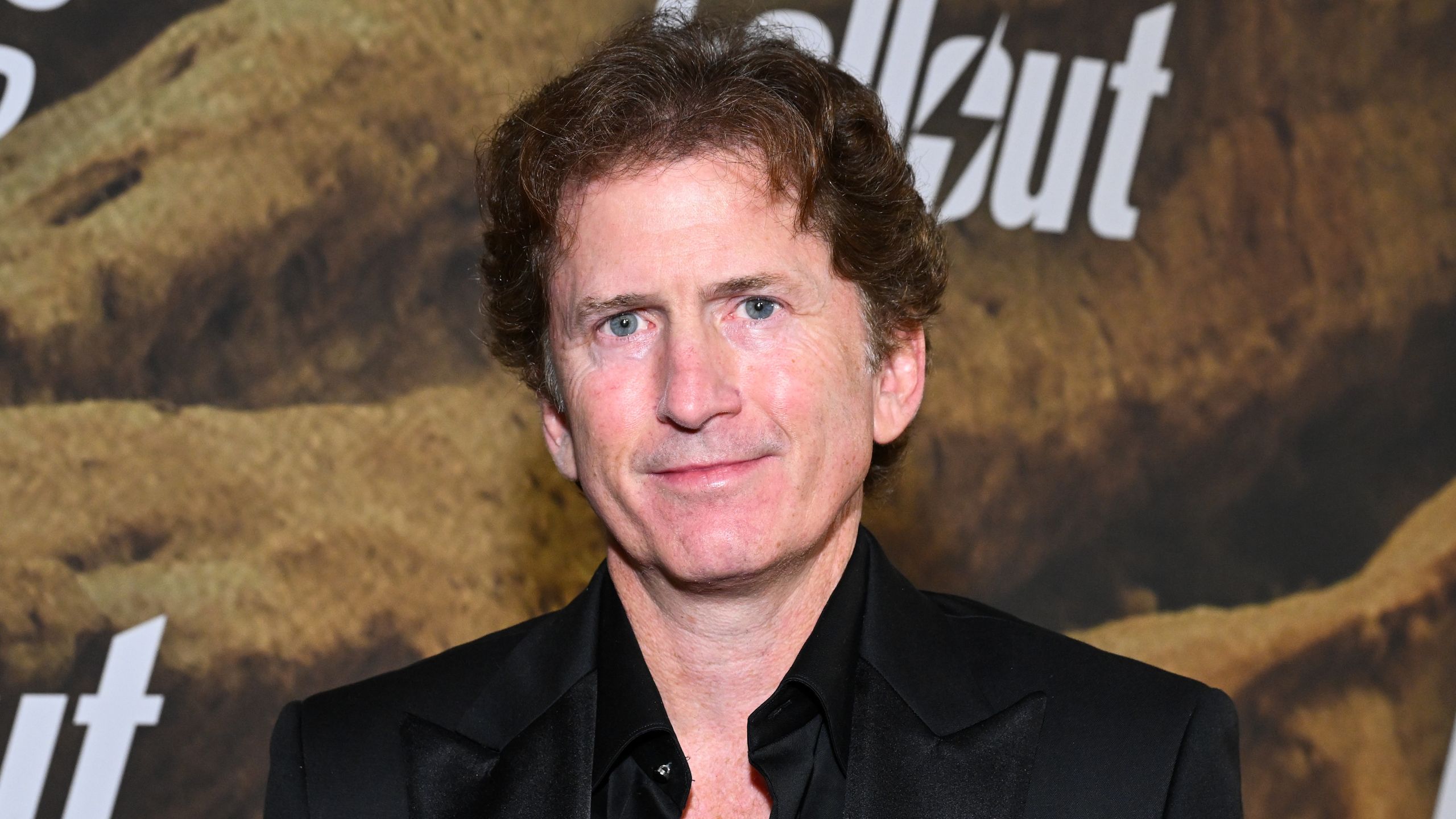
Howard’s phrasing—specifically the mention of "finding a window" where a partnership "made sense"—speaks to the logistical reality of modern game development. Managing two massive, lore-heavy RPG franchises while overseeing the Fallout television show is a monumental task. The collaboration is not a result of "making up," but rather a strategic alignment of talent, resources, and the franchise’s massive expansion.
Implications for the Industry
The decision to pair Bethesda and Obsidian again has far-reaching implications. For one, it signals a shift in how Microsoft’s gaming division intends to handle its massive library of intellectual property. Under the umbrella of Xbox Game Studios, "siloed" development is becoming a thing of the past. If one studio holds the rights to an IP but another studio has the proven expertise in a specific genre or style, we are likely to see more "co-development" models in the future.
Furthermore, this move serves as a tactical response to the recent layoffs. By consolidating its core strengths and focusing on the most beloved entries in its catalog, Bethesda is signaling stability. Remastering the classics allows the company to capitalize on the Fallout show’s massive success while keeping the brand relevant for a new generation of players who may have discovered the series on streaming services rather than consoles.
The "In-on-the-Joke" Factor
There is a distinct, albeit subtle, shift in how Howard approaches his public image. For years, he was the face of a studio that needed to be perceived as infallible. Now, there is a sense that Howard is comfortable enough to lean into the memes. When he speaks about "appreciating the fan chatter," he acknowledges that he knows exactly what people are saying—and he is no longer bothered by it.
It is a savvy move. By acknowledging the absurdity of the "rivalry" rumors, he disarms the critics. There is a fine line between a genuine creative partnership and a PR move, but by bringing in the developers who created New Vegas, Bethesda is likely hoping to recapture the "magic" that fans felt was missing in more recent entries. If this project succeeds, it could set a new precedent for how legacy franchises are managed, moving away from solitary studio control and toward a more collaborative, "shared universe" approach.
Conclusion: A Future Defined by Unity
The narrative of a bitter, petty rivalry between Todd Howard and Obsidian was always more about the fans’ passion for the Fallout series than the reality of the business. The reality is that the industry is evolving, and the players within it are recognizing that the best way to serve a massive, ravenous audience is to set aside perceived slights and focus on the product.
As we look toward the future—with Fallout 5 on the horizon, a new collaboration with Obsidian underway, and the definitive remasters of Fallout 3 and New Vegas in the works—the "Great Reconciliation" is finally here. For the fans who have spent years arguing on forums, the answer is simple: the games are coming, they are being made by the people who know them best, and the era of the "rivalry" is officially a relic of the wasteland.

