

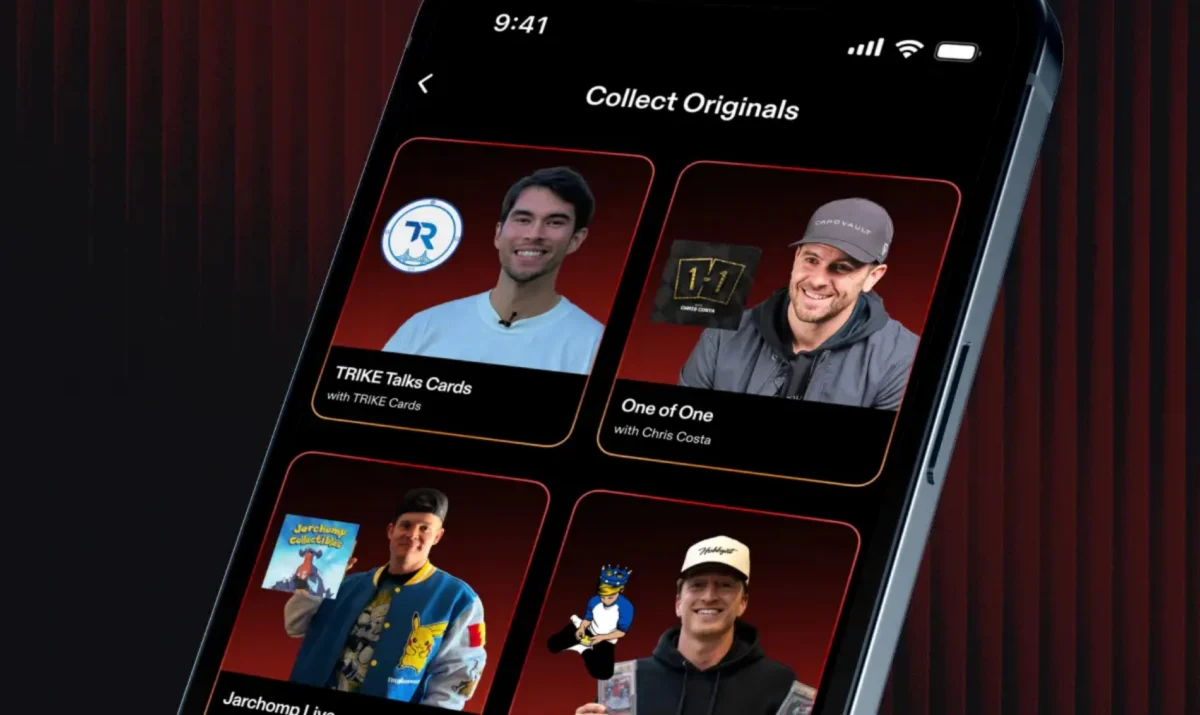
The multi-billion-dollar trading card and collectibles industry is witnessing a seismic shift in how enthusiasts engage with their investments. Fanatics, the undisputed titan of sports merchandising, is officially moving beyond the transactional nature of its "Fanatics Collect" platform to embrace the creator economy. Beginning June 22, the company will launch a robust slate of original programming, effectively transforming a marketplace for buying, selling, and grading cards into a multimedia destination for entertainment and expertise.
By pivoting toward original content, Fanatics is firing a direct warning shot at competitors like Whatnot, signaling that the future of the "hobby" is not just about the transaction—it is about the narrative.
The Strategic Shift: From Marketplace to Media Hub
For years, Fanatics Collect (formerly PWCC) has served as a digital utility for hobbyists. It provided the plumbing—the authentication, the vaulting, and the bidding infrastructure—required to sustain a ten-digit collectibles market. However, as the digital landscape evolves, the company has recognized that market dominance requires more than just efficient logistics; it requires an ecosystem where collectors live, breathe, and consume content.
Starting June 22, Fanatics will deploy a mix of live-streaming and pre-recorded programming designed to cultivate community engagement. This is a departure from the sterile environment of traditional auction houses. Instead of focusing solely on the sale, these shows will spotlight the charismatic collectors, professional athletes, and industry tastemakers who provide the cultural context for high-value assets.
Key Programming Highlights
The inaugural slate, which will continue to roll out throughout the final week of June, includes:
- "Keeping Up with the Kards" (KingoftheKards): Hosted by one of the platform’s most prolific sellers, this show mirrors the high-stakes, educational format of Antiques Roadshow. It promises to demystify the appraisal process while bringing a layer of performative drama to the valuation of rare cards.
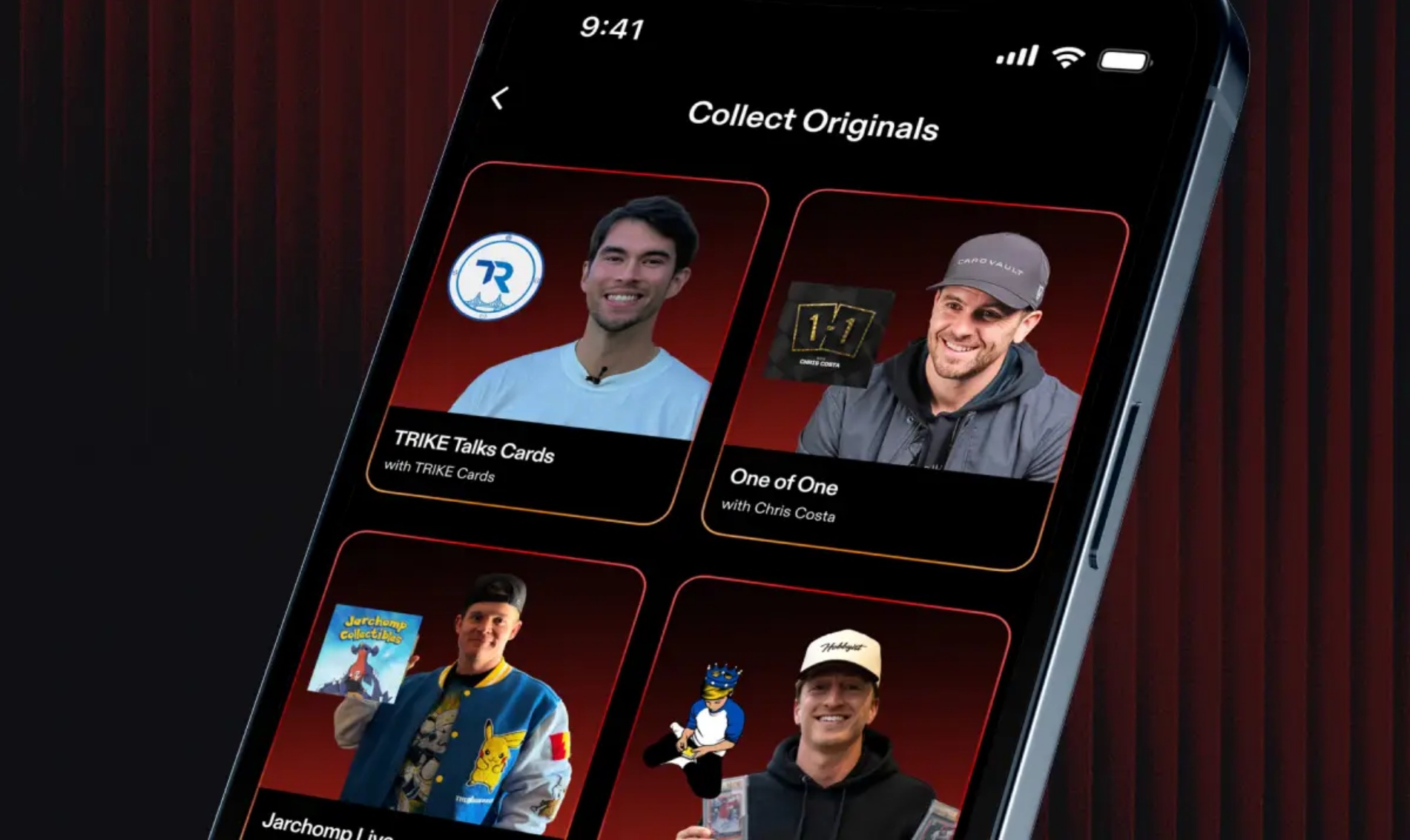
- "One of One" (Chris Costa): An interview series that bridges the gap between sports stardom and collecting. By featuring guests like MLB All-Star Bobby Witt, Jr., the show aims to pull back the curtain on the personal collections of professional athletes, humanizing the assets that fans spend thousands of dollars to acquire.
- "Raw Recap: WWE Now": A strategic partnership that signals Fanatics’ broader ambitions. By stepping outside the immediate bubble of trading cards to highlight WWE superstars, Fanatics is betting that the crossover appeal between sports entertainment and collectibles will draw in a younger, more diverse demographic.
Chronology of a Competitive Pivot
The decision to lean into original content is not an isolated experiment; it is the culmination of a years-long arms race in the live-commerce sector.
- 2023–2024: The "Live-Selling" phenomenon matures. Platforms like Whatnot prove that the "vending-streaming" hybrid model is the most effective way to drive consumer velocity.
- January 2026: Whatnot releases its "State of Live Selling" report, confirming that it facilitated $8 billion in gross merchandise value (GMV) during 2025, with trading cards acting as the primary engine for this growth.
- May 2026: CNBC reports extensively on how Fanatics has effectively cornered the sports collectibles market, highlighting their logistical superiority but noting the rising threat of community-led platforms.
- June 15, 2026: TikTok enters the fray by partnering with Panini to launch limited-edition 2026 FIFA World Cup trading cards, forcing major players to reconsider their digital presence.
- June 18, 2026: Whatnot hits a valuation of $11.5 billion, crossing the milestone of one billion total orders.
- June 22, 2026: Fanatics officially launches its original content slate, marking its formal entry into the media-commerce space.
Supporting Data: The Economics of Attention
The urgency behind Fanatics’ move is grounded in hard numbers. The collectibles market is no longer a niche hobby for localized card shops; it is a global, high-velocity asset class.
Whatnot’s $11.5 billion valuation serves as the industry’s "North Star." By empowering sellers to act as streamers, Whatnot successfully lowered the barrier to entry for millions of users. Their success proved that the experience of the purchase—the live auction, the banter, the countdown clock—is often more valuable to the consumer than the item itself.
For Fanatics, the challenge is clear: they possess the inventory and the infrastructure, but they have historically lacked the "creator-first" layer that turns a passive buyer into a loyal, daily active user. By onboarding 24 initial creator partners, Fanatics is effectively building a "Creator Network" that will act as a funnel, directing traffic from entertainment-focused streams into the high-friction environment of card bidding and trading.
Implications for the Hobbyist Economy
The implications of this shift are profound for both the casual collector and the high-end investor.
1. The Professionalization of the Collector
As content creators like KingoftheKards begin to dominate the airwaves, the standard for what constitutes "collecting" will rise. We are moving toward an era where the provenance of a card—its "story"—will be just as important as its PSA grade. Shows that explain why a specific card matters, or why a certain player’s trajectory is changing, provide the market literacy necessary to sustain long-term interest.
2. The Battle for Creator Loyalty
Fanatics is entering a war for talent. If they can successfully offer creators a better, more stable environment than platforms like TikTok or Whatnot, they can secure the "influencers" who effectively act as the gatekeepers of the hobby. This is a battle for the attention span of the next generation of collectors, who are less likely to visit a brick-and-mortar store and more likely to follow a creator on a streaming app.
3. Market Fragmentation vs. Integration
While Fanatics is betting on an integrated "all-in-one" model, the competition remains fierce. The entry of tech giants like TikTok into the space suggests that the collectibles market is becoming a battleground for social commerce. Fanatics’ advantage lies in its deep, existing ties to the professional leagues (MLB, NBA, NFL), which allows for exclusive content that independent platforms cannot easily replicate.
The Future: A Vending-Streaming Hybrid
Is the "vending-streaming" model the final form of digital commerce? Industry analysts suggest that we are only in the early stages of this evolution.
Fanatics has long been a powerhouse of physical logistics, but by hiring creators and investing in professional-grade production, they are admitting that the digital marketplace is now an entertainment product. The integration of "Raw Recap: WWE Now" into the Fanatics Collect app is perhaps the most telling indicator of where they intend to go: they are building a media company that happens to sell assets.
As we look toward the remainder of 2026, the success of this initiative will be measured not just in transaction volume, but in "time spent." If Fanatics can convince its users to stay on the app even when they aren’t actively buying, they will have achieved the "Holy Grail" of digital retail: the ability to manufacture demand through constant, curated engagement.
The collectors who once relied on forums and static marketplaces are now entering a world of high-production value and real-time interaction. Fanatics has provided the stage; now, it remains to be seen if the audience will choose their theater over the high-energy, chaotic allure of their competitors. For now, one thing is certain: the era of the passive collector is over. The era of the entertainer-collector has arrived.

