


As Amazon Prime Day approaches, a familiar ritual for PC enthusiasts is set to commence: the frantic refreshing of browser tabs in search of high-performance NVMe SSD deals. For years, the event has been a goldmine for gamers looking to expand their storage at a fraction of the cost. However, this year, the landscape of the retail solid-state drive market has shifted dramatically. If you are expecting to find the deep, double-digit percentage discounts on top-tier drives that characterized the past decade, you are likely to be met with disappointment.
The reality of the current storage market is grim: the "retail" availability of high-performance SSDs is evaporating, and the few remaining units are frequently listed at prices far exceeding their Manufacturer’s Suggested Retail Price (MSRP).
The Core Conflict: A Supply Chain in Turmoil
The primary driver behind this volatility is a prolonged supply chain crisis involving NAND flash memory—the fundamental building block of every SSD. The market is currently grappling with a severe supply-demand imbalance that began with post-pandemic production adjustments and has since been exacerbated by aggressive stockpiling from large-scale original equipment manufacturers (OEMs).
Industry experts and analysts have been sounding the alarm for months. Nelson Duann, a vice president at Silicon Motion, a leading designer of NAND flash controllers, recently offered a stark assessment of the situation in an interview with Tom’s Hardware. According to Duann, "the retail SSD market has almost disappeared."
This is not merely hyperbole. While the technology is not vanishing, the priority for NAND manufacturers has shifted away from the individual consumer. OEMs—the companies that build pre-built desktops, laptops, and enterprise servers—are currently monopolizing the available supply. As manufacturers prioritize these high-volume contracts, the trickle of inventory destined for retail shelves has slowed to a crawl, leaving gamers and DIY builders to fight over scraps.
A Chronology of the Storage Shortage
To understand why this Prime Day will look different, one must look at the timeline of the current storage crisis:
- Early 2023: NAND manufacturers, facing a surplus and falling prices, significantly cut production output to stabilize the market.
- Late 2023: As AI development and cloud computing demand surged, OEMs began aggressively buying up NAND capacity, effectively "hoovering" the market supply.
- Q1-Q2 2024: Retail inventory began to plummet. Prices, which had reached historic lows throughout 2023, began a sharp, sustained climb.
- Present Day: Retailers are struggling to maintain stock levels. The "retail" space is now being filled by third-party sellers and market resellers who are inflating prices to reflect the scarcity of the components.
The Illusion of the "Discount"
As Prime Day nears, shoppers must approach "deals" with extreme skepticism. The current pricing structure is highly deceptive. Because supply is so thin, retailers are often listing drives at artificially inflated prices—sometimes 30% to 50% above the original launch MSRP.
When a retailer "discounts" a drive by 20% during a sale event, they are frequently simply returning the price to a level that is still higher than the MSRP, or perhaps just barely reaching it. These are not "savings" in any traditional sense; they are a correction of a predatory pricing environment. Consumers are effectively being asked to celebrate a "deal" that merely makes an overpriced product slightly less expensive.
Supporting Data: Why Performance SSDs Are Harder to Find
The impact is most keenly felt in the high-performance segment, specifically Gen 4 and Gen 5 NVMe drives. These drives rely on high-quality NAND and sophisticated controllers—the same components currently being siphoned off for high-margin enterprise and AI-focused hardware.
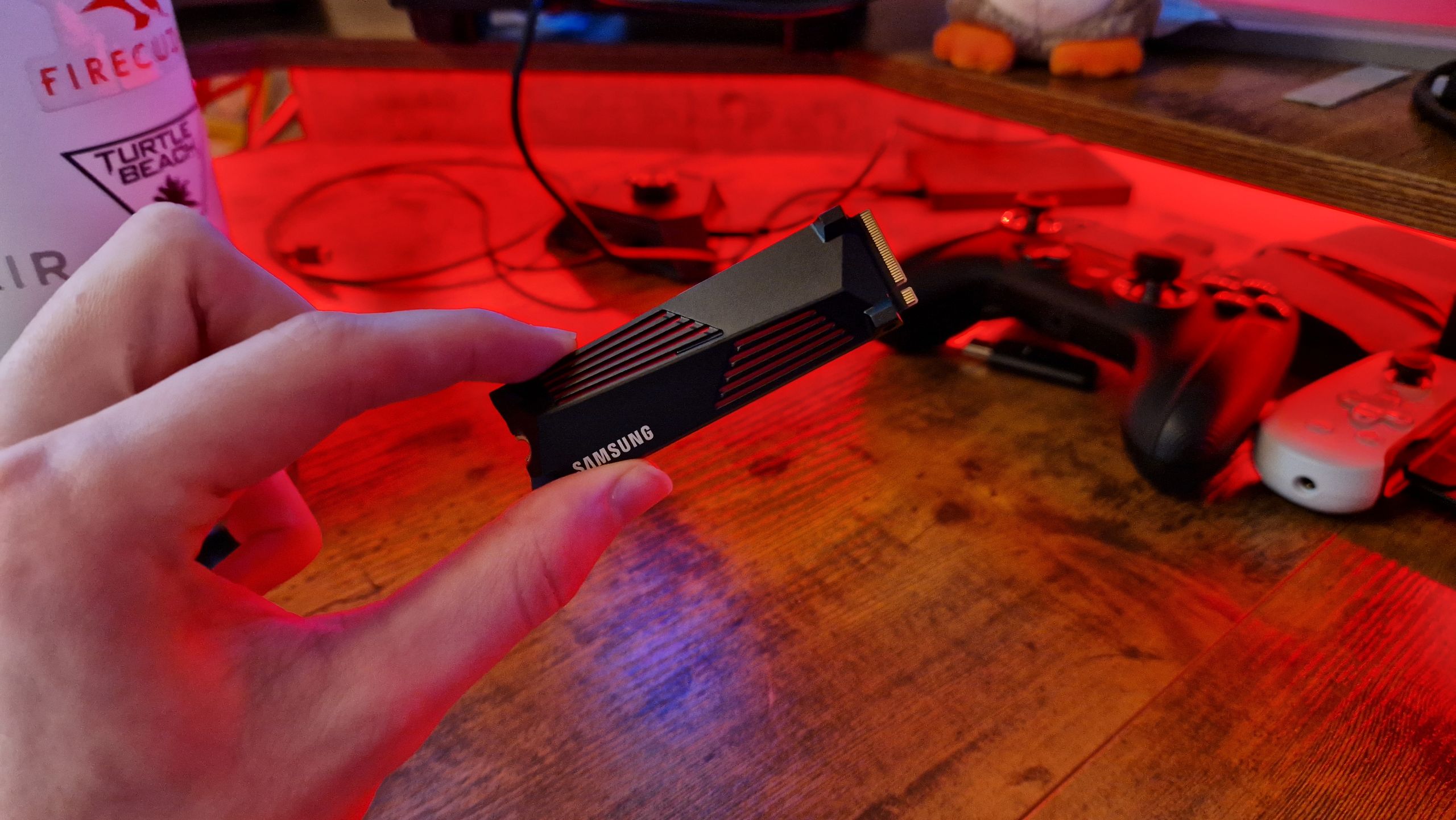
According to retail tracking metrics, the availability of top-tier drives like the Samsung 990 Pro or the WD Black SN850X has become sporadic. When stock arrives, it sells out almost instantly, or is relisted by third-party sellers at significant markups. For the average gamer, this means the "best" SSDs are either out of stock or priced as luxury items, forcing them to look at lower-tier drives that offer less longevity and slower performance—a frustrating compromise for anyone looking to build a high-end gaming rig.
Official Industry Responses
The sentiment from industry insiders, such as the aforementioned executives at Silicon Motion, confirms that this is a structural issue, not a temporary blip. When asked about the future of the retail market, industry leaders suggest that as long as the demand for enterprise-grade AI storage remains at its current fever pitch, the retail consumer will remain a secondary priority.
Manufacturers are currently prioritizing high-capacity enterprise drives, which offer higher profit margins and more stable, long-term contracts. The retail consumer market, which is highly sensitive to price fluctuations and cyclical, is currently viewed as a lower-priority channel for the limited amount of NAND that is being produced.
Implications for Gamers and Console Owners
The implications of this shortage are significant, particularly for those looking to upgrade their gaming consoles.
The PlayStation 5 Upgrade Path
If you are searching for a storage expansion for a PlayStation 5, the technical requirements remain stringent. Sony requires a PCIe Gen 4 x4 M.2 NVMe SSD with a capacity between 250GB and 8TB. Crucially, the drive must feature a dedicated heatsink to ensure thermal stability during long gaming sessions. With the current supply crunch, finding a high-quality drive that meets these specifications—and includes a pre-installed heatsink—is becoming significantly more difficult and expensive.
The PC Builder’s Dilemma
For the PC enthusiast, the situation is perhaps even more frustrating. SSDs are the backbone of modern gaming load times. Moving from an older SATA SSD to a modern NVMe drive provides a massive jump in performance, but the current "price-per-gigabyte" ratio is making those upgrades harder to justify. Builders are now forced to weigh the cost of storage against the cost of other components like GPUs or CPUs, often finding that the storage budget is being disproportionately inflated by the current market conditions.
Looking Ahead: Is There a Light at the End of the Tunnel?
While the short-term outlook for Prime Day is pessimistic, market analysts suggest that the supply chain will eventually rebalance. Increased production capacity from major manufacturers like Samsung, Micron, and SK Hynix is expected to come online toward the end of the year and into 2025.
However, until that happens, the advice for consumers is clear: be prudent. If you absolutely require an SSD for a new build or a console expansion, do not hold out for a "miracle" deal this week. If you find a drive at or near its original MSRP, that is the best deal you are likely to find in the current climate.
Avoid the temptation of "discounted" drives that appear to have been marked down from an impossibly high base price. Keep your focus on reputable brands and ensure that any drive you purchase meets the necessary technical specifications for your platform, whether it be for the PS5, a gaming laptop, or a custom desktop rig.
As we navigate this period of market volatility, the best strategy is one of patience and informed purchasing. The glory days of "dirt cheap" storage may be on hold for the moment, but by understanding the mechanics of the current supply crisis, you can avoid the traps set by current retail pricing tactics and ensure that your next upgrade provides the value you expect.
For those still looking to optimize their gaming setups, consider focusing your budget on other components that may see more genuine price drops during promotional events, such as gaming monitors, peripherals, or high-capacity mechanical hard drives, which have not been affected by the NAND supply crunch to the same extent as high-performance SSDs.

