

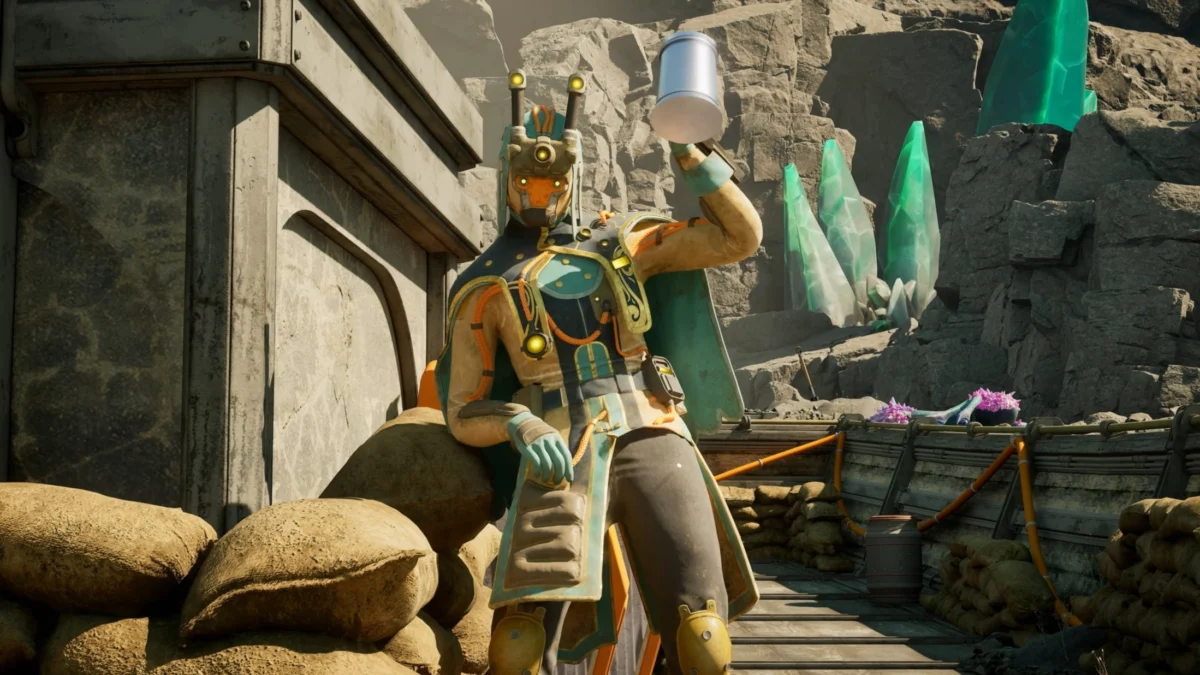
Obsidian Entertainment, the acclaimed studio behind iconic role-playing titles like Fallout: New Vegas, The Outer Worlds, and the recently released Avowed, is currently embroiled in a significant legal challenge. A class-action lawsuit, first initiated in October 2023, accuses the Microsoft-owned developer of a "systematic pattern of wage and hour violations" under the California Labor Code. As the gaming industry faces increasing scrutiny regarding labor practices, this case represents a critical test of how major studios manage their workforce, compensation structures, and workplace standards.
The Core Allegations: A Breach of Labor Standards
At the heart of the complaint is an alleged failure by Obsidian to adhere to fundamental labor laws. The lawsuit, filed by plaintiff Victoria Turner—a seasoned professional with a background in quality assurance on high-profile titles such as Mass Effect 3 and Deus Ex: Human Revolution—paints a picture of a workplace where employees were routinely denied their legal rights regarding compensation and time management.
The complaint alleges that the studio "increased their profits by violating state wage and hour laws." Specifically, the lawsuit contends that Obsidian failed to:
- Pay all earned wages: This includes minimum wages and the legally mandated overtime pay for non-exempt employees.
- Provide timely compensation: The suit claims that wages due upon the separation of employment were not disbursed in a timely fashion.
- Grant mandated breaks: The plaintiffs allege that the studio failed to provide lawful meal periods or legally required rest breaks, or offer appropriate compensation in lieu of those breaks.
- Reimburse business expenses: The lawsuit asserts that employees were not reimbursed for necessary business-related costs incurred during their tenure.
- Maintain transparency: The filing claims that the company failed to provide accurate, itemized wage statements, which are a requirement under California law.
These accusations go beyond simple administrative error; they suggest a systemic failure to treat the workforce in accordance with California’s stringent labor protections. For a studio that has long held a reputation for high-quality narrative design and a passionate development culture, these claims strike at the core of their professional integrity.
Chronology of the Legal Proceedings
The legal battle has been developing quietly behind the scenes, only recently coming to the attention of the wider gaming public.
- October 2023: The initial lawsuit was filed in California, marking the beginning of the legal conflict.
- January 2025: An amended class-action complaint was filed, strengthening the claims and refining the definition of the class members involved.
- February 2025: The case gained significant traction within the gaming community after being highlighted by Reddit user macken_zee on the popular r/pcgaming subreddit, bringing the details of the litigation to a broader audience.
- March 2025: Obsidian Entertainment officially responded to the filing, categorically denying the allegations and outlining their defense strategy.
Since the response in March, the case has entered a period of procedural stagnation, common in high-stakes class-action litigation as discovery and pre-trial motions are prepared.
Defining the Class: Who is Affected?
The lawsuit seeks to represent a broad group of employees. The current definition of the "class" includes any individual currently or formerly employed by Obsidian as a "non-exempt employee" in the State of California, covering the period from October 9, 2021, up to the date of class certification. Furthermore, plaintiff Victoria Turner is actively seeking to extend this coverage to include former employees who departed the company on or after October 9, 2022.
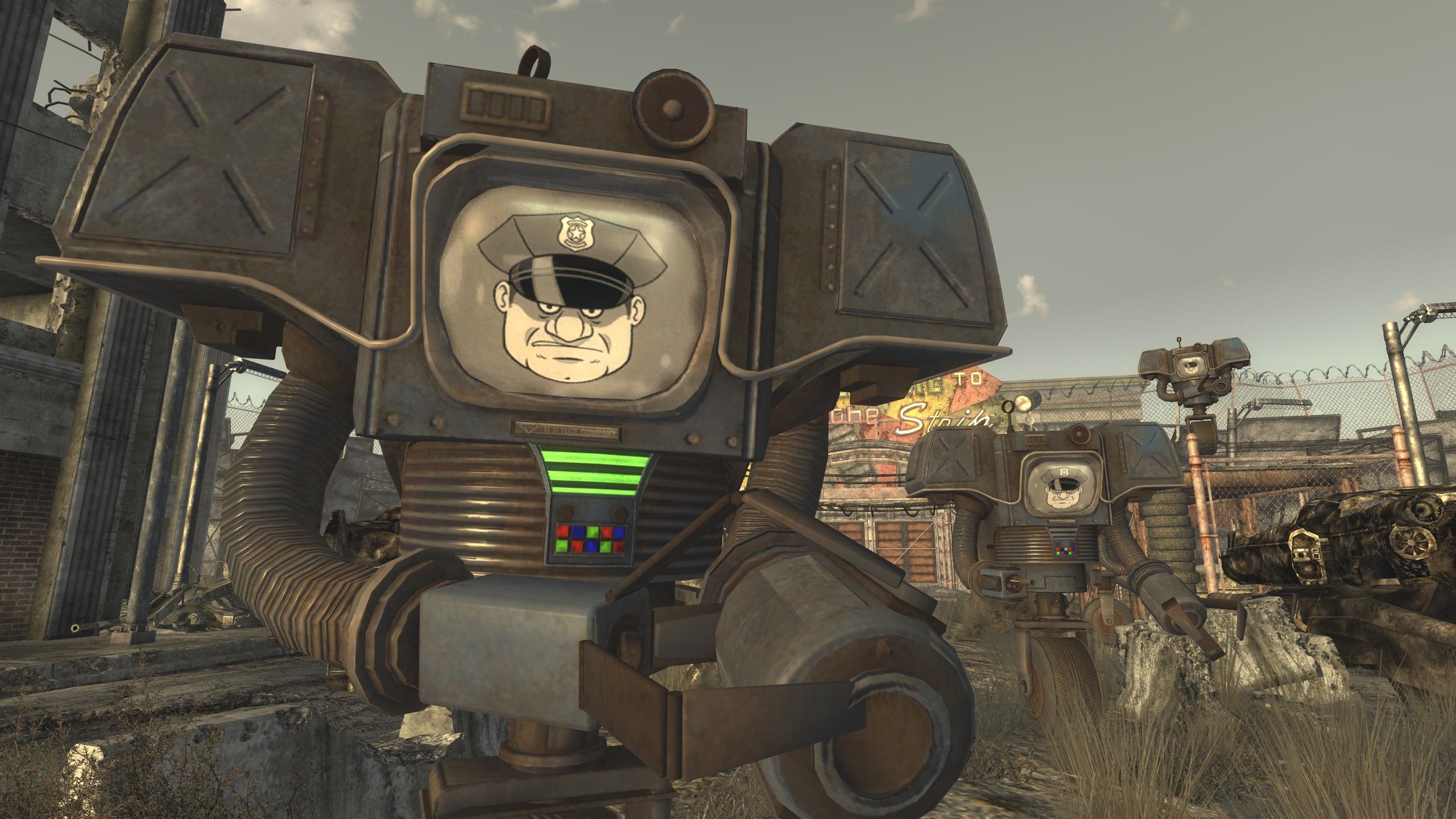
Because the classification of "non-exempt" under California law generally applies to employees who are entitled to overtime pay—often including many QA testers, junior developers, and support staff—the potential scope of this lawsuit could involve a significant portion of the studio’s workforce.
Obsidian’s Official Defense
In early March, Obsidian Entertainment submitted a formal response to the court. The company did not merely offer a general rebuttal; it provided a robust, 38-point defense. Obsidian’s legal team stated that they "deny, generally and specifically, each and every allegation" brought forth by the plaintiff.
Among the arguments raised in their defense, Obsidian suggests that the employees in question "consented to and/or acquiesced in the alleged conduct" that the plaintiff now challenges. This is a common legal maneuver in labor disputes, aimed at shifting the narrative from a company violating the law to a situation where employees voluntarily accepted existing working conditions.
The studio’s defense strategy appears to hinge on the idea that their practices were consistent with industry norms and that, if any discrepancies in pay or timekeeping occurred, they were either negligible or the result of individual circumstances rather than a company-wide, systematic policy of exploitation.
The "Crunch" Narrative and Industry Context
This lawsuit arrives at a time of intense reflection within the video game industry regarding "crunch"—the practice of forcing employees to work excessive overtime to meet project deadlines.
Historically, Obsidian has attempted to position itself as a "crunch-free" studio. In 2019, senior designer Brian Hines famously told PCGamesN that Obsidian was "not a crunch studio," emphasizing that this policy was a key factor in employee retention. Hines stated at the time that while developers might occasionally be asked to put in extra hours, it was "always a request" that they were free to decline.
The current lawsuit threatens to undermine this narrative. If the allegations of systemic wage and hour violations are proven true, it would suggest that even in studios that claim to avoid the "crunch culture," the underlying financial and administrative structures may still be failing to protect the interests of their workers.

Implications for the Industry
The outcome of this lawsuit could have far-reaching consequences, both for Obsidian and the broader gaming landscape.
1. Labor Reform and Awareness
The mere existence of this lawsuit has empowered a conversation about labor rights within the games industry. As studios move toward unionization, cases like this serve as a stark reminder of why legal protections are necessary. QA staff and junior developers, who are often the most vulnerable to wage theft and poor working conditions, are increasingly willing to bring these issues to court.
2. Potential Financial and Reputational Damage
If the court finds in favor of the class, the financial repercussions for Obsidian could be substantial. Beyond back pay and damages, there are legal fees and potential regulatory fines. More importantly, the reputational damage could be difficult to quantify. For a company that relies heavily on its creative talent, being viewed as a hostile or exploitative workplace could make it significantly harder to recruit and retain the industry’s best developers.
3. A Precedent for Microsoft Studios
Obsidian is owned by Microsoft, one of the largest technology companies in the world. As Microsoft continues to expand its gaming footprint, the labor practices of its subsidiary studios will face increased scrutiny. This case may pressure Microsoft to implement more rigorous oversight and standardized labor practices across its portfolio of developers to avoid similar legal headaches in the future.
Looking Forward: What Happens Next?
The legal process is rarely swift. With the case currently in a lull, legal experts anticipate that both sides are preparing for a long discovery process. The court will need to determine if the class certification is appropriate and whether the evidence supports the claims of a "systematic" nature of the violations.
Should the case proceed to trial, it will likely serve as a litmus test for California’s labor laws as they apply to the tech and creative sectors. For now, the gaming world watches and waits, observing how one of the industry’s most beloved RPG developers reconciles its public image with the serious allegations presented in a court of law.
Whatever the outcome, the lawsuit is a watershed moment for Obsidian Entertainment. It marks the end of an era where such allegations could be brushed aside or ignored, pushing the studio—and perhaps the industry at large—toward a higher level of transparency and accountability. As development on The Outer Worlds 2 and other future titles continues, the shadow of this litigation will undoubtedly loom over the studio, serving as a reminder that the human cost of game development is a price that can no longer be ignored.

