

Main Facts
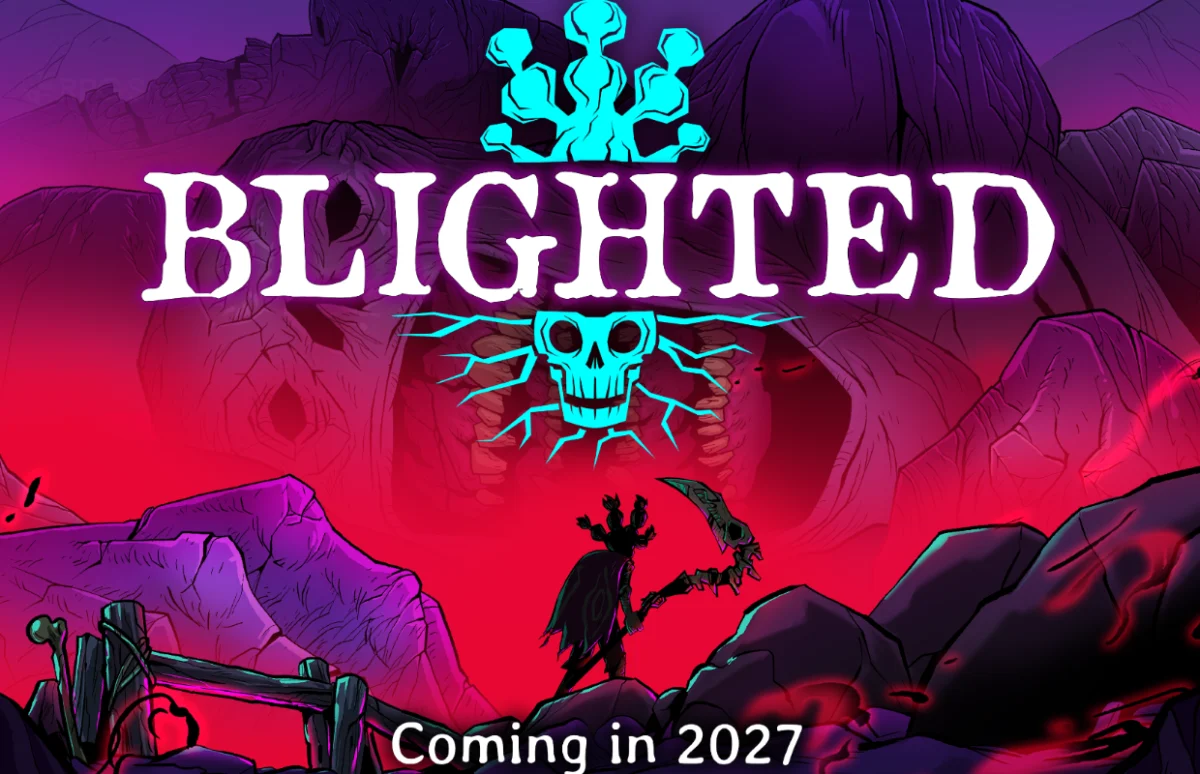
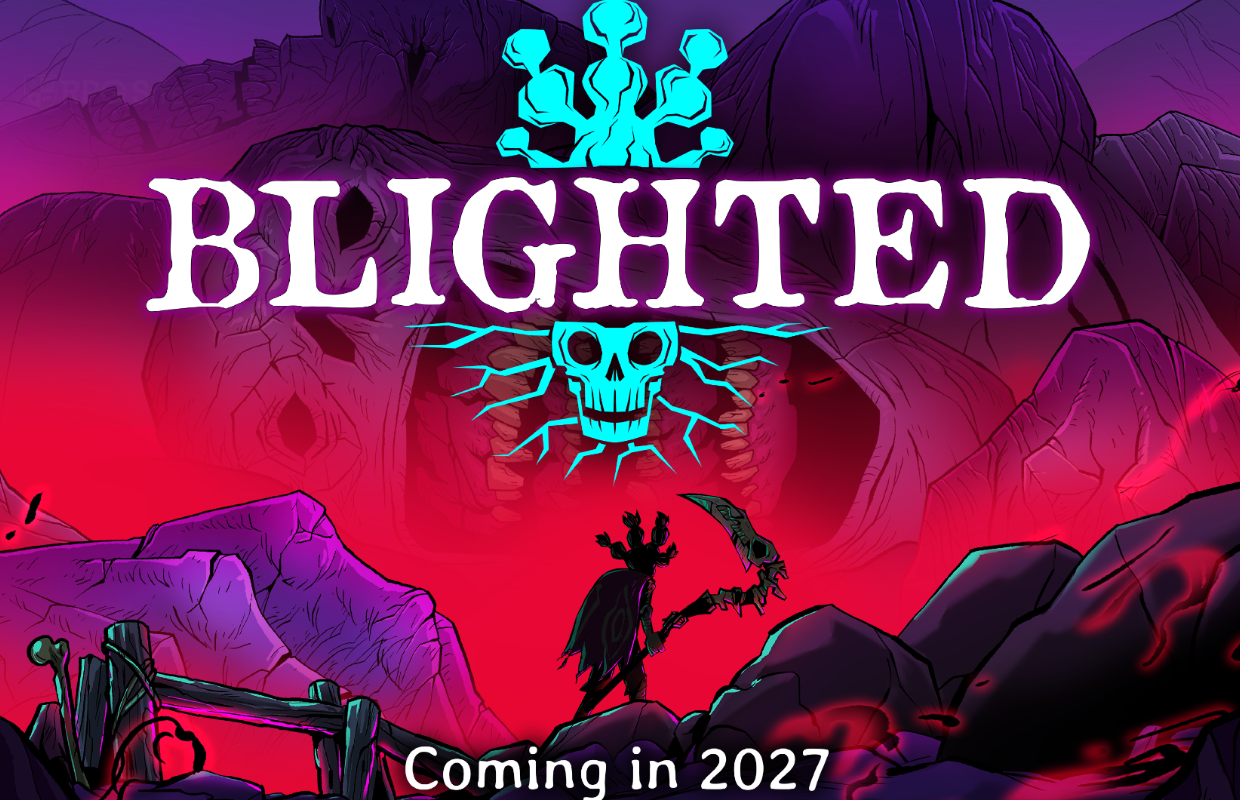
DrinkBox Studios, the acclaimed independent game development team widely celebrated for genre-defining titles such as Guacamelee!, Severed, and Nobody Saves the World, has officially announced a major scheduling shift for its upcoming ambitious project. Blighted, an action role-playing game originally slated to launch in the autumn of this year, has been pushed back to a general 2027 release window.
Alongside the delay, the studio has confirmed the target platforms for the game. Blighted is officially locked in for a simultaneous launch on PC (via Steam) and Nintendo’s heavily anticipated, unreleased hardware successor, currently referred to in industry circles and official developer communications as the Nintendo Switch 2.
The rationale behind the delay centers squarely on quality assurance, creative execution, and team bandwidth. According to key representatives at DrinkBox Studios, the extra time—spanning well over a year from the original expected arrival—will allow the growing development team to sufficiently polish, balance, and tune every system within the title. Rather than rushing to meet an autumn delivery deadline, management has opted to prioritize the long-term creative integrity of the project, aiming to ensure that Blighted matches or exceeds the high standard of design excellence established by the studio’s past catalog.
While the postponement will undoubtedly come as a disappointment to fans who had anticipated jumping into the adventure this year, the studio has attempted to soften the blow. Alongside the delay announcement, DrinkBox Studios provided fresh conceptual and in-engine looks at the game’s distinctive level design, prominently highlighting environments like the mysterious "Watcher’s Peak" hub. Furthermore, the studio has promised an extensive developer update before the end of the year, ensuring that community engagement remains high even as the official release horizon recedes.
Chronology
To fully understand the trajectory of Blighted and its current delay, it is helpful to trace the timeline of DrinkBox Studios’ public transparency regarding the project, leading up to the recent shock announcement.
The Genesis and Conceptualization
Following the successful launch and post-launch support of Nobody Saves the World in 2022, DrinkBox Studios quietly began conceptualizing its next major release. Moving away from the dungeon-crawling grid systems of Severed or the dimension-shifting luchador brawling of Guacamelee!, the team envisioned a darker, stranger aesthetic. They began drafting a concept that blended the tense, methodical combat of Metroidvania-style exploration with an unconventional, visually striking artistic direction: a "psychedelic western nightmare."
Early Teasers and Initial Window
As production ramped up, DrinkBox expanded its internal team to accommodate the grander scale of Blighted. Throughout initial backroom pitches and early developer logs, the game was discussed internally as a major leap forward for the studio in terms of scope and systemic complexity. Publicly, the studio established a tentative timeline that pointed toward a release window in late 2025 or 2026, which eventually coalesced around a planned arrival for the autumn of the current cycle.
The Mid-Production Scaling and Realization
As development progressed through the middle phases, the studio realized that the sheer ambition of Blighted‘s core mechanic—the "Blight" system, which actively alters the game world’s geography, combat encounters, and exploration paths—required significantly more iteration than initially anticipated. Furthermore, as the hardware landscape began to shift with rumors and developmental access to next-generation hardware—specifically Nintendo’s successor to the immensely popular Switch—DrinkBox made the strategic decision to target future-proof platforms.
The 2027 Delay Announcement
In a recent devlog posted to Steam and associated community channels, DrinkBox Studios officially broke the news. Facing the choice between crunching to meet an arbitrary autumn window or giving the team the runway necessary to realize their creative vision, leadership chose the latter. Blighted was officially delayed to 2027, resetting expectations for the fanbase and establishing a new roadmap that includes upcoming winter developer updates and a final target window on PC and Nintendo Switch 2.
Supporting Data
To contextualize the magnitude of this delay, it is necessary to examine the profile of DrinkBox Studios, the specific gameplay mechanics of Blighted, and the technical parameters surrounding its newly announced target platforms.
Profile of DrinkBox Studios
Founded in Toronto, Canada, in 2008 by industry veterans Graham Smith, Chris McQuinn, and Pablo Hidalgo, DrinkBox Studios has built a stellar reputation over nearly two decades. Their notable releases include:
- Tales from Space: About a Blob (2011): A physics-based puzzle platformer that established the studio’s early technical capabilities.
- Guacamelee! (2013) & Guacamelee! 2 (2018): Metroidvania-style platformers steeped in Mexican folklore that received widespread critical acclaim for their fluid combat, witty writing, and tight traversal mechanics.
- Severed (2016): A first-person dungeon crawler designed natively for touchscreens before being ported to consoles, praised for its innovative use of swipe-based combat.
- Nobody Saves the World (2022): An top-down action RPG featuring a unique shapeshifting mechanic that allowed players to mix and match abilities from dozens of distinct classes.
The Mechanics of Blighted
Blighted represents a structural evolution for DrinkBox, combining the exploratory depth of a Metroidvania with the mechanical progression of an Action-RPG. Key features include:
- Cooperative and Solo Play: Designed from the ground up to accommodate both single-player exploration and seamless cooperative multiplayer.
- The "Blight" System: The game’s defining mechanic. Players harness a substance known as "Blight" by defeating enemies within the world. Absorbing or manipulating this Blight actively transforms the environment in real time, mutating combat encounters, opening up previously inaccessible hidden paths, and altering the narrative landscape.
- Setting: A bizarre, highly stylized "psychedelic western nightmare," blending the dusty tropes of classic westerns with surreal, mind-bending visual hallucinations and cosmic horror elements.
Platform Architecture and Technical Scope
The decision to launch on PC and Nintendo Switch 2 underscores the technical demands of Blighted. While the Nintendo Switch was a monumental commercial success, its aging hardware often forced developers to make significant compromises regarding resolution, asset fidelity, and framerate. By aligning the game with the Nintendo Switch 2, DrinkBox Studios is signaling that Blighted will utilize modern rendering techniques, higher-fidelity asset streaming, and more robust physics engines—particularly necessary for managing the dynamic world-state changes dictated by the Blight system.
Official Responses
The announcement of the delay was handled with characteristic candor and community-first transparency by DrinkBox Studios. Josh Davis, representing the development team, issued a comprehensive statement outlining the reasons for the shift in schedule and offering reassurance to the community.
"The team has been working hard (and growing!) but we feel we still need a bit more time to polish and tune the game before launch," writes DrinkBox’s Josh Davis in the official developer log.
Davis elaborated on the strategic decision behind the timeline adjustment, emphasizing that quality remains the studio’s ultimate North Star.
"With this in mind, we’ve decided to shift our release to 2027. We appreciate your patience, and while we will have more news in the new year, we have one more really cool dev update before 2026 wraps that we think you’ll want to keep an eye out for."
Beyond the core statement regarding the delay, the studio’s communication highlighted specific visual and structural elements of the game currently undergoing iteration. The developer log placed a heavy emphasis on the game’s level design philosophy, providing fans with a detailed look at the "Watcher’s Peak" hub—a central sanctuary within the psychedelic western wasteland where players will presumably rest, upgrade gear, and plot their excursions into the blighted wilderness.
Community reaction across Steam, Reddit, and social media platforms has been largely understanding. While expressions of disappointment are naturally present—given that fans were hoping to play the game within the current calendar year—the prevailing sentiment toward DrinkBox Studios remains deeply trusting. Given the studio’s pristine track record of delivering polished, critically lauded titles, the community has largely embraced the philosophy that an extended development cycle is preferable to a rushed, bug-laden launch.
Implications
The decision by DrinkBox Studios to delay Blighted to 2027 and target the Nintendo Switch 2 carries several significant implications for the developer, the indie game ecosystem, and the broader gaming industry landscape.
1. The Maturation of Indie Development Cycles
The AAA gaming industry has long been plagued by extensive development cycles, often stretching across five to seven years per title. However, the indie sector—particularly mid-tier independent studios like DrinkBox that handle complex systems, multiplayer infrastructure, and distinct artistic pipelines—is increasingly facing similar production realities. Expanding the team requires management restructuring, larger operational overhead, and more complex quality assurance pipelines. DrinkBox’s choice to delay rather than rush illustrates a maturing studio culture that values developer well-being and product polish over arbitrary quarterly financial metrics.
2. Validation of the Nintendo Switch 2 Ecosystem
The confirmation that Blighted is heading to the Nintendo Switch 2 is another notable data point in the slow, steady leak and confirmation cycle surrounding Nintendo’s forthcoming hardware. For third-party and independent developers, committing to a next-generation Nintendo platform well in advance of its commercial availability indicates that development kits are firmly in the hands of key studios, and that publishers are confident in the hardware’s market viability. By positioning Blighted as an early showcase for the new platform, DrinkBox could secure prominent placement in future Nintendo digital showcases.
3. Impact on DrinkBox’s Studio Identity
With Blighted, DrinkBox is stepping slightly outside its traditional comfort zone. While Guacamelee! and Nobody Saves the World featured vibrant, comedic, and lighthearted tones, Blighted leans heavily into a darker, more psychedelic, and atmospheric aesthetic ("a psychedelic western nightmare"). Giving the team extra time to tune the game ensures that this tonal pivot lands effectively. If the Blight system—which dynamically alters level design and combat encounters—functions as fluidly as the studio intends, Blighted could redefine DrinkBox’s reputation, proving they are capable of mastering atmospheric tension just as well as they mastered comedic platforming.
Outlook for the Future
As the video game industry looks ahead, the wait for Blighted may be longer than initially promised, but the ingredients for a standout independent release are clearly falling into place. With an upcoming developer update scheduled for later this winter, followed by deeper dives into the game’s mechanics in 2027, fans and industry watchers alike will be keeping a close eye on DrinkBox Studios as they put the finishing touches on their most ambitious project to date.

