


In a move that has surprised even the most seasoned survivalists, Facepunch Studios has fundamentally altered the landscape of Rust. Known for its brutal, unforgiving, and often lawless PvP (Player vs. Player) environment, the game’s latest content drop—titled "Common Ground"—introduces an element that feels ironically domestic: rentable apartment complexes.
For years, Rust has been defined by the primitive struggle of building a shack from scrap, only to have it demolished by a roaming band of better-armed players. The introduction of standardized, landlord-managed housing represents a seismic shift in how players approach the early game, creating a bizarre synthesis of urban gentrification and the game’s signature cutthroat anarchy.
The New Frontier: Life in the Apartment Complex
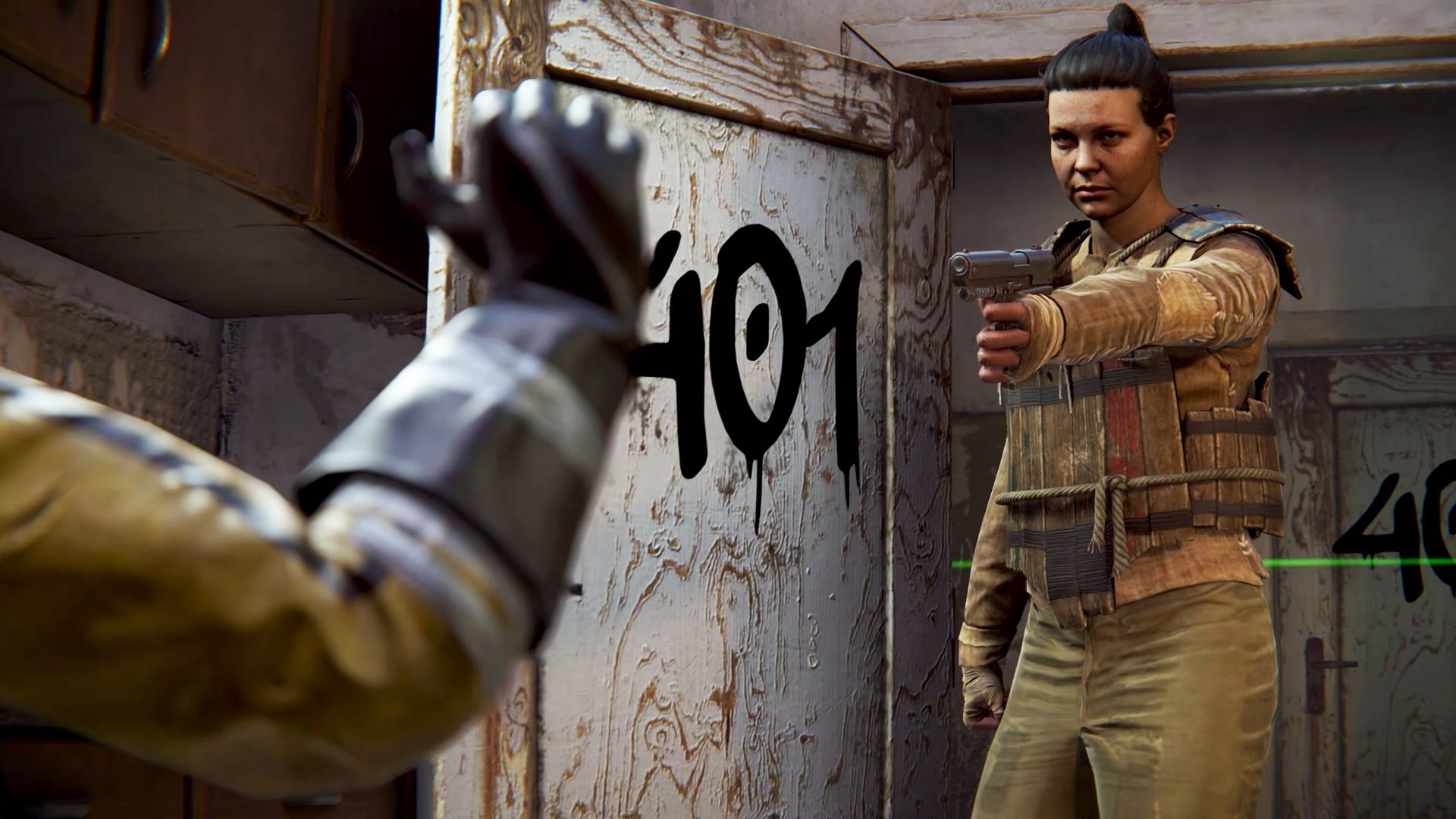
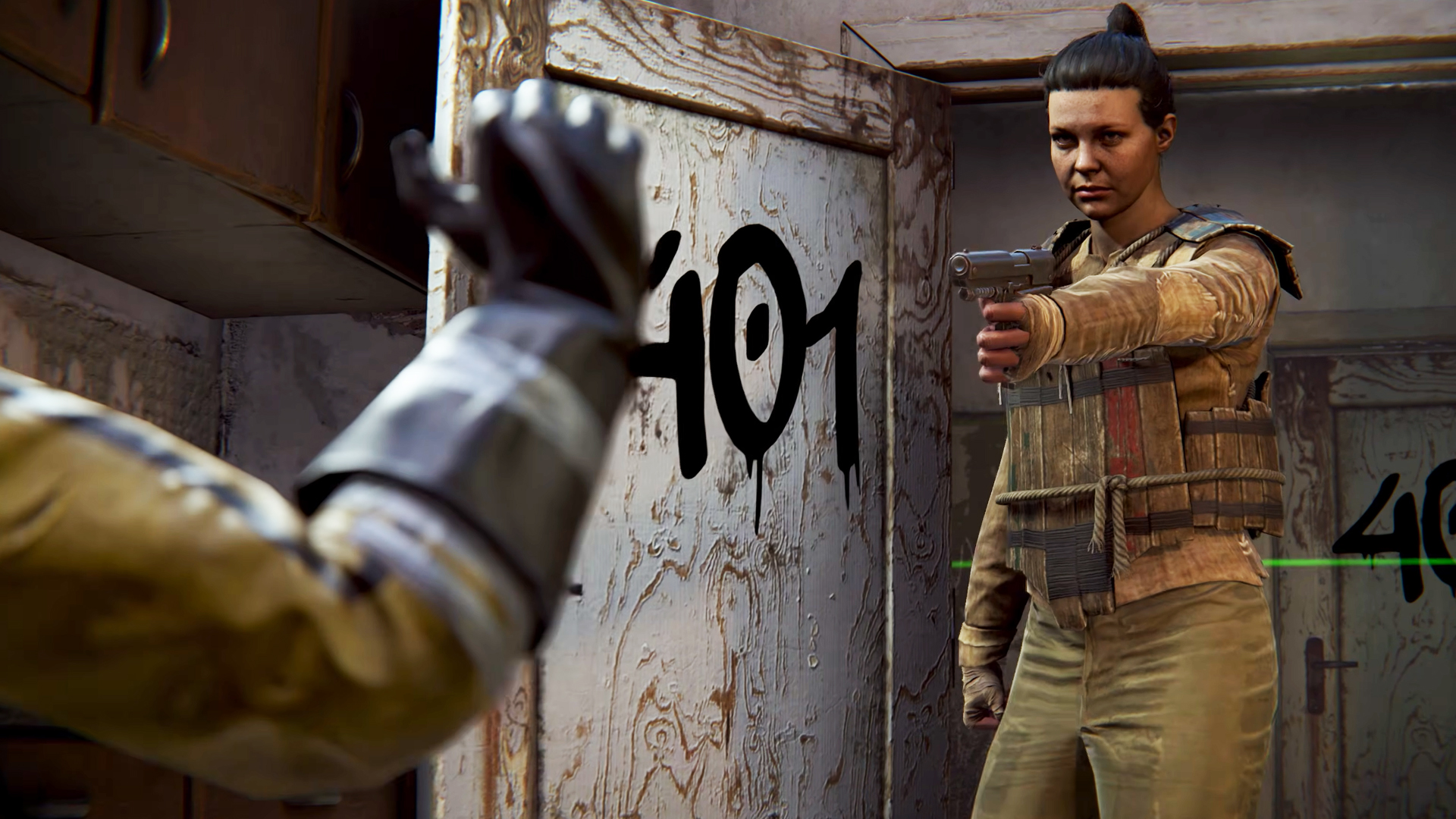
The centerpiece of the "Common Ground" update is the addition of a massive, player-accessible apartment monument. This new structure is designed to offer a safe haven—or at least a more structured living environment—for players struggling to gain a foothold during the early stages of a server wipe.
"The apartment complex is a new monument that allows players getting started with a wipe to find a place to call home," states the official development blog from Facepunch Studios. "Simply talk to the receptionist in the lobby to get started and rent a room. There are options for every budget, from the basement to the penthouse. Different room types come with different perks, like more storage, furnaces, and more."
This system democratizes the initial grind. Rather than spending hours farming nodes for a foundation and external walls, new players can pay a fee to secure a pre-built living space. However, in true Rust fashion, the developers have ensured that the comfort of a roof over one’s head comes with strings attached.
The Chronology of Chaos: How the System Works
The implementation of the apartment system follows a strict, punishing logic that mirrors the game’s broader economic philosophy.
- The Leasing Phase: Upon arrival at the monument, players engage with an NPC receptionist to lease a room. These spaces vary in quality, with higher floors (penthouses) presumably offering greater utility or prestige compared to the basement units.
- The Maintenance Cycle: The player must actively contribute resources—specifically, scrap—into a slot adjacent to their unit’s door. This serves as a "rent" payment.
- The Eviction Clause: Should a player fail to maintain their rent payments, they face immediate eviction. In Rust, eviction is not merely a polite notice; it is a total forfeiture of assets. Any items left within the unit are seized, leaving the player destitute.
- The Security Vulnerability: Adding a layer of high-stakes tension, a "Master Key" exists somewhere on the island. Any player fortunate or cunning enough to locate it can bypass security protocols and enter any occupied room for a five-minute window. To add to the paranoia, rumors suggest a shady NPC in the building’s basement may hold the secrets required to track down the key.
Supporting Data and Economic Implications
The inclusion of the apartment complex isn’t merely a social experiment; it is a significant economic shift for the Rust ecosystem. By creating a centralized hub, Facepunch is effectively forcing player interaction in a way the game previously discouraged.
Furthermore, the update introduces a marketplace within the complex. Players can purchase and operate commercial storefronts, turning the apartment lobby into a bustling, albeit dangerous, trade hub. This shifts the focus from purely nomadic raiding to sedentary commerce. However, the inherent fragility of this system is highlighted by the developer’s design choice: if a player decides they want a shop location that is already occupied, they can simply outbid the current tenant in scrap. This "hostile takeover" mechanic ensures that capitalism in Rust remains just as violent as its combat.
Official Responses and Developer Intent
Facepunch Studios has remained characteristically candid about the nature of this update. By inviting players to occupy a space that can be taken away at any moment, the developers are leaning into the "psychological horror" of survival gaming.
"Need a hint as to what room to burgle? There might be a guard in the basement who has more information," the developers teased in their patch notes. This acknowledgement that the apartment building is designed to be a site of robbery, rather than a sanctuary, underscores the studio’s commitment to the Rust ethos: nowhere is safe, and every convenience is a trap.
Implications for the "Softcore" Community
Beyond the apartments, the "Common Ground" update introduces vital quality-of-life improvements, particularly for the game’s "softcore" mode. These changes are aimed at curbing the burnout that often plagues new players.
- Resource Multipliers: A 2x multiplier on resource gathering has been implemented, significantly reducing the time-sink associated with basic construction.
- Raid Windows: One of the most requested features, restricted raid windows, has arrived. Base raids are now limited to the hours of 6:00 pm to 9:00 pm local server time. This ensures that players aren’t losing their entire progress while they are asleep or at work, a major deterrent for casual players in the past.
- Systemic Overhauls: The update also introduces a new, more robust clan system to facilitate team management, alongside improved character animations and the return of Twitch drops, keeping the game’s engagement metrics high.
A New Era of Urban Warfare
The integration of apartments into Rust is a masterstroke of design that challenges the player base to adapt to a new form of conflict. For years, the "base" was a private fortress. Now, the "base" is a public utility with a landlord, a rental agreement, and a target on its door.
This update effectively turns the apartment complex into a microcosm of the entire game. It is a place where players are forced to coexist in close proximity, creating a "powder keg" dynamic where commerce, theft, and social maneuvering occur in the same hallways.
Whether this will lead to a more sustainable experience for solo players or simply create a new, centralized arena for griefing remains to be seen. However, one thing is certain: the developers at Facepunch Studios have successfully added a layer of complexity that keeps Rust fresh. In an environment where the goal is survival, the ability to rent an apartment might just be the most dangerous gamble yet.
As the community continues to test the limits of the new monument, the "Common Ground" update stands as a testament to the game’s evolution. It is no longer just about who has the biggest gun or the thickest walls; it is now about who can pay their rent, manage their shop, and keep their master key hidden from the prying eyes of the neighborhood burglar. In the world of Rust, the struggle for survival has moved indoors, and the stakes have never felt more personal.

