

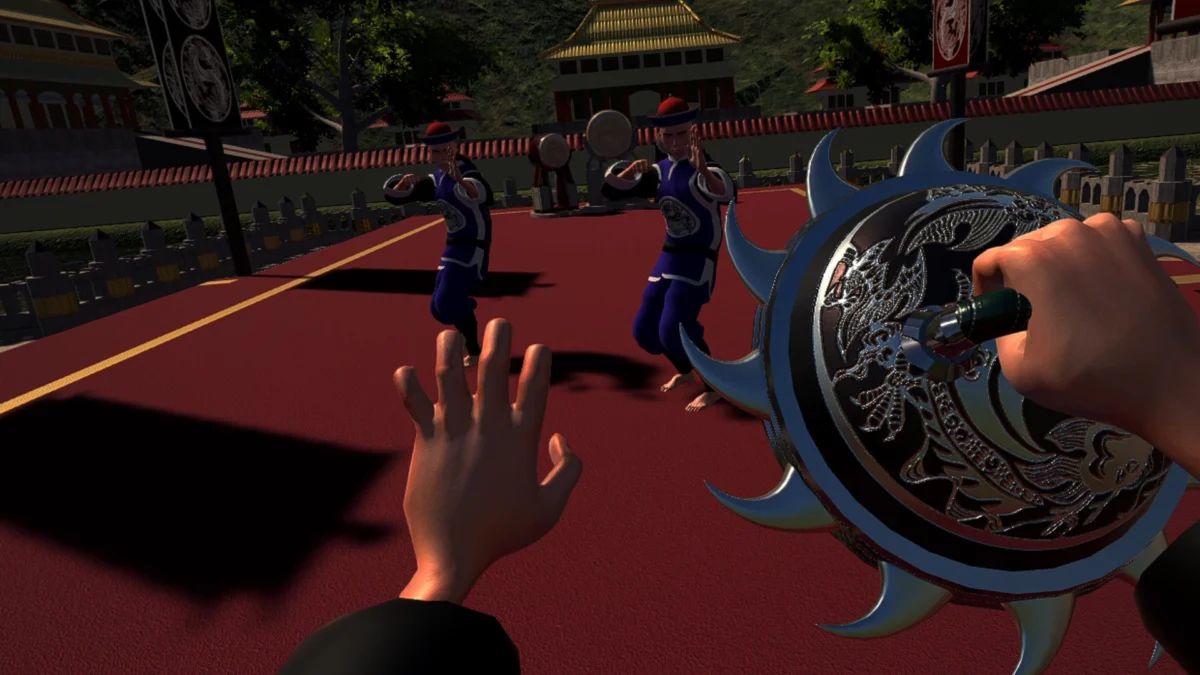
In the rapidly expanding landscape of Virtual Reality (VR), few genres have struggled as much with the "immersion barrier" as the fighting game. Translating the kinetic, high-stakes intensity of hand-to-hand combat into a digital space while maintaining physical feedback has long been the "holy grail" of VR developers. With the release of Dragon Fist: VR Kung Fu, the industry has taken a significant stride forward, proving that with the right mechanics, VR can move beyond simple tech demos and into the realm of deep, tactical gameplay.
The Core Experience: Precision Over Power
Dragon Fist: VR Kung Fu is a first-person fighting title that eschews the arcade-style button-mashing of traditional fighting games in favor of authentic, physics-based movement. Unlike titles that rely on scripted animations, Dragon Fist requires players to physically execute their strikes.
The game’s combat system is its crown jewel. Players utilize a variety of strikes—punches, palm strikes, and finger jabs—each mapped to the user’s physical input. This is not merely a "swing your arms" simulator; the game rewards precision. Striking an opponent in the eyes causes a visual impairment, momentarily blinding them and opening them up for a combo. A targeted strike to the lower ribs forces the opponent to lose stamina, slowing their recovery and making them vulnerable to a finishing blow.
This mechanical depth forces the player to adopt a strategic mindset. As the difficulty ramps up, the "swing wildly" approach—a common pitfall for VR novices—becomes a one-way ticket to defeat. Players must learn to manage their own stamina, anticipate enemy patterns, and exploit anatomical weaknesses, mirroring the discipline required in real-world martial arts.
A Brief Chronology: From Concept to VR Staple
To understand the impact of Dragon Fist, one must look at the timeline of its development and the broader context of the VR hardware market:
- Pre-2020: The VR fighting genre was dominated by rhythm games like Beat Saber or lightweight experiences where enemies were static targets. The lack of collision detection and complex enemy AI prevented the genre from maturing.
- Late 2020: The Oculus Quest 2 launch brought high-fidelity, standalone VR to the masses. Developers began shifting focus toward PC-VR/Quest hybrid titles, seeking to bridge the gap between enthusiast-grade hardware and consumer convenience.
- Early 2021: The development of Dragon Fist: VR Kung Fu became a focal point for those looking to utilize full-body tracking and sophisticated physics engines in an indie format.
- December 2021: The official release of the game on platforms like Steam. It arrived during a "renaissance" of VR utility, where tools like AirLink and Virtual Desktop made tetherless PC-VR play a viable reality for the average consumer.
- 2022 and Beyond: The game continued to receive updates, cementing its reputation as a "must-have" title for fitness-minded VR enthusiasts, effectively bridging the gap between a gaming experience and a cardiovascular workout.
Supporting Data: The Rise of the "Fitness-Gaming" Hybrid
The success of Dragon Fist is intrinsically linked to the "VR Fitness" movement. According to recent market analysis in the VR sector, titles that incorporate physical exertion as a core mechanic see significantly higher user retention rates than passive experiences.
- Physical Engagement: Unlike standard console games, Dragon Fist tracks heart rate spikes consistent with moderate-to-intense exercise. Players frequently report burning between 300 to 500 calories per hour during intensive sessions.
- Hardware Accessibility: The integration with the Quest 2’s wireless ecosystem is a critical data point. By removing the need for a physical "tether" to a PC, the game allows for a 360-degree range of motion, which is essential for the sidestepping and evasive maneuvers required in martial arts.
- User Demographics: Data from early Steam reviews indicates that the primary audience is not just traditional "gamers," but individuals looking for home-based exercise alternatives, marking a shift in the perceived value of VR gaming libraries.
The Character Roster: Variety as Strategy
One of the most praised aspects of the game is its diverse roster. Each character is not just a cosmetic skin; they represent different archetypes and fighting styles inspired by classic kung fu cinema.
- The Powerhouses: These characters prioritize heavy, slow strikes that deal massive damage but require precise timing to avoid leaving the player exposed.
- The Agility Specialists: These fighters are faster, focusing on rapid-fire jabs and footwork. They are ideal for players who want to "dance" around their opponents.
- The Defensive Masters: These characters excel at counter-punching. Their mechanics reward the player for waiting, parrying, and then unleashing a devastating riposte.
The inclusion of these distinct archetypes adds a layer of "meta-gaming." As you progress through increasingly difficult combatants, you find yourself selecting specific characters to counter the unique strengths of the AI, turning the campaign into a tactical puzzle rather than a straightforward slog.

Implications for the Future of VR Combat
The release of Dragon Fist carries several implications for the future of the VR medium:
1. The Death of "Artificial" Combat
The era of "waiving arms in the air to win" is effectively over. Dragon Fist proves that players crave a 1:1 correspondence between their physical intent and the digital result. Future developers will be pressured to implement more robust hit-detection systems and AI that reacts to specific body-part damage, rather than just a generalized "health bar."
2. VR as a Legitimate Fitness Tool
By proving that a high-quality game can also be a legitimate workout, Dragon Fist paves the way for a new sub-genre. We are likely to see more titles that bridge the gap between "hardcore gaming" and "health technology." This makes VR hardware a more attractive purchase for families and health-conscious individuals, expanding the total addressable market beyond the traditional "gamer" demographic.
3. Addressing the Hardware Ceiling
The review noted that the game occasionally struggles to keep up with high-speed, complex movements—a limitation of current-generation tracking technology. However, this "flaw" serves as a benchmark for future hardware developers. To reach the next level of immersive combat, companies must focus on sub-millimeter tracking accuracy and reduced latency, ensuring that the "ghosting" or missed inputs remain a relic of the past.
Conclusion: A New Standard for the Ring
Dragon Fist: VR Kung Fu is more than just a game; it is a proof-of-concept for what virtual martial arts can be. By balancing technical depth with accessible mechanics, it manages to satisfy both the casual player looking to blow off steam and the enthusiast looking to master a complex, physical combat system.
While the hardware still poses minor constraints, the software design pushes against those boundaries with impressive tenacity. Whether you are in it for the tactical challenge of the campaign, the sheer joy of the workout, or the nostalgic appeal of classic kung fu tropes, Dragon Fist stands as a pillar of the current VR library. As VR technology continues to mature, we expect to see more developers following the path laid by this title, further blurring the lines between digital entertainment and physical reality.
The future of fighting games is no longer confined to a screen; it is unfolding in the space right in front of you. With Dragon Fist, you aren’t just watching the fight—you are throwing the punch.

