

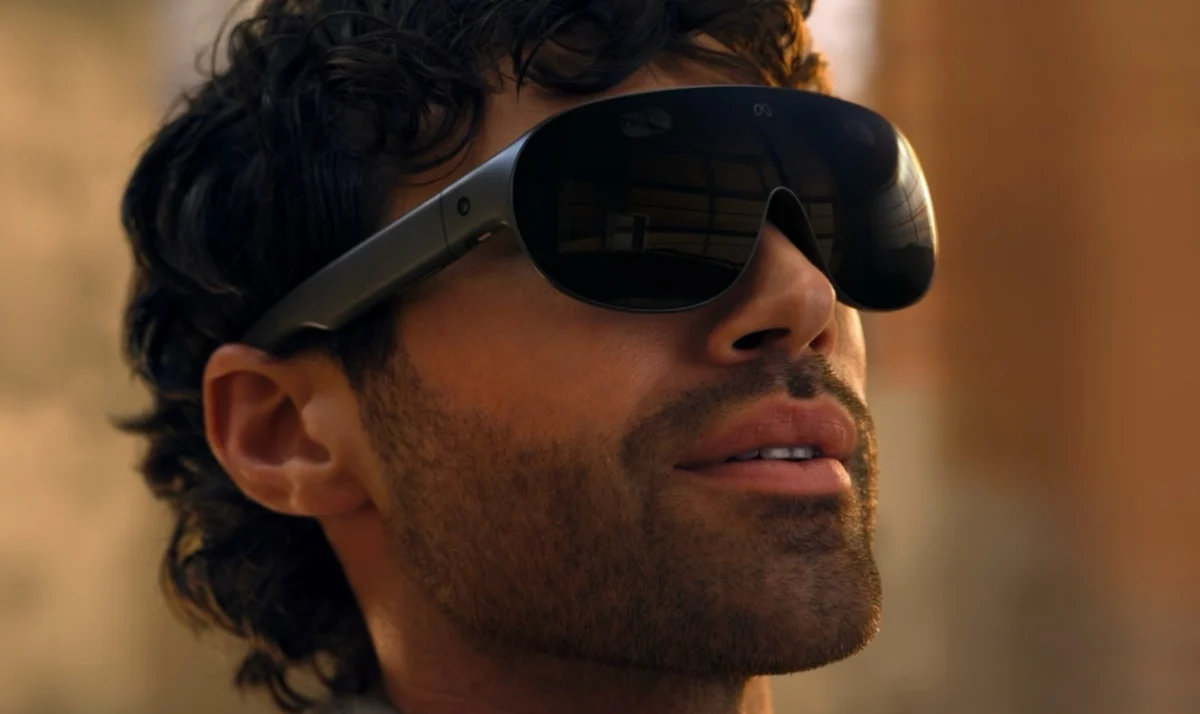
Meta is doubling down on its commitment to the "metaverse" by shifting focus from experimental social platforms to high-end, consumer-facing hardware. With the announcement of the Meta VR Glasses—slated for a spring release with a $1,300 price tag—the tech giant is signaling a maturation of its wearable strategy. Moving away from the "expensive failures" of its early virtual reality iterations, Meta is positioning this new device as a premium entertainment hub, bolstered by a massive roster of streaming partners and sports broadcasters.
Main Facts: A Premium Entrance into the Wearable Market
The Meta VR Glasses represent a pivotal moment for Mark Zuckerberg’s company. Priced at $1,300, the device is positioned in the mid-to-high tier of the spatial computing market, aiming to provide a refined experience that justifies its cost through a dense ecosystem of content. Unlike previous iterations that prioritized bulky, all-in-one headsets, these glasses lean into the aesthetic lessons learned from the company’s collaboration with EssilorLuxottica on its Orion smart glasses line.
The device features a "puck" design—a detached processing unit that allows the glasses themselves to remain lightweight and comfortable for extended viewing. This design philosophy appears to draw inspiration from competitors like ByteDance’s Pico line, prioritizing ergonomics without sacrificing power.
At launch, the glasses will arrive pre-loaded or compatible with a staggering array of entertainment giants, including Prime Video, YouTube, Peacock, HBO Max, Paramount+, DIRECTV, AMC+, Crunchyroll, Plex, and Tubi. Beyond entertainment, Meta is making a play for the "second screen" sports experience, integrating NBA, MLB, ESPN, NBC Sports, TNT Sports, and UFC coverage. This isn’t just about watching a movie; it is about creating a personalized, stadium-like environment within a living room.
A Chronology of Meta’s Wearable Evolution
Meta’s journey to this moment has been characterized by trial, error, and an aggressive pivot in strategy.
- October 2021: Facebook officially rebrands to Meta, signaling a "metaverse-first" future. The initial reception is mixed, as skepticism grows regarding the company’s ability to move beyond social media.
- 2022-2023: Meta suffers significant losses in its Reality Labs division. The Horizon Worlds platform, once touted as the future of digital social interaction, is widely criticized as an expensive failure, plagued by low user retention and graphical limitations.
- September 2024: Meta gains critical acclaim for its Orion smart glasses. The partnership with Ray-Ban parent company EssilorLuxottica proves that Meta can produce hardware that is actually fashionable, finally shedding the "clunky tech" reputation of earlier VR headsets.
- May 2025: Meta accelerates its retail strategy, opening a series of pop-up stores globally. The goal is to get hardware directly into the hands of consumers, moving beyond online-only sales.
- November 2025: A flagship L.A. brick-and-mortar location opens, serving as a high-end showroom for Quest headsets and the burgeoning wearable lineup.
- July 2026: Competition heats up as ByteDance’s Pico line makes significant strides in international markets, forcing Meta to refine its ergonomic designs.
- Present Day: Meta unveils the Meta VR Glasses, an amalgamation of the design lessons from Orion and the functional requirements of high-end spatial entertainment.
Supporting Data: Why Content is the New Hardware King
The $1,300 price tag is undeniably steep, but Meta’s strategy hinges on the "value-add" of its content partnerships. In the current market, hardware is merely a delivery mechanism; the user experience is dictated by the depth of the library.
Meta’s aggressive pursuit of sports and streaming partnerships is a direct response to the "walled garden" approach of competitors like the Apple Vision Pro. By securing major broadcast rights and streaming apps early, Meta is attempting to turn the VR glasses into a viable television replacement.
Furthermore, the shift toward a detached processing unit (the "puck") is backed by market research indicating that user fatigue is the primary reason for low adoption rates in VR. By reducing the weight on the wearer’s face, Meta is betting that users will stay in the headset for three to four hours at a time—the duration of a sporting event or a double-feature movie—rather than the 30-minute bursts typical of current-generation Quest usage.
Official Responses and Strategic Rationale
Meta’s leadership has been notably quiet regarding specific technical specifications, but the company’s public statements reflect a clear pivot toward "lifestyle integration." A spokesperson for the company recently emphasized that the Meta VR Glasses are "the next evolution of the screen."
Internal discussions suggest that the company is moving away from the term "metaverse" in favor of "spatial computing" and "immersive entertainment." This nomenclature shift is a strategic move to disassociate the product from the negative press surrounding Horizon Worlds. The company is instead focusing on the "Orion-inspired" design—prioritizing the intersection of fashion and function.
While the partnership with James Cameron and Lightstorm Entertainment remains under wraps, the industry anticipates that this collaboration will yield exclusive, high-fidelity content designed specifically to push the graphical limits of the new glasses. This original content is viewed by analysts as the "killer app" that could eventually lure users away from established gaming platforms like Roblox.
Implications: The Battle for the Immersive Future
The implications for the tech industry are profound. Meta is effectively attempting to capture the "middle ground" of the wearable market. By pricing itself below the ultra-premium enterprise headsets but above the entry-level gaming headsets, Meta is creating a new category: the "Premium Media Wearable."
The Roblox Factor
Perhaps the most interesting challenge for Meta is not Apple or Samsung, but the rise of platforms like Roblox. While Meta focuses on high-definition movies and live sports, Roblox has successfully cultivated an entire generation of digital natives who spend hours in virtual spaces every day. If Meta wants its glasses to be the "gold standard," it must bridge the gap between passive content consumption (watching a movie) and active social participation (the kind Roblox provides).
Impact on Retail and Real Estate
Meta’s push into physical retail is a gamble that the average consumer still needs to be "sold" on VR in person. The success of the L.A. flagship store will likely dictate the company’s expansion strategy for 2027 and beyond. If the store succeeds as a cultural hub, expect to see "Meta Lounges" in major metropolitan areas globally.
Long-term Viability
The Meta VR Glasses represent a long-term capital investment. Meta is currently burning through billions in its pursuit of dominance in the wearable space. If these glasses fail to gain traction, the company may be forced to scale back its hardware ambitions significantly. However, if the device hits its mark, it could cement Meta as the primary interface for digital entertainment, fundamentally changing how we consume media.
Conclusion
As spring approaches, the tech world will be watching closely to see if Meta has finally found the "sweet spot." By balancing the design elegance of the Orion line with the functional necessity of a deep, partner-rich content library, Meta is making its most convincing case yet for the viability of wearable tech. The road from the failures of Horizon Worlds to this upcoming launch has been long and expensive, but the Meta VR Glasses suggest that the company has finally learned the most important lesson of all: users don’t want to live in a "metaverse"—they want to watch, play, and connect in a world that feels as natural as the one they already inhabit.

