

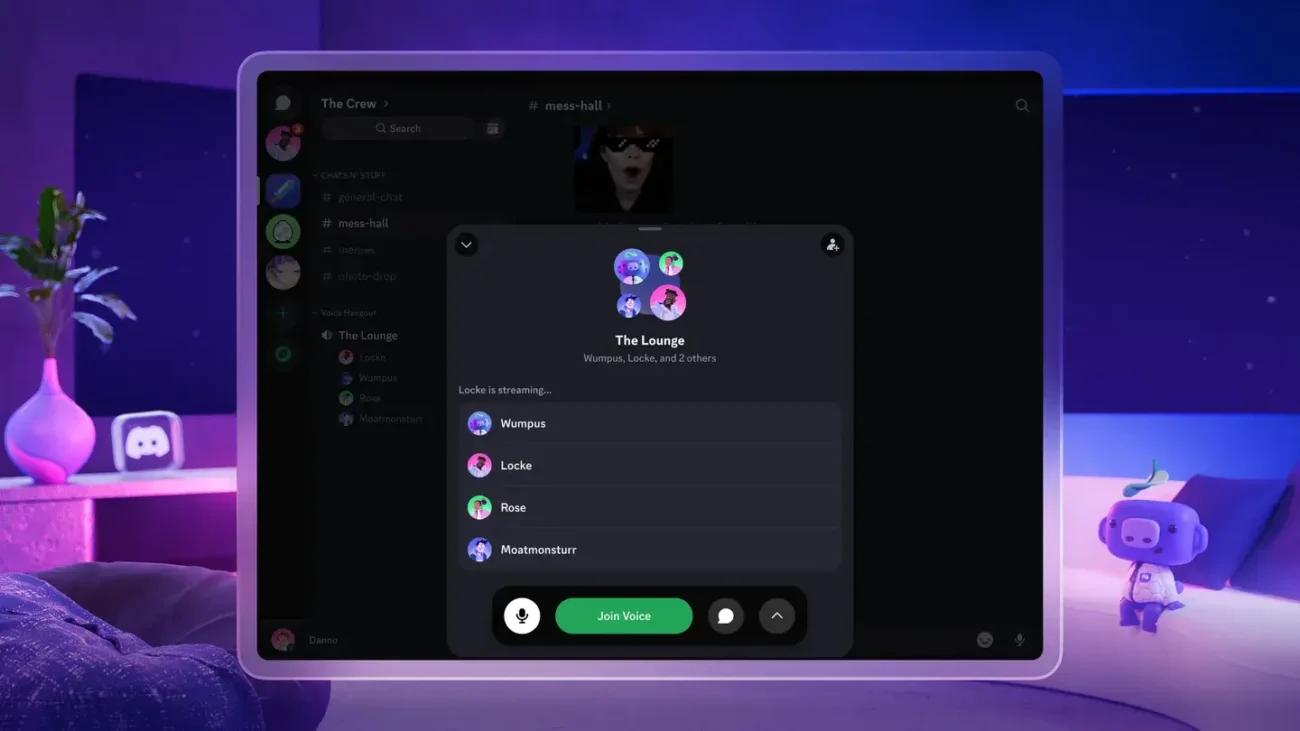
The landscape of social virtual reality has shifted significantly this week as Discord, the world’s premier communication platform for gamers, has officially launched as a native 2D application on the Meta Horizon Store. For years, Meta Quest users have clamored for a seamless way to stay connected with their communities while traversing the metaverse. While the arrival of the app marks a major milestone in Meta’s strategy to position the Quest as a comprehensive gaming ecosystem, early reports suggest that the "native" experience is currently a double-edged sword: highly requested, yet technically volatile.
The Core Functionality: Bridging the Gap
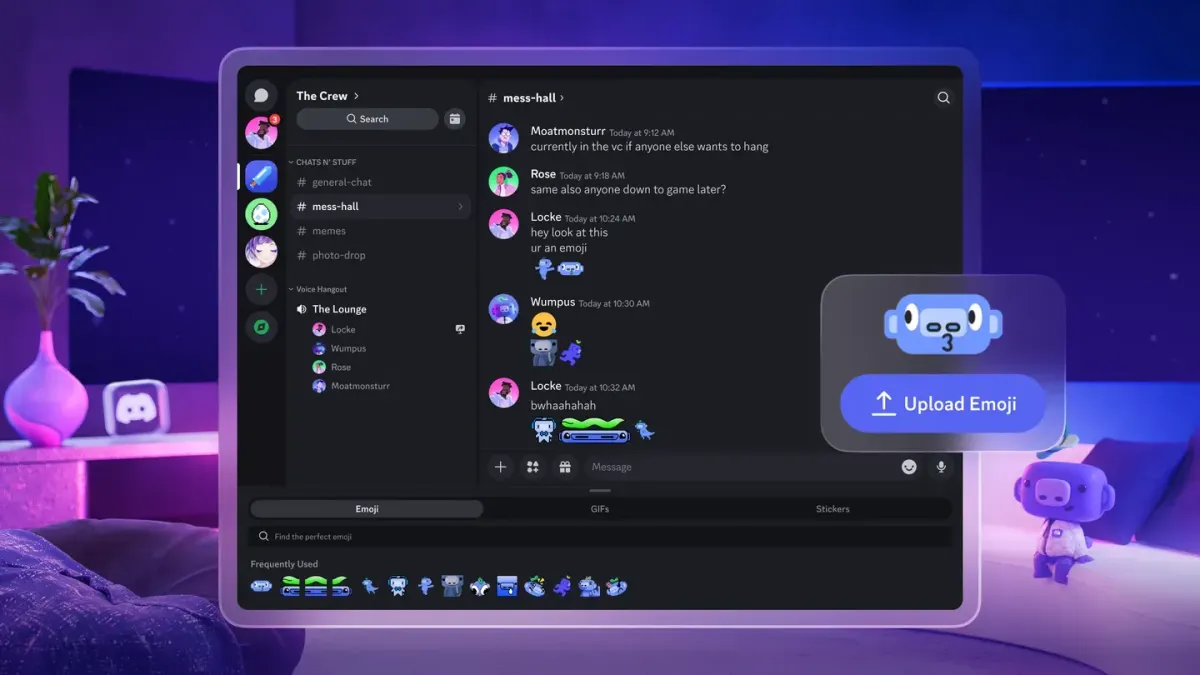
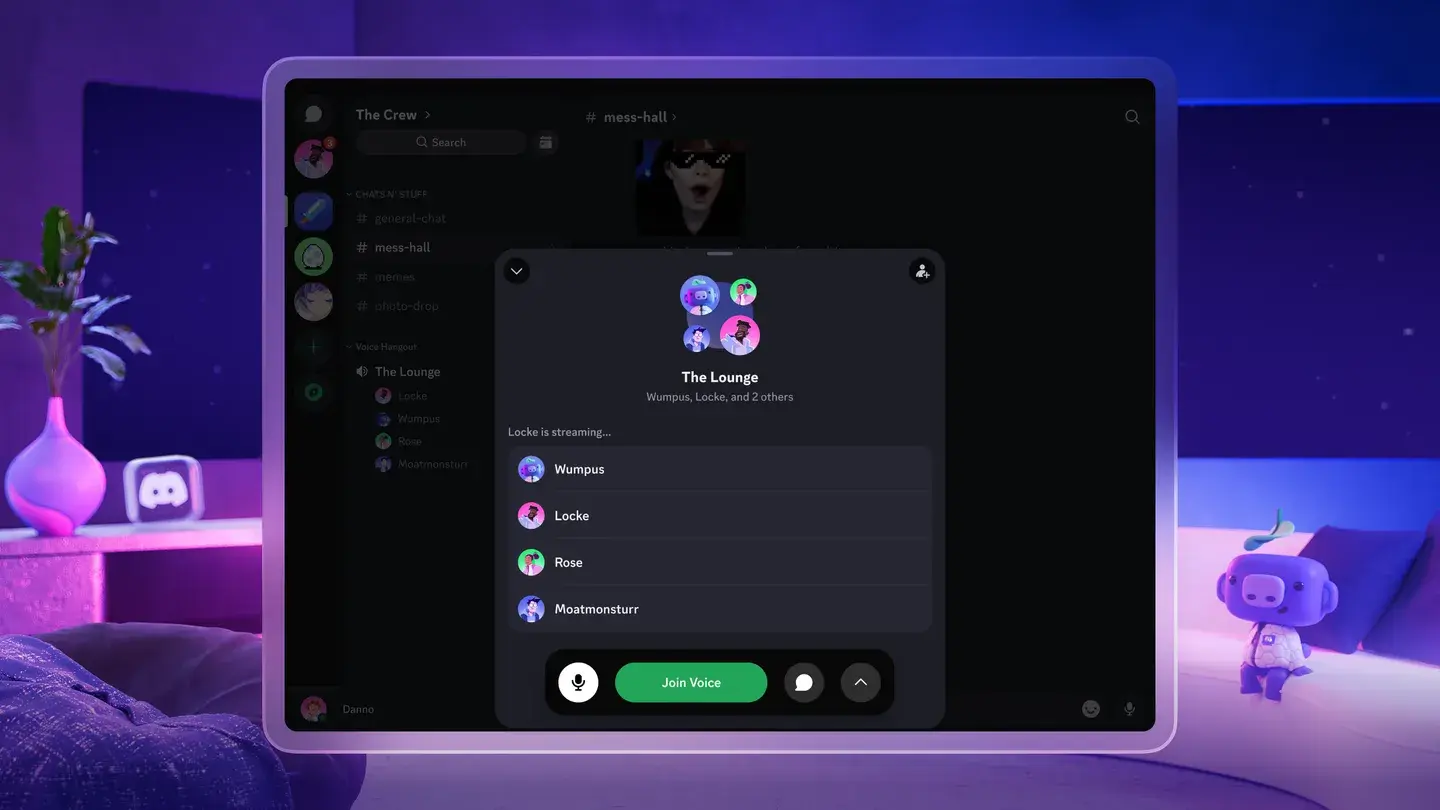
The new Discord application brings the familiar desktop and mobile experience directly into the Quest’s operating system. Users can now engage in text and voice channels, view their friends’ live streams, and—perhaps most significantly—broadcast their own first-person VR perspective directly to Discord servers.
Previously, users were forced to rely on cumbersome workarounds. The most common method involved casting the Quest’s display to a PC web browser and then capturing that window via the desktop version of Discord. This process was not only "janky" and prone to latency issues but also required a significant amount of hardware overhead. By moving to a standalone app, Discord promises a more streamlined workflow, allowing users to coordinate raids, hang out in voice chats, and share gameplay moments without ever removing their headsets.
A Chronology of Integration
The journey toward this release has been a multi-year effort in tightening the synergy between Meta and Discord.
- September 2025: During the annual Meta Connect conference, executives first teased the integration, promising a deeper level of connectivity that would move beyond simple web-based workarounds.
- December 2025: Meta and Discord rolled out the "Rich Presence" feature, allowing users to link their Meta accounts to their Discord profiles. This enabled the automatic sharing of a user’s current Quest activity as their Discord status, providing friends with real-time visibility into which VR titles or Horizon Worlds they were currently exploring.
- July 2026: The official standalone Discord app arrives on the Meta Horizon Store, marking the completion of the integration roadmap presented the previous year.
The Technical Reality: A Rough Launch
Despite the excitement surrounding the release, the user experience has been met with significant criticism. As of this writing, the app holds a lukewarm 3-star rating on the Meta Horizon Store, with a recurring narrative of instability.
The primary point of contention is the app’s resource management. Testing conducted by industry observers—including reports from UploadVR—indicates that the application is remarkably demanding. When running alongside intensive VR titles, the app frequently pushes the Quest 3’s 8GB of RAM to its absolute limits.
In high-fidelity environments, such as the expansive landscapes of Asgard’s Wrath 2 or the chaotic combat sequences in Deadpool VR, the Discord app has been observed causing catastrophic system crashes. For many users, attempting to stream their gameplay while simultaneously managing a voice chat results in the game engine failing to load new assets, leading to hard freezes that necessitate a full system reboot.
The Nitro Incentive and Its Limitations
As part of the launch promotion, Meta and Discord are offering a one-month trial of Discord Nitro to new users who download and sign in through the Quest app. This premium tier includes high-definition streaming, increased file upload limits, and enhanced profile customization options.

However, the rollout of this incentive has been met with mixed feedback. A common complaint among the community is that the offer is exclusively for new or lapsed subscribers. Existing Nitro users report that they receive no extension or credit for their loyalty, a point of friction that has further contributed to the app’s lower-than-average store rating. Furthermore, the redemption process—which requires users to monitor notifications within the Meta Horizon smartphone app—has been described as non-intuitive by several users.
Why Native Beats the Browser
It is important to acknowledge why a native app is still superior to the previous browser-based method, despite the current bugs. While the Horizon OS web browser has long allowed users to keep a Discord tab open in the background, the experience was notoriously inconsistent.
Browser-based voice chat often struggled with microphone prioritization, where the VR game would occasionally hijack the audio input, leaving the user muted in their Discord channel. Additionally, background browser tabs were often suspended by the OS to save memory, leading to missed messages and dropped voice connections. A native application, theoretically, has the authority to request persistent background status, system-level notifications, and direct access to the audio hardware, which should—once the bugs are ironed out—provide a far more reliable social experience.
Looking Ahead: The Promise of Deeper Integration
Despite the current technical hurdles, there is reason for optimism. The partnership between Meta and Discord appears to be moving beyond simple communication. Recent findings by XR enthusiasts—such as those highlighted by industry researcher "Luna"—point toward an upcoming feature that would allow users to join multiplayer sessions directly from a Discord chat link.
If Meta can successfully enable "Join Game" functionality, it would revolutionize how VR social groups organize. Currently, inviting a friend into a specific room or lobby often involves a complex sequence of navigating in-game menus. A direct link from a Discord message would drastically reduce the "time to play," making the Quest feel more like a cohesive social platform than a collection of disparate game experiences.
Implications for the VR Industry
The struggle to run a simple communication app on standalone hardware like the Quest 3 highlights the growing pains of mobile VR. As developers continue to push the visual fidelity of standalone titles, the headroom for multitasking apps like Discord shrinks.
Meta now faces a dual challenge:
- Optimization: They must work closely with Discord to optimize the app’s RAM usage, potentially by offloading certain processes or utilizing the system’s background task management more efficiently.
- Platform Stability: They must ensure that the operating system’s "app-switching" capabilities do not prioritize background tasks in a way that compromises the core gaming experience.
For the user, the arrival of Discord on Quest is a "beta" in every sense of the word. It represents the necessary first step toward a more connected VR future, but one that currently requires a high tolerance for troubleshooting and occasional hardware crashes.
Conclusion: Patience is Required
For those who have been waiting for a way to voice chat with friends without needing to tether a PC or manage a smartphone alongside their headset, the native Discord app is a welcome addition to the Meta Horizon Store. It facilitates a level of connectivity that was previously impossible.
However, users should approach the current version with tempered expectations. Until the inevitable patches arrive to address the memory-related crashes and stability issues, the app is best utilized for light text chatting or simple voice calls rather than high-performance gameplay streaming. The promise of the platform is clear: a unified, social-first VR experience. Whether Meta and Discord can fulfill that promise through software updates will be the true test of this integration’s longevity.
For now, the app serves as a reminder that as the metaverse grows more complex, the underlying hardware—even the capable Quest 3—remains a platform under constant pressure to deliver more than its original design parameters once intended. Stay tuned for future updates, as it is highly probable that the current state of the app is merely the first iteration in a long-term development cycle.

