

For nearly a century, the Walt Disney Company has served as the gold standard of traditional Hollywood storytelling. From the hand-drawn cells of Steamboat Willie to the sprawling, multi-billion-dollar cinematic universes of the modern era, Disney has defined what it means to be a "major studio." However, as the digital landscape undergoes a seismic shift, the entertainment giant is signaling that the future of cinema may not be born in a boardroom, but on a smartphone screen.
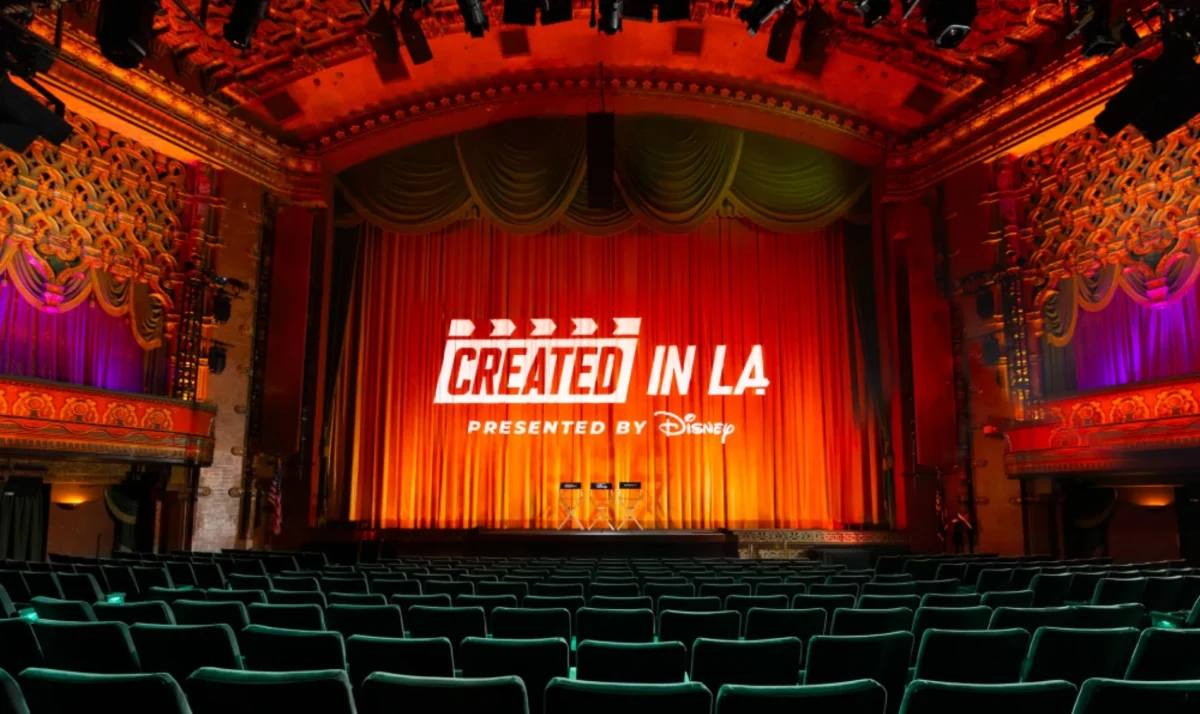
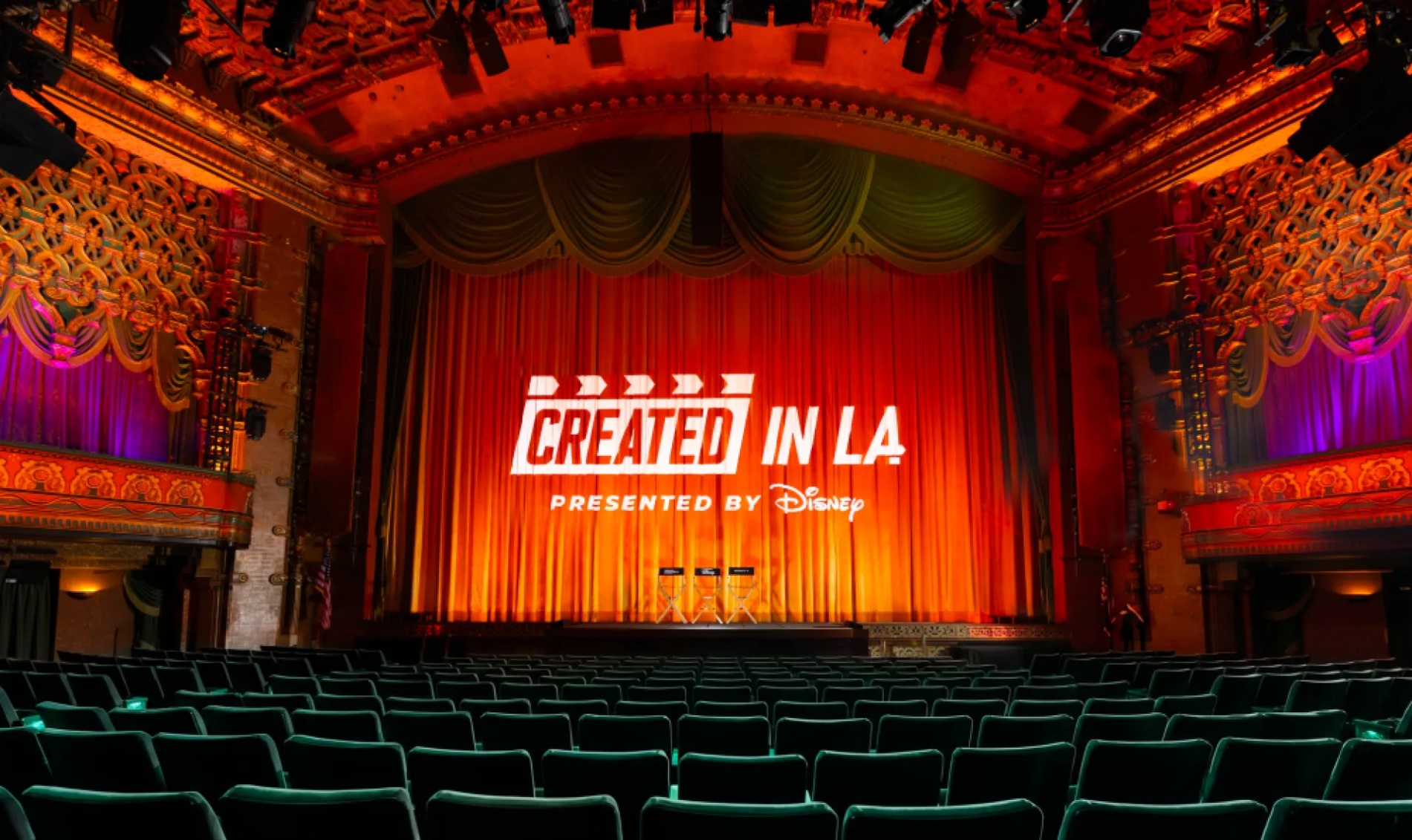
In a historic pivot, Disney has announced a collaborative venture with creator economy strategist and YouTube luminary Jon Youshaei. Titled "Created in L.A.," the two-day event is designed to bridge the widening gap between traditional studio infrastructure and the agile, high-engagement world of independent digital creators. By opening the doors to its most hallowed grounds, Disney is effectively inviting the next generation of filmmakers to trade their bedroom studios for the silver screen.
The Core Facts: A Two-Day Convergence of Worlds
"Created in L.A." is not merely a networking mixer; it is a high-profile statement of intent. The event, scheduled for September 17 and 18, is bifurcated into two distinct experiences designed to validate the creator medium as a legitimate branch of cinema.
On September 17, the legendary El Capitan Theatre—the crown jewel of Hollywood Boulevard and the site of countless Disney premieres—will host a red-carpet event dedicated exclusively to creator-led content. The objective is to treat digital shorts and independent features with the same level of prestige, fanfare, and industry scrutiny as a Marvel or Pixar tentpole.
The following day, September 18, the epicenter of the industry shifts to the Walt Disney Studios lot in Burbank. Here, the tone transitions from celebration to strategy. A one-day conference will bring together top-tier Hollywood executives and the most influential voices in the creator economy to engage in high-level discourse regarding the integration of digital-first creators into the professional studio pipeline.
Chronology of a Shift: How We Got Here
The genesis of "Created in L.A." did not happen in a vacuum. It is the culmination of a decade-long migration of talent and audience attention away from linear television and toward algorithmic discovery.
The Rise of the Creator-Auteur
In recent years, the wall between "YouTuber" and "Director" has become increasingly porous. We have witnessed a paradigm shift where digital creators are no longer just internet personalities; they are full-fledged production houses. Directors like Kane Parsons and Curry Barker have proven that horror-focused creator content can not only generate millions of views but also translate into tangible, box-office success.
The Infrastructure of Change
The industry began to notice this shift in earnest around 2025. As platforms like YouTube expanded their reach, the "creator economy" moved from a fringe movement to a cornerstone of media consumption. Notable milestones include:
- Late 2025: YouTube secures historic broadcast rights for the Academy Awards, signaling that the traditional gatekeepers of cinema are willing to concede ground to the platform.
- Early 2026: Creators Colin and Samir host high-profile events for Hollywood-minded creators, effectively creating an incubator space for those looking to scale their production values.
- Mid-2026: Disney begins a systematic push toward short-form integration, testing the waters through strategic partnerships and a newfound interest in the rapid-fire storytelling that defines TikTok and YouTube Shorts.
Supporting Data: Why Disney is Turning to Creators
The decision to host "Created in L.A." is rooted in hard data. Modern audiences are increasingly demonstrating a preference for the "creator-auteur"—individuals who maintain a direct, authentic relationship with their audience.
The Box Office Disruption
The commercial viability of creator-led content is no longer a hypothesis. Data from 2026 shows that mid-budget horror films, often spearheaded by creators who cut their teeth on YouTube, are outperforming legacy studio projects in terms of return on investment (ROI). While legacy studios struggle with the skyrocketing costs of blockbuster production, creators are delivering massive engagement at a fraction of the budget.
The Talent Pipeline Problem
For decades, the path to a studio directorial chair was linear: film school, assistant positions, short films, and decades of networking. Today, that pipeline is archaic. Disney is looking at a pool of millions of active, experienced editors, writers, and directors who have spent years perfecting the art of "hook-based" storytelling. By integrating these individuals, Disney is effectively outsourcing its innovation to a workforce that already has a proven track record of audience retention.
Official Perspectives: Bridging the Gap
The partnership between Disney and Jon Youshaei is a calculated move to ensure that the transition feels authentic rather than corporate. Youshaei, whose own YouTube channel serves as a blueprint for creator success, emphasized the gravity of the event in a recent statement.
"This is historic," Youshaei stated. "After 100 years, it’s surreal to see Disney open two of its most iconic venues—the El Capitan Theatre and the Walt Disney Studios lot—to creators. We are witnessing the moment when the worlds of Hollywood and digital creators grow closer than ever."
For Disney, the message is clear: they are not looking to replace creators; they are looking to be their primary partner. By providing the resources of a major studio—CGI suites, sound stages, and distribution muscle—to those who already have the creative vision, Disney hopes to secure the next generation of blockbuster talent before competitors can.
Implications: The Future of the "Movie"
The "Created in L.A." event poses a provocative question to the industry: What if the videos being released on YouTube today are the true future of cinema?
The End of the "Digital" vs. "Traditional" Dichotomy
If successful, this event will effectively blur the lines between digital content and feature-length cinema. We are entering an era where the platform (YouTube, TikTok, Netflix, or Theaters) matters less than the pedigree of the storytelling. The prestige of an El Capitan premiere validates the creator’s work, potentially leading to a new "creator-first" category of studio films.
The Challenges Ahead
Despite the optimism, the transition is fraught with challenges. The "creator-to-Hollywood" pipeline is not without its critics. Many argue that the algorithmic, fast-paced nature of creator content is incompatible with the slow-burn, narrative-heavy structure of traditional film. Furthermore, the question of creative control remains a sticking point: will creators be allowed to retain their authentic voice, or will they be diluted by the traditional "studio machine"?
As Digiday and other industry observers have noted, there is a "ceiling" that creators often hit when trying to move into the studio space. "Created in L.A." is essentially a stress test to see if that ceiling can be shattered.
Conclusion: A Hand-Selected Future
As the application process for "Created in L.A." begins, the message to the creator community is clear: Disney is watching. Jon Youshaei has noted that every attendee is being "hand-selected," implying that this is not a general cattle call but a curated talent search.
For those creators who have spent their careers building audiences one subscriber at a time, this event represents the ultimate validation. Whether or not this leads to a new generation of Disney-produced, creator-led films remains to be seen. However, one thing is certain: the Mouse House is no longer just watching the digital revolution from the sidelines. They are inviting it onto the lot, setting the stage, and waiting for the next great story to be told.

