

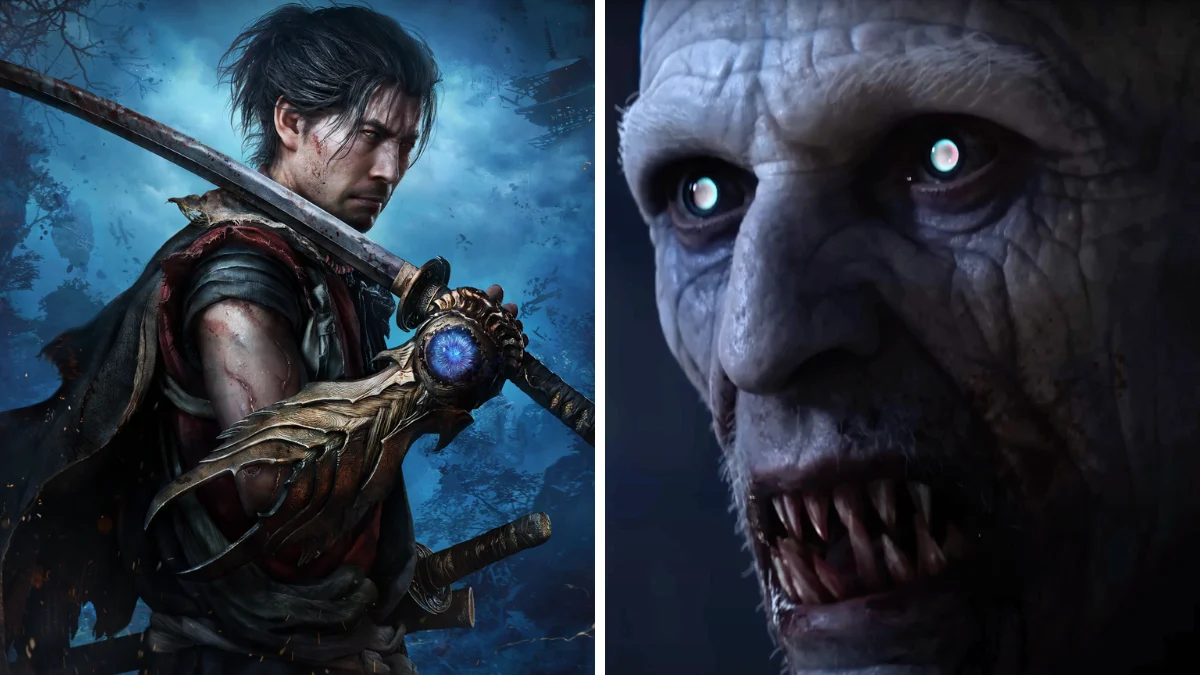
In a surprise strategic pivot, Capcom has announced that the highly anticipated Onimusha: Way of the Sword will arrive in the hands of players three weeks earlier than previously scheduled. Originally slated for a September 25, 2026, release, the PS2-era reboot—which has garnered significant critical acclaim during its preview cycle—will now launch on September 4. This decision marks the second time this year that the publisher has accelerated a major release, following the eleventh-hour move to pull forward the release of the enigmatic title Pragmata.
As the industry navigates an increasingly dense 2026 release calendar, this tactical shift signals more than just a change in shipping dates; it reflects a calculated attempt by Capcom to carve out a dominant market position before the industry hits the volatile mid-autumn release window.
The Chronology of a Strategic Pivot
The announcement, delivered via a succinct press release on Tuesday, caught industry analysts off guard. For months, Onimusha: Way of the Sword had been positioned as a late-September heavy hitter, locked into a high-stakes standoff against two major intellectual properties: Konami’s Silent Hill: Townfall and Remedy Entertainment’s Control Resonant.
By moving the launch to September 4, Capcom has effectively de-risked the title’s launch window. The initial schedule would have forced Onimusha to compete for shelf space and consumer attention with two of the most anticipated sequels in recent memory, both scheduled for September 24.
This is not the first time Capcom has engaged in such maneuvers. Earlier this year, the publisher’s decision to move Pragmata was met with speculation that the company was prioritizing internal performance metrics and avoiding potential "crowding" in the fiscal quarter. By shifting Onimusha forward, Capcom now faces only one major challenger: The Blood of Dawnwalker, the debut action-RPG from Rebel Wolves, a studio founded by former CD Projekt developers.
A Closer Look at the Competition
The competitive dynamic of September 2026 has been fundamentally altered. While Onimusha is a reimagining of a legacy franchise, The Blood of Dawnwalker represents a fresh, unproven entity.
Rebel Wolves, led by industry veterans who cut their teeth on the Witcher series, has positioned The Blood of Dawnwalker as a player-agency-focused experience. The studio has touted the game’s ability to allow players to complete quest lines in non-linear fashion, and perhaps most notoriously, the total freedom to eliminate any non-player character (NPC) within the game world without blocking the main narrative path. This level of extreme agency creates a unique value proposition for the RPG community, setting it apart from the more focused, action-oriented, and parry-heavy combat loop of Onimusha.
For Capcom, the gamble is clear: they are banking on the high brand recognition of the Onimusha name and the overwhelmingly positive reception from the gaming press to carry them through the early month.
The Critical Consensus: Why the Hype?
Despite the cynicism that often accompanies the "reboot" of a classic franchise, Onimusha: Way of the Sword has defied expectations. At the 2025 Summer Game Fest, the title was widely cited by critics as a standout experience. PC Gamer’s own Morgan Park noted that the title was the "best thing he saw" at the event, specifically praising the modernized combat mechanics that pay homage to the original PS2 classics while introducing a level of mechanical depth that feels contemporary.
Capcom has been hyper-aware of the community’s concerns regarding difficulty. Early public feedback suggested that the initial demo was too forgiving, a critique that prompted the development team to issue a public statement reassuring fans that the final product would feature a more robust, challenging experience. This responsiveness has been a cornerstone of the game’s marketing, building a bridge of trust between the studio and the hardcore fans who remember the brutal, satisfying combat of the original trilogy.
Implications for the Industry Calendar
The decision to move Onimusha highlights the frantic nature of the 2026 release schedule. September and October are currently packed with high-profile releases, creating a "bottleneck" effect where publishers must carefully choose their battles.
However, the industry’s eyes are already cast further ahead to November, a month that is famously being avoided by almost every major publisher. The reason for this collective hesitation is the impending launch of Grand Theft Auto 6. The sheer gravity of a new GTA release is expected to warp the entire market, suppressing the sales of virtually everything else.
Consequently, we are seeing a "musical chairs" scenario in the months leading up to November. Developers are either pushing their games to the safety of early September or delaying them into the following year. The only exceptions are boutique titles or experimental projects, such as the recently announced ’90s-style base builder Wielders of the Essence, which seem content to exist on the fringes of the major AAA release cycle.
Official Responses and Consumer Impact
For those who have already pre-ordered Onimusha: Way of the Sword, the transition is largely seamless. Capcom has clarified that the pre-order incentives—originally slated for the September 25 launch—will transition into an "early adopter bonus." This offer will remain valid through September 25, ensuring that those who purchase the game in the three weeks following the new launch date will not lose out on the exclusive in-game content.
This "early adopter" framing is a clever marketing tactic that effectively extends the launch window, allowing the game to maintain momentum beyond the initial day-one sales surge.
Looking Forward: A Pivotal Month for Action Gaming
As we approach September 4, the industry will be watching to see if Capcom’s gamble pays off. Can Onimusha: Way of the Sword maintain its momentum as the first major title of the month, or will the allure of The Blood of Dawnwalker prove too strong for the RPG-focused audience?
The success of Onimusha could signal a broader trend: a return to the "golden era" of Japanese action games, updated for a modern generation. If Capcom delivers on the promise of its demos, it will solidify the company’s current winning streak. If not, the move to an earlier release date might be viewed in hindsight as an admission of fear regarding the competition.
Regardless of the outcome, the shift serves as a stark reminder of the realities of the modern games industry. In an era of constant, high-budget competition, the difference between success and obscurity is often determined by a calendar, a well-placed marketing strategy, and the ability to strike when the market is most receptive.
For now, the stage is set. September 4 will see the blades unsheathed, and the players will ultimately decide whether Onimusha earns its place in the pantheon of modern action-adventure greats.

