

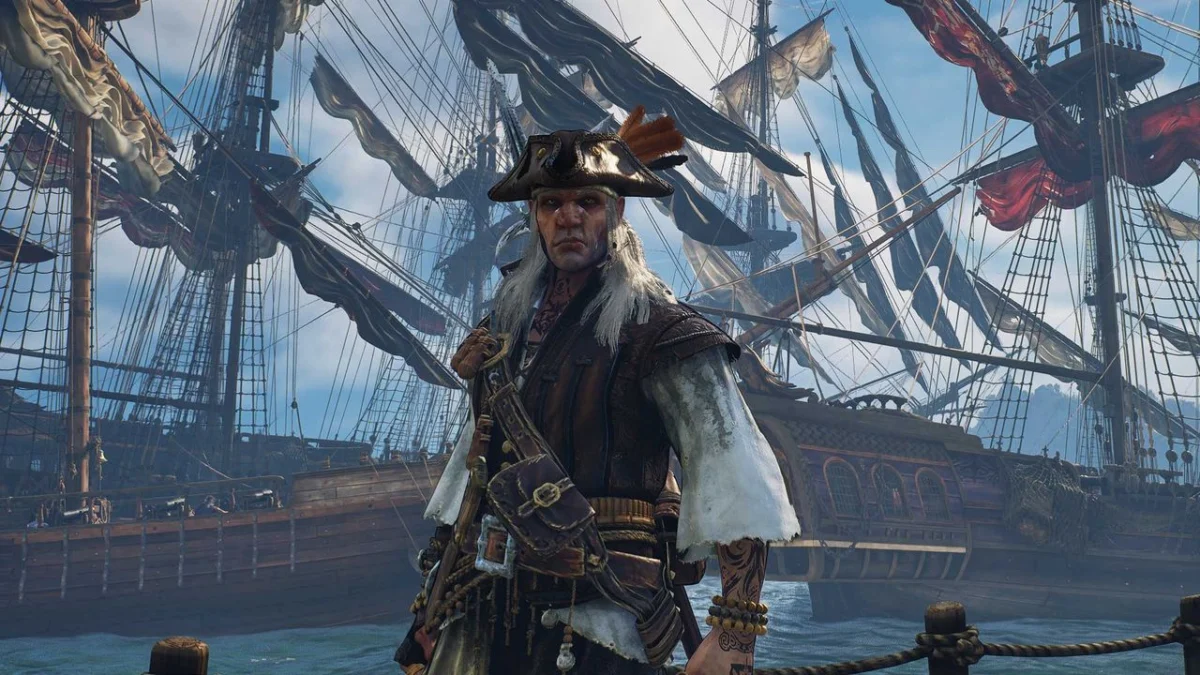
The pirate-themed survival landscape is currently defined by a tension between hardcore simulation and accessible arcade mechanics. Windrose, the latest title from developer Kraken Express, has carved out a distinct niche by leaning heavily into the latter. By stripping away the common stressors of the genre—such as equipment durability, starvation, and the permanent death of crew members—the game has cultivated an audience that values frictionless adventure over grueling micromanagement.
However, this commitment to a "forgiving" experience has led to a curious design anomaly: a sailing game where the wind is entirely absent. As the studio prepares for its first major content expansion, the conversation surrounding the game’s future has shifted toward whether it is time to introduce the very element that defines its namesake.
The State of the Game: A Streamlined Survival Experience
To understand why the potential addition of wind is such a significant talking point, one must first appreciate the current design philosophy of Windrose. In its current Early Access build, the game serves as an antithesis to titles like Rust or ARK: Survival Evolved.
Players find themselves in a maritime sandbox where the primary obstacles are combat and exploration, not biological maintenance. When a player’s ship is inevitably splintered by enemy fire or environmental hazards, the recovery process is trivial; a mere 20 pieces of wood are sufficient to reconstruct a vessel. This ease of access extends to the crew, who are effectively immortal, and the player character, who remains unaffected by hunger or thirst.
This design choice allows the player to maintain top speed in any direction at any time. It is a liberating experience, but it creates a strange, artificial sensation when navigating the open sea. The lack of wind mechanics means that the environment feels static—a backdrop for the action rather than an active participant in the voyage.
Chronology of Development: The Road to the Ashlands
Kraken Express has maintained a transparent relationship with its player base through consistent developer logs. The trajectory of Windrose has been focused on establishing a foundation of core loops—sailing, ship-to-ship combat, and light resource gathering—before layering on complexity.
The Recent Roadmap
- Initial Early Access Launch: Focused on the core mechanics of ship movement, combat, and island hopping.
- The "No-Wind" Era: The current state of the game, characterized by arcade-style, constant-speed movement.
- The Upcoming Ashlands Update: Announced in a recent devlog, this update represents the first major injection of content since the game’s release.
- Future Speculation: The tentative exploration of environmental systems, specifically wind-influenced navigation.
The upcoming Ashlands update is set to be the most significant expansion yet. The Ashlands, a biome defined by its volcanic history and the scars it has left upon the landscape, promises to introduce a higher tier of challenge. Kraken Express has confirmed that this region will be home to entirely new islands, fresh recipes, unique resources, and—perhaps most anticipated—a new, formidable boss encounter.
Supporting Data: Why "Wind" Matters
The debate over wind mechanics in sailing games often draws comparisons to Valheim, the titan of the survival genre. In Valheim, wind is a defining mechanical force. Players must constantly monitor their sail orientation; attempting to sail directly into a headwind results in a drastic reduction in speed, forcing players to tack or seek alternative routes.
For Windrose players, the introduction of such a system would fundamentally change the game’s tempo. Proponents of the change argue that it would provide:
- Increased Immersion: A world that feels alive and subject to physical laws.
- Strategic Depth: Planning a voyage would require consideration of environmental conditions, making the map feel larger and more significant.
- Progression Milestones: Upgrading sails or ship types could become tied to overcoming wind resistance, providing a sense of growth.
Conversely, the "arcadish" nature of Windrose is its primary draw for many. If the game becomes a "sailing simulator," it risks alienating the player base that specifically sought out a low-stress, high-action pirate experience.
Official Response: The Studio’s Balancing Act
Kraken Express has proven to be highly attuned to community feedback, yet they remain cautious about shifting the game’s identity. In their latest communication on Steam, the studio addressed the "wind" question with a careful, measured response.
"We are also aware of the popular request to add wind influence on sailing to the game," the developers noted. "We’ll definitely be exploring this idea as well, and we originally intended to."
Crucially, the studio is signaling that they are not interested in creating a punishing, hyper-realistic simulation. Their public statement emphasized that any future wind system must adhere to the game’s core tenets: "But let us be crystal clear: we want it to be fun and simple. Windrose aims to be an adventure, without some of the more hardcore simulation aspects."
This suggests that if wind is implemented, it will likely be a "soft" system—perhaps providing a speed boost when traveling downwind, without the absolute, dead-stop penalties seen in more punishing titles.
Implications for the Future
The decision to experiment with wind mechanics represents a pivotal moment for the development of Windrose. It is a litmus test for how the studio handles the growth of their game.
Potential Challenges
- The "Slog" Factor: If the wind system is poorly implemented, it could turn short, enjoyable journeys into tedious, time-consuming tasks. The developers must ensure that sailing remains a pleasure, not a chore.
- AI Adjustment: The studio has already promised that NPC ships will behave more "naturally" in the future, moving in formations rather than simple loops. If players are subject to wind mechanics, the AI will also need to be coded to navigate those same conditions, which adds a significant layer of complexity to the game’s backend.
- Community Fragmentation: A vocal segment of the player base enjoys the game exactly as it is. Introducing mechanics that force a change in playstyle could lead to friction within the community.
Long-term Outlook
The Ashlands update is more than just a new map; it is a declaration of intent. By adding new ship classes and variants alongside the biome, Kraken Express is signaling that they want the experience of being a pirate—the management of one’s fleet and the mastery of the sea—to become more nuanced.
Whether or not the wind ever truly blows in Windrose, the developers’ willingness to listen to the community while holding firm to their "adventure-first" philosophy is a positive sign. As they continue to bridge the gap between their current, simplified mechanics and the deep, immersive world they envision, the progress of this project remains one of the more interesting stories in the independent survival scene.
For now, players can look forward to the Ashlands, knowing that while their sails might not yet catch the breeze, their journey through the pirate-infested seas is only just beginning to evolve. The studio has yet to provide a concrete release window for the update, promising instead to reveal more as development reaches its final stages. Until then, the seas remain calm, but the horizon is beginning to look very different.

