

Critical Role’s fourth campaign has officially moved beyond its introductory phase, plunging into a high-octane, "West Marches" style experiment that has pushed its ensemble cast of 13 players to their absolute limits. Guided by the narrative genius of Brennan Lee Mulligan, this latest installment has evolved into a complex web of political maneuvering, shifting alliances, and, recently, a series of disastrously timed dice rolls that have left the fandom in a state of collective anxiety.
The "schemer’s table"—a moniker earned through the group’s relentless focus on backroom deals and long-term political positioning—found itself at the center of a four-and-a-half-hour masterclass in narrative tension during last week’s broadcast. As the narrative threads woven over the last several weeks finally began to converge, the players faced a "chickens coming home to roost" scenario that proved as exhilarating as it was nerve-wracking.
The Anatomy of a Narrative Tsunami
To understand the current state of the campaign, one must first appreciate the scale of Mulligan’s design. By utilizing a "West Marches" structure, the campaign allows for a fluid, decentralized experience where players rotate in and out of active storylines. This prevents the narrative from becoming stagnant, yet it creates a daunting challenge: keeping 13 distinct characters moving toward a coherent climax.
Last week’s session was the culmination of weeks of slow-burn political tension. The characters, having spent episodes building influence within the world’s power structures, finally saw those structures begin to buckle. The session was marked by a relentless, almost cruel, streak of bad luck. The cast, usually known for their tactical brilliance, found themselves fighting against the cold, hard reality of the D20. Whether it was failed checks during critical social encounters or botched stealth attempts, the "dice gods" were clearly absent.
The Breakdown of Events
The episode was characterized by a series of cascading failures and revelations:
- The Assassination Specter: The threat against the character Wicander looms larger than ever. The primary theory among the fanbase—and the characters themselves—is that his own grandmother may be pulling the strings.
- The Tyranny Defection: In a move that shocked even seasoned viewers, the character Tyranny has effectively removed themselves from the immediate board by venturing into the Nine Hells. While they have secured backup, the strategic vacuum they left behind is palpable.
- The Fang Dilemma: Halandil Fang remains a character of extreme duality. Beloved by the party yet simultaneously marked for death by unknown adversaries, Fang represents the fragile nature of the current campaign’s morality.
- Institutional Collapse: Beyond the personal stakes, the socio-political landscape is crumbling. Reports suggest that a revolution is brewing, compounded by a potential teacher’s strike at Murray’s school—a subplot that sounds mundane on paper but serves as a ticking time bomb in the world-building of this campaign.
A Chronology of Escalation
The progression of the fourth campaign has been anything but linear. In the opening weeks, the focus was on world-building and the creation of "The Kaedra"—orcish paint angels birthed through an elaborate, visually stunning ritual during the campaign’s debut.
Initially, these entities seemed like mere flavor or background lore. However, as the campaign progressed, they have become central to the mystery. Will the Kaedra intervene to protect Halandil Fang, or are they bound by the same cosmic rules that are currently failing the players?
Following the initial setup, the mid-campaign shifted toward the "Glade of Fey," a mysterious location situated under a lake, guarded by a dragon that has largely remained dormant. As the players moved their pieces across the board, the tension shifted from exploration to exploitation. By the time we reached the most recent session, the "schemer’s table" had effectively turned the campaign into a game of high-stakes chess. The four-hour runtime served as a reminder that in a West Marches game, every action has a delayed, often explosive, reaction.
Supporting Data: The "West Marches" Effect
The decision to incorporate 13 players into a rotating cast is a bold departure for Critical Role. In traditional TTRPG streaming, a party of 4 to 6 is the gold standard for maintaining narrative flow. By doubling that count, Mulligan has forced the viewers to adopt a different way of consuming the story.
The "schemer’s table" is not just a group of characters; it is a narrative device. By grouping players who excel at long-term planning, Mulligan creates "islands of complexity." While one group is navigating a political assassination, another might be dealing with the logistical nightmares of a school strike. This data-driven approach to storytelling—where characters are treated as variables in an equation—has resulted in the most intense viewing experience in the franchise’s history.
According to community sentiment and engagement metrics, the "cheek-clenching" factor of this campaign is significantly higher than in previous iterations. The unpredictability isn’t just a byproduct of the dice; it is a feature of the system.
Official Responses and Behind-the-Scenes Context
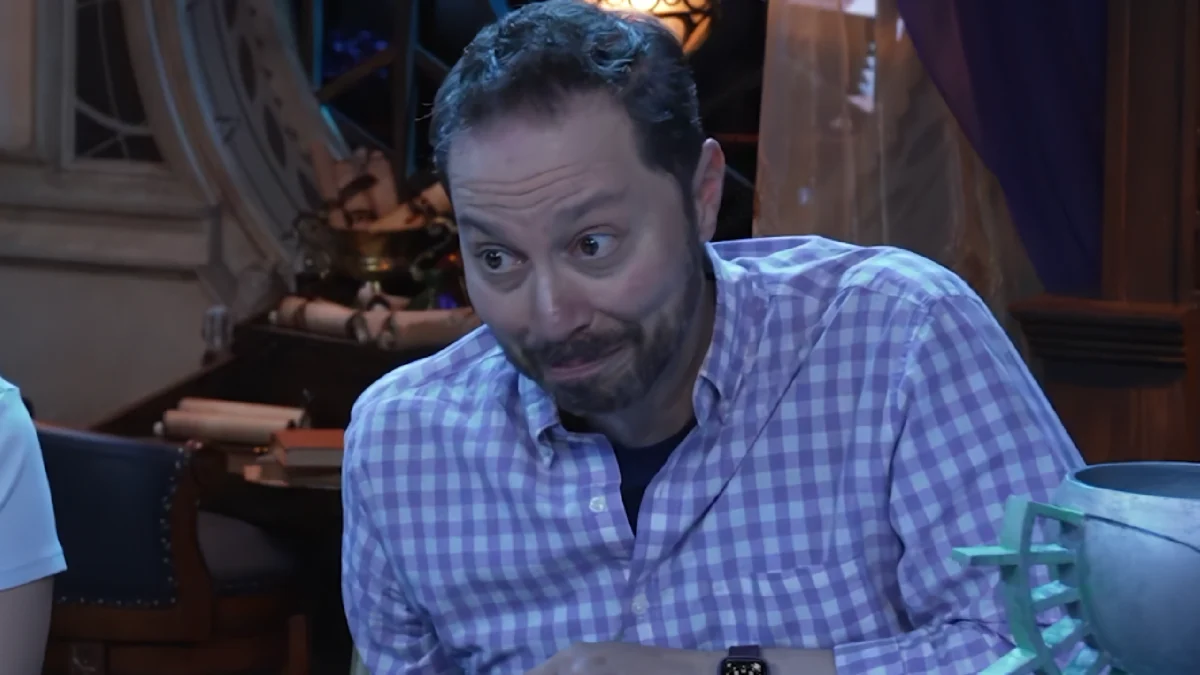
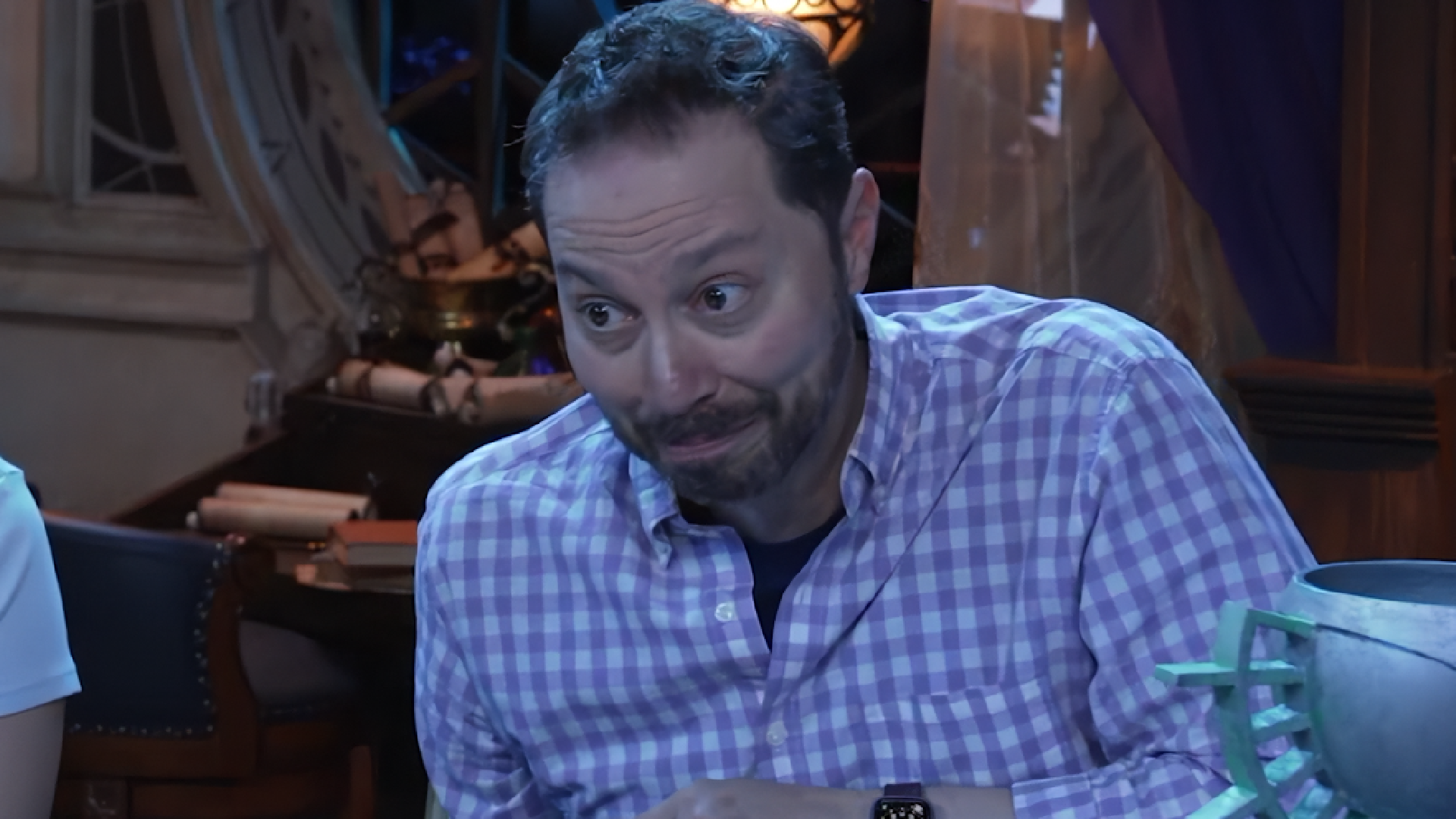
While official statements from the cast remain tight-lipped to preserve the integrity of the upcoming episodes, social media interactions from the players suggest a genuine level of stress. Sam Riegel’s visible concern during the last broadcast, captured in the recent promotional imagery, mirrors the sentiment of the audience.
Mulligan, known for his "galaxy brain" approach to DMing, has hinted in various post-game discussions that the current instability is intentional. He has structured the campaign to be a pressure cooker. When asked about the "plates spinning" analogy, the production team has noted that they are operating under the assumption that the players will, eventually, make a mistake that brings the entire structure down. The question isn’t if the system will collapse, but how the characters will react in the aftermath.
Implications for the Future
As we look ahead, the implications for the campaign are staggering. The assassination attempt against Wicander serves as the primary pivot point. If the attempt is a "false flag"—a staged event designed to reveal enemies—the political landscape will shift drastically. If it is genuine, the power vacuum created by his potential demise could trigger the very revolution that the players have been trying to prevent.
Furthermore, the introduction of the Glade of Fey and the dormant dragon suggests that the campaign is moving toward a "mythic" phase. The mundane political struggles of the early episodes are likely to be swallowed by the arrival of higher-tier threats.
Final Projections
- The Diplomatic Route: Expect at least one more attempt to resolve the conflict through negotiation, likely resulting in a spectacular failure given the current "rolling streak" of the cast.
- The Combat Shift: Should the diplomacy fail, the narrative will likely pivot to a desperate, survivalist tone, forcing the 13 players to coalesce into a single, unified force for the first time.
- The Wild Card: The Kaedra. These entities represent a wildcard that could either save the party or serve as the harbinger of their destruction.
In conclusion, Critical Role’s fourth campaign has transformed into a high-tension drama that transcends the standard D&D experience. The "schemer’s table" has provided a masterclass in how to manage a massive cast while keeping the audience on the edge of their seats. With so many plates spinning, the eventual crash is inevitable, and if the last episode was any indication, it will be one of the most spectacular displays of narrative porcelain shattering that the TTRPG community has ever witnessed. We are no longer watching a campaign; we are watching a clockwork engine slowly grind itself to pieces, and there is nowhere else we would rather be.

