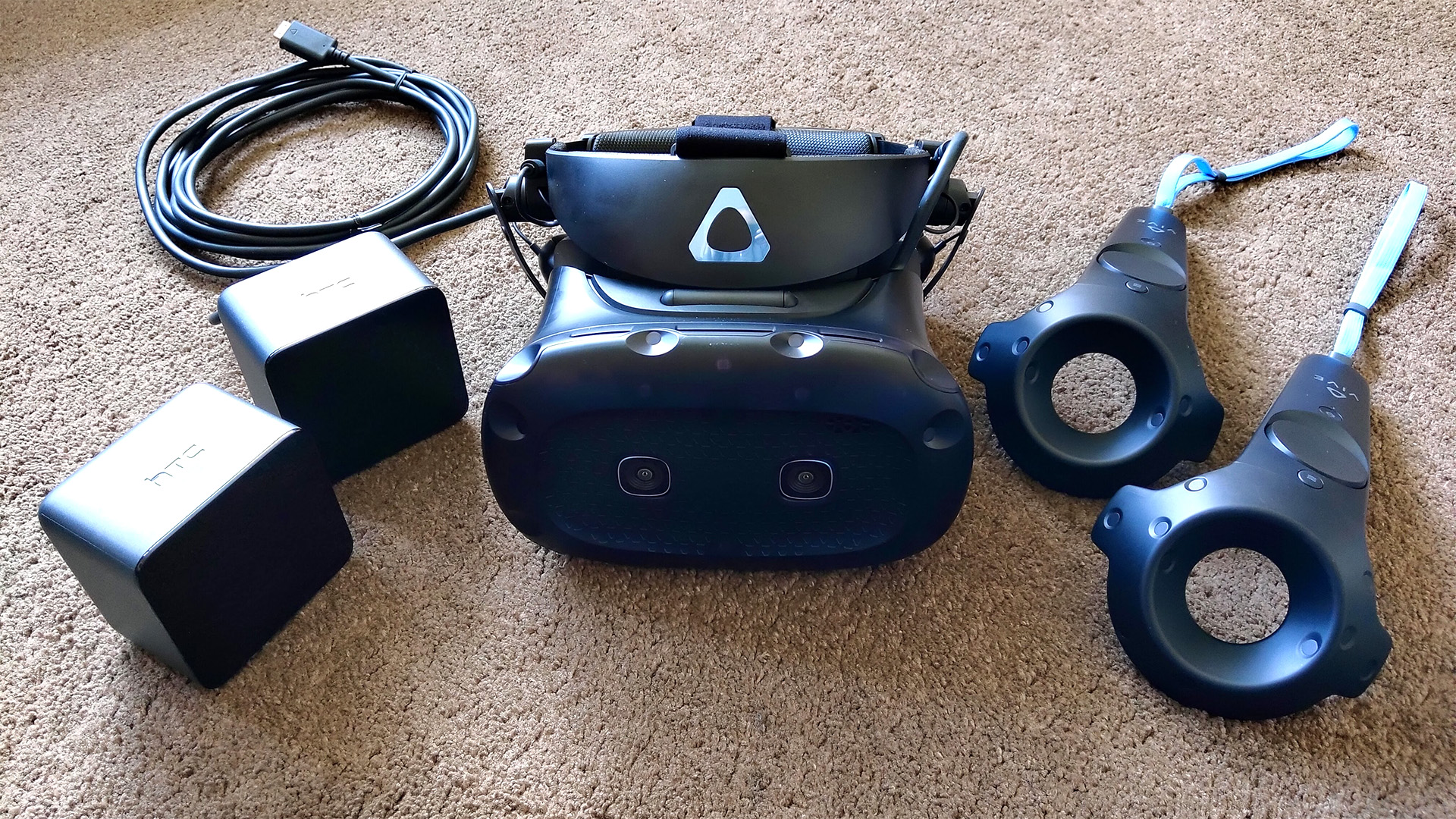
Virtual reality (VR) has traveled a long and winding road over the past decade. Back in 2016, during the nascent days of the modern consumer VR boom, the medium was firmly tethered to high-end gaming rigs. Early adopters remember the sheer awe of plugging in an HTC Vive or an Oculus Rift, marbeling at a fully rendered digital world while tripping over cumbersome cable snakes.
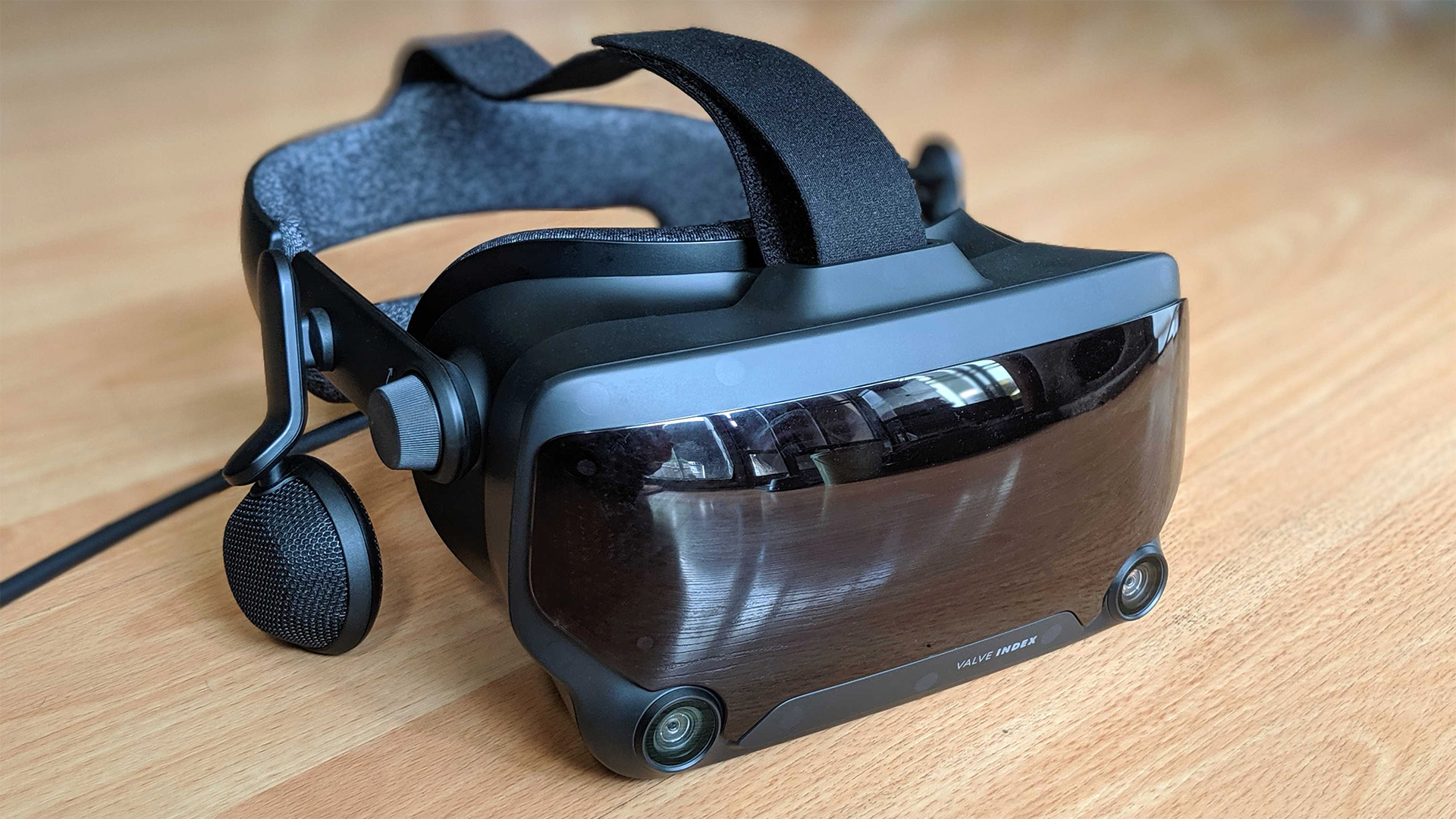
Yet, the market shifted drastically. The introduction of mobile, untethered hardware like the Oculus Go and, subsequently, the wildly popular Meta Quest series changed the consumer landscape entirely. Standalone headsets democratized virtual reality, making it accessible, portable, and affordable. Today, standalone devices dominate adoption metrics. According to the August Steam Hardware Survey, Meta’s Quest lineup—including the Quest 2, Quest 3, and Quest 3S—accounts for more than 60% of all VR headsets connected to Steam. Meanwhile, Valve’s older premium PCVR offering, the Valve Index, lags behind in fourth place, and newer entries like the Bigscreen Beyond command a meager 1.25% market share.
Despite these mobile shifts, a dedicated segment of the gaming population continues to use standalone headsets plugged into or wirelessly linked with high-powered gaming PCs to experience complex virtual environments. Valve believes this hybrid ecosystem—and its brand-new piece of hardware, the Steam Frame—might just be the catalyst needed to revitalize an otherwise dwindling PC virtual reality market.
A Brief History of PCVR’s Rise and Fall
To understand the current state of PC virtual reality, one must look closely at software release metrics. Platforms like SteamDB track digital distribution trends, and the trajectory for PCVR game releases is, frankly, alarming.
2016–2017 (The Boom): Following the launches of the original HTC Vive and Oculus Rift, developer enthusiasm peaked. By 2017, VR titles accounted for roughly 15% of all new game releases on Steam.
2018–2024 (The Plateau): As standalone mobile headsets captured consumer mindshare, PCVR game development plateaued. Each successive year saw flat or declining numbers of new releases on Steam.
2025–2026 (The Slump): According to SteamDB data, 2025 proved to be the worst year for PCVR software releases in a decade. Only 481 virtual reality games launched on the platform—a figure lower than any year since 2015, prior to the commercialization of modern VR. Contrast this with the exponential, booming growth of non-VR games landing on Steam annually, and it becomes glaringly obvious that PCVR has struggled to maintain its commercial footing.
By 2025, VR games accounted for a paltry 2% of total Steam releases. The ongoing data for 2026 indicates that fewer than 300 new PCVR titles have launched with just a quarter of the year remaining, suggesting another grim year for new software yields.
While players still enjoy foundational masterpieces like Half-Life: Alyx—which remains as engrossing today as it was at launch—the lack of a steady influx of fresh, high-budget PCVR content threatens the long-term viability of the ecosystem. Conversely, the Meta Quest Store has seen an annual increase in new app and game submissions since 2020, though many of those titles lean heavily toward educational, mixed-reality (MR), or casual mobile-grade experiences rather than deep, resource-intensive PC titles.
Supporting Data and Market Demographics
The divergence between mobile VR and PCVR highlights a fundamental tension in modern gaming hardware. Mobile-first ecosystems offer convenience and low barriers to entry, but they inherently bottleneck graphical fidelity, processing scope, and complex physics simulations.
Conversely, the PC remains the ultimate sandbox for experimentation. As Valve software engineer Jeremy Selan points out, the raw compute power of a gaming PC enables a level of depth and unique design experimentation that mobile chips simply cannot replicate.
[Year]   [Steam VR Game Releases (% of Total)]   [Primary Market Trend]
-------------------------------------------------------------------------
2017     ~15.0%                                    Peak PCVR enthusiasm
2020     ~8.0%                                     Rise of standalone Quest
2025     ~2.0%                                     Historic low for PCVR releases
The Steam Hardware Survey corroborates this dual reality. Millions of VR users own mobile headsets like the Quest 3, yet they continue to plug them into powerful desktop rigs to play demanding titles. This indicates that while consumers prefer untethered hardware, they still crave PC-grade quality.
Official Responses: Enter the Steam Frame
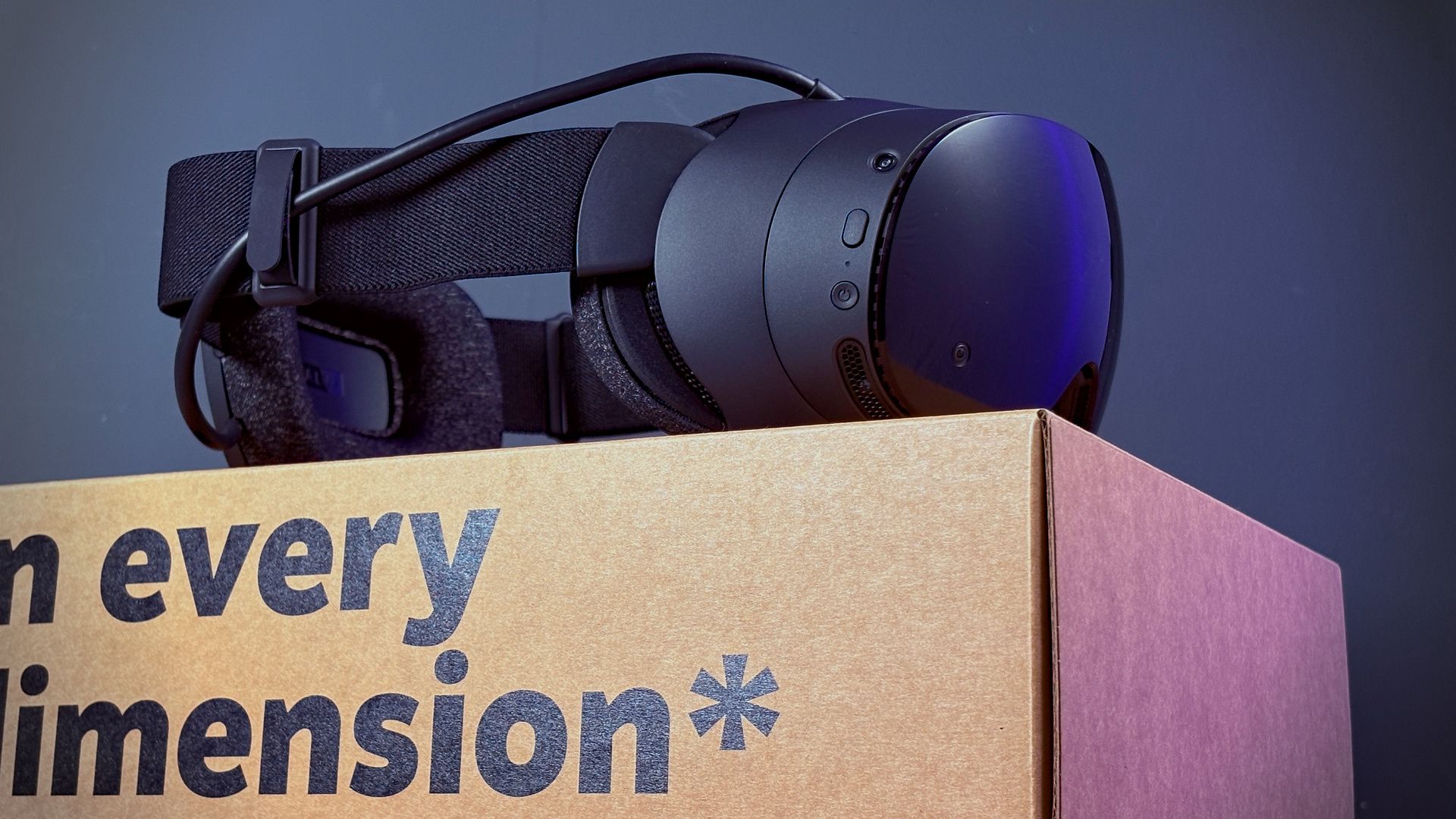
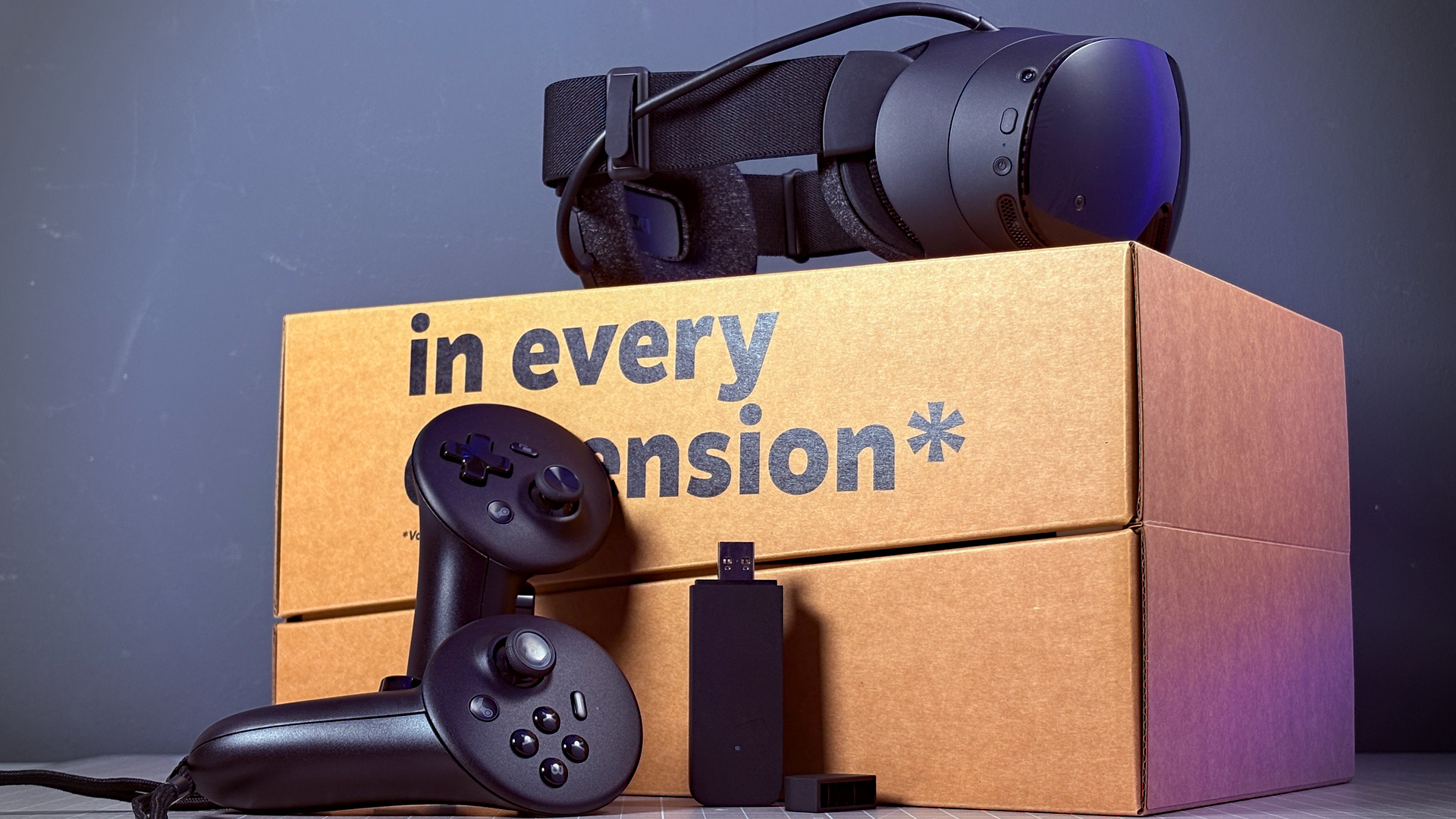
Recognizing the stagnant state of the PCVR software pipeline, Valve has developed a hardware solution designed to bridge the gap between standalone convenience and desktop performance: the Steam Frame.
Valve engineers Joy Lyons and Jeremy Selan emphasize that the Steam Frame was engineered explicitly to honor Valve’s PCVR heritage while simultaneously opening the ecosystem to a broader, more modern audience.
"We love the PCVR community," says hardware engineer Joy Lyons. "We’ve been making VR devices for decades now, and so we’ve been there since the beginning. We see this as a sort of a broadening and maturing of the market; sort of an opening of the tent to more potential customers, more potential gamers."
Technological Underpinnings of the Steam Frame
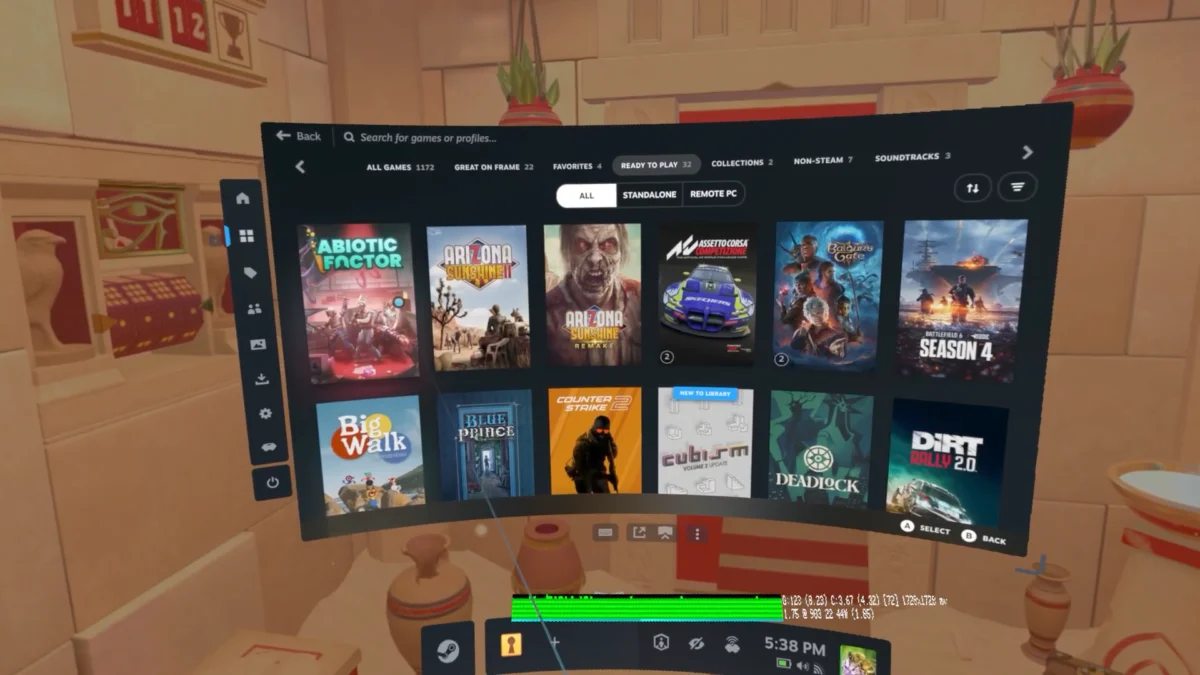
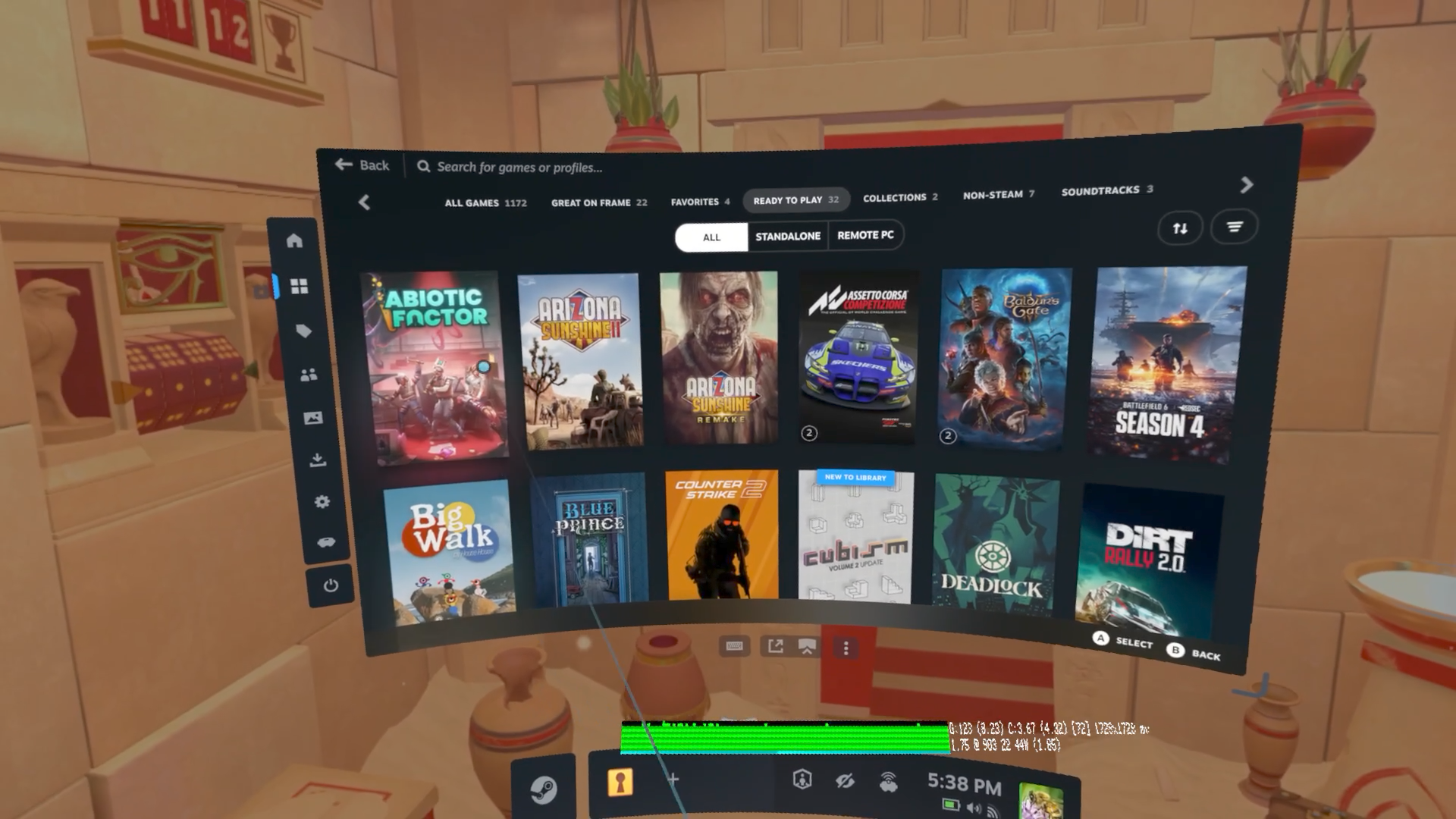
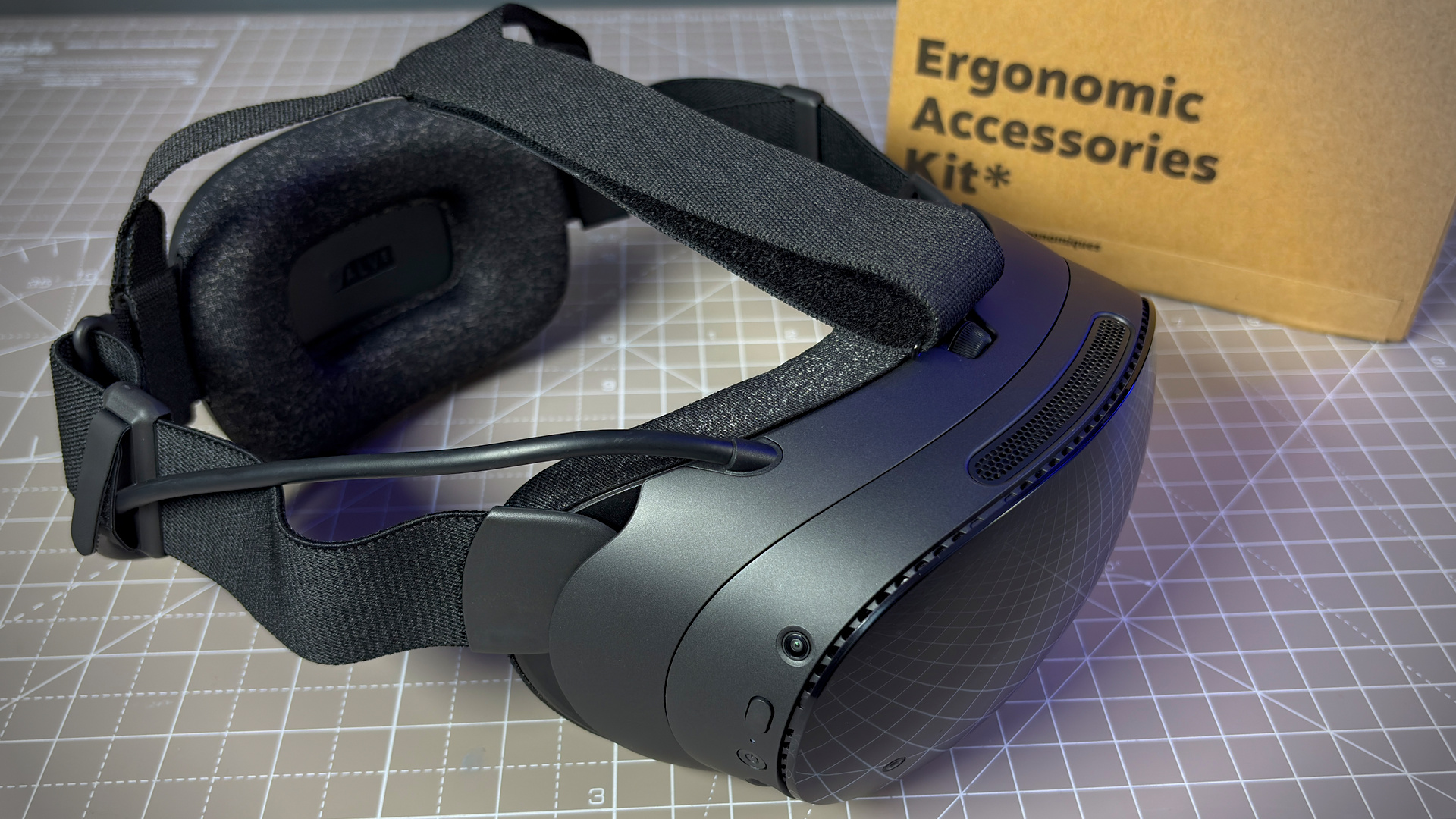
The Steam Frame is designed to offer a dual-mode experience. Out of the box, it features local hardware capabilities powered by a high-end Snapdragon 8 Gen 3 chip running SteamOS. However, its standout feature is its low-latency, dedicated wireless streaming adapter, which allows users to beam games seamlessly from a local gaming PC.
To maximize its software library, the Steam Frame utilizes a robust suite of compatibility and emulation layers:
Proton: Familiar to users of the Steam Deck and Steam Machines, Proton translates Windows-based PC games to run smoothly on Linux environments.
FEX: An advanced emulation layer that allows x86-based PC games to execute on Arm-based hardware architectures.
Lepton: A specialized container format designed to support Android applications and APK files—paving the way for mobile-optimized VR and mixed-reality titles to run natively on the device.
Games that perform exceptionally well under these emulation frameworks will be highlighted via a new Steam Frame Standalone Verified program.
According to Jeremy Selan, the device is built from the ground up to breathe new life into PC streaming:
"This is designed for PCVR streaming and to do that really, really well. So we’ve been giving these units out to developers. Our hope is that this will help rekindle the excitement of what you can do with PCVR."
Broader Implications for Developers and Gamers
The introduction of the Steam Frame raises a philosophical question for virtual reality enthusiasts: Is Valve expanding PCVR, or is it simply injecting the Steam ecosystem with mobile-adjacent VR software?
Skeptics might argue that the inclusion of Android APK containers via Lepton merely imports mobile software into a desktop storefront. However, Valve insists that the hardware serves a dual purpose. By lowering friction for developers and offering native compatibility with existing Steam libraries—requiring zero extra optimization work out of the box—Valve hopes to reverse the developer flight that has plagued PCVR since 2020.
The Content Conundrum
One lingering concern is whether Valve intends to support the Steam Frame with high-profile, first-party software. When the Valve Index launched, it was eventually accompanied by the landmark release of Half-Life: Alyx. When asked if Valve has similar first-party titles in the pipeline for the Steam Frame, representatives noted that the company has "elected to pour all our efforts into making our partner games available" and currently "don’t have any new titles coming out."
Nevertheless, industry observers note that Half-Life: Alyx wasn’t released until roughly a year after the Index debuted. Hopeful fans are banking on a similar strategy this time around.
Looking Ahead
The launch of the Steam Frame marks a critical inflection point for virtual reality on personal computers. If Valve’s hardware successfully marries the untethered freedom of mobile headsets with the raw computational muscle of desktop gaming rigs, it could incentivize indie and AAA developers alike to return to PCVR development.
For now, the VR community waits with bated breath. Whether the Steam Frame can single-handedly rescue PC virtual reality from its decadelong release slump will depend entirely on consumer adoption, developer buy-in, and whether the hardware can deliver a seamless, cable-free bridge between two disparate gaming worlds.