


In the high-stakes, immersive world of Insomniac Games’ Marvel’s Wolverine, players are frequently tasked with blending Logan’s raw, feral intuition with the analytical skills of a seasoned investigator. While much of the game focuses on kinetic combat and traversing the dense environments of the Marvel Universe, some of the most rewarding moments occur during quiet, puzzle-driven segments. One such instance—a locked closet in Shiro’s quarters—has proven to be a significant stumbling block for many players.
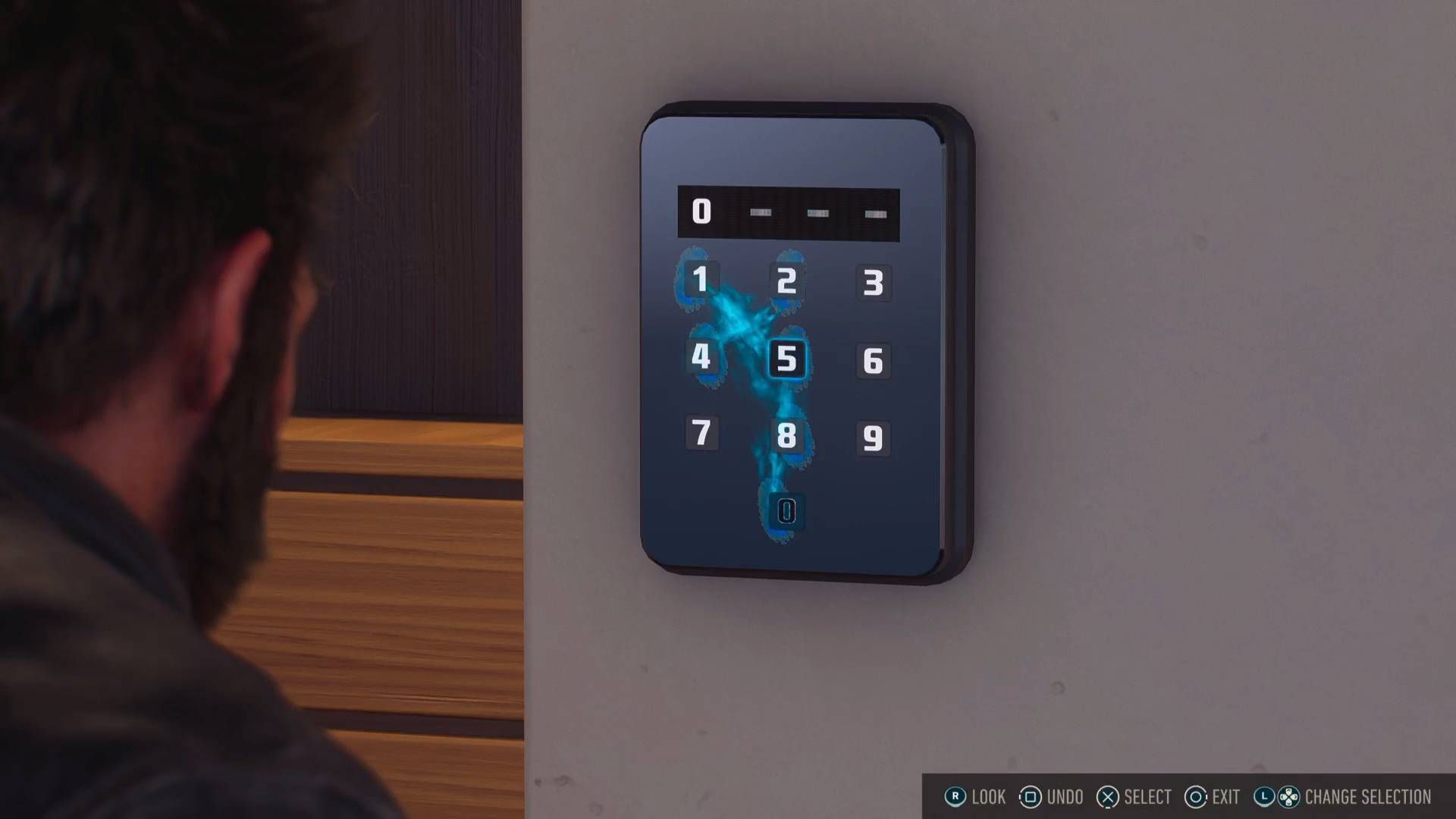
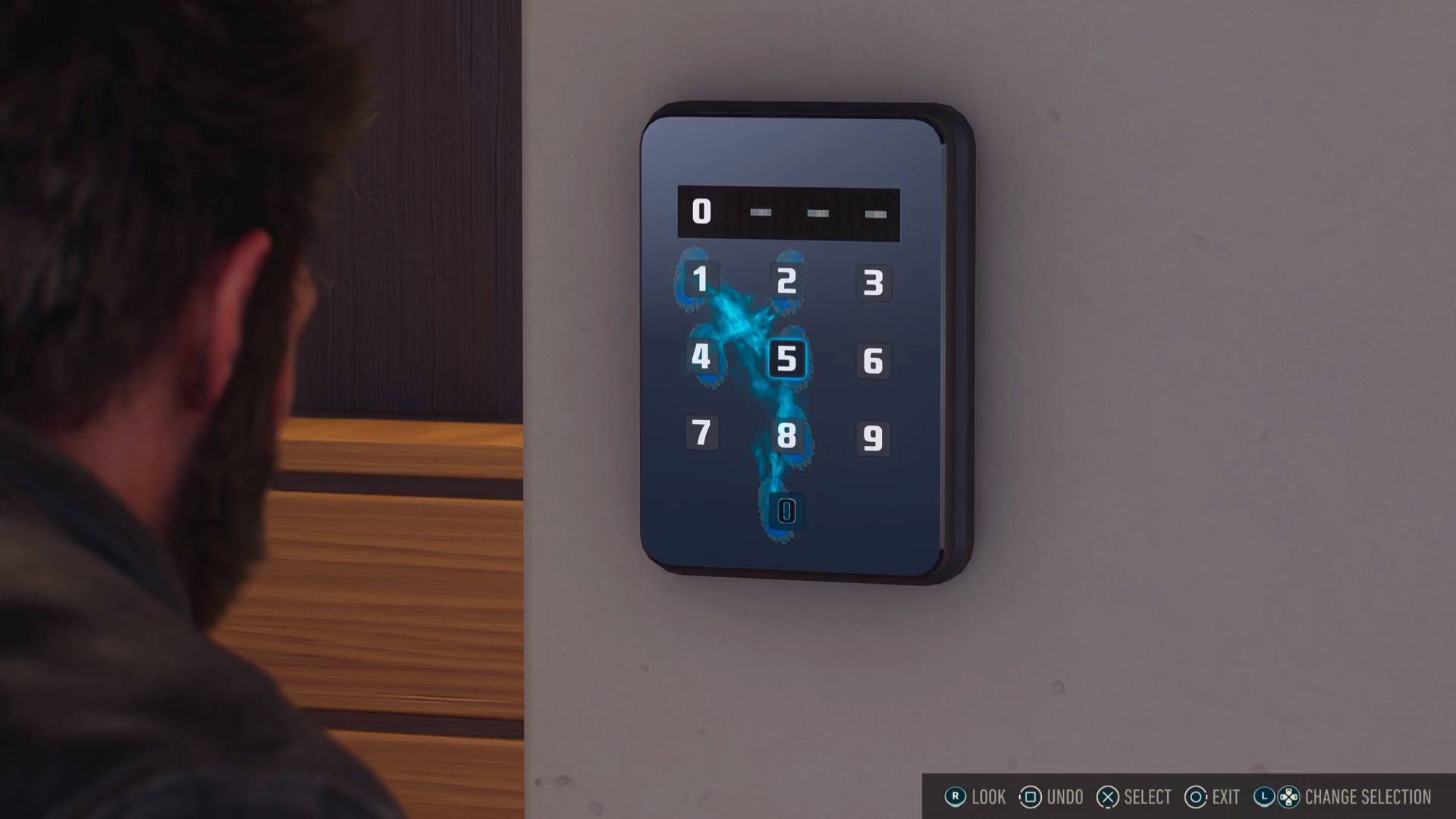
Unlike other environmental puzzles in the game, where Logan’s heightened senses allow him to track residual heat or physical fingerprints on a keypad, the lock on Shiro’s closet presents a different challenge. Because the code was recently changed, the keypad is covered in a smattering of worn-down keys, making traditional fingerprint-based deduction impossible. This guide breaks down the solution, the surrounding context, and the mechanics of this particular environmental riddle.
The Core Solution: Cracking the Code
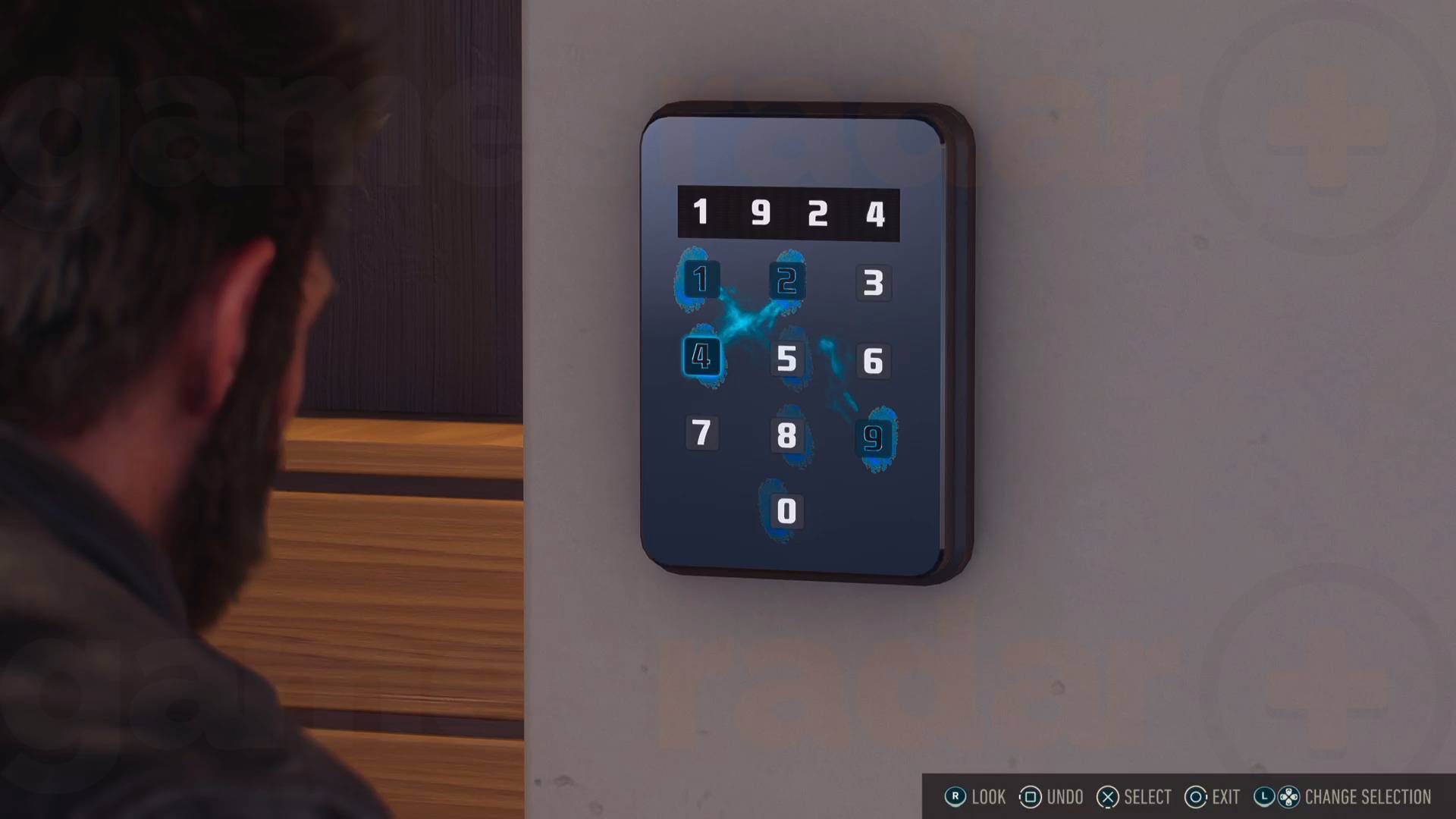
For those looking for the direct answer to bypass the lock without further searching, the code you need is 1924.
While this four-digit sequence is the key to progressing, the game does not simply hand it to you in a menu or a prompt. Instead, it requires the player to engage with the environment through a process of observation. The code is hidden in plain sight on a nearby bookshelf, but it requires a discerning eye to separate the relevant narrative clues from the background clutter of the room.
Chronology: Navigating the Investigation
To reach this point in the game, the player must be in the specific chapter involving Shiro’s living quarters. As you navigate the space, your objective is to search for clues regarding the locked closet. The sequence of events follows a specific path:
- Discovery of the Lock: Upon approaching the closet, Logan will identify that the door is locked and the keypad is unresponsive to brute force or typical sensory detection.
- The Search for Clues: The player is directed to investigate the nearby bookshelf. This area is intentionally designed to be slightly deceptive. There are two distinct sets of books: one set appears neatly organized and thematic, while a second set is deliberately disarranged.
- The "Ah-ha" Moment: Logan will offer commentary on the books, but he does not explicitly call out the numbers. The player must observe the physical orientation of the books that are sticking out from the shelf. These protruding spines form the digits "1924."
- The Input: Once the player has mentally (or physically) noted the code, they must walk back to the keypad and input the sequence to unlock the door, allowing them access to the secrets stored within.
Supporting Data: Why This Puzzle Stumps Players
The difficulty of this puzzle is a testament to Insomniac’s environmental storytelling design. Several factors contribute to why players often find themselves trapped at this stage:
- Sensory Overload: Because the game encourages the use of Logan’s senses throughout the campaign, players are trained to rely on the "detective vision" mechanic. When this mechanic fails to provide a clear path forward, it creates a psychological barrier.
- Non-Repeatable Interaction: A primary point of friction is that once you step away from the bookshelf after the initial examination, you cannot trigger the same close-up inspection animation again. If a player looks at the books but fails to register the numbers, they are left to deduce the code from a standard camera angle, which can be difficult given the lighting and the angle of the bookshelf.
- Narrative Misdirection: Logan’s dialogue during the investigation of the books is character-focused. He talks about the content of the collection rather than the arrangement of the volumes, which leads many players to believe the books are merely set dressing rather than the key to a mechanical lock.
Implications for Gameplay and Progression
This puzzle is a micro-representation of the broader philosophy of Marvel’s Wolverine. Insomniac Games has prioritized a sense of "lived-in" environments. By forcing players to look at the world around them—rather than relying on UI markers or flashing objective indicators—the developers deepen the player’s connection to the character.
When the player inputs 1924 into the keypad, they are not just solving a math problem; they are engaging with the history of the character whose room they are investigating. The closet holds items that are significant to the plot, and the act of unlocking it signifies a transition from the exploration phase to the action phase of the mission. For those who find the solution, it provides a satisfying "detective" payoff that feels earned rather than gifted.
Insights into Design: The "Show, Don’t Tell" Methodology
Insomniac’s approach to puzzles like the one in Shiro’s room reflects a departure from the "tutorial-heavy" design of early 2010s action games. In modern design, developers are moving toward environmental cues. By having the code "written" into the physical environment—the books sticking out—the team avoids breaking the immersion of the scene.
However, the risk of this approach is player frustration. The developers have mitigated this by ensuring that even without the zoomed-in view, the code remains visible if the player physically walks up to the shelf. This ensures that the puzzle is never truly "unsolvable," even if the player misses the initial cue. It is a subtle design choice that keeps the player from feeling like the game is being unfair, even when the difficulty spikes slightly.
Conclusion
The closet puzzle in Marvel’s Wolverine serves as an important reminder of the depth hidden within the game’s architecture. While it may seem like a simple obstacle, it highlights the importance of observation in the life of a hero like Wolverine. Whether you are hunting enemies or investigating a quiet room, the key to success often lies in the details that everyone else overlooks.
If you find yourself stuck, remember: the books on the shelf are your best friend. Look for the irregularity, note the sequence 1924, and you will find the path forward. As players continue to delve into the mysteries of the game, these small moments of puzzle-solving provide a necessary change of pace from the intense combat encounters, grounding the player in the role of the investigator.
Stay vigilant, keep your senses sharp, and remember that even in a world of super-powered individuals, sometimes a simple code on a keypad is the only thing standing between you and the truth.

