

In the high-stakes world of hyperscale data centers, memory is the ultimate currency. As artificial intelligence models grow exponentially in complexity, the demand for massive, low-latency memory pools has pushed even tech giants like Meta to their limits. While the industry has collectively transitioned to the high-bandwidth capabilities of DDR5, the sheer scale of modern AI infrastructure has created a "memory wall."
Faced with the staggering cost and supply constraints of current-generation hardware, Meta has unveiled an inventive, albeit unconventional, engineering solution: the Vistara project. By leveraging Compute Express Link (CXL) technology, Meta has successfully developed a way to integrate legacy DDR4 memory into modern, DDR5-exclusive server environments, effectively creating a tiered memory architecture that avoids the need for massive, expensive hardware upgrades.
The Architectural Challenge: The DDR5 Bottleneck
The transition from DDR4 to DDR5 was intended to solve the bandwidth limitations that hindered previous generations of high-performance computing (HPC). However, for companies like Meta, simply having faster memory isn’t enough; they need massive capacity. AI training models require the ability to hold vast datasets in "hot" memory to ensure that processors are never starved for data.
When Meta’s infrastructure team hit a capacity ceiling in their server farms, the traditional solution—replacing older servers entirely or buying massive amounts of new DDR5—proved economically and logistically prohibitive. The team needed a way to extend the memory capacity of their current fleet without being tethered to the constraints of the motherboard’s native DIMM slots.
Chronology of the Vistara Innovation
The development of Vistara marks a significant milestone in data center memory management. While the concept of memory pooling has been discussed for years, the practical implementation has lagged due to the lack of a standardized, high-speed interface.
- Pre-2023: Meta identifies a critical need for expanded memory capacity for AI workloads. The cost of upgrading the entire fleet to high-density DDR5 is deemed unsustainable.
- Early 2023: Engineering teams begin experimenting with the CXL (Compute Express Link) standard, a protocol designed to allow CPUs to access memory and accelerators over the PCIe bus with minimal latency.
- Late 2023: Meta develops the "Vistara" custom chip. This ASIC (Application-Specific Integrated Circuit) serves as a bridge, translating CXL protocol signals into commands that legacy DDR4 memory controllers can interpret.
- Mid-2024: Integration tests confirm that Vistara-enabled expansion cards can function alongside native DDR5 memory, allowing servers to scale up to 1TB of total system RAM.
- Present Day: Meta publishes its research findings, detailing the "MemServer" architecture and demonstrating that heterogeneous memory pools are not only possible but stable under heavy load.
Deep Dive: How the "MemServer" Operates
At the heart of the Vistara system is a sophisticated software-defined memory management layer. The architecture relies on the principle of "tiered storage."
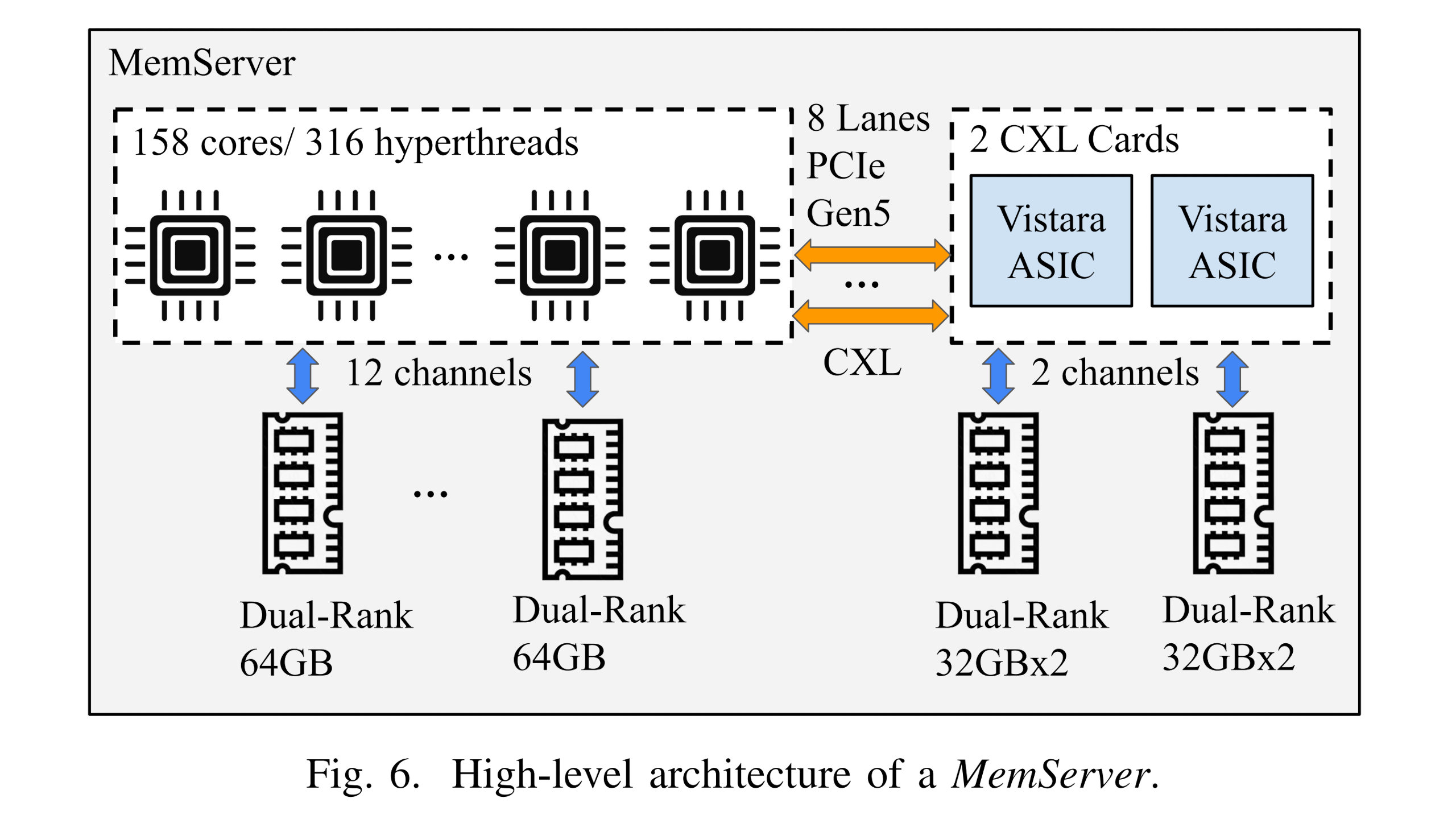
The server’s primary, high-performance DDR5 memory is designated as the "hot" tier. This is where active threads, critical model weights, and data currently being processed by the 158-core AMD Epyc 9000-series processors reside. This memory provides the bandwidth required to keep the processors saturated.
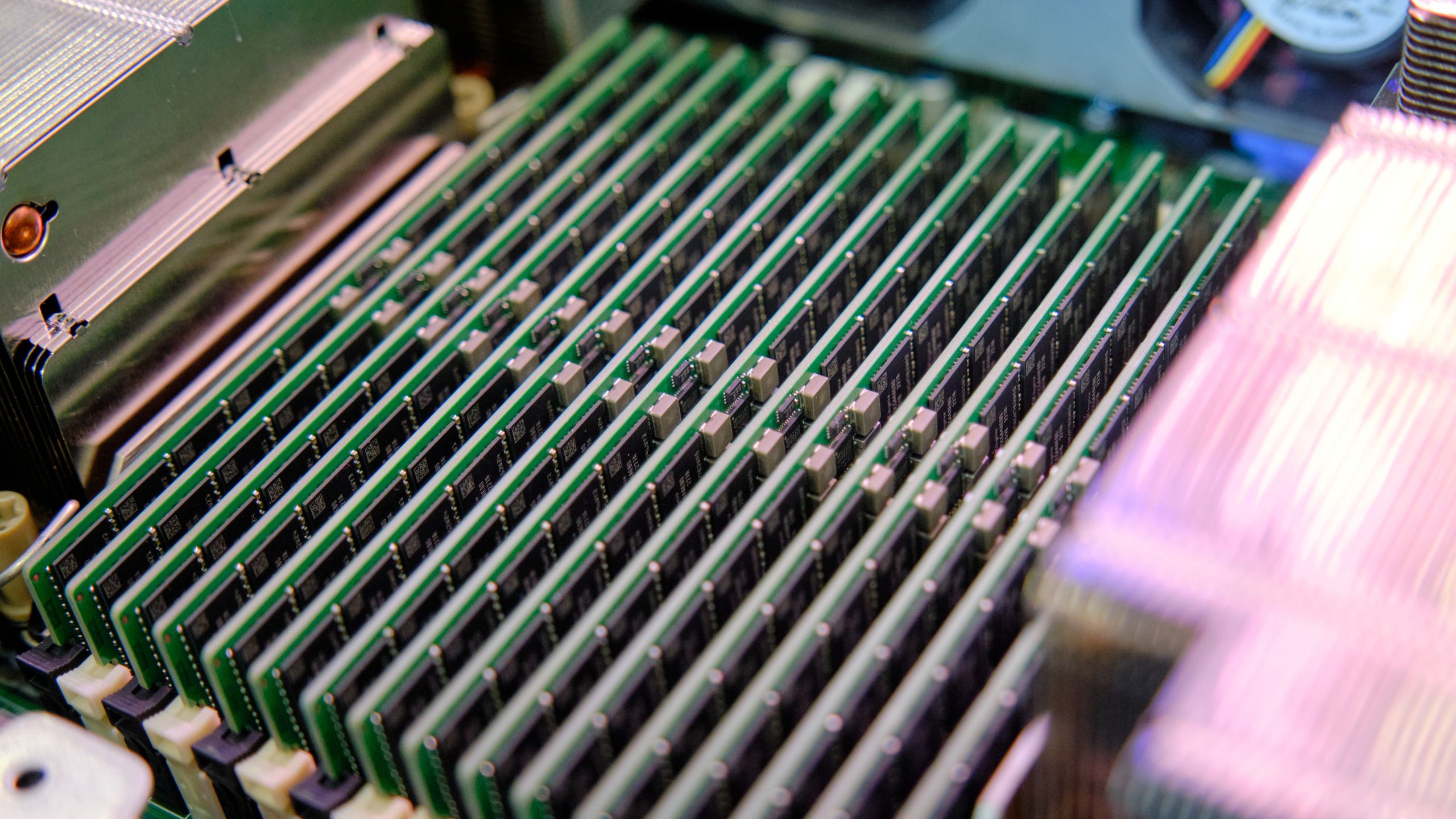
The "cold" tier, comprised of the repurposed DDR4 modules, is connected via Vistara expansion cards plugged into PCIe 5.0 x8 slots. Because DDR4 lacks the bandwidth and latency profiles of DDR5, it is managed as a secondary, auxiliary pool. The system’s kernel-level software intelligently monitors memory pages. Data that is infrequently accessed is migrated to the "cold" DDR4 storage, while data required for immediate computation is swapped back into the "hot" DDR5 pool.
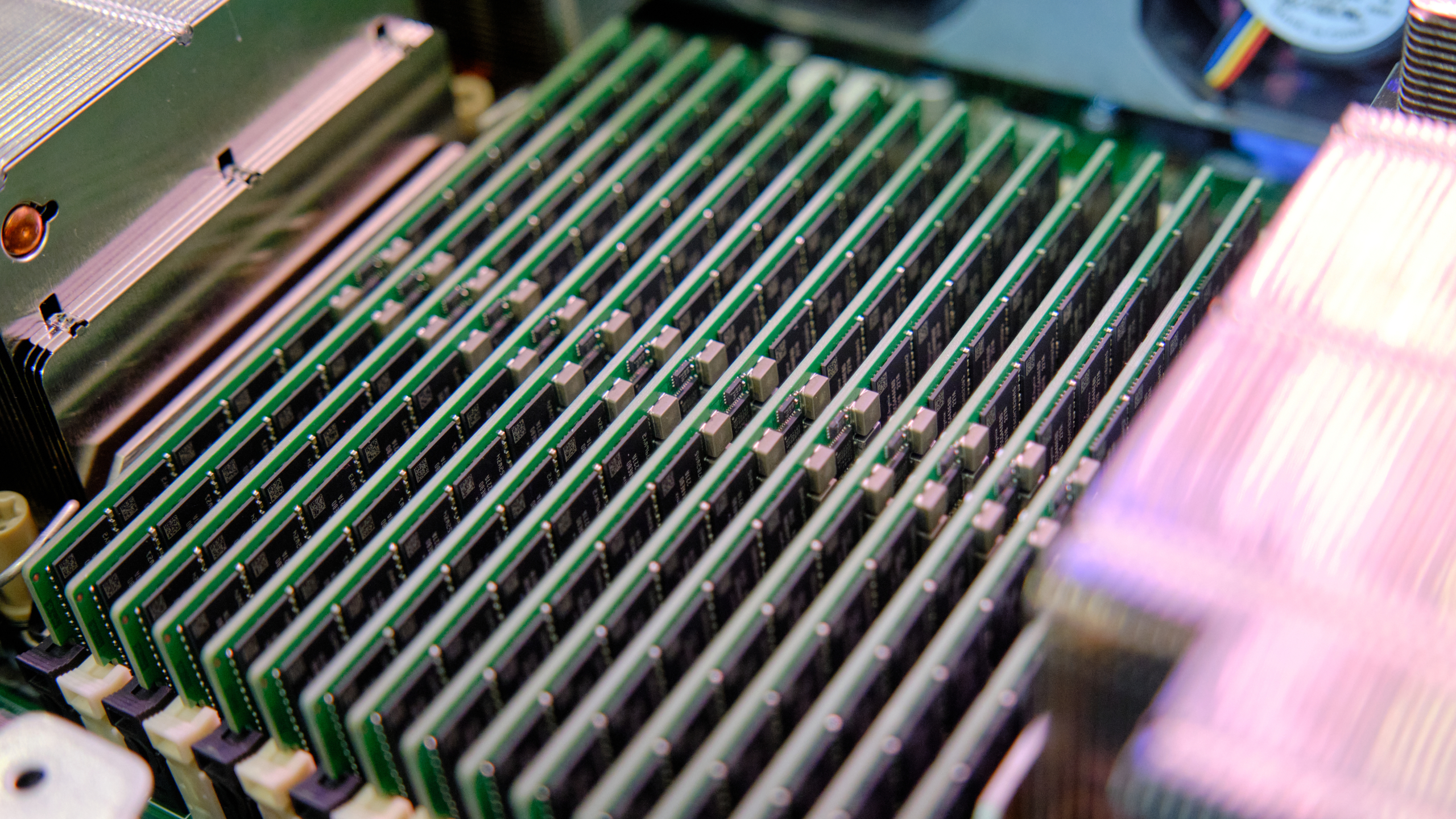
This approach turns the PCIe bus—traditionally used for storage or networking—into a high-speed memory backplane, effectively allowing a server to "borrow" capacity from older, cheaper silicon.
Supporting Data: By the Numbers
The technical specifications of a standard Meta MemServer node are a testament to the scale of modern infrastructure:
- Processor: 158-core AMD Epyc 9000-series CPU (utilizing specific core configurations).
- Primary Memory: 768 GB of DDR5-6400 (Native).
- Secondary Memory: 256 GB of DDR4-2400 (Via Vistara/CXL).
- Total Capacity: 1,024 GB (1 TB) per node.
- Interconnect: PCIe 5.0 x8 lanes dedicated to CXL memory expansion.
While the DDR4 memory is significantly slower than the native DDR5, the trade-off is one of cost-per-gigabyte. In a cluster consisting of thousands of nodes, the ability to utilize existing stockpiles of DDR4 instead of purchasing terabytes of new, high-cost DDR5 results in millions of dollars in capital expenditure savings.
Official Perspective and Industry Implications
In their research paper, Meta engineers emphasize that Vistara was not created as a "perfect" performance solution, but as a "capacity" solution. The goal is to maximize the utilization of existing hardware assets. By decoupling memory from the motherboard’s DIMM slots, Meta has fundamentally changed the server lifecycle.
"The industry has been trapped in a cycle of ‘rip and replace,’" says one industry analyst. "Meta is essentially showing that if you have the right interconnect technology, you can extend the useful life of your infrastructure. This is a massive shift toward modularity."
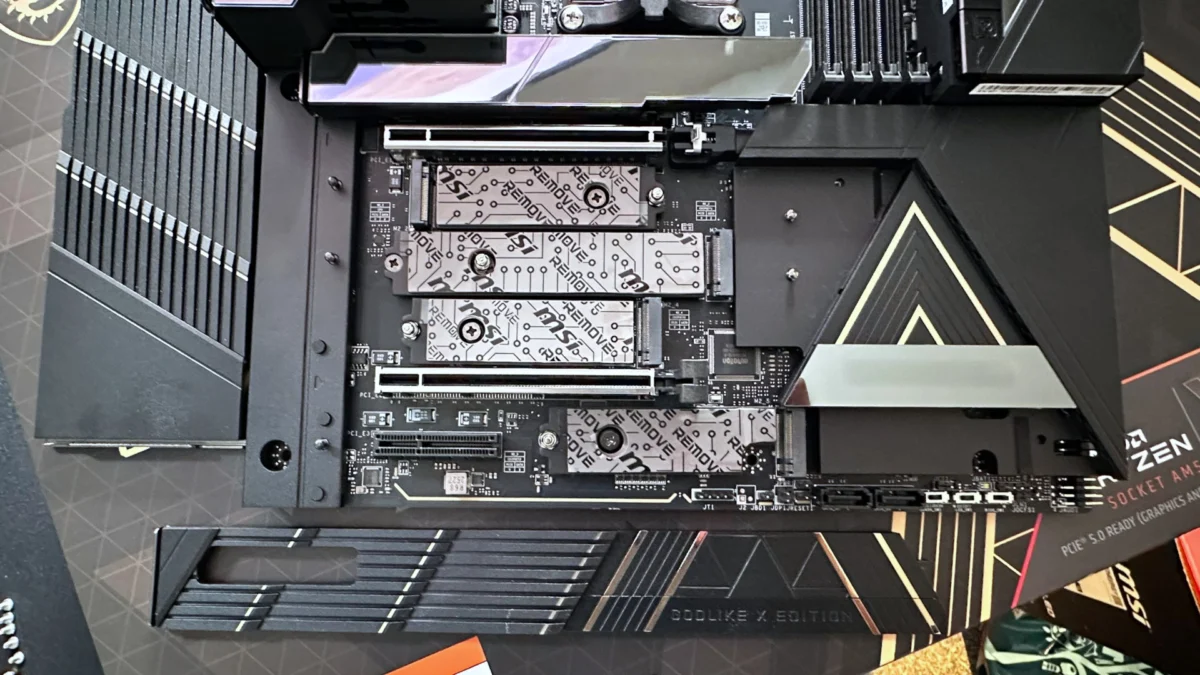
However, this innovation remains strictly within the enterprise domain. The CXL standard is currently absent from consumer-grade CPUs and chipsets. While an enthusiast motherboard like the MSI MEG X870E Godlike might feature the PCIe lanes necessary to physically host such an expansion card, the lack of CXL support in consumer processors means the technology cannot be used to "patch" a home gaming PC.
Future Implications: The End of the "Memory Wall"?
The success of the Vistara project signals a broader trend in data center architecture: disaggregation. By moving memory, storage, and compute into independent, interconnected pools, companies can scale their resources based on specific workload needs rather than being constrained by the physical limits of a single motherboard.
If DRAM prices remain volatile or elevated—a distinct possibility given the industry’s pivot toward High Bandwidth Memory (HBM) for AI accelerators—the Vistara approach may become the blueprint for other cloud providers.
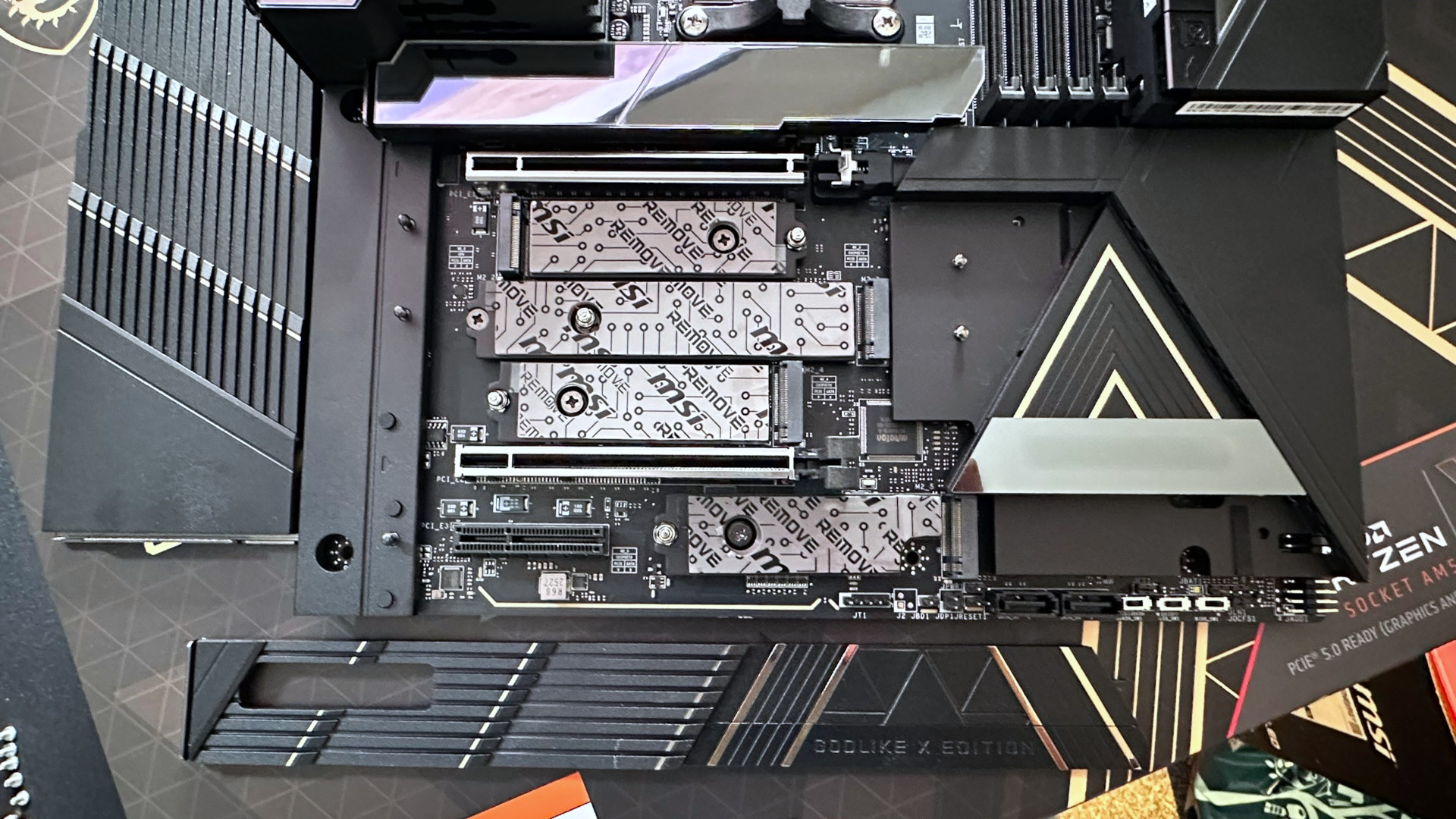
For the average user, the takeaway is perhaps more philosophical: the limits of what a "system" can do are no longer defined by the number of slots on a circuit board. Through clever engineering and protocol innovation, hardware is becoming more fluid, more recycled, and significantly more efficient. Whether this eventually trickles down to the consumer market in the form of CXL-enabled desktop platforms remains to be seen, but for now, Meta’s Vistara stands as a masterclass in squeezing every last drop of utility out of legacy technology.
As we look toward 2025 and beyond, the ability to bridge the gap between yesterday’s hardware and today’s AI demands will likely be the defining factor in which companies lead the charge in the computing arms race. Meta has fired the first shot; it is now up to the rest of the industry to decide if they will follow suit or continue to pay the premium for total hardware replacement.

