

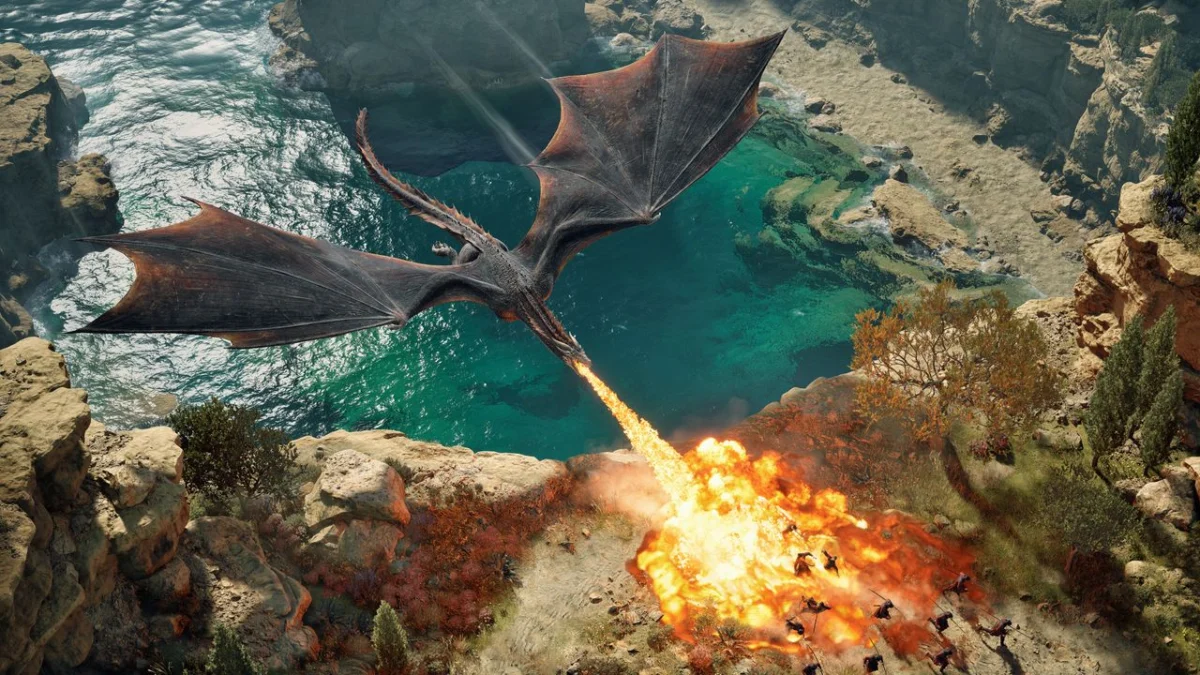
The Iron Throne may be the ultimate prize in George R.R. Martin’s sprawling fantasy epic, but for the developers at PlaySide Studios, the real battle is happening in the trenches of production. Game of Thrones: War for Westeros, the ambitious real-time strategy (RTS) title designed to bring the brutal, high-stakes warfare of HBO’s television juggernaut to the PC gaming space, has officially pushed its release window. Originally slated for a 2026 debut, the title will now aim for an early 2027 launch, a delay that signals the studio’s commitment to polishing its mechanics in an increasingly competitive strategy landscape.
The State of the Realm: An Overview
Game of Thrones: War for Westeros first emerged from the shadows during last year’s Summer Game Fest. The announcement was met with a mixture of nostalgia and skepticism; while the Game of Thrones IP remains a titan of pop culture, the memory of the show’s divisive final season still lingers in the minds of many fans.
The title is explicitly modeled after the HBO television series rather than the source material—the A Song of Ice and Fire novels. This distinction is clear in the game’s aesthetic, which leans heavily into the likenesses of characters like Jon Snow and Jaime Lannister, as well as the vocal performances of series staples like Charles Dance, who reprised his role as the calculating Tywin Lannister. By grounding the experience in the visual language of the show, PlaySide Studios is betting that the emotional connection players have with the televised icons will translate into a compelling hook for an RTS.
Chronology of Development
The path to War for Westeros has been one of calculated silence punctuated by brief, tactical updates.
- June 2024: The game is officially unveiled at Summer Game Fest, promising a blend of large-scale battlefield management, intricate diplomacy, and asymmetric faction mechanics.
- Late 2024 – Early 2025: A period of radio silence follows, leading to speculation regarding the title’s scope and development health.
- May 2025 (Current Update): PlaySide breaks the silence with a developer update on Steam, confirming that development is "progressing well" while simultaneously announcing the shift in the release schedule.
- Early 2027 (Target): The revised release window, intended to provide the team with the necessary runway to ensure the game meets the "high level of quality" demanded by both the RTS community and franchise loyalists.
Gameplay Mechanics: The Physics of War
The most significant revelation in the latest developer communication is the focus on the "feel" of combat. RTS games often live or die by their mechanical responsiveness, and PlaySide appears to be prioritizing a visceral, tactile experience.
The studio has emphasized that they are building a system that prioritizes unit behavior and physical impact. In a demonstration shared by the developers, viewers witnessed heavy cavalry units smashing through infantry lines with the momentum one would expect from a mounted charge. This is not merely cosmetic; the developers are pushing a "rock-paper-scissors" style of tactical counter-play that goes deeper than simple stat-checking.
Players will be required to analyze enemy composition in real-time. For example, if a player attempts to halt a cavalry charge with standard infantry, they will find their ranks shattered. Instead, the game mandates the deployment of specific anti-cavalry units, rewarding players who read the battlefield accurately. This focus on physical weight and unit roles suggests that War for Westeros is aiming to capture the chaotic, brutal nature of the show’s legendary battles, such as the Battle of the Bastards, where formation and positioning were the difference between victory and slaughter.
The Challenges of Adapting a Cultural Phenomenon
Adapting Game of Thrones is a Herculean task. The series is defined by two primary elements: the macro-level political maneuvering and the micro-level brutality of its combat. Balancing these in an RTS is inherently difficult.
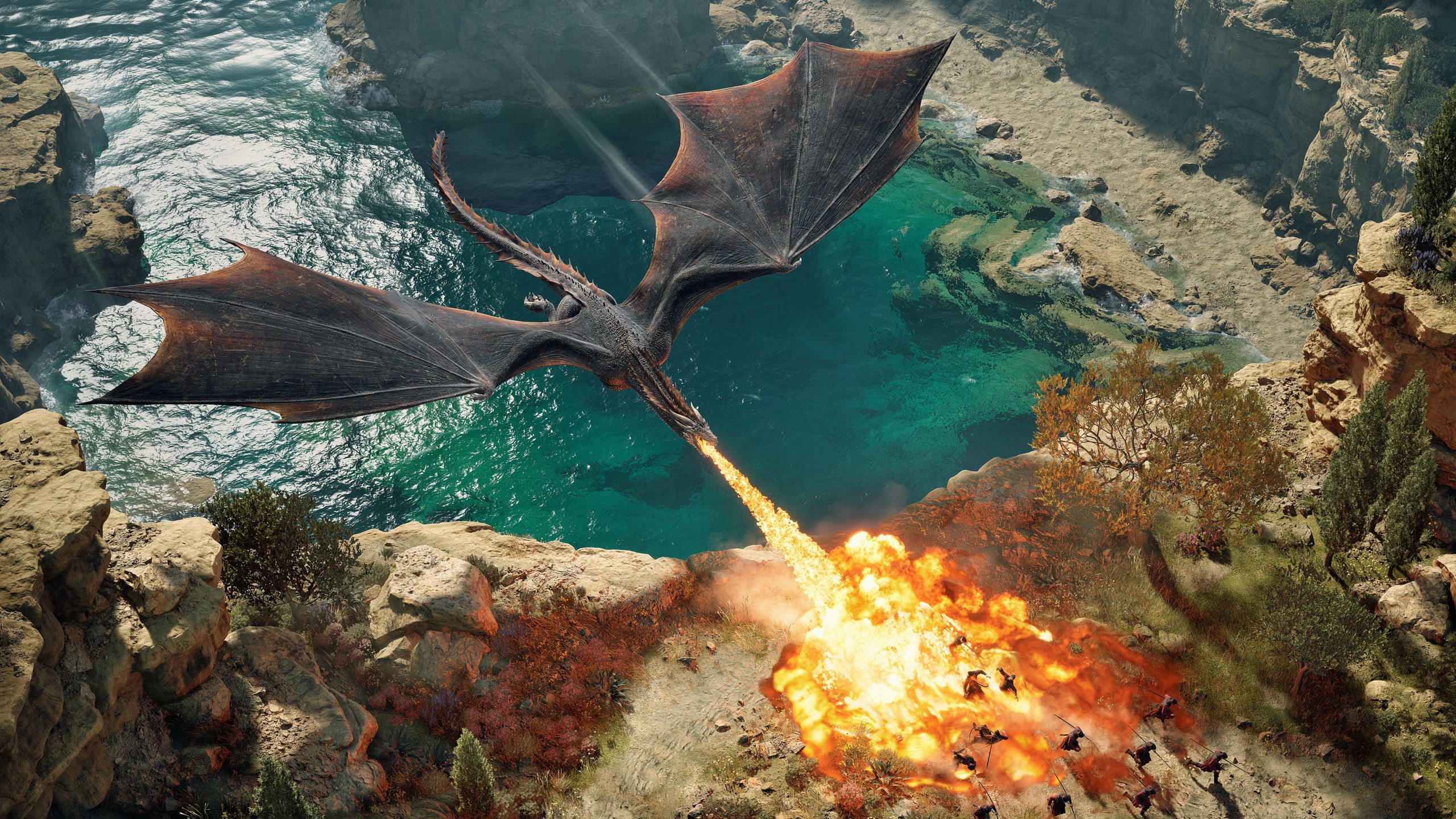
Strategy fans are a demanding demographic, often looking for deep, complex systems that reward thousands of hours of mastery. Meanwhile, the average Game of Thrones fan may be more interested in the narrative and the "hero moments" associated with the characters. PlaySide’s challenge is to synthesize these two goals. If the game is too simplistic, the RTS crowd will abandon it; if it is too bogged down in spreadsheets, the casual fan who wants to see dragons burn armies will lose interest.
The delay to 2027 is a clear indication that the studio recognizes this tension. By taking an extra year, PlaySide is attempting to ensure that the game’s "signature heroes"—each with unique mechanics—feel distinct and meaningful, rather than just powerful units with high health pools.
Strategic Implications of the Delay
The shift to a 2027 launch date is, objectively, a strategic move. The RTS genre has seen a modest resurgence in recent years, with titles like Age of Empires IV and Stormgate vying for the attention of a dedicated, yet fragmented, player base.
- Technical Polish: By moving into 2027, the developers can iterate on the engine’s physics-based impact systems. A "pretty" game that plays poorly is easily forgotten; a game that feels "heavy" and responsive has a much higher chance of longevity.
- Market Timing: The Game of Thrones brand is currently in a state of stabilization. With House of the Dragon and A Knight of the Seven Kingdoms keeping the franchise in the public consciousness, 2027 might be a more stable time to launch than the original 2026 window, avoiding potential fatigue.
- Community Management: The decision to be transparent about the delay is a positive sign for the game’s community management. Rather than rushing a product out the door to hit a fiscal deadline, the studio is signaling that the quality of the "Westeros experience" is the priority.
Can the Magic Be Reclaimed?
The broader question remains: Is there still an appetite for Game of Thrones in the gaming space?
While the final season of the HBO series left a sour taste for many, the world of Westeros remains one of the most richly realized fantasy settings in existence. The success of House of the Dragon proves that the audience has not abandoned the world; they simply need to be reminded of why it was so compelling in the first place.
If PlaySide Studios can successfully marry the visceral thrill of an RTS with the political intrigue of the source material, War for Westeros could find itself in a unique position. The game doesn’t just need to be a "good RTS"—it needs to be a game that honors the scale and the stakes of the series. The delay is not a sign of failure, but rather a recognition of the sheer scale of that ambition.
For now, the banners are furled and the armies are waiting. The long winter of development is set to continue for another year, but for those awaiting a definitive strategy experience in the Seven Kingdoms, 2027 may yet be the year the war finally begins in earnest.

