The boundary between Magic: The Gathering’s bespoke, deeply rooted multiverse and its wildly popular Universes Beyond (UB) crossover program is officially blurring. Wizards of the Coast has pulled back the curtain on Darkhold Destiny, the premier Magic: The Gathering release slated for early 2027. Set to be fully unveiled at New York Comic Con 2026, this landmark set brings Marvel’s magical and cosmic heavyweights into the world of standard-bearing card game mechanics, but with a foundational twist that changes the trajectory of cross-IP collaborations forever.
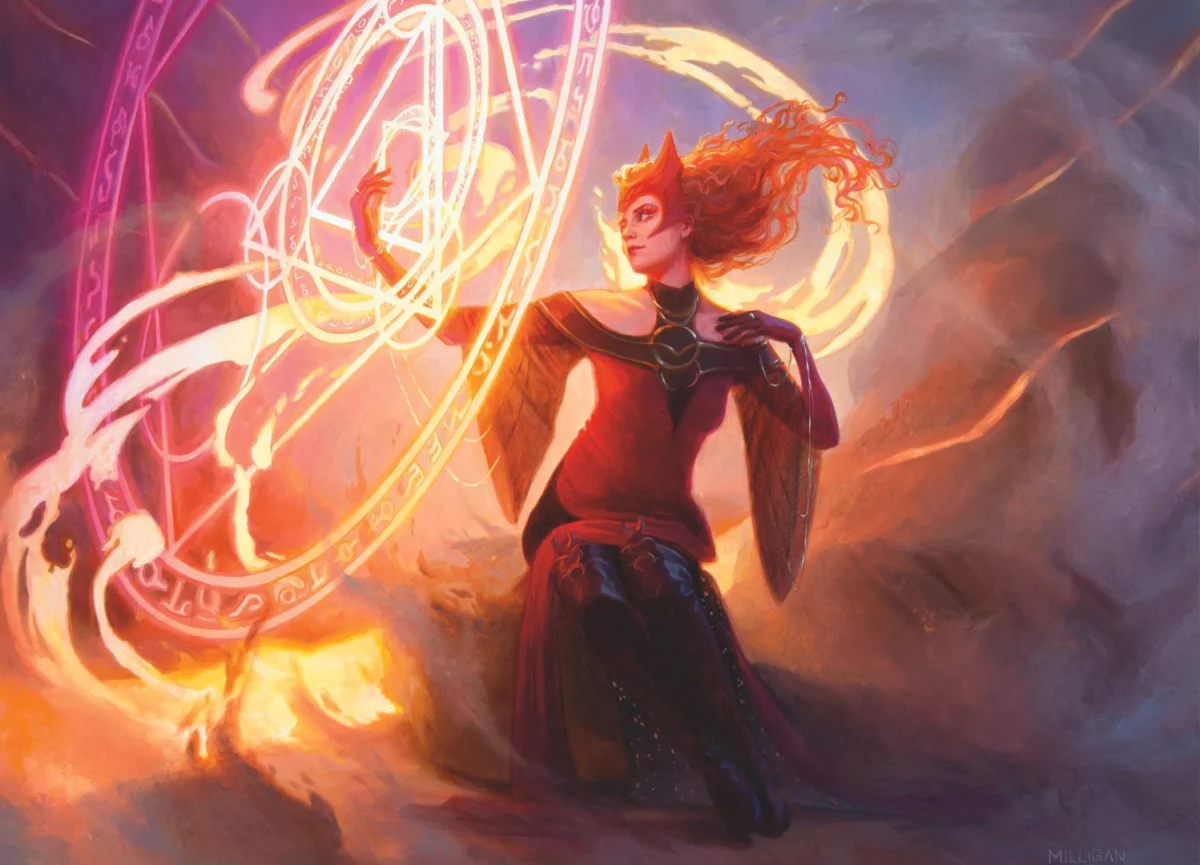
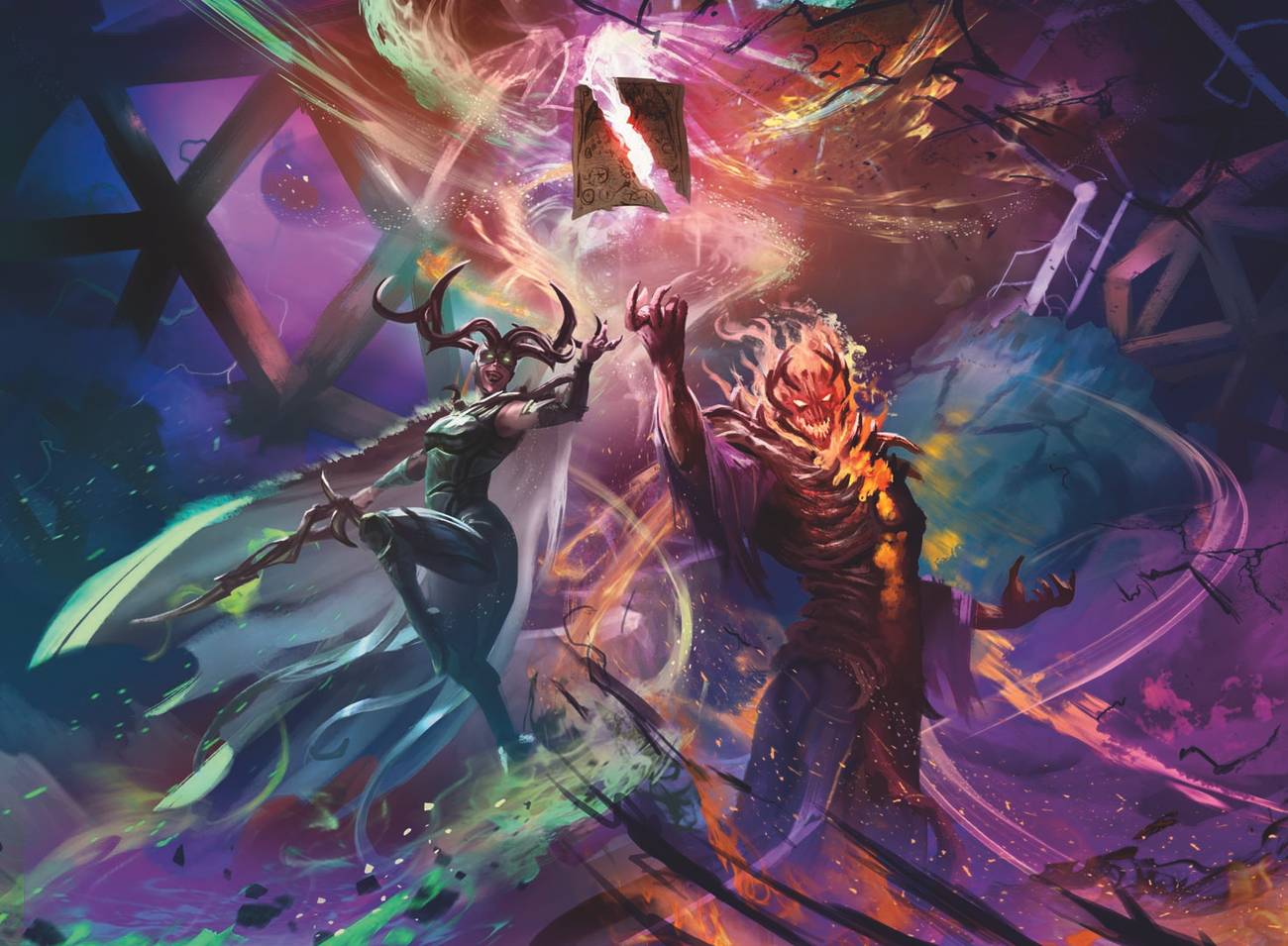
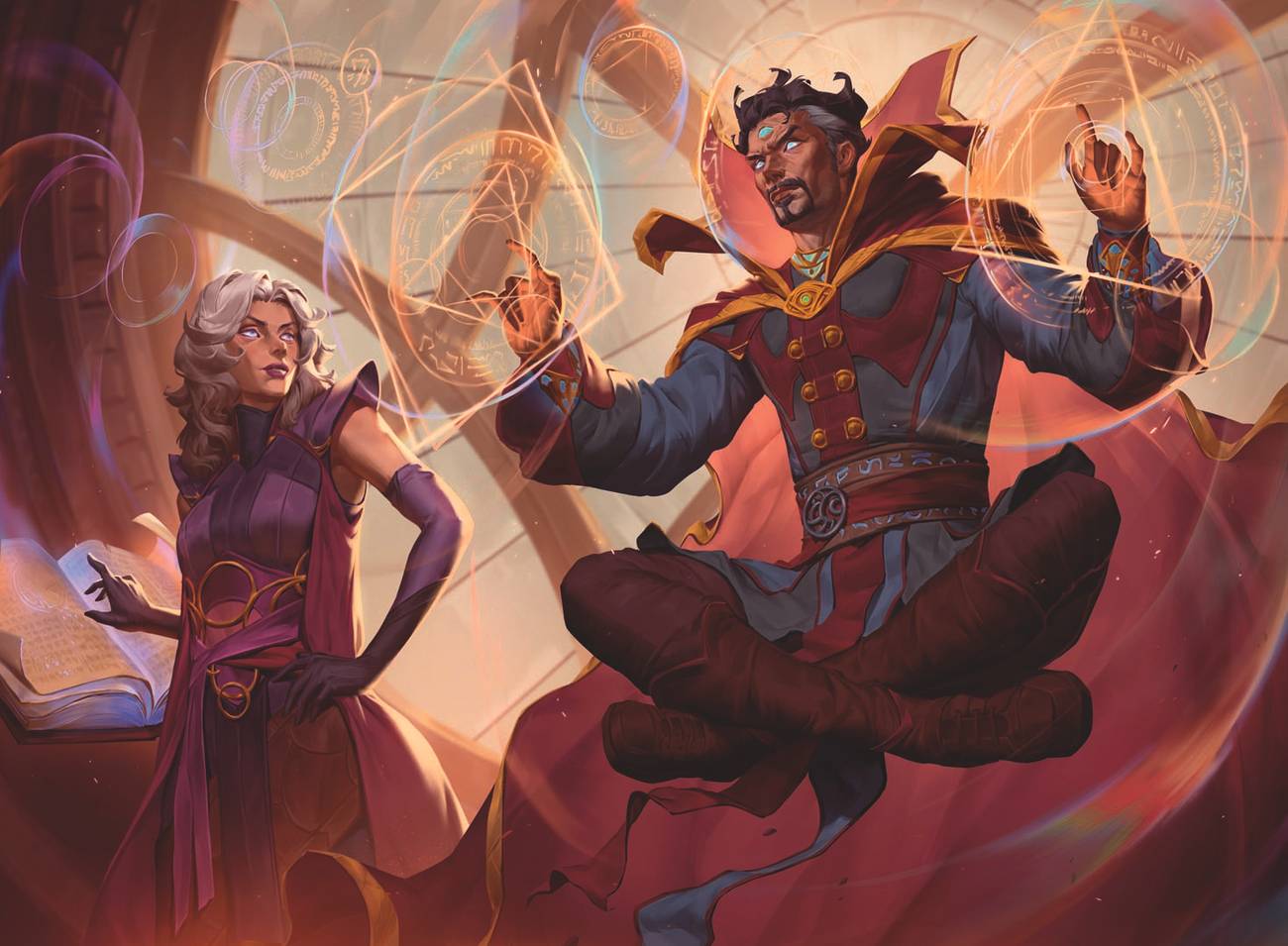
Unlike previous Universes Beyond expansions—such as blockbusters based on The Lord of the Rings, Final Fantasy, and Spider-Man—which focused primarily on translating recognizable pop culture icons into playable cards, Darkhold Destiny introduces an original narrative arc. Co-developed hand-in-hand with Marvel, the set centers on the malevolent entities Hela and Dormammu securing the corrupting text of the Darkhold to shatter the Marvel multiverse. Standing in their way is a pantheon of magic-centric heroes, including Thor, Doctor Strange, and the Scarlet Witch.
According to head designers at Wizards of the Coast, Darkhold Destiny is explicitly designed to lean away from "wall-to-wall legendary creatures fighting each other" and toward the deep, complex mechanical systems, intricate card types (such as artifacts, enchantments, and sorceries), and expert-level Draft formats historically reserved for home-brewed Magic sets.
Chronology: The Journey to Darkhold Destiny
To understand the magnitude of Darkhold Destiny, it is helpful to look at the timeline of Universes Beyond since its inception.
The Early Era (2021–2023):Universes Beyond began as a cautious experiment. Early offerings like Secret Lair drops and the Warhammer 40,000 Commander decks proved that fans of external intellectual properties were eager to play Magic. However, these releases were largely self-contained and focused heavily on fan service rather than systemic narrative integration.
The Commercial Boom (2024–2025): Sets based on massive global properties like The Lord of the Rings: Tales of Middle-earth shattered sales records, bringing millions of new players into the fold. Despite their commercial triumph, critics and veteran players frequently noted that these sets lacked the intricate lore integration, deep world-building, and complex Draft formats found in standard Magic tentpole expansions (like Reality Fracture).
The Marvel Partnership and Conceptualization (2025–2026): As Wizards of the Coast began planning their multi-year partnership with Marvel, creative directors realized they had a surplus of characters who naturally aligned with Magic’s fantasy aesthetic—witches, wizards, zombies, and elder gods. Rather than stopping at a standard character checklist, the teams at Wizards and Marvel pushed past conventional boundaries. They conceptualized an entirely original storyline set within the Marvel sandbox, backed by a companion Marvel comic book detailing the exact same narrative.
The Late 2026 Reveal: Ahead of New York Comic Con 2026, Wizards officially confirms Darkhold Destiny as the most mechanically and narratively ambitious crossover set in the history of the game, setting the stage for its Q1 2027 release.
Supporting Data: Structure, Complexity, and Draft Design
One of the most persistent criticisms leveled against past Universes Beyond sets has been their limited scope regarding Limited formats, specifically Draft and Sealed. Because many partner IPs possess restricted or hyper-focused rosters, sets often struggled to support diverse color archetypes or deep mechanical synergies.
Darkhold Destiny completely bucks this trend. Key structural highlights include:
Full Two-Color Support: The set officially features robust, dedicated drafting strategies for all 10 two-color combinations, bringing it up to parity with premier Magic expansions.
Expert-Level Design: Aaron Forsyth, Magic‘s senior vice president of design and creative, emphasized that the set is deliberately tuned for veteran Magic players. Rather than relying solely on creature combat, the design team heavily populated the set with intricate artifacts, game-altering enchantments, and high-impact sorceries.
An Original Superhero Creation: During the mapping of the narrative, Wizards identified a gap in the Marvel universe requiring a brand-new hero. Wizards pitched five original superhero concepts to Marvel, who selected one that conveniently aligned with internal comic book storylines they were already developing. While this original character is currently under wraps, the precedent opens the door for cross-medium creation—much like how Harley Quinn originated in Batman: The Animated Series before infiltrating DC’s core comic continuity.
Official Responses: Insights from the Design Leads
Speaking exclusively to Polygon, Magic’s premier creative minds illuminated the philosophy driving this massive pivot.
Mark Rosewater, Magic’s head designer, noted that the creation of an original narrative within a partner’s intellectual property represents a natural evolution of creative collaboration.
"That’s a staple of how comics work," Rosewater said, drawing parallels to legendary comic book crossovers. "They work with different partners and the good ideas sort of make their way in. Now that we’ve done it once, at least it’s an idea that we now have. We’d have to find the right partner, but doing anything the first time just makes the second time more likely."
Aaron Forsyth echoed these sentiments, highlighting the conscious decision to cater directly to the hardcore competitive and casual Magic base rather than merely appealing to casual crossover tourists.
"It may be the most complex Universes Beyond set we’ve made because we knew that it was very aimed at Magic players," Forsyth explained. "We think this is in their wheelhouse, so we wanted to pull out all the stops with artifacts, enchantments, and sorceries. It’s not just wall-to-wall legendary creatures fighting each other."
Implications: What Darkhold Destiny Means for the Future of Magic
The release of Darkhold Destiny in 2027 carries profound implications for the future of Magic: The Gathering and the Universes Beyond initiative as a whole.
1. The Death of "Skin-Resin" Crossovers
Historically, detractors of Universes Beyond argued that crossover sets were essentially reskins—mechanically simplified cards riding the coattails of recognizable movie and game franchises. By weaving an original, canon-adjacent narrative backed by a dedicated comic book run, Wizards of the Coast is proving that Universes Beyond can deliver legitimate, story-driven expansions that rival the depth of traditional Magic blocks.
2. Deepening Player Retention
By tailoring Darkhold Destiny toward an "expert-level Draft" experience with full two-color support, Wizards is directly addressing the fatigue felt by limited-format purists. If Darkhold Destiny succeeds, it proves that crossover sets do not have to sacrifice mechanical complexity to appeal to mainstream audiences. This could redefine how future partners approach their collaborations with Wizards, encouraging deeper integration rather than superficial product tie-ins.
3. A Two-Way Street for Intellectual Property
The introduction of a brand-new, co-developed superhero character—with potential integration into Marvel’s wider comic book universe—transforms Magic: The Gathering from a passive recipient of external media into an active incubator for global pop culture. If this original character successfully transitions into mainstream Marvel comics or media, it shatters the glass ceiling of what a trading card game can achieve culturally.
As the Magic community prepares for the full reveal at New York Comic Con 2026, Darkhold Destiny stands as a testament to how far Universes Beyond has traveled. It is no longer just about seeing your favorite heroes on cardboard; it is about telling entirely new stories at the intersection of legendary worlds.