

Main Facts: A Modding Miracle for a Divisive Classic
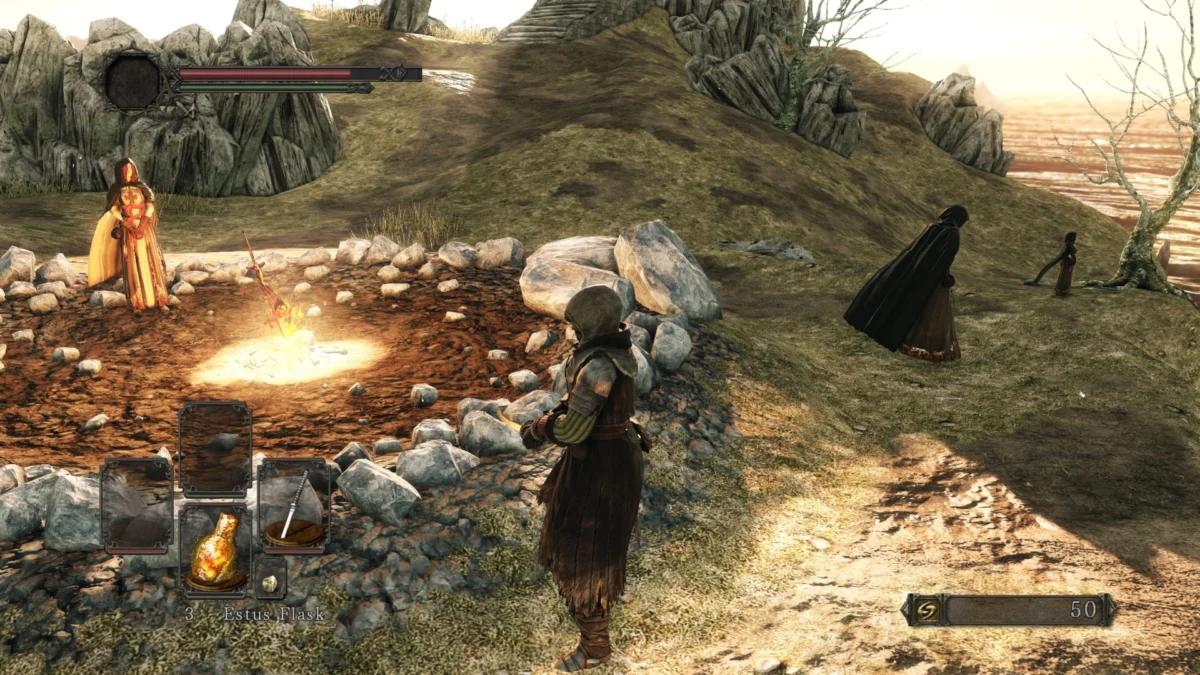
Nearly thirteen years after its initial release, FromSoftware’s polarizing masterpiece, Dark Souls 2, is experiencing an unexpected renaissance. Thanks to legendary modder Yui—renowned for architecting the game-changing multiplayer mods for Elden Ring and other Soulsborne titles—Dark Souls 2 now features a fully functional "Seamless Co-op" system.
Historically, FromSoftware’s multiplayer ethos has relied on diegetic, restrictive mechanics. Summoning friends required consumable items (like Human Effigies), invited time limits, and punished players with host-disconnection if a boss was defeated or an invader intervened. Yui’s Seamless Co-op completely dismantles these archaic speed bumps. By introducing shared story progression, siloed save files, and independent server systems that protect vanilla game progress from anti-cheat scrutiny, the mod transforms a notoriously solitary and punishing grind into a fluid, cooperative adventure.
While Dark Souls 2 is approaching its thirteenth birthday, it is remarkably the most recent FromSoftware title to receive the Seamless Co-op treatment. Its unique mechanical quirks, polarizing design choices, and traditionally lower player retention compared to its siblings (Dark Souls, Dark Souls 3, and Elden Ring) likely contributed to it waiting in line the longest. Yet, for veterans and series revisionists alike, the mod offers an entirely fresh lens through which to view Drangleic—one with drastically reduced trial-and-error frustration and exponentially more cooperative camaraderie.
Chronology of an Undead Journey: From Iron Keep to the Poison Swamps
To truly understand the impact of Yui’s mod, one must recall the infamous bottleneck areas that historically caused players to break controllers and abandon playthroughs entirely. Mention zones like the Iron Keep, the Shrine of Amana, or the Dragon Shrine to even the most hardened Souls veteran, and they are liable to break into a cold sweat. These regions are infamous for ganks—waves of frustrating, overlapping enemy placement designed to overwhelm solo players. Furthermore, the game’s co-op-first DLC zones ruthlessly brutalize lone wanderers.
However, playing with a coordinated squad changes the arithmetic of Drangleic completely.
Taming the Iron Keep Gauntlet
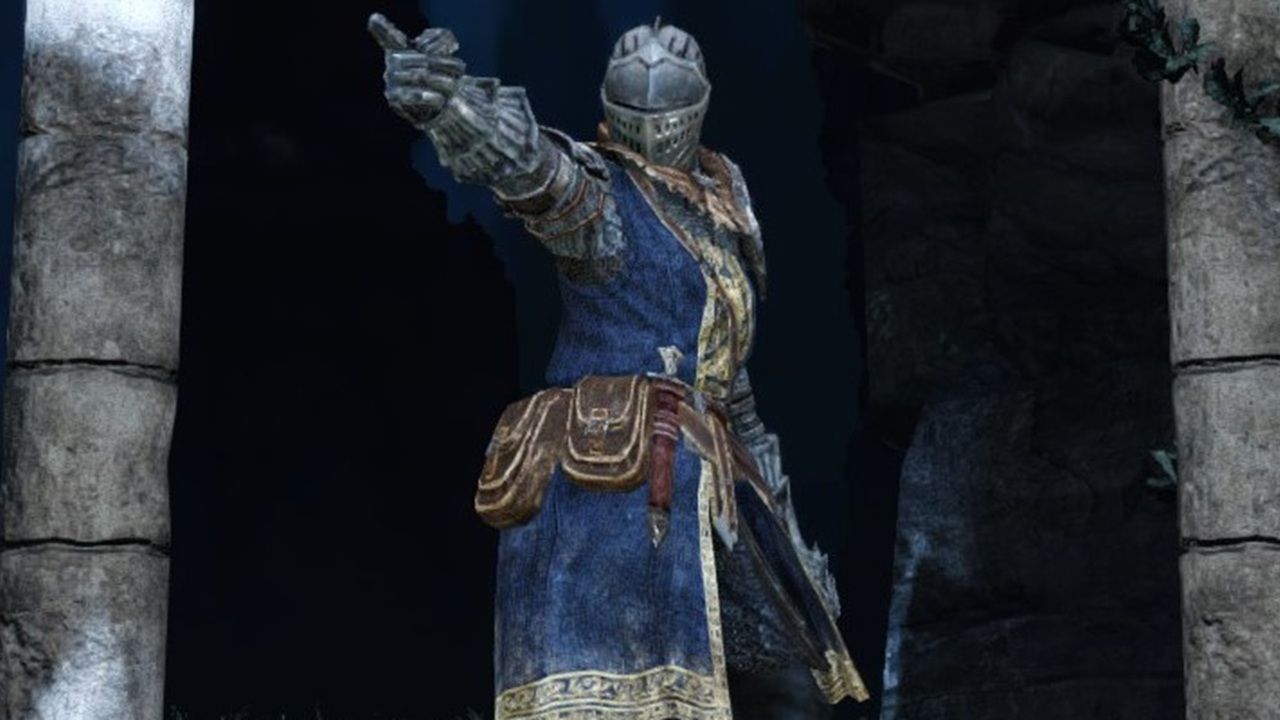
In the vanilla game, the Iron Keep’s first major hurdle presents a gauntlet of lightning-quick, katana-wielding Alonne Knight impersonators who swarm the player across precarious, lava-flanked catwalks. Defeating them only sets the stage for the Smelter Demon: a massive, fire-infused golem whose most notorious trait is an invisible, trailing hurtbox attached to every sword swing.
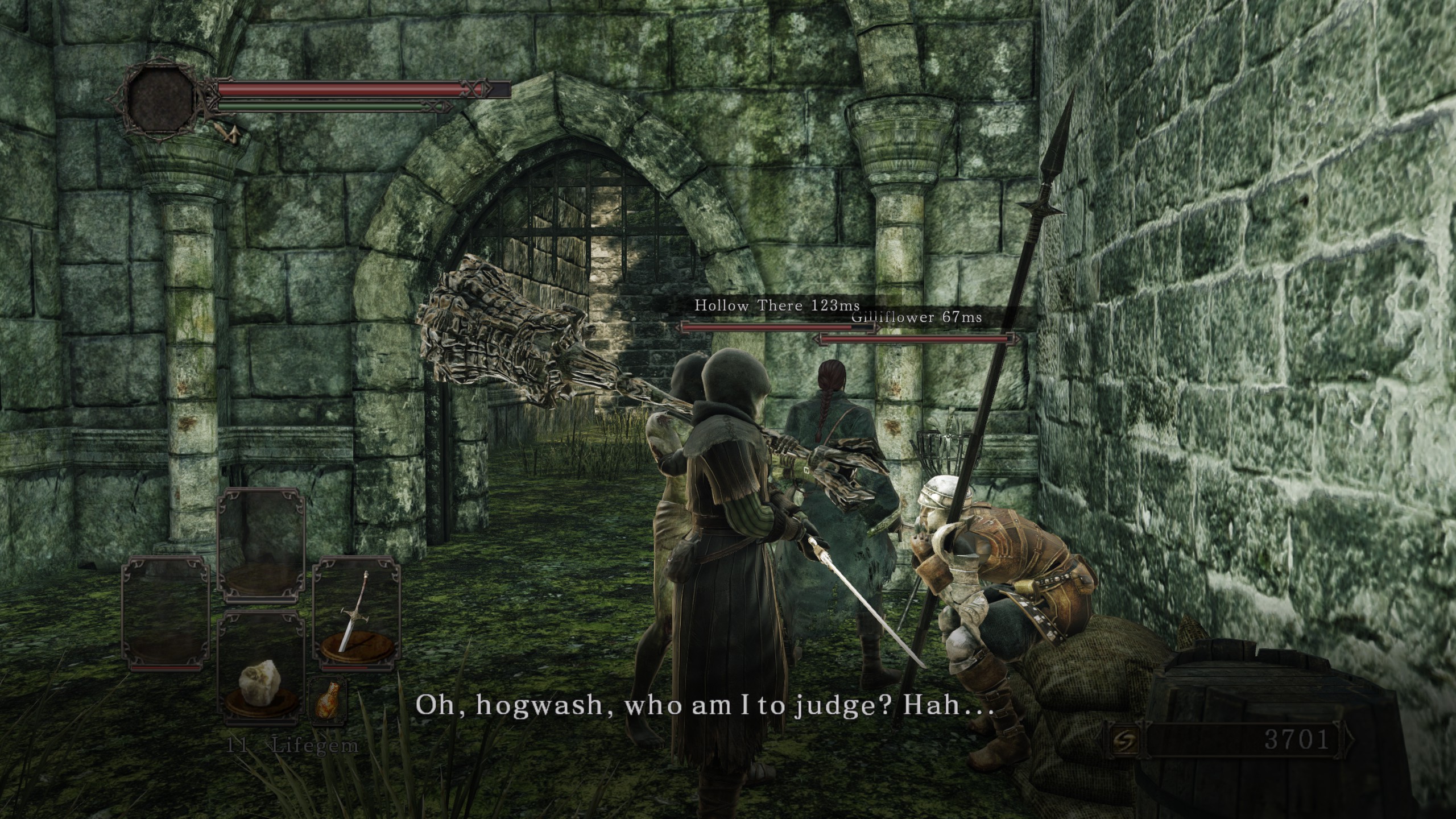
Under the Seamless Co-op framework, this grueling war of attrition becomes manageable, bordering on lighthearted. If a squad member falls to a misplaced roll or an unexpected ambush, progress does not instantly reset. Unless the team is actively engaged in a boss fight or a player-versus-player (PvP) invasion, fallen comrades simply respawn back at the most recent bonfire and can rejoin their peers seamlessly. Should all players perish, the game reverts to classic Dark Souls respawn rules, keeping the core tension alive without inducing controller-shattering despair.
The Return of the PvP Sickos
One of the most delightfully chaotic side effects of the mod’s release has been the abrupt awakening of the Dark Souls 2 PvP community. Under Yui’s system, invasions remain active even when players are hollowed. This design choice has summoned a dedicated, long-dormant cadre of PvP enthusiasts out of retirement, dusting off their Ice Rapiers, Chaos Blades, and min-maxed builds for one final dance across Drangleic.
Unlike vanilla Dark Souls 2, where PvP could feel strictly opt-in or isolated to specific dueling arenas like the Threshold Bridge, Seamless Co-op makes invasions a persistent reality by default. Players must consciously choose to disable them. This has led to memorable, albeit harrowing, encounters—such as a legendary, naked player invader known only as "Goth Bitch," who terrorized players through the toxic expanse of Harvest Valley with terrifyingly optimized PvP proficiency.
Supporting Data: Technical Integration and Community Impact
Building a seamless multiplayer infrastructure on top of a legacy engine like the one powering Dark Souls 2 (often noted for its unique physics tied to frame rates and bizarre durability bugs) is no small engineering feat.
- Installation and Accessibility: The mod is hosted freely via the Dark Souls 2 Nexus mods page, requiring only a straightforward file placement alongside the Scholar of the First Sin edition on Steam.
- Save Management: The mod operates on a completely isolated save state system. This ensures that players experimenting with the mod never have their vanilla save files flagged by developer anti-cheat protocols, safeguarding thousands of hours of legitimate character progression.
- Technical Stability: While minor latency issues and desyncs occasionally crop up between player instances—particularly during chaotic, multi-enemy skirmishes—the mod has proven remarkably stable. Yui’s post-launch support saw rapid, consecutive hotfixes that squashed critical bugs within days of release.
- Player Retention Metrics: While Dark Souls 2 has historically lagged behind Dark Souls 3 and Elden Ring in concurrent player counts, the release of the Seamless Co-op mod has sparked a noticeable resurgence in community engagement, streaming interest, and collaborative playthroughs across platforms like YouTube and Twitch.
Official Responses and Developer Context
FromSoftware has historically maintained a strict philosophy regarding cooperative play. Series creator Hidetaka Miyazaki and his development teams have always favored indirect, diegetic multiplayer mechanics—such as glowing summon signs, cryptic player messages left on the ground, and phantom bloodstains. These systems are purposefully designed to maintain a sense of profound isolation, emphasizing that while help is available, the player’s journey through a dying, hostile world is fundamentally their own.
Because of this rigid design philosophy, FromSoftware has never officially endorsed or implemented native seamless cooperative frameworks for its legacy single-player action RPGs. While Elden Ring expanded player freedom with summoning pools and password matching, it still retains the structural barriers of zoning transitions, boss-boundary walls, and forced session termination upon victory.
Although FromSoftware and publisher Bandai Namco have not issued a formal public statement regarding Yui’s Dark Souls 2 mod specifically, the developer’s historical stance on modding leans toward quiet acceptance, provided mods do not cross into commercial exploitation or malicious online cheating within official servers. By keeping Seamless Co-op entirely siloed on custom servers, Yui successfully navigates this gray area, allowing the community to experience the game on their own terms without risking official account bans.
Implications: What This Means for the Future of Souls Modding
The success of Dark Souls 2 Seamless Co-op carries profound implications for the Soulsborne community and the broader landscape of single-player modding.
1. Re-evaluating Dismissed Classics
Dark Souls 2 has long shouldered the title of the "black sheep" of the franchise. Director Hidetaka Miyazaki only supervised the project rather than directing it directly, leading to mechanical experiments—such as the Agility stat, soul memory matchmaking, and punishing gank squads—that alienated purists. By removing the friction of traversal and loneliness, Seamless Co-op allows a new generation of players to appreciate the game’s genuine strengths: its sprawling world design, incredible variety of viable builds, magnificent atmospheric music, and unique narrative themes regarding the curse of the Undead.
2. Setting a New Standard for Co-op Mods
Following the monumental success of the Elden Ring Seamless Co-op mod—which essentially proved that modern action RPGs are enhanced tenfold by cooperative freedom—bringing the technology to older titles ensures that legacy games do not simply rot in digital storefronts. It establishes a community-driven preservation model where older, clunkier multiplayer architectures are retrofitted by passionate fans to meet modern quality-of-life expectations.
3. The Enduring Vitality of PC Modding
Ultimately, this movement highlights the unmatched longevity that PC platforms grant to single-player masterpieces. As official server support for older titles fluctuates or faces security vulnerabilities (as seen during the RCE exploit scares of recent years), modders continue to step into the breach.
For those willing to brave the perils of Drangleic once more, dusting off Dark Souls: Scholar of the First Sin on Steam and downloading Yui’s masterpiece from Nexus Mods offers an unforgettable experience. Whether you are seeking a nostalgic victory lap with old friends or longing to test your mettle against the revitalized vanguard of PvP invaders in the poison swamps, Dark Souls 2 has never felt more alive.

