

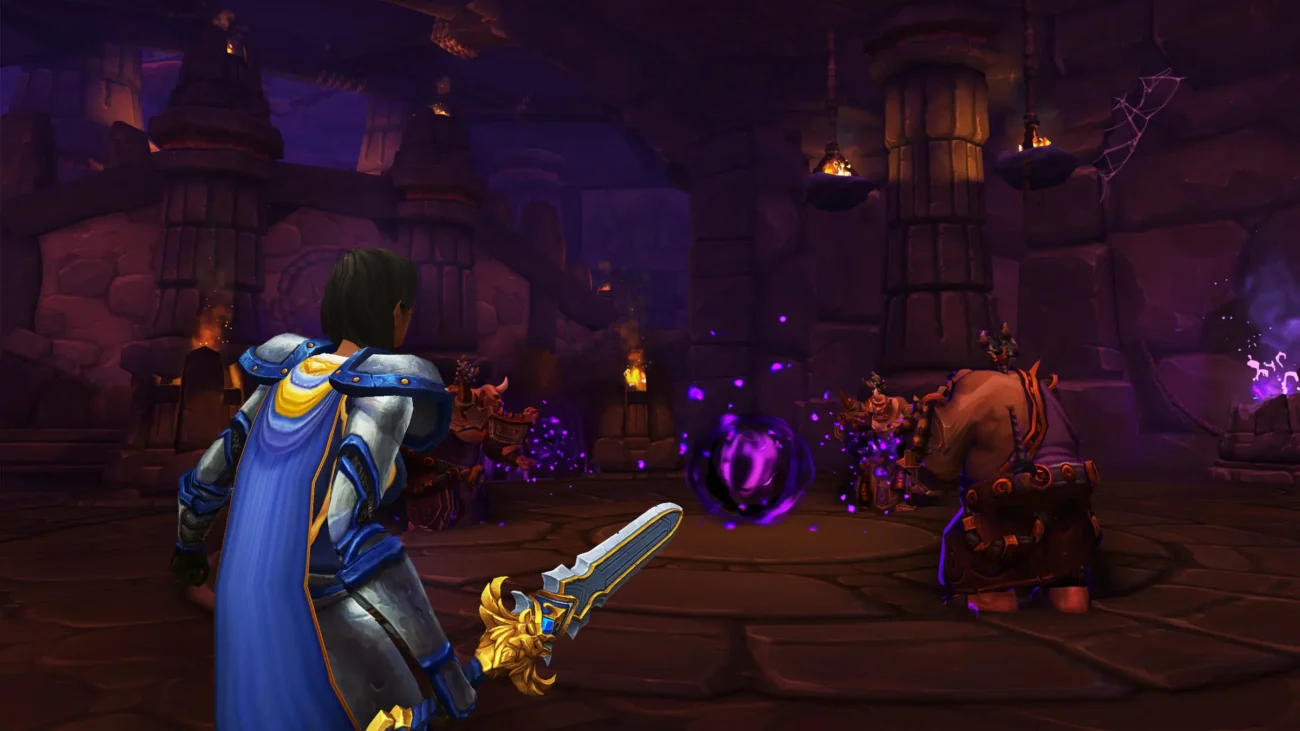
In a move that underscores the ongoing tension between official game publishers and the private server community, Blizzard Entertainment has officially initiated a copyright infringement lawsuit against the operators of "Project Ascension," a prominent project dedicated to modding and hosting World of Warcraft (WoW). The lawsuit, which alleges large-scale, unauthorized distribution of proprietary software, seeks to dismantle what Blizzard describes as a lucrative, illicit business built entirely on the back of its intellectual property.
The Core Allegations: Intellectual Property and Revenue Loss
At the heart of the litigation is the assertion that Project Ascension is not merely a hobbyist fan endeavor, but a sophisticated operation profiting from Blizzard’s creative labor. According to documents filed in court, Blizzard’s legal team contends that the project has distributed millions of pirated copies of World of Warcraft game software.
Blizzard’s legal argument centers on the claim that Project Ascension functions as a commercial enterprise that actively undermines the company’s business model. "The defendants have built an entire business on large-scale, egregious, and ongoing infringement of Blizzard’s intellectual property," the filing states.
The company argues that by creating a "classless" version of the game and altering core mechanics, the operators have created an unauthorized derivative product that dilutes the brand. More importantly, Blizzard points to a direct financial impact: the diversion of players who would otherwise be paying monthly subscription fees for official World of Warcraft servers. By providing a free, albeit unauthorized, alternative, the defendants are accused of siphoning revenue and devaluing the official game experience.
Chronology of a Conflict: From Fan Project to Legal Target
The existence of private servers for World of Warcraft is nearly as old as the game itself, with early attempts dating back to the mid-2000s. However, Project Ascension represents a modern evolution of this phenomenon.
- Initial Growth: Over the last several years, Project Ascension gained significant traction by offering a "classless" leveling system, allowing players to mix and match abilities from all character classes—a feature not available in the official game. This unique selling proposition attracted a dedicated following, with reports estimating their player base reaching over a million users.
- Expansion of Services: As the project grew, so did its infrastructure. The platform began offering various seasonal modes, competitive leaderboards, and a microtransaction-driven economy, further blurring the line between a "fan project" and a commercial competitor.
- Heightened Scrutiny: Blizzard’s monitoring of the private server space has intensified in recent years, particularly as the company launched WoW Classic and Classic Hardcore, effectively reclaiming a portion of the market that private servers had previously monopolized.
- The Filing: Following an internal investigation into the server’s operations and financial structures, Blizzard filed the lawsuit, naming the individuals and entities behind the project and seeking both monetary damages and a permanent injunction to cease operations.
Supporting Data: The "Bulletproof" Server Controversy
Perhaps the most startling aspect of the legal complaint involves the infrastructure Project Ascension uses to maintain its uptime. Blizzard has specifically highlighted the project’s reliance on "bulletproof" hosting services located in Russia.
In legal terms, "bulletproof" hosting refers to providers that are notoriously lax regarding copyright infringement claims, court orders, or content moderation. Blizzard’s filing goes a step further by linking the service provider used by Project Ascension—the Aeza Group—to broader geopolitical and criminal concerns.
The lawsuit notes that the U.S. Department of the Treasury sanctioned the Aeza Group in 2023 for its documented role in supporting cybercriminal activity. By utilizing such a host, the operators of Project Ascension have allegedly made it intentionally difficult for Blizzard to serve cease-and-desist orders or enforce takedowns, as the infrastructure is explicitly designed to resist legal pressure. This association adds a layer of severity to the case, framing the project not just as a copyright violator, but as a potential vector for security risks associated with high-risk, non-compliant digital environments.
The Human Cost: Protecting the Creative Ecosystem
Blizzard’s legal narrative places a strong emphasis on the "human cost" of intellectual property theft. In its filings, the company posits that the unauthorized modification and distribution of its software is not a victimless crime.
"When unscrupulous actors seek to profit from Blizzard’s valuable intellectual property, they undermine Blizzard’s efforts to deliver classic and community-driven content," the company wrote. Blizzard argues that the success of World of Warcraft is the result of thousands of creative professionals—artists, programmers, writers, and designers—working over decades. When these assets are exploited, modified, and monetized without consent, it threatens the long-term sustainability of the studio’s ability to develop new, unique, and high-quality gaming experiences.
Furthermore, Blizzard maintains that the unauthorized nature of these servers poses a risk to players. By bypassing Blizzard’s official security protocols, account management, and content updates, private servers are often seen as operating in a "Wild West" environment where data privacy, fair play, and technical stability cannot be guaranteed.
Broader Implications for the Gaming Industry
The Project Ascension lawsuit is likely to have significant ramifications for the future of private server communities.
The End of "Gray Area" Operations?
For years, many private server operators operated under the assumption that as long as they did not charge for access, they were safe from legal action. Project Ascension, however, adopted a model that included monetization, which historically removes the "fan project" protection that some courts might otherwise consider. This case may serve as a final warning to other projects that any attempt to monetize unauthorized game servers will be met with the full force of corporate litigation.
The "Classless" WoW Demand
One of the ironies of the situation is that Project Ascension’s popularity highlights a specific type of gameplay that a segment of the World of Warcraft community desires but which Blizzard has not yet implemented in the official game. This leads to a persistent debate: should developers integrate popular fan-created features into their official products, or should they strictly protect their IP through litigation? While Blizzard has shown some flexibility in the past (such as the eventual release of WoW Classic after years of community demand), they remain steadfast in their stance that unauthorized alternatives are a threat to their business.
The Precedent of International Jurisdiction
The mention of the Aeza Group and Russian-based servers underscores the increasing complexity of international digital law. If Blizzard is successful in this lawsuit, it may provide a roadmap for other major publishers on how to tackle "bulletproof" hosting services that facilitate copyright infringement across borders. It sets a precedent that global corporations will utilize federal sanctions and international legal frameworks to pursue those who attempt to hide behind "offshore" server protections.
Conclusion: A Turning Point
The lawsuit against Project Ascension represents a decisive moment in the ongoing conflict between Blizzard Entertainment and those who seek to redefine the World of Warcraft experience outside of the official ecosystem. With allegations ranging from simple copyright infringement to the use of sanctioned, high-risk hosting infrastructure, the case is positioned to be a landmark ruling in digital property rights.
As the case proceeds through the courts, the gaming community will be watching closely. Whether the outcome results in the total shuttering of the project or a forced evolution of how such communities operate, one thing is clear: Blizzard is no longer willing to tolerate large-scale commercial exploitation of its flagship title. For the millions of players who have flocked to these private realms, the future of their game—and their characters—now hangs in the balance of the American judicial system.

