

By Tech & Environment Desk
Published: November 2023 / Updated for Comprehensive Analysis
Main Facts
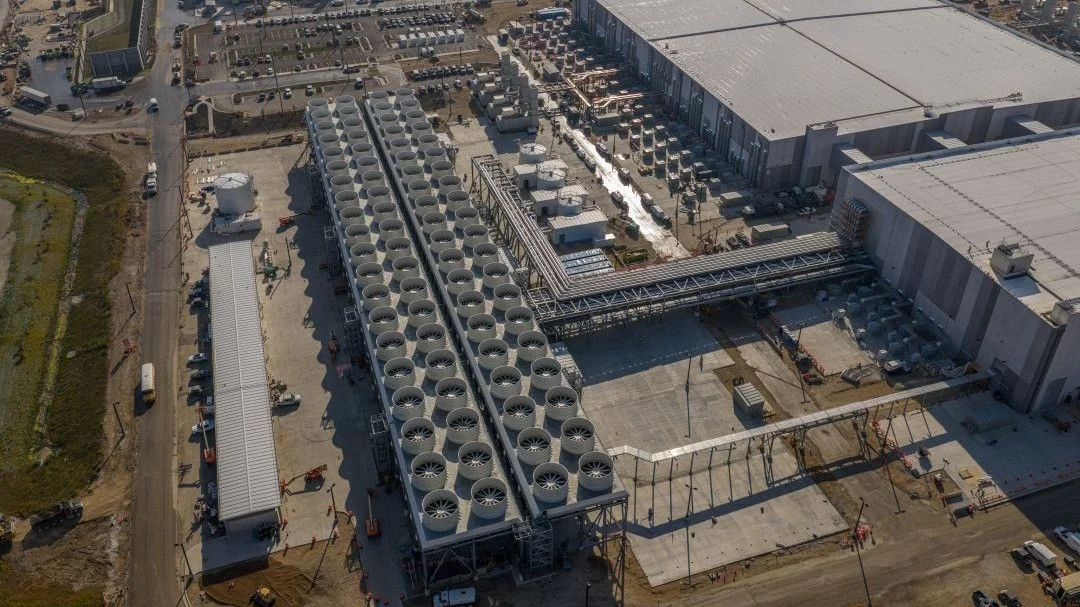
Microsoft is attempting to fundamentally reimagine the physical footprint of its digital infrastructure. Through an ambitious initiative dubbed the "biomimicry" program, the tech giant is reshaping the land surrounding its data centers across more than 20 sites globally. By introducing restored wetlands, native flora gardens, and specialized topography, the company aims to help massive, industrial-grade computing facilities blend seamlessly into local ecosystems. According to recent reports, this landscape-restoration approach has officially become a standard requirement for all new Microsoft data center projects across the United States, with select international implementations in countries like Germany.
However, this outward display of environmental stewardship has triggered intense skepticism from environmental watchdogs, local communities, and energy analysts. The core controversy lies in a profound contradiction: while Microsoft invests heavily in aesthetic and ecological landscape integration, its underlying operations continue to demand staggering amounts of electricity. This tension was thrown into sharp relief when Microsoft inked a 20-year power purchase agreement in June to source energy directly from a planned Chevron natural gas plant in West Texas.
Consequently, critics argue that the biomimicry initiative serves primarily as an elaborate greenwashing campaign. Adrian Shelley, the Texas director of the consumer advocacy group Public Citizen, memorably dismissed the landscape transformation efforts as "basically lipstick on a pig," highlighting the glaring disconnect between localized conservation and broader fossil fuel reliance.
Chronology of Events
To understand how Microsoft arrived at this crossroads of high-tech architecture and environmental friction, it is necessary to examine the timeline of its data center expansion and sustainability commitments:
- The Early 2020s (The AI Boom): As generative artificial intelligence and cloud computing accelerate exponentially, Microsoft embarks on a massive, unprecedented expansion phase for its cloud infrastructure. The construction of hyper-scale data centers surges globally, immediately raising local concerns regarding land use, water consumption, and aesthetic blight.
- The Inception of Ecosystem Intelligence: Recognizing pushback from rural and suburban communities alike, Microsoft’s environmental science and real estate teams begin developing a technological framework to assess and mitigate the environmental disruption caused by data center construction. This culminates in the creation of "Ecosystem Intelligence," an Azure-powered analytical tool designed to score ecological metrics.
- The Pivot to Biomimicry: Microsoft transitions from traditional, sterile corporate landscaping (characterized by manicured lawns and chain-link fences) to a biomimicry model. The strategy focuses on mimicking local natural habitats—such as prairie grass fields, native woodlands, and artificial wetlands—to support local biodiversity and manage stormwater runoff.
- June (The West Texas Agreement): Microsoft signs a controversial 20-year energy procurement deal with Chevron, agreeing to buy power from a planned natural gas-fired generation plant in West Texas. The move is designed to secure a steady baseload of electricity for surging AI workloads, but it immediately draws fierce criticism from climate advocates who point out the contradiction with Microsoft’s public carbon-negative goals.
- Present Day (Broad Implementation and Scrutiny): The biomimicry program officially becomes a mandatory component for all new U.S. data center builds. Simultaneously, watchdog organizations step up scrutiny, demanding that tech giants account for their total carbon and energy lifecycles rather than focusing solely on perimeter aesthetics.
Supporting Data and Technical Framework
The mechanics behind Microsoft’s biomimicry initiative rely heavily on proprietary software and data-driven ecological engineering. Rather than relying on guesswork, the company uses an internal, cloud-native platform called Ecosystem Intelligence.
How Ecosystem Intelligence Works
Hosted securely on Microsoft’s own Azure cloud infrastructure, Ecosystem Intelligence ingests vast quantities of environmental data to evaluate potential and existing data center locations. The software scores sites based on several key performance indicators (KPIs):
- Water Quality and Management: Evaluating how runoff from massive rooftops and cooling infrastructure interacts with local watersheds, designing bioswales and retention ponds to filter water naturally.
- Biodiversity Indices: Mapping native flora and fauna populations prior to construction, and designing landscaping that actively attracts pollinators, birds, and small mammals native to the region.
- Noise Abatement: Integrating earthen berms, dense tree lines, and specialized architectural baffling to mitigate the persistent, low-frequency hum generated by industrial cooling fans and backup generators.
- Community Impact Metrics: Incorporating community feedback and local zoning data to ensure that the physical barrier between the facility and neighboring properties minimizes visual disruption.
The Energy Reality: The Numbers Behind the Backlash
While the ecological metrics for land use show measurable local improvements, the macro-level energy data tells a starkly different story. Data centers are notoriously resource-intensive. According to industry estimates:
- A single hyper-scale data center can consume as much electricity as tens of thousands of suburban homes.
- The integration of power-hungry AI training clusters has accelerated power demands, forcing tech companies to scour the market for gigawatts of new generation capacity.
- The West Texas Chevron deal highlights a persistent reality: renewable energy sources like wind and solar, while growing, often cannot yet provide the 24/7 uninterrupted baseload power required by modern data centers, leading companies to contract directly with fossil fuel providers to prevent grid brownouts.
Official Responses and Stakeholder Perspectives
The divergent views on Microsoft’s dual approach—re-wilding land on one hand while locking into natural gas contracts on the other—reveal a profound philosophical debate over corporate environmental responsibility.
Microsoft’s Perspective
Microsoft defends its biomimicry program as a genuine, necessary evolution in corporate real estate. Company representatives emphasize that data centers are physical structures occupying thousands of acres of land, and architects have a responsibility to give back to the local biosphere.
"We are looking at how we can integrate these facilities into the natural landscape," a Microsoft spokesperson noted regarding the initiative. The company argues that while energy procurement remains a complex, systemic challenge tied to the limitations of modern power grids, local environmental remediation is a tangible, immediate good that benefits neighboring communities by improving stormwater management, reducing urban heat island effects, and restoring native habitats that would otherwise be lost to industrial development.
The Critics’ Perspective
Environmental groups, clean energy advocates, and local watchdogs remain entirely unimpressed by the aesthetic camouflage. They argue that the core existential threat posed by data centers is not how they look from the road, but rather the immense carbon emissions generated by their power sources.
Adrian Shelley of Public Citizen crystallized this sentiment with his scathing "lipstick on a pig" critique. From this perspective, planting native grasses and constructing artificial wetlands around a facility powered by a 20-year natural gas contract is the ultimate exercise in misdirection. Critics argue that corporations are attempting to distract the public with feel-good stories about butterflies and bioswales while quietly locking in decades of fossil-fuel dependence to feed the insatiable data appetites of large language models and cloud services.
Implications for the Tech Industry and Future Infrastructure
The friction surrounding Microsoft’s biomimicry initiative carries profound implications for the entire technology sector as it navigates the simultaneous booms of artificial intelligence and climate accountability.
1. The Limits of Aesthetic Sustainability
Microsoft’s program demonstrates that tech companies are increasingly sophisticated in managing local, physical impacts. However, it also establishes a cautionary precedent: local ecological mitigation cannot act as a moral shield for macro-level carbon choices. As scrutiny intensifies, the public and regulators are demanding holistic accountability that links land use, water conservation, and energy procurement into a single unified metric.
2. The Power Grid Bottleneck
The West Texas Chevron controversy underscores a harsh truth about the modern energy landscape. Even the world’s wealthiest corporations are constrained by regional grid limitations. To power the next generation of AI infrastructure, tech giants are finding themselves forced to choose between missing growth targets or compromising on carbon-free pledges. Until advanced nuclear, next-generation geothermal, or massive energy storage solutions mature, the tension between data center expansion and fossil fuel reliance will only escalate.
3. Evolving Regulatory and Community Demands
Local communities are becoming increasingly savvy regarding hyper-scale data center proposals. Citizens are no longer satisfied with cosmetic concessions like green roofs or perimeter tree lines. Future data center developments will face stringent zoning fights, with local stakeholders demanding ironclad guarantees regarding water rights, noise pollution, and—above all—clean energy sourcing.
Conclusion
Microsoft’s biomimicry program is an intriguing engineering feat, successfully proving that industrial architecture can coexist with—and even support—local ecosystems through thoughtful landscape restoration and data-driven design. Yet, as long as these ecological oases are tethered to natural gas plants and carbon-heavy power grids, the initiative will struggle to shake off accusations of superficiality. For Microsoft and its tech industry peers, the ultimate challenge will not be hiding the data center within the landscape, but aligning the hidden engine inside with a truly sustainable future.

