

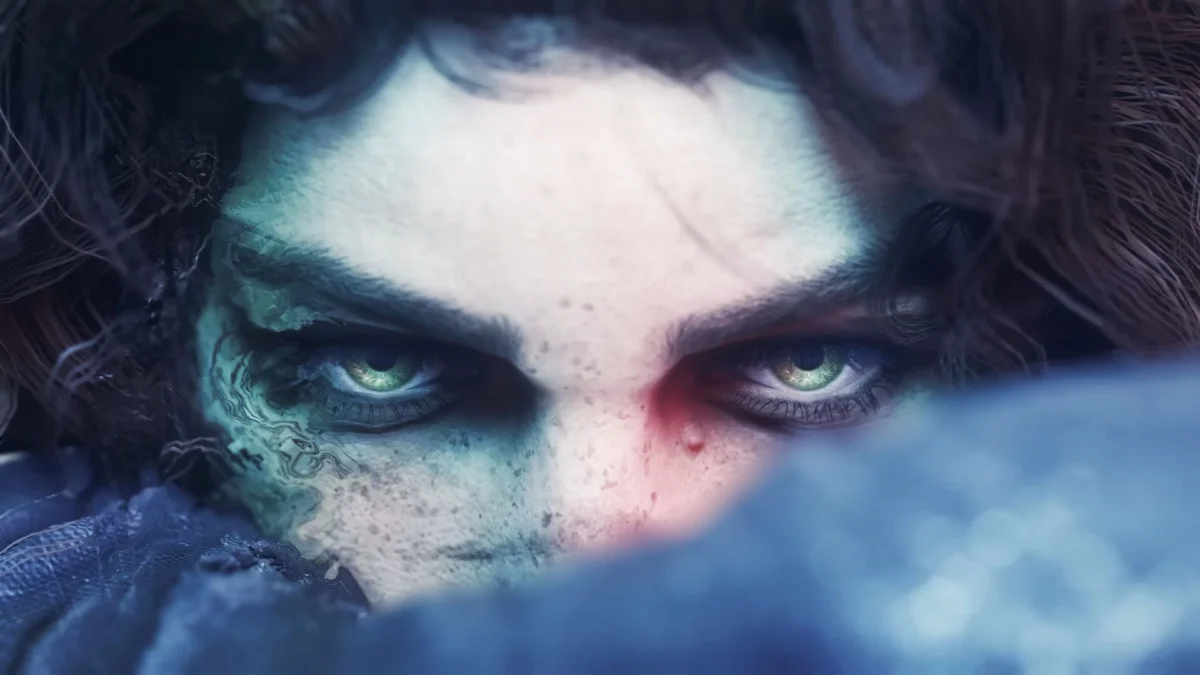
Main Facts: The Incident That Shocked a Stream
In the landscape of modern entertainment, video games have evolved far beyond simple interactive pastimes. They are now deeply immersive narrative mediums capable of provoking genuine, visceral emotional responses from their audiences. However, the boundary between engaging storytelling and emotional exhaustion can sometimes be razor-thin.
This reality was recently demonstrated by Grammy-winning artist and streamer T-Pain. During a broadcast on his popular Nappy Boy Gaming YouTube channel, the musician attempted to dive into Clair Obscur: Expedition 33, the highly anticipated turn-based RPG developed by Sandfall Interactive.
Instead of completing a standard introductory stream, T-Pain’s journey came to a grinding halt roughly 15 minutes in. Following the devastating and emotionally harrowing death of Sophie during the game’s prologue, the rapper sat in stunned silence. Visibly drained, he let out an exasperated sigh, famously muttered a tired "shewwww," and immediately exited the game to his desktop.
When asked offscreen by a producer if the game was sad, T-Pain responded with a weary laugh, "Yeah, it was too sad." Confronted by a viewer in the chat warning him that "it gets worse," the musician made a snap executive decision: "Absolutely not." The clip quickly circulated across social media, sparking widespread debate about narrative weight in video games, the limits of player emotional resilience, and the relentless pursuit of unvarnished tragedy in contemporary game design.

Chronology: From Prologue to Stream Departure
To understand the viral moment, it is necessary to examine the precise sequence of events that led to T-Pain’s abrupt resignation from the
- The Setup: T-Pain launches Clair Obscur: Expedition 33 live on his Nappy Boy Gaming channel, expecting a standard high-fantasy or dark-fantasy role-playing experience akin to many titles in the modern gaming landscape.
- The Prologue Begins: The player is introduced to the game’s striking, surreal art direction and its haunting premise, which centers around a mysterious entity known as the Paintress who paints a death toll on a monolith every year, erasing everyone of that age.
- The Emotional Climax (Sophie’s Fate): Within the opening 15 minutes, the narrative delivers a gut-punch with the tragic, irreversible death of Sophie. The sequence is directed with striking cinematic gravity, forcing the player to step into the shoes of Gustave as he processes the overwhelming loss.
- The Silence and Exit: Control is handed back to the player, but T-Pain is left completely speechless. After a prolonged moment of processing, he makes an audible sound of exhaustion, abandons the playthrough, and force-quits the game back to the Windows desktop.
- The Final Verdict: Prompted by offscreen crew members and live chat warnings that the narrative trajectory only grows more bleak and uncompromising, T-Pain officially shelves the game, declaring that the emotional toll outweighs his desire to see what happens next.
Supporting Data: The Rising Trend of Unflinching Narrative Design
T-Pain’s reaction is not an isolated incident; rather, it reflects a broader shift in how AAA and indie developers approach storytelling. Over the past decade, narrative-driven titles have increasingly leaned away from safe, universally uplifting hero’s journeys in favor of complex, morally gray, and frequently heartbreaking arcs.
The Rise of Emotional Heavyweights
- Critical Acclaim vs. Emotional Toll: Data from major review aggregators indicates that games with bleak or tragic narrative arcs—such as The Last of Us Part II, NieR: Automata, Cyberpunk 2077, and Disco Elysium—frequently secure higher narrative and writing accolades than their more conventionally optimistic counterparts.
- Player Attrition Rates: Industry metrics regarding single-player campaign completions often show a distinct drop-off during or immediately following major narrative catalysts or tragic plot twists. While some players are galvanized by high-stakes drama, a significant portion of the gaming demographic uses interactive entertainment as an escapist mechanism rather than an emotional endurance test.
- The Sandfall Interactive Philosophy: In promotional interviews leading up to Clair Obscur: Expedition 33, creative director and developers at Sandfall Interactive noted that their inspirations stem from titles like Dark Souls and Elden Ring. They deliberately adopted an uncompromising, un-spoon-fed approach to world-building and storytelling, refusing to soften the blow for the audience.
Official Responses and Industry Context
The viral clip elicited waves of commentary from both the gaming community and cultural commentators, framing a broader dialogue about what players expect from their entertainment.
While some internet users poked fun at the rapper for being defeated by a video game’s opening sequence, many more expressed profound solidarity. Commentators pointed out that modern life already provides an abundance of unavoidable stress, anxiety, and tragedy. For many adults, leisure time is carefully guarded, and choosing to spend precious free hours absorbing artificial grief can feel counterproductive.

At the same time, defenders of works like Clair Obscur: Expedition 33 argue that art has a duty to explore the full spectrum of human emotion. Just as cinema features masterclasses in tragedy like Schindler’s List or Requiem for a Dream, and literature boasts timeless, heart-wrenching classics, interactive media matures by tackling difficult subjects without pandering to the audience’s desire for comfort.
Gaming essayists and critics have frequently noted that when a game successfully leaves a player speechless or emotionally compromised, it is operating at the absolute pinnacle of its artistic medium. The fact that T-Pain’s reaction was so visceral speaks directly to the quality of the voice acting, animation, writing, and direction engineered by Sandfall Interactive.
Implications: What This Means for the Future of RPG Storytelling
The incident involving T-Pain and Clair Obscur: Expedition 33 carries several long-term implications for game developers, streamers, and consumers alike:
1. The Challenge of Accessibility in Narratives
While accessibility in gaming is often discussed in terms of motor skills, difficulty settings, and visual impairments, emotional accessibility is an emerging frontier. Should games incorporate content warnings or emotional intensity sliders for players who wish to experience the gameplay without enduring severe psychological distress? Or would such measures compromise the artistic integrity of the creators?

2. Streamer Culture and Interactive Media
For content creators like T-Pain, streaming is both a business and a performance. Games that rely on slow-burn, deeply depressing psychological trauma present unique challenges for live entertainment. Streamers must balance their own genuine emotional boundaries with an audience that often tunes in for high-energy reactions and comedic commentary. When a game completely shuts down a host’s ability to perform, it disrupts the traditional streaming dynamic.
3. The Maturation of the Medium
Ultimately, T-Pain walking away from Clair Obscur: Expedition 33 serves as proof that video games have achieved parity with traditional dramatic arts. When a piece of fiction can bypass our defenses, make us forget we are looking at polygons and rendered textures, and force us to put down the controller out of sheer grief, it has succeeded on a fundamental level. Whether players choose to endure that journey or seek out lighter fare to balance their lives remains a deeply personal choice—one that defines the diverse and evolving relationship between audience and creator.

