

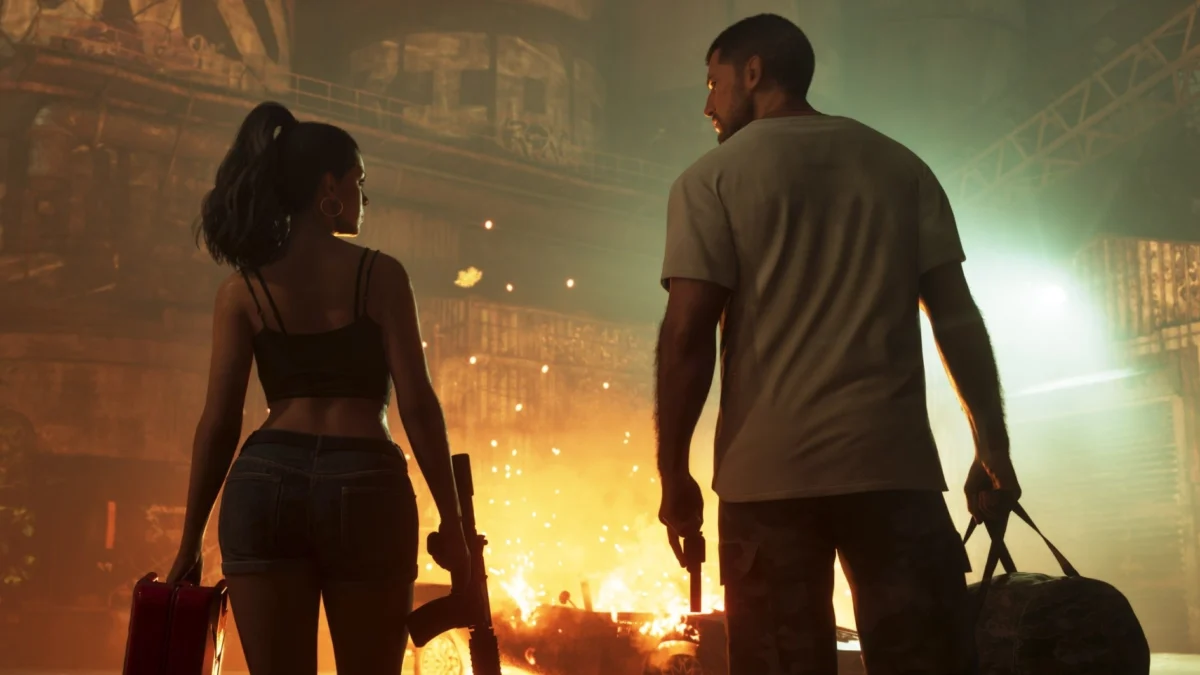
In the world of modern entertainment, few titles carry the cultural gravity of Grand Theft Auto. With the impending release of Grand Theft Auto 6, one might assume that the franchise—a titan of the industry—could simply open its digital storefronts and watch the revenue stream in without a dime spent on promotion. However, Strauss Zelnick, the CEO of Take-Two Interactive, is quick to dispel the notion that even the most legendary intellectual property (IP) can rely on its own momentum.
In an exclusive discussion, Zelnick has offered a rare glimpse into the strategic machinery powering the most anticipated game of the decade. He argues that in the landscape of broad-based entertainment, "you don’t have a choice" but to market aggressively.
The Philosophy of "Active Engagement"
The fundamental distinction Zelnick draws is between passive consumption and active participation. In the realm of film or television, audiences engage in a "lean-back" experience. A viewer sits, watches, and absorbs the narrative without the need for technical proficiency or active input.
Video games, by contrast, require a fundamental shift in commitment. "You don’t have to interact with [a movie]," Zelnick explained. "You don’t have to install it. You don’t have to have any expertise." Grand Theft Auto 6, conversely, demands an investment of time, hardware, and skill. To convert a casual observer into a player, Rockstar Games must do more than simply build "awareness"—they must cultivate "enthusiasm."
This philosophy stems from the realization that awareness is merely the floor, not the ceiling. For a game of GTA 6’s scale, the marketing campaign serves as a necessary bridge between knowing a product exists and feeling the personal compulsion to participate in its world.
Chronology: Building the Hype Machine
Rockstar Games has masterfully navigated the transition from the silent anticipation of a teaser to a full-blown multimedia blitz. The campaign has been a masterclass in modern digital marketing, moving beyond standard trailers to permeate the cultural zeitgeist.
- The Initial Spark: The reveal trailer, which broke records across social platforms, served to establish the visual identity of Leonida and the central dynamic between protagonists Lucia and Jason.
- Multimedia Integration: Unlike previous titles that relied heavily on conventional advertising, GTA 6 has expanded its footprint. This includes the strategic release of a dedicated soundtrack album, designed to immerse fans in the game’s atmosphere long before the software hits consoles.
- Editorial Depth: A high-profile cover story with Dazed signaled a move toward lifestyle and cultural relevance, positioning the game as a piece of art rather than just a software product.
- The Netflix Milestone: Perhaps the most significant pivot occurred with the release of an exclusive 27-minute preview on Netflix. In a span of just four days, the footage racked up 31.1 million views, setting a record for the most-viewed title on the platform for that week.
The "Barbie" Benchmark
Zelnick explicitly draws a parallel between GTA 6 and the 2023 blockbuster Barbie. To the casual observer, Barbie was an IP with 100% brand awareness; nobody in the Western world needed to be told what the brand was. Yet, Warner Bros. orchestrated one of the most pervasive marketing campaigns in cinematic history.
"They marketed the living daylights out of that picture," Zelnick noted. The lesson for Take-Two is clear: even with ubiquitous brand recognition, you must "get the joke" out to the public. You must define the tone, the humor, and the specific proposition of the product before the audience can fully commit. By mirroring the Barbie strategy, Rockstar is not just selling a game; they are selling a cultural event that people feel they must be a part of to stay current.

Official Responses and the "Tutorial" Shift
One of the most intriguing aspects of the current campaign is how it subtly prepares the player for the experience of the game itself. Zelnick praised the creative team at Rockstar for weaving instructional elements into their promotional content.
"What Rockstar did was incredible, but there was an element of tutorial baked in there," Zelnick observed. In previous eras, game marketing was often separate from the game’s mechanics. Here, the promotional material is serving a dual purpose: it is entertaining the audience for 27 minutes while simultaneously demystifying the mechanics of play. This "tutorial-as-content" approach ensures that when players finally boot up the game, the barrier to entry—the friction of learning a new system—is significantly reduced.
The Limits of Paid Influence
Crucially, Zelnick addressed the elephant in the room: the role of influencers and paid critics. In an era where skepticism toward "bought" reviews is at an all-time high, Zelnick remains firm on the limits of marketing.
"You can’t game the system," he stated. "We cannot convince people that something that’s bad is good." He argues that modern creators, who rely on the trust of their audiences, will not risk their reputations by lying about the quality of a game. Therefore, the goal of Take-Two’s marketing is not to manufacture false praise, but to ensure that the game is "out there" and that it is "important." Once the product reaches the consumer, it must stand on its own merits.
Implications for the Industry
The implications of this strategy are profound. We are witnessing the death of the "organic discovery" model for AAA titles. With the sheer volume of content vying for human attention, even a juggernaut like Grand Theft Auto cannot rely on word-of-mouth alone.
- Audience Retention: By moving marketing from "information" to "entertainment," companies can keep audiences engaged for months, if not years, prior to launch.
- Platform Diversification: The use of streaming platforms like Netflix to deliver game marketing suggests a future where gaming and traditional media marketing are indistinguishable.
- The Professionalization of Anticipation: Take-Two is treating the "pre-launch" phase as a distinct product phase, with its own budget, creative direction, and metrics for success.
Conclusion: The Path Ahead
As the release of Grand Theft Auto 6 draws closer, the strategy outlined by Strauss Zelnick confirms that Rockstar Games is not resting on its laurels. By balancing the need for massive, broad-based awareness with a targeted, high-engagement strategy, Take-Two is setting a new standard for how the biggest products in entertainment should be brought to market.
The ultimate test, of course, will be the game itself. But for now, Rockstar and Take-Two have succeeded in the first phase of their mission: they have taken a world that everyone knew existed and turned it into an unmissable, front-of-mind experience. In an industry where attention is the scarcest currency, they have spent wisely—and they aren’t finished yet.

