

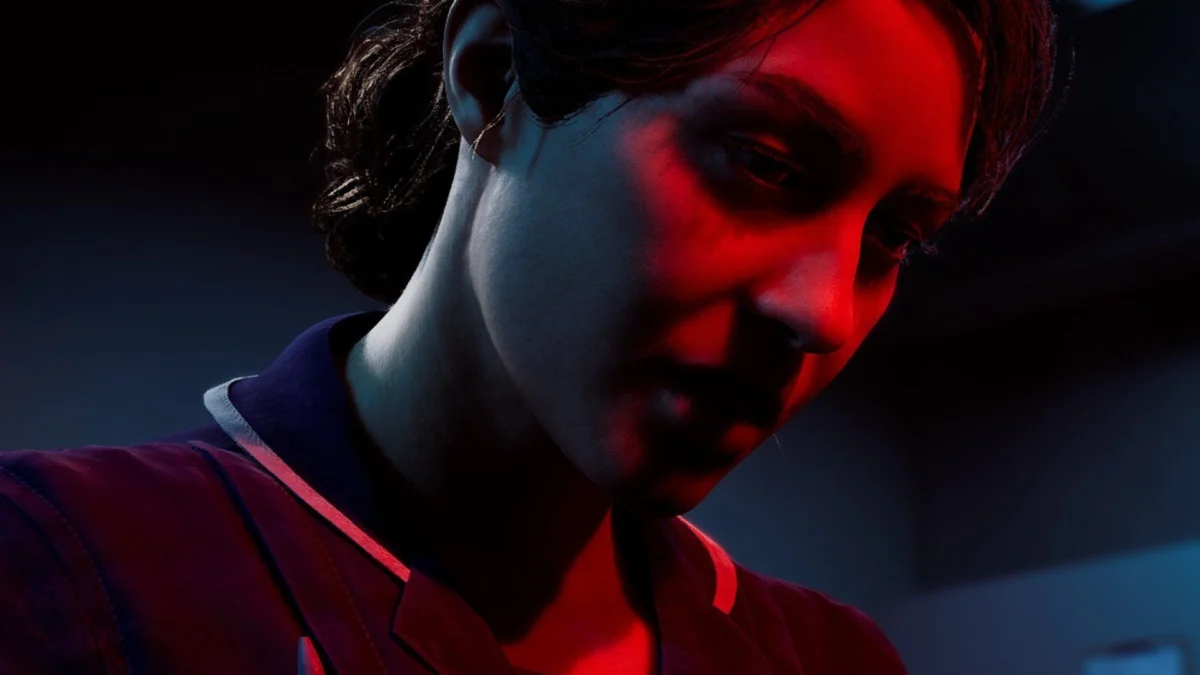
For decades, the Silent Hill franchise has stood as a monolith in the psychological horror genre. From the mist-shrouded streets of the original 1999 title to the visceral, industrial nightmares of Silent Hill 2 and beyond, the series has defined what it means to be truly unsettled. However, as Konami pivots toward a new era of expansion for the IP, a burning question has lingered among the fanbase: How does a massive corporation maintain creative cohesion across multiple independent studios without stifling the singular, suffocating vision that makes Silent Hill what it is?
The answer, it seems, is a paradox. Konami does indeed possess an internal "lore bible"—a definitive document outlining the mechanics, history, and metaphysical rules of the town. Yet, in a surprising turn of events, the publisher has revealed that this document is rarely shared with its developers.
The Myth of the Master Script: Konami’s "Bible" Policy
During a recent appearance at Gamescom, Konami’s series producer, Motoi Okamoto, pulled back the curtain on the company’s internal development philosophy. When asked about how teams maintain consistency across disparate projects like Silent Hill: Townfall and Silent Hill f, Okamoto admitted that while an official lore guide exists, it is intentionally kept out of the hands of developers.
"We do technically have an internal bible for what constitutes Silent Hill, but we try not to distribute that to our development teams too much," Okamoto explained. "I think it’s more important that they organically do their own research and try to figure out what is symbolic to them. Like what Silent Hill means to those teams, and I think it’s better that they, after doing their own research, work from there."
This hands-off approach marks a significant departure from how many major franchises are handled. In an era where "cinematic universes" and strictly mandated canon often lead to creative fatigue, Konami’s decision to prioritize artistic interpretation over rigid documentation appears to be a calculated gamble to keep the series feeling fresh, terrifying, and deeply personal.
A Chronology of Artistic Autonomy
The evolution of Silent Hill development has seen a dramatic shift since the early days of Team Silent, the internal group at Konami that birthed the series.
- The Team Silent Era (1999–2004): The initial quartet of games established the foundational pillars of the franchise. These titles were created under a singular, cohesive vision, but even then, the games were often noted for their distinct, experimental narratives.
- The Western Outsourcing Era (2007–2012): Following the dissolution of the original team, Konami moved to outsource development to Western studios. This period was marked by varying levels of success and criticism, often citing a "lack of soul" or a misunderstanding of what made the original games resonate.
- The Modern Renaissance (2022–Present): With the announcement of the "Silent Hill Transmission" event, Konami signaled a new strategy. By partnering with specialized studios like Bloober Team (Silent Hill 2 Remake), No Code (Townfall), and Neobards Entertainment (Silent Hill f), Konami has moved toward a "curatorial" model. Instead of dictating the story, they are selecting directors whose individual "flavors" align with the psychological depth required by the series.
The Anatomy of the Curse: Why the Approach Works
Why would a company keep its "rulebook" hidden? The answer lies in the very nature of Silent Hill itself. Unlike high-fantasy franchises that rely on established lore, magic systems, or specific timelines, Silent Hill is fundamentally a story about the individual.
The Mirror of the Mind
The core mechanic of the franchise—the "curse"—is not a set of external laws, but an internal projection. The town acts as a manifestation of a character’s psyche, pulling forth repressed trauma, guilt, and buried desires. When a developer is forced to adhere to a rigid "bible," they risk turning the town into a static setting rather than a dynamic character.
By allowing studios like No Code or Neobards to research the series independently, Konami ensures that the "monsters" and "puzzles" are filtered through the unique lens of that specific creative team. When the developers approach the material with their own interpretations of trauma and horror, the resulting product feels more authentic.
Psychological Resonance vs. Canon Continuity
The franchise has always functioned better as an anthology of nightmares rather than a strict, chronological saga. Whether it is the manifestation of Alessa Gillespie’s rage or the manifestations of James Sunderland’s fractured ego, the series is at its best when it explores the depths of the human condition.
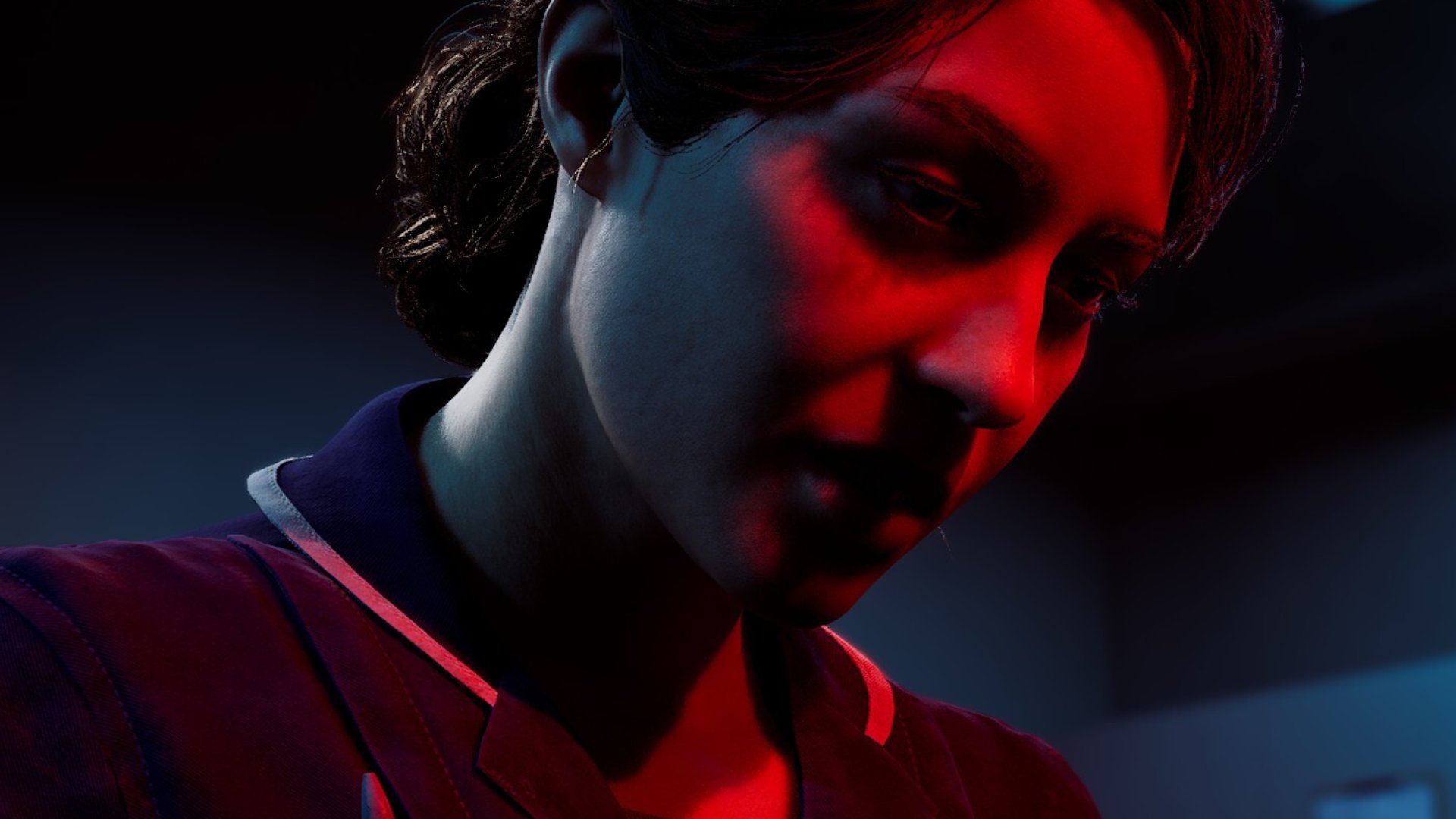
The success of Silent Hill: Townfall is a testament to this. By centering the story on characters who share the same trauma but experience it through different prisms, the team at No Code demonstrated that they understood the "spirit" of the series far better than someone who simply memorized a list of canonical facts from a binder.
Official Perspectives and Industry Implications
The industry response to this strategy has been overwhelmingly positive. Critics and fans alike have noted that the "new age" of Silent Hill feels more varied and inventive than the attempts at direct sequels or "lore-accurate" spinoffs of the mid-2000s.
During discussions held last year, Al Yang, director of NeoBards Entertainment, alongside producer Motoi Okamoto, emphasized that future titles will likely carry their own distinct "flavor." This is a direct acknowledgement that the town of Silent Hill is not a fixed geography, but a fluid state of being.
"The town is shaped, the puzzles and monsters the protagonist encounters, and even how they navigate the story is all contingent on their own psyche," one analyst noted. "The curse holds up a mirror to the protagonist and reflects outward whatever horrid things are hidden deep within them."
By avoiding a "one-size-fits-all" lore, Konami has successfully avoided the trap of making the series feel like a corporate product. Instead, it feels like a collection of dark, artistic statements.
The Future: What Lies in the Mist?
As we look toward the future of the series, the implications of this strategy are profound. If Konami continues to treat its lore bible as a secondary reference rather than a primary directive, it opens the door for a diverse range of horror sub-genres to exist under the Silent Hill umbrella.
We could see:
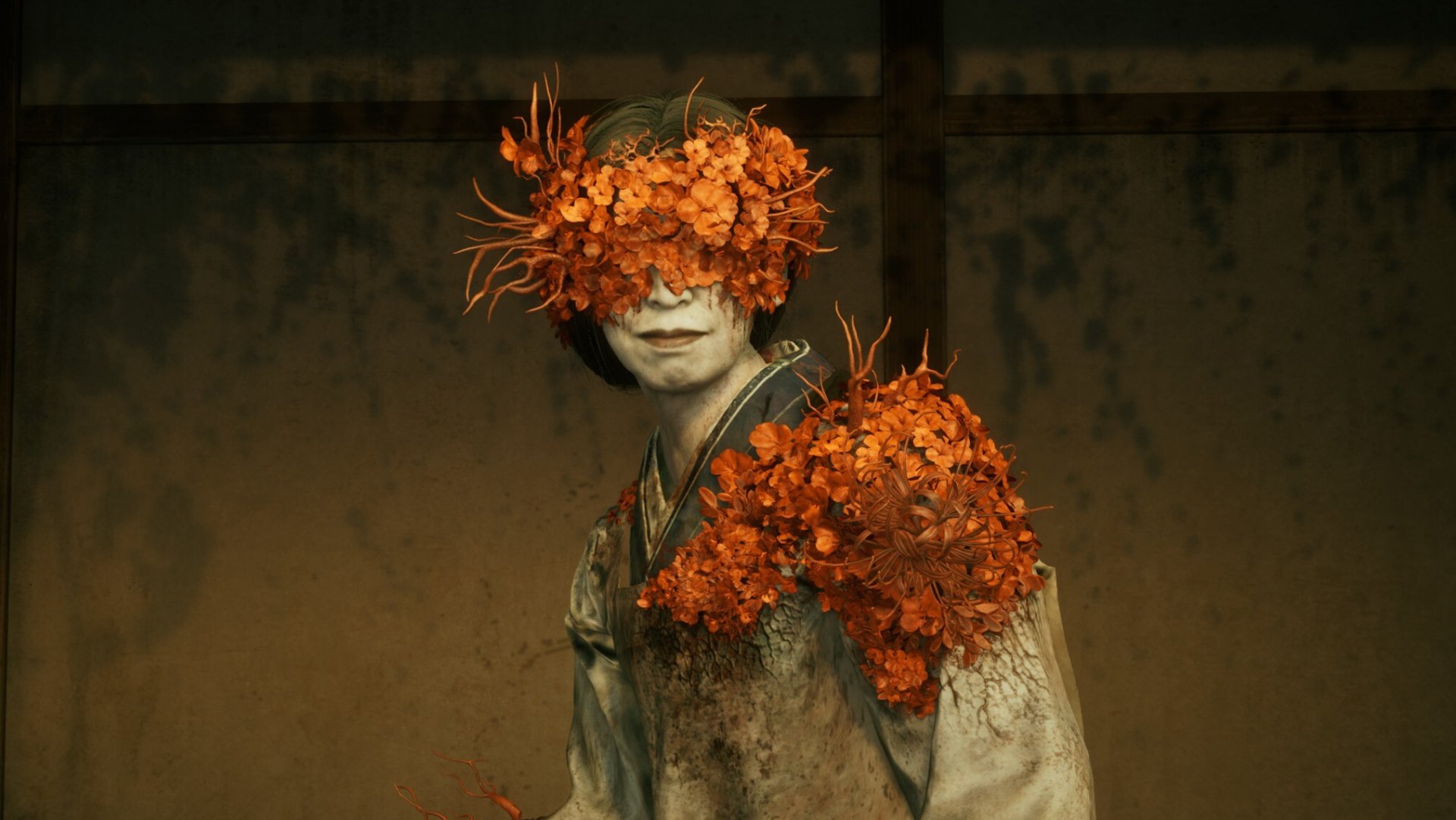
- Folk Horror: As teased in Silent Hill f, moving the series away from American rust-belt aesthetics toward other cultural settings.
- Experimental Narrative: Titles that focus on specific psychological disorders or traumas, treated with the gravity and artistic license of an indie game.
- Mechanical Diversity: Moving beyond the "combat and puzzle" loop to explore survival horror in different, more inventive ways.
Ultimately, the "lore bible" serves only as a safety net—a way to ensure that, no matter how wild or experimental a team gets, they never stray so far that the Silent Hill identity is lost. But by encouraging teams to "do their own research," Konami has empowered developers to stop being fans of the series and start being architects of it.
The fog in Silent Hill has always been used to hide what we are afraid to see. In a brilliant irony, it seems that by hiding the "truth" of the lore from its creators, Konami has finally allowed the series to see clearly. As long as the teams focus on the reflection in the mirror—the raw, human pain of the protagonist—the franchise will continue to haunt us for decades to come.
Whether this decentralized approach will hold up as the series continues to expand remains to be seen. However, for now, the path forward for Silent Hill is not written in a book, but in the nightmares of those brave enough to step into the mist.

