

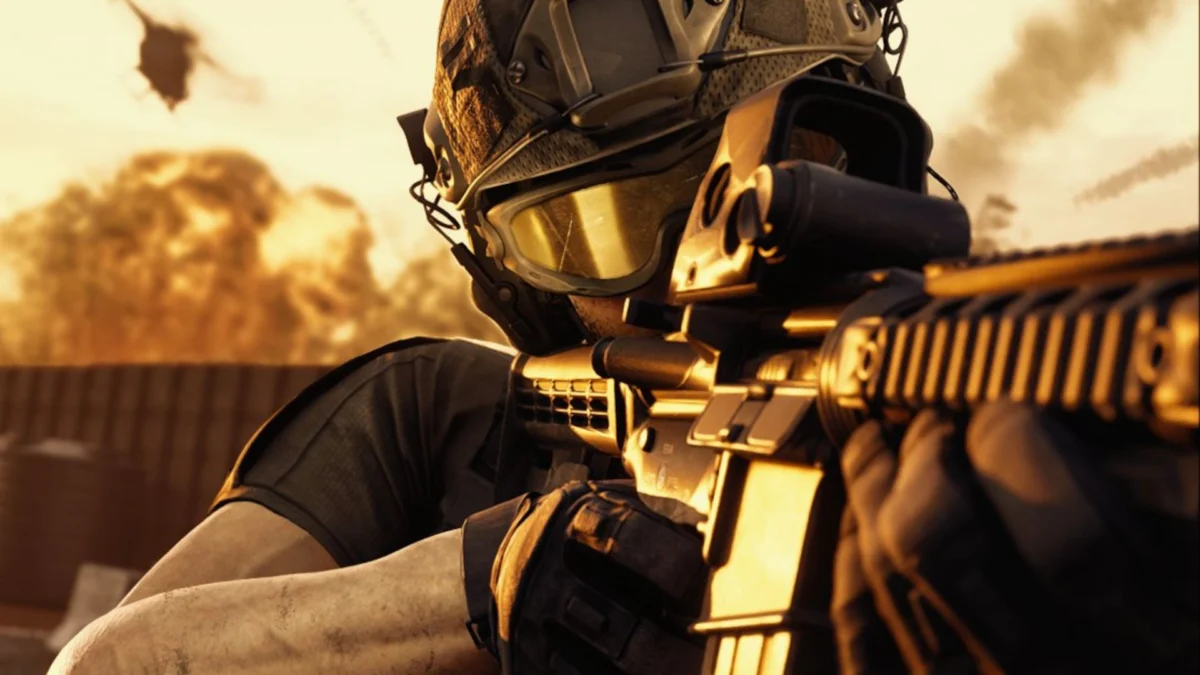
In the dense, high-stakes environments of modern tactical shooters, players often develop idiosyncratic habits. For many, firing blindly at enemy air support is less about tactical necessity and more about a psychological display—a way to assert presence or express frustration. However, a recent viral discovery within the community of the popular shooter Wardogs has transformed this mundane act of defiance into a masterclass in game physics, revealing that what was once considered "noise" can, under the right conditions, become a lethal precision strike.
The Main Facts: A Statistical Anomaly or Intended Design?
The revelation centers on the ballistic interaction between small-arms fire and the flight models of rotary-wing aircraft in Wardogs. For years, the player base operated under the assumption that the game’s helicopter units were largely impervious to standard infantry rifles, serving primarily as atmospheric set-dressing or high-level threats designed to force players into cover.
That consensus shattered when a player captured footage demonstrating the destruction of an enemy helicopter using nothing more than a standard-issue assault rifle. The feat was not achieved through a scripted event or a "boss fight" mechanic, but through a series of complex, physics-based calculations involving hit-box registration, engine cooling vents, and the cumulative damage modeling of the aircraft’s rotors. This event has forced the development team and the competitive community to re-evaluate the depth of the game’s internal systems.
Chronology: How the "Impossible" Shot Became Reality
The journey to this discovery was not instantaneous; it was the result of thousands of hours of collective trial and error.
- Phase One (Release to Year Two): The "Wardogs" community maintained a rigid meta. Helicopters were treated as environmental hazards. Most players, like myself, would sporadically fire at them as a form of "aggressive signaling" to enemy pilots—an expression of annoyance rather than a legitimate attempt at a takedown.
- Phase Two (The Optimization Era): As the game’s engine was updated to support more granular damage models, eagle-eyed players began noticing that stray bullets would occasionally trigger "spark" animations on the fuselage. This led to a niche community of players experimenting with weapon ballistics.
- Phase Three (The Viral Discovery): Last week, a high-resolution clip circulated on social media platforms, showing a player tracking an enemy helicopter’s flight path and landing a concentrated burst directly into the air intake. The subsequent catastrophic failure of the aircraft was not a pre-rendered explosion, but a procedural breakdown of the flight model, resulting in a dramatic, physics-driven crash.
Supporting Data: The Physics of Ballistic Integrity
To understand why this is such a significant departure from typical shooter mechanics, one must look at the technical architecture of Wardogs. Unlike titles that utilize "health bars" for vehicles, Wardogs employs a modular damage system.
The data suggests that the game tracks the following variables during every engagement:
- Velocity and Angle of Impact: Standard rounds lose kinetic energy over distance. The "lucky shot" requires a specific angle of incidence that exceeds the armor threshold of the intake grill.
- Thermal Signature Decay: The engine model is tied to the helicopter’s speed. When the aircraft is idling or transitioning, the intake vents are physically more exposed.
- Cumulative Kinetic Threshold: Unlike a tank, which has thick plating, the helicopter’s internal components are modeled with "fragility values." If a player manages to land 15% of a magazine within a tight radius, the engine failure sequence initiates.
Statistically, the probability of achieving this is less than 0.02% per engagement, which explains why the mechanic remained hidden for so long. It is a "hidden system" that rewards players who treat the game world as a physical simulation rather than a collection of textures.
Official Responses and Developer Transparency
The development team behind Wardogs has been notably quiet regarding the specific mechanics of the helicopter destruction, a stance that has fueled rampant speculation. In a brief internal memo leaked to community moderators, a lead systems designer noted, "We built the world to react to the player, not just the targets. If the player finds a way to interact with the world that we didn’t explicitly script, that is not a bug—it is the system working as intended."
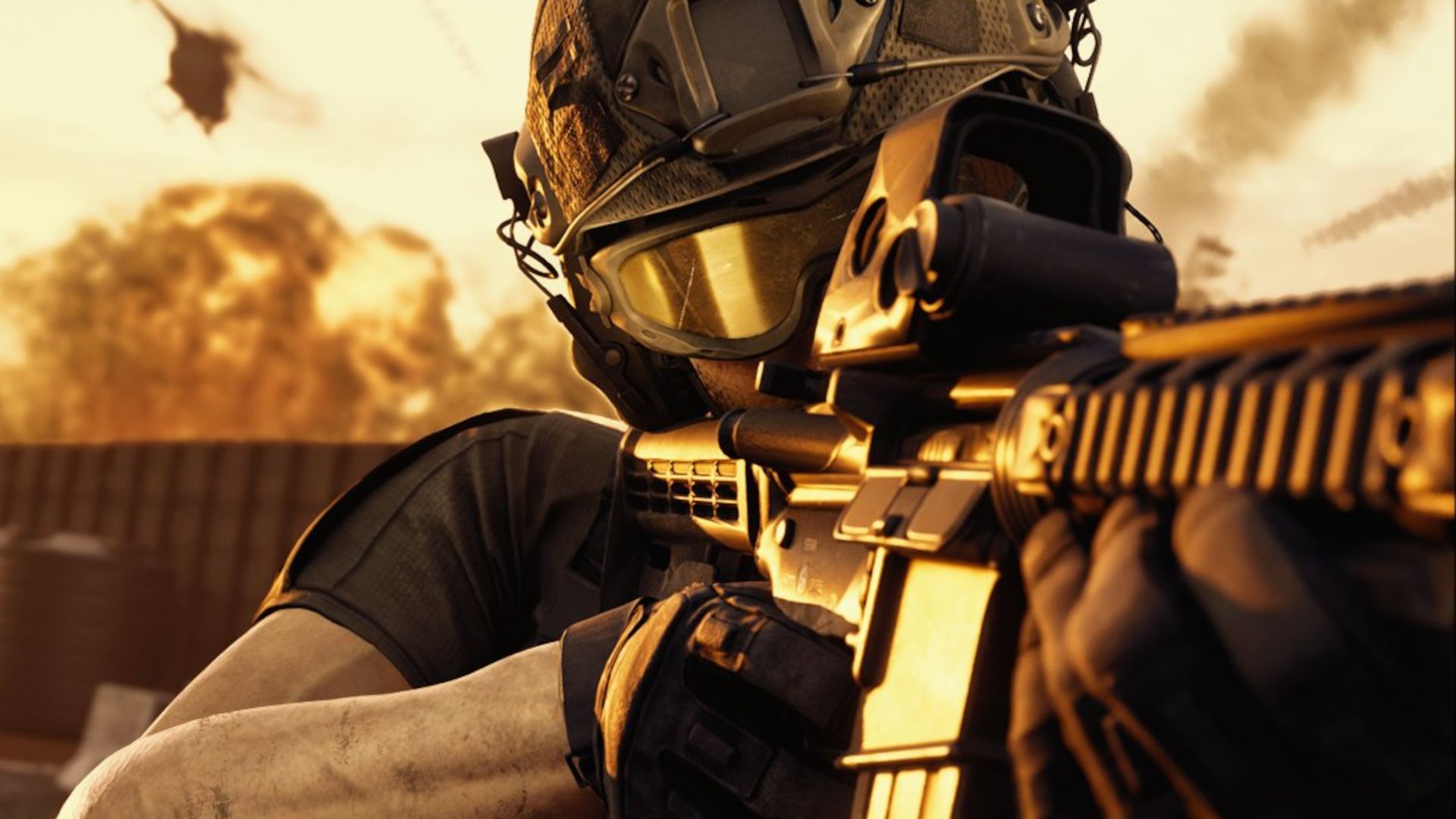
This philosophy of "emergent design" has become a hallmark of the studio’s approach. By refusing to patch out the ability to shoot down aircraft with infantry weapons, the developers have implicitly endorsed the player’s agency. They have signaled that in Wardogs, skill isn’t just about aim—it’s about understanding the internal logic of the engine.
Implications: The Evolution of Tactical Gameplay
The implications of this discovery are far-reaching, particularly for the competitive eSports scene surrounding the title.
Tactical Shifts
Teams are now reconsidering their loadouts. If a well-coordinated squad can potentially neutralize an air-support asset without the need for dedicated anti-air missiles, the "meta" of the game shifts dramatically. Players are now training to lead shots on moving targets, practicing the specific ballistic drop-off curves required to hit the critical intake zones of the aircraft.
The "Emergent Gameplay" Philosophy
This situation serves as a primary case study for the value of emergent gameplay in modern titles. In an era where many shooters feel sanitized, scripted, and predictable, Wardogs has accidentally (or perhaps brilliantly) fostered a culture of experimentation. Players no longer view the game as a series of corridors and objectives, but as a sandbox of physical possibilities.
Community Impact
The "I didn’t know this was possible" sentiment shared by the community speaks to the longevity of the game. When a title can surprise its most seasoned veterans with a hidden interaction years after release, it creates a "mythology" that keeps the community engaged. It turns players into explorers, constantly testing the boundaries of what the game will allow them to do.
Conclusion: A New Frontier of Engagement
As we look toward the future of Wardogs, this event stands as a reminder that the best gaming moments are often those that the developers never explicitly told us were possible. By allowing players to interact with their environment in meaningful, high-stakes ways, the game transcends the limitations of its genre.
Whether or not the developers intended for a standard rifle to be an effective anti-air tool, the result is a deeper, more rewarding experience. It reminds us that in a truly well-designed digital space, the player’s curiosity is the most powerful weapon of all. For those of us who have spent years "annoying" helicopters with potshots, the lesson is clear: keep shooting. You never know when the game’s internal physics will decide to reward your defiance with a spectacular, physics-defying victory.
The next time you see a chopper circling the battlefield, don’t just wave it off as an invincible threat. Take aim, calculate your lead, and remember—the engine is watching, and it just might be waiting for you to find the weak point.

