

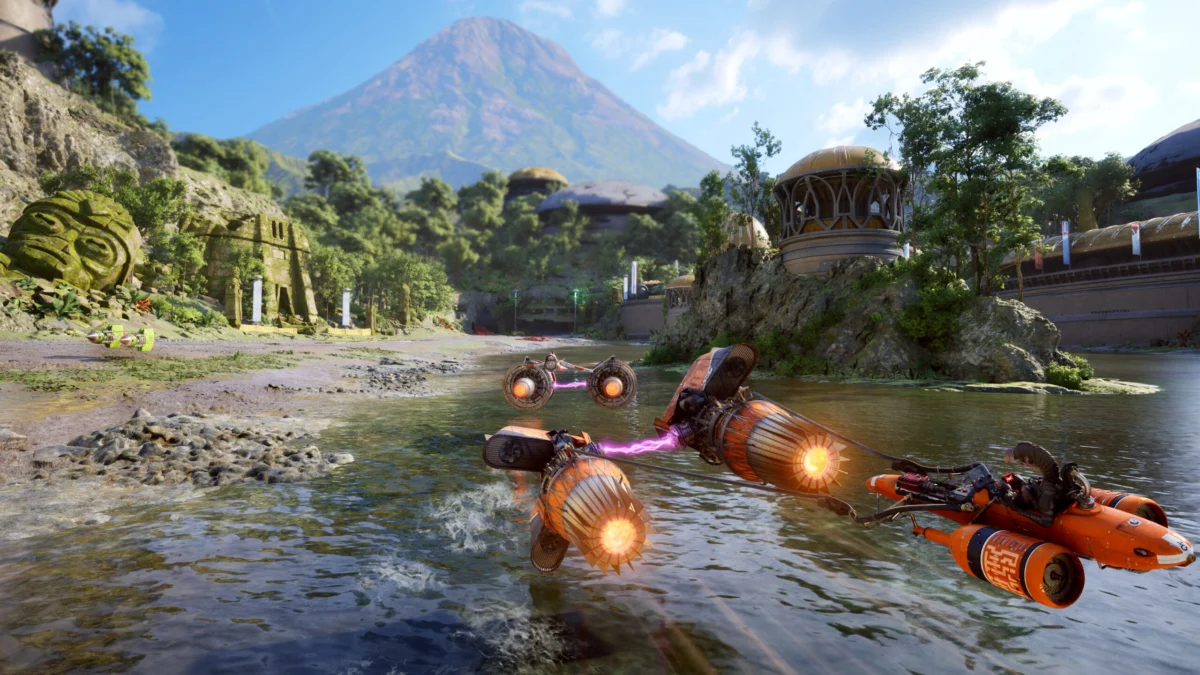
For decades, the mention of "Star Wars racing" has been inextricably linked to the 1999 cult classic Star Wars Episode I: Racer. While that title remains a beloved relic of the N64 and Dreamcast era, developers at Fuse Games are looking to shift the cultural conversation. Their upcoming title, Galactic Racer, is not interested in being a nostalgia-fueled sequel. Instead, it aims to be a comprehensive, high-stakes evolution of the genre that trades linear nostalgia for the unpredictable, run-based mechanics of a modern roguelike.
Don’t call it a "Podracer" game—at least, not in front of the development team. They will politely, yet firmly, clarify that while the game features the iconic, high-octane spectacle of podracing, it is a much broader experience. It is a game about the sheer breadth of the Star Wars universe’s racing culture, spanning everything from gritty underworld speeder-bike circuits to the legendary, death-defying podracing tracks of the Outer Rim.
The Evolution of the Genre: Main Facts
At its core, Galactic Racer represents a departure from the arcade-style, pick-up-and-play racing games of the late 90s. While those titles were often "zen" experiences—designed to let players zone out while flying through neon-drenched tracks—Galactic Racer is designed with a specific philosophy: consequence.
In an interview during Summer Game Fest, Fuse Games creative director Kieran Crimmins explained the studio’s desire to inject real weight into the racing experience. "We have been making racing games for a long time," Crimmins noted. "One of the things we always wanted to bring to racing games in general is a bit more consequence. Your decisions matter, your build matters, the way you play matters, the style you choose matters."
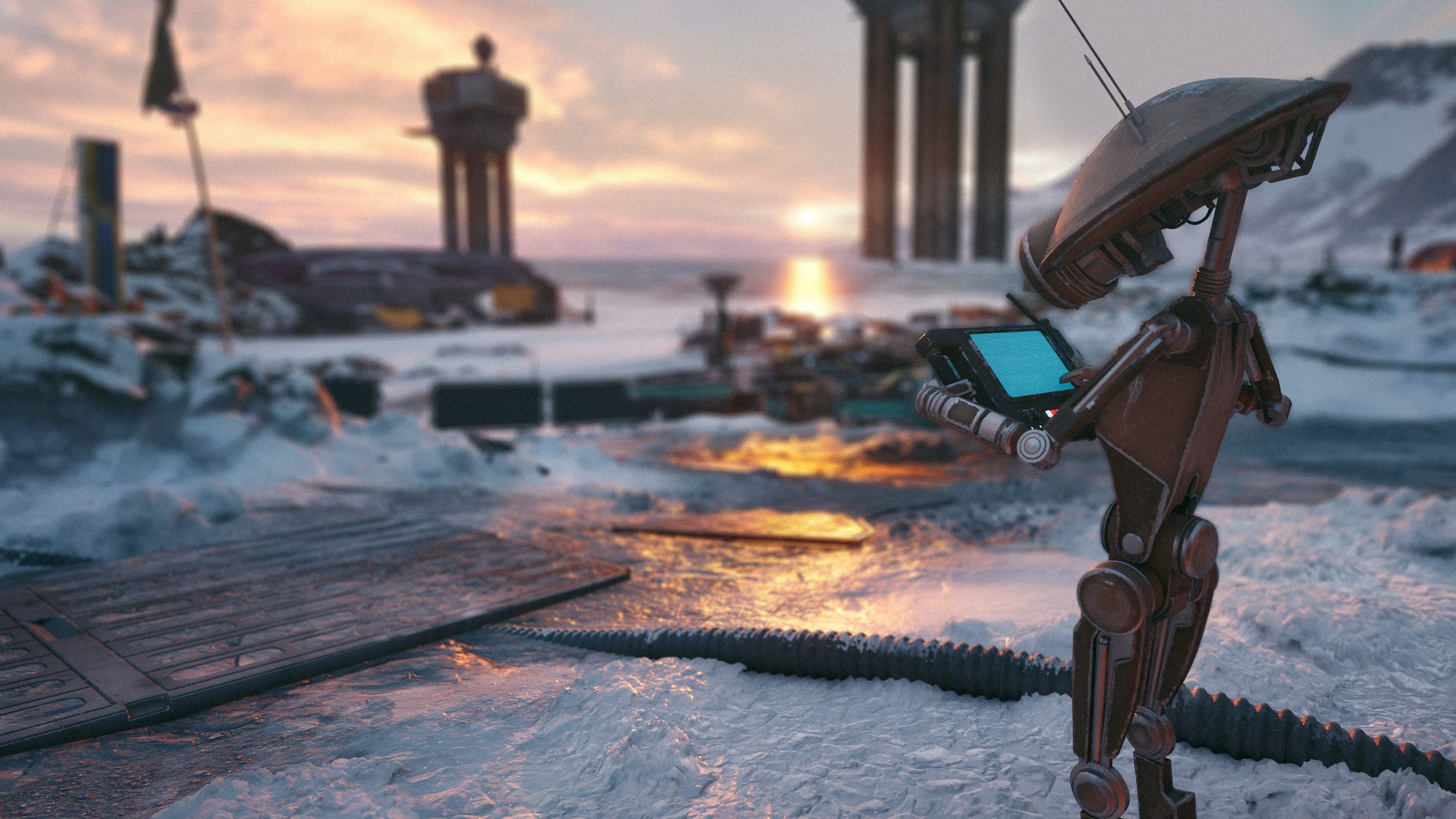
The game operates on a structure that feels surprisingly inspired by titles like Slay the Spire. Instead of a linear campaign, players navigate a branching map screen. Each node represents a different race, weather condition, or vehicle type. This structure forces players to manage resources, choose their battles, and consider the long-term viability of their vehicle configuration before they ever hit the starting line.
A Chronology of the Underworld
The game’s progression system mimics the "zero-to-hero" narrative arc common in space-western storytelling. You begin your journey at the very bottom of the galactic food chain.
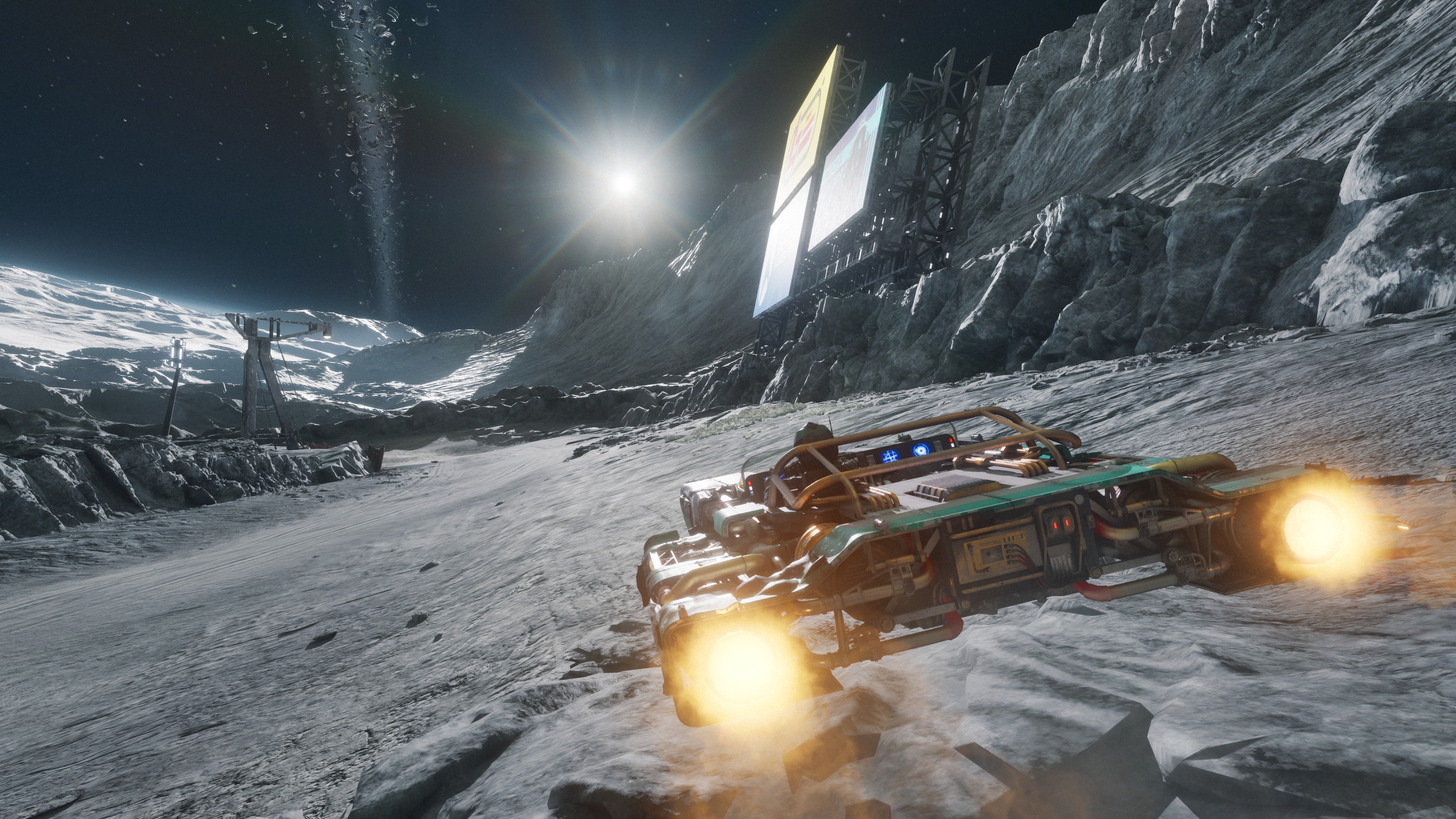
- The Scrapyard Beginnings: Players start in the subterranean leagues, piloting modest speeder bikes and landspeeders. These early races serve as a tutorial, teaching the player the nuanced handling differences between various repulsor-lift vehicles.
- The Outpost Hubs: Between tournaments, players retreat to small, atmospheric outposts—a narrative nod to games like Hades. These hubs provide a space for quiet interaction with NPCs, allowing the player to flesh out their character’s reputation and gather information on upcoming, more lucrative circuits.
- Ascension to the Majors: As players earn credits and reputation, they unlock access to the "Big Leagues." This is where the iconic podracers become available. Transitioning to these machines requires a significant adjustment in playstyle, as they are far more volatile and difficult to control than the standard speeders.
- The End-Game Gauntlet: The ultimate goal is to navigate a full league without crashing out. Failing a race has tangible consequences, often forcing the player to reset their progress in that specific league, thereby reinforcing the "roguelike" loop of the experience.
Supporting Data: Mechanics and "The Consequence"
The gameplay loop is built on a foundation of "combinatorics"—the idea that no two runs should feel identical. By allowing players to customize their vehicles not just cosmetically, but through a deep, modular upgrade system, Fuse Games has created a sandbox for experimentation.
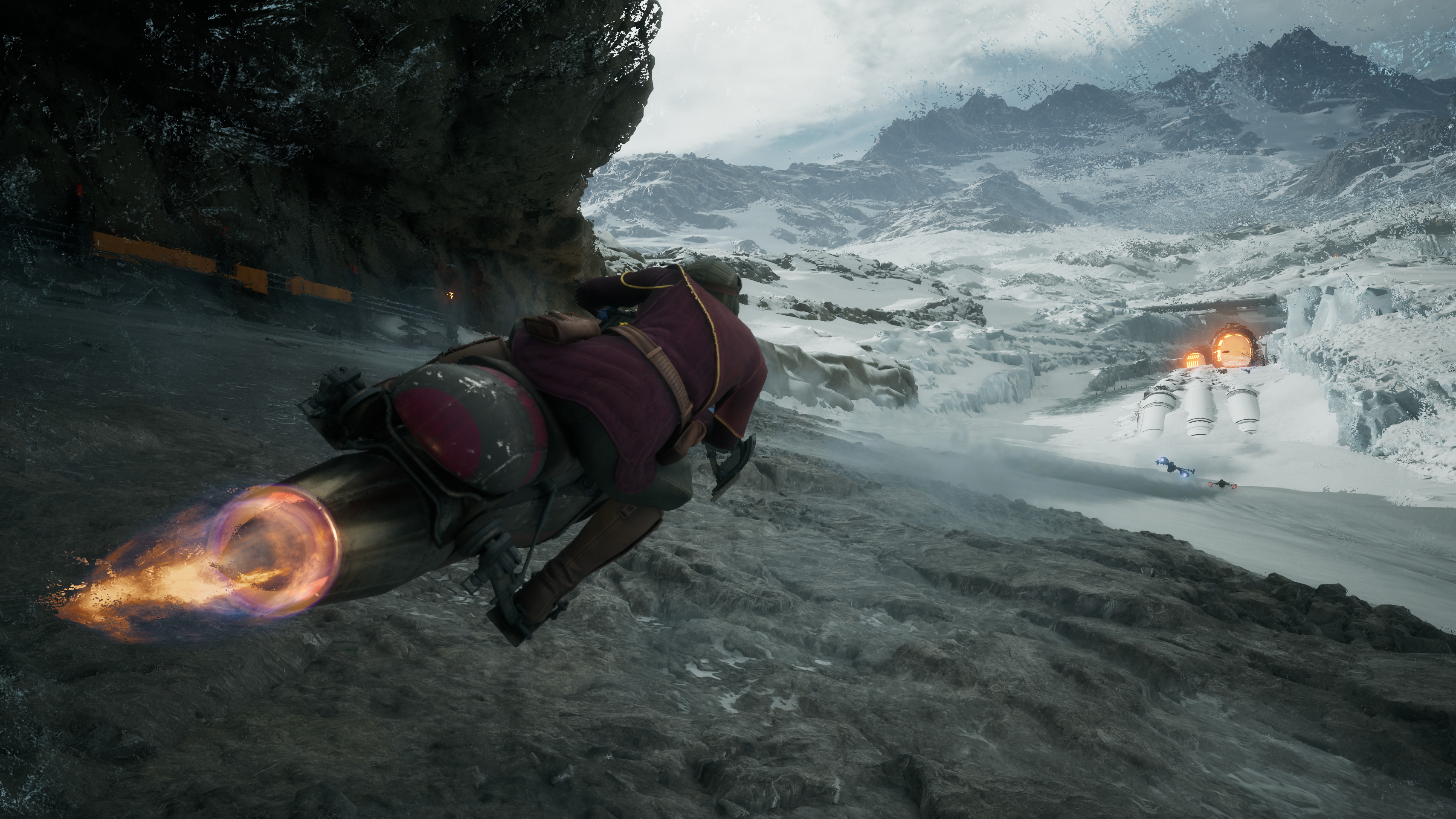
During hands-on sessions at the demo, the "consequence" of the game’s difficulty became immediately apparent. Playing on "Ace" difficulty, a single collision can result in a catastrophic failure, forcing the player to restart the league. This pressure turns the racing itself into a high-stakes puzzle.
For instance, a player might choose to equip a shield module on their landspeeder. This provides a safety net, allowing them to absorb the impact of a stray debris field or a aggressive opponent. However, choosing the shield might mean sacrificing the "Ramjet" ability—a high-risk, high-reward turbo boost that allows for faster times but leaves the pilot vulnerable to one-hit-kill crashes. This synergy between build strategy and driver skill is what sets Galactic Racer apart from the standard racing fare.
Official Perspectives: The Developer’s Vision
The philosophy behind the game is rooted in player agency. Kieran Crimmins emphasized that while raw reflexes are important, the game is heavily weighted toward strategic planning.
"Your pure skill matters as well," Crimmins said, "but on the other side, it means that you allow the combinatorics to make racing experiences and racing builds that you don’t see in other games. An unbelievable amount of options to customize each one of those vehicles, and not just visually, but in the way the build works, the synergies of things that go on there."
When asked about the potential frustration of having to repeat tracks after a failure, Crimmins defended the design choice as a tool for mastery. "From a progression point of view, it’s probably more about track knowledge than it is upgrades. If you know the tracks, it’s not too difficult to get through the planets, and that is the motivation of it: you want to get to the next planet, see what it’s about, further the story each time."
Implications for the Racing Genre
The implications for Galactic Racer are significant. In a market currently dominated by the polished, open-world freedom of Forza Horizon and the simulation-heavy focus of titles like Clutch, Galactic Racer offers something entirely different: a genre-bending fusion.
By adopting the structure of a roguelike, the developers are essentially solving the "repetition problem" that plagues many racing games. Instead of mindlessly grinding through the same track for gold medals, the player is forced to treat each race as a distinct decision-making event.
However, there is a clear hurdle the game must clear. The demo revealed that failing a league can feel punishing, especially for players who are looking for a more relaxed, casual experience. While the developers have included multiple difficulty settings to mitigate this, the game’s reliance on "track knowledge" suggests that the barrier to entry might be steeper than some Star Wars fans are prepared for.
Looking Ahead
Despite the potential learning curve, Galactic Racer stands out as one of the most ambitious titles in the current racing landscape. It manages to balance the high-speed thrills of the Star Wars galaxy with a depth of strategy that is largely absent from the genre.
For those who simply want to relive the nostalgia of the Boonta Eve Classic, the game may seem like a departure from their expectations. But for those looking for a fresh, challenging, and deeply customizable experience that treats its setting with as much mechanical respect as it does aesthetic flair, Galactic Racer appears poised to set a new standard.
Whether or not it succeeds in delivering on its promise of "consequence" remains to be seen upon its full release. But as it stands, it is currently the only game on the horizon offering this many ideas, this many vehicles, and this much speed in a single, cohesive package. It is, quite literally, moving at 300 miles per hour toward a new horizon for the franchise.

