

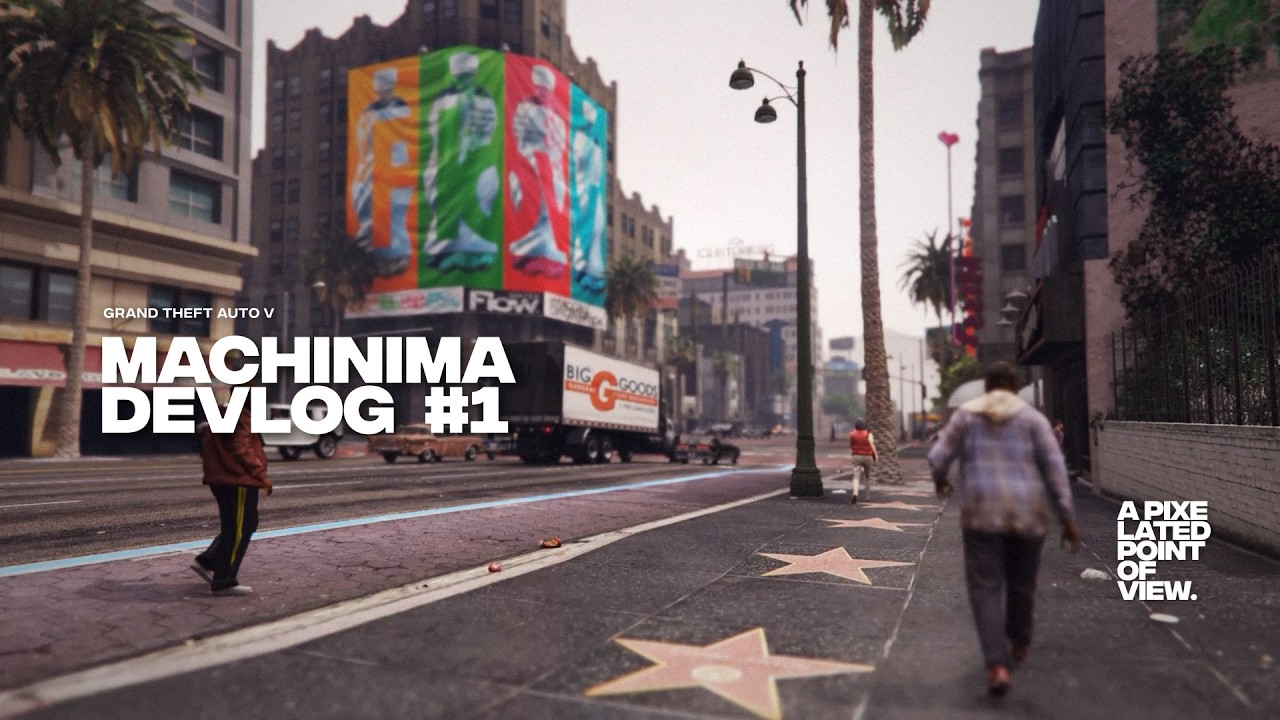
For over a decade, the Grand Theft Auto (GTA) series has served as more than just a playground for digital mayhem; it has become one of the most prolific film studios in the virtual world. Known as "machinima"—the art of using real-time, 3D engines to create cinematic productions—the medium has evolved from simple, shaky-cam clips to high-production short films that rival traditional indie cinema. However, the polished, final products often obscure the grueling technical labor required to bend a game engine to a director’s will.
Filmmaker Jordy Veenstra is now pulling back the curtain on this often-hidden labor. By broadcasting his recent "Machinima Dev Streams" on YouTube and Twitch, Veenstra has provided an unprecedented look at the messy, high-stakes, and deeply technical reality of virtual filmmaking within Grand Theft Auto V. Rather than presenting a curated highlight reel, Veenstra invited audiences to witness the raw, unedited struggle of creation.
The Anatomy of a Digital Set: Main Facts
The core of Veenstra’s project is a fundamental shift in how the community perceives game-based filmmaking. While audiences are accustomed to seeing the "director’s cut," they rarely witness the "director’s panic."
Veenstra’s streams focus on the granular elements of the production pipeline: location scouting, scene staging, camera pathing, and complex technical troubleshooting. He utilizes a suite of powerful community-created tools, most notably Menyoo and ScriptHookVDotNet, which allow creators to manipulate the game’s internal assets, weather, NPC behavior, and physics in real time.
The result is a transparent look at the creative process, where environments are evaluated not just for their aesthetic appeal, but for their symbolic resonance, lighting potential, narrative flow, and composition. The streams serve as a digital masterclass, highlighting that for a machinima artist, the game engine is not merely a background—it is a living, breathing, and often uncooperative cast member.
A Chronology of the "Dev Stream" Concept
The inception of these streams was born from a sense of professional isolation. After years of working in solitary silence, Veenstra began to question the disconnect between the solitary creator and the final, public-facing product.
- The Initial Vision: Veenstra sought to document the "lines of thought" that occur when a filmmaker hits a wall. He questioned whether the broader creative community would find value in seeing the "hardships, euphoria, bugs, and workarounds" that define a day’s work in the Rockstar Advanced Game Engine (RAGE).
- The Execution: The broadcasts were designed to be unfiltered. Veenstra streamed the process of building scenes from the ground up, navigating the game’s native limitations and the eccentricities of third-party modifications.
- The Technical Challenges: The chronology of his streams is marked by the inevitable failures of live production. At several points during the broadcasts, the game engine buckled under the weight of the active modifications, resulting in hard freezes and sudden crashes. Rather than editing these moments out, Veenstra embraced them, using the downtime to engage in live debugging and explaining the necessity of iterative problem-solving.
Supporting Data: The Tools of the Trade
Creating film within a sandbox environment requires a specific technical vocabulary. Veenstra’s work highlights the essential tools that allow for professional-grade cinematography in an environment designed for fast-paced action:
- Menyoo PC: A robust trainer that acts as the primary interface for the filmmaker. It allows for the spawning of actors, control over time-of-day, and the manipulation of props, which are vital for scene staging.
- ScriptHookVDotNet: The connective tissue that allows custom code to interact with the game. This is where the "programming" side of machinima occurs, enabling complex animations or behaviors that the base game does not support.
- Real-Time Debugging: The data shows that the majority of a machinima artist’s time is not spent "filming," but rather fixing the game’s reactions to the filmmaker’s intrusion. When a scene fails to trigger or a character clips through a wall, the artist must pivot instantly, demonstrating a unique form of digital improvisation.
Official Responses and Philosophical Insights
In discussing the nature of his work, Veenstra emphasizes the "participative nature" of the medium. "Instead of sharing and reflecting upon the final cinematic product, the streams showcased the creative process in real time," he explains.
He notes that the value of these streams lies in the pedagogical shift they represent. By showing the "wide-angle perspective" of the process, he challenges the notion that machinima is simply "playing a game." Instead, he frames it as a legitimate form of digital theater, where the filmmaker must be a director, cinematographer, programmer, and debugger all at once.
"Sometimes things don’t work the way we want to and we must work around them," Veenstra says, framing these technical failures as inherent to the art form. "In true machinima-type fashion, the game even crashed a few times live on stream… all with live debugging."
The Broader Implications for Virtual Filmmaking
The success of these streams suggests a growing appetite for "process-oriented" content in the gaming community. As virtual worlds become more complex, the lines between traditional film production and virtual production continue to blur.
Expanding the Horizon
Veenstra is already planning future iterations of these dev streams. He intends to broaden the scope to include:
- Advanced Framing and Depth-of-Field: Deep dives into how to mimic physical camera lenses within a digital space to evoke specific emotional responses.
- VRChat and DMX Protocols: A look at how virtual creators are now using professional lighting protocols (DMX), typically reserved for physical stages and concerts, to build real-time, interactive light shows inside virtual social platforms.
The Future of the Medium
The implication here is profound: we are witnessing the birth of a new, hybrid form of cinema. As game engines like RAGE, Unreal Engine, and Unity become more accessible, the barrier to entry for aspiring filmmakers has lowered, but the barrier to mastery has remained high.
Veenstra’s work underscores that the future of machinima is not just about having the best graphics or the most expensive mods; it is about the ability to adapt to a volatile, digital environment. By sharing his "creative process, lines of thought, and euphoria," Veenstra is not just teaching others how to make films in GTA V—he is creating a blueprint for the next generation of digital storytellers who will eventually build their own worlds from scratch.
Ultimately, the "Machinima Dev Streams" serve as a necessary reminder that every masterpiece of virtual cinema is built upon a foundation of trial, error, and the persistent desire to tell a story, even when the world itself is trying to crash. For the viewers who tuned in, the experience was a rare, humanizing look at the technology that defines our modern era of entertainment.

