

By Tech & Gaming Desk
Published: October 2026
Main Facts: The Counterfeit Blu-ray Threat
The development team behind RPCS3, the world’s leading PlayStation 3 emulator for personal computers, has issued an urgent public safety advisory across its social media channels. Gamers, collectors, and hardware enthusiasts are being warned of a rapidly growing influx of counterfeit and spoofed Blu-ray disc drives circulating on popular e-commerce platforms, notably Newegg and AliExpress.
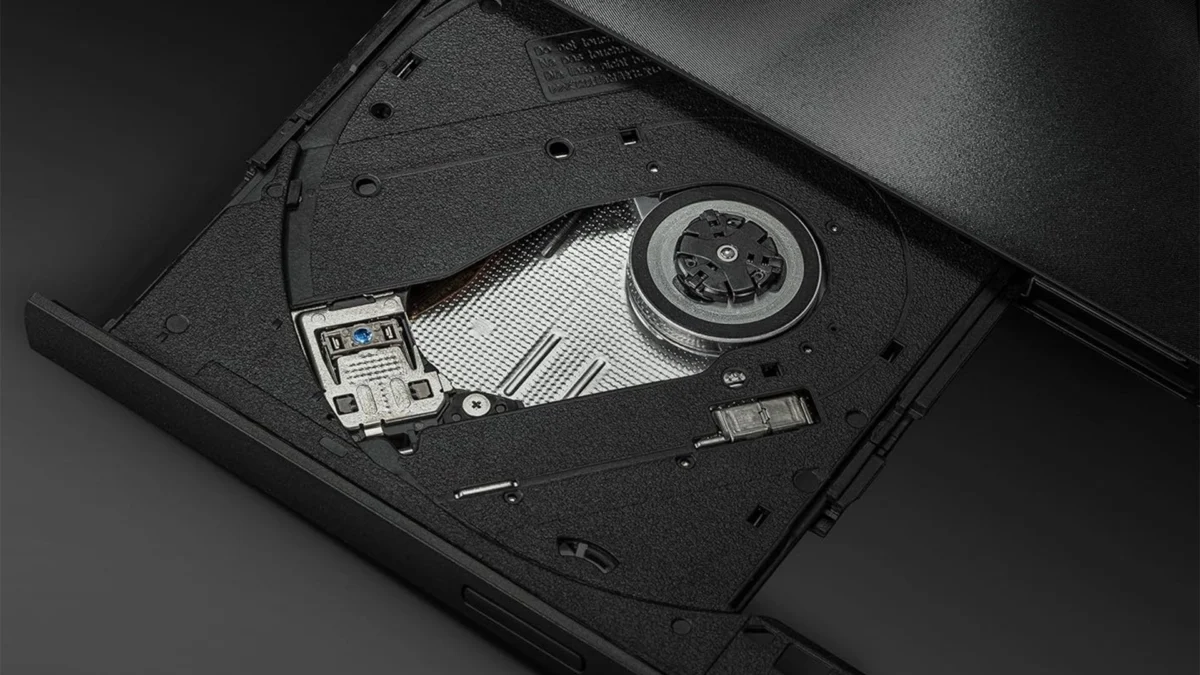
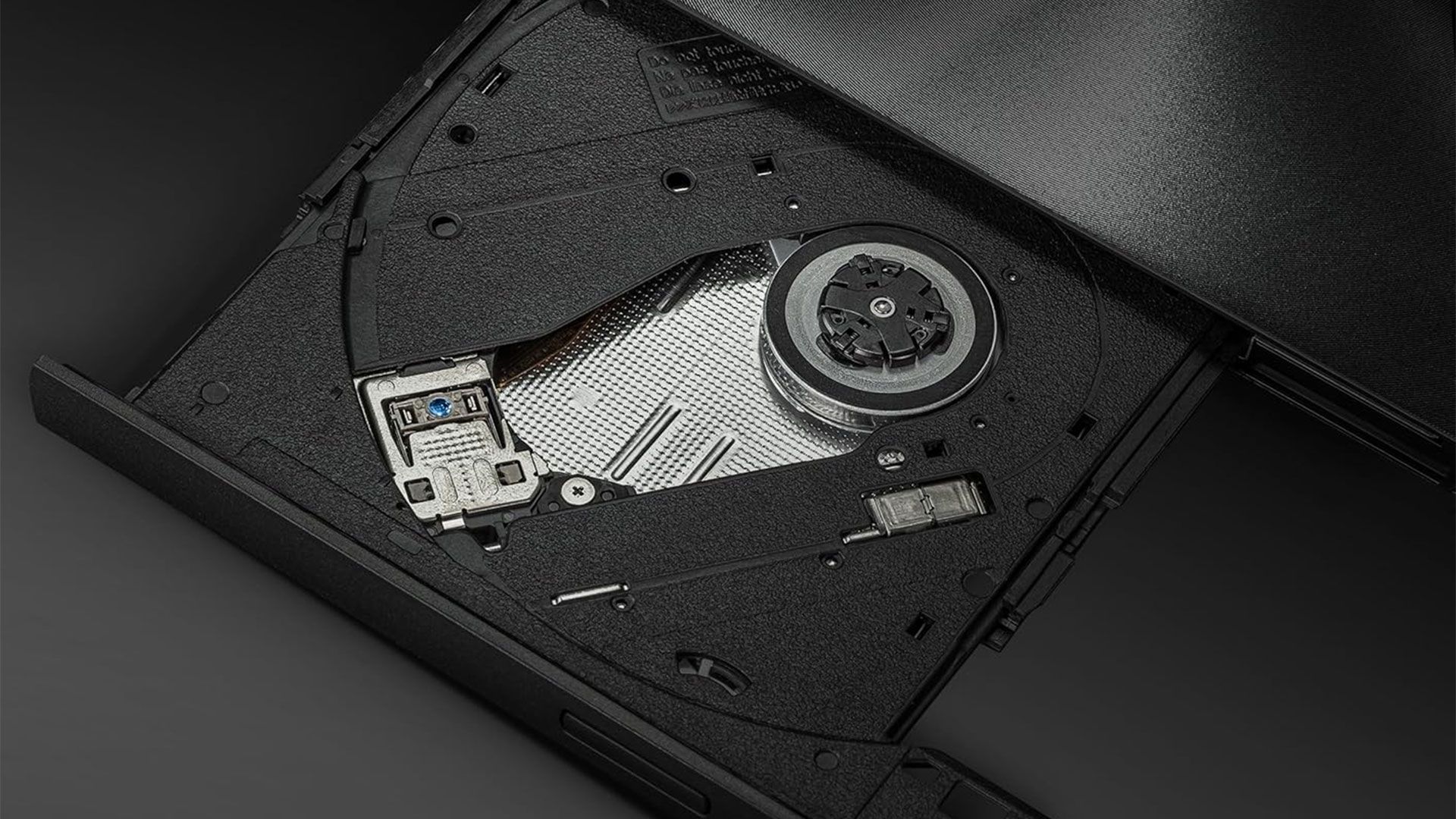
According to the developers, unscrupulous third-party sellers are taking outdated, lower-end optical disc mechanisms—hardware entirely incapable of reading dual-layer Blu-ray media or specialized PlayStation 3 game discs—and housing them inside premium, high-end outer enclosures. To complete the deception, these counterfeiters utilize spoofed firmware. When plugged into a Windows, Linux, or macOS machine, the operating system and device manager are tricked into identifying the cheap internal hardware as an expensive, fully-compatible modern Blu-ray drive.
This targeted scam has emerged as a direct consequence of a recent, landmark milestone for the RPCS3 emulation project. Not long ago, developers unlocked the capability for the emulator to run physical PlayStation 3 games on a PC directly from an internal or external disc drive. This development effectively bridged a two-decade gap, allowing players to utilize their original physical libraries on modern operating systems. However, this breakthrough inadvertently created a lucrative trap for scammers looking to exploit retro-gaming enthusiasts eager to experience authentic physical media on their PCs.
Chronology: How the Scam Unfolded and Came to Light
To understand how this sophisticated hardware fraud reached the mass market, it is necessary to trace the timeline of events that connected modern emulation milestones with opportunistic retail exploitation.
Phase 1: The Emulation Breakthrough
For years, running RPCS3 required users to "rip" their physical PlayStation 3 discs into digital ISO or folder formats using specific, highly compatible Blu-ray drives (often legacy internal LG or Pioneer models). However, software updates transformed the user experience by enabling direct-from-disc playback. This technical feat eliminated the tedious, time-consuming ripping process, letting users simply slide an original PlayStation 3 disc into a compatible PC drive and boot it instantly.
Phase 2: Spike in Hardware Demand
Following the announcement, demand for compatible, high-end PC Blu-ray drives skyrocketed. Because Sony utilized a proprietary data format known as BD-ROM (Blu-ray Disc Read-Only Memory) paired with complex sector layouts for the PS3, only specific optical drives possessed the hardware architecture and firmware capabilities required to read the discs correctly. As reputable stock dwindled globally, consumers turned to open marketplace platforms like AliExpress and third-party storefronts hosted on Newegg to find hardware.
Phase 3: The Counterfeit Influx
Sensing an economic opportunity, rogue third-party vendors began harvesting obsolete, cheap DVD or standard CD-ROM/early-generation optical mechanisms from discarded or surplus electronics. These parts were scrubbed, fitted into convincing third-party metal and plastic chassis resembling modern high-end Blu-ray burners, and flashed with custom, spoofed firmware.
Phase 4: The Public Warning
As users began purchasing these drives to test the new RPCS3 direct-disc feature, many reported that their systems failed to recognize PlayStation 3 media entirely, or crashed when attempting to spin the discs. Troubleshooting revealed that the hardware inside the sleek, expensive packaging was nothing more than a legacy optical drive incapable of reading high-density blue-violet laser media. On September 30, 2026, the RPCS3 team officially broke their silence, publishing a stark warning across social media and directing users to guides detailing how to spot the counterfeit hardware.
Supporting Data: Understanding the Technology and the Trap
The mechanics behind optical storage are precise, making these counterfeit units easy to understand technically, even if they are difficult to spot visually prior to purchase.
Why Standard Drives Fail
Standard CD and DVD drives operate using a red laser diode with a wavelength of approximately 650 nanometers. In contrast, standard Blu-ray technology relies on a much narrower blue-violet laser diode operating at roughly 405 nanometers. This shorter wavelength allows for a drastically smaller laser spot size, enabling data to be packed much more tightly onto the disc surface.
PlayStation 3 games were printed on single-layer (25GB) or dual-layer (50GB) BD-ROM discs. An older or counterfeit drive utilizing repurposed, cheap internal components lacks the optical pickup unit, laser diode strength, and tracking mechanisms required for 405nm blue-violet lasers. Consequently, when a PS3 disc is inserted into one of these fraudulent drives, the laser simply cannot resolve the data tracks, resulting in read errors or total disc rejection.
Market Vulnerability: Newegg and AliExpress
While platforms like AliExpress have long battled issues regarding unverified third-party sellers and counterfeit electronics, the inclusion of storefronts on more mainstream platforms like Newegg highlights a systemic vulnerability in modern e-commerce. Third-party marketplace models allow independent vendors to list items with minimal upfront verification. Scammers routinely leverage professional-looking product descriptions, stolen promotional images, and fabricated customer reviews to project legitimacy.
- Pricing Red Flags: Authentic, high-end internal or external Blu-ray writers from reputable brands (such as LG, ASUS, or Pioneer) typically command a steady market price ranging from $80 to over $150. Counterfeit listings often undercut these prices slightly—enough to look like a good deal, but not cheap enough to immediately arouse suspicion.
- Firmware Spoofing: By altering the device’s EEPROM (Electrically Erasable Programmable Read-Only Memory), fraudsters ensure that when the drive connects via USB or SATA, it broadcasts the vendor string and model number of a high-end Sony, LG, or Panasonic Blu-ray burner. Operating systems accept this digital handshake at face value, leaving users unaware of the fraud until physical media is tested.
Official Responses and Industry Reactions
The discovery of spoofed optical drives has sent ripples through the retro-gaming and PC hardware communities, prompting statements from developers, consumer advocates, and hardware reviewers alike.
The RPCS3 Development Team
In their official advisory, the RPCS3 core developers emphasized that the project has no affiliation with hardware manufacturers and cannot offer financial recourse for scammed consumers. Their warning was purely preventative:
"⚠️ BEWARE OF FAKE BLU-RAY DRIVES! ⚠️ There has been a recent influx of fake Blu-ray drives. These fakes use older drives that cannot read PS3 discs, with enclosures and packaging for higher-end models, plus spoofed firmware."
The team has since updated their documentation and community forums, providing users with a checklist of identification criteria, including physical weight discrepancies, unusual internal component layouts, and diagnostic software tools capable of querying a drive’s true optical capabilities beyond its reported firmware string.
E-Commerce Platforms Under Scrutiny
Consumer rights advocates have sharply criticized open marketplace structures for failing to police third-party vendors effectively. While both Newegg and AliExpress feature standard dispute resolution and refund mechanisms, navigating these systems can be time-consuming and frustrating for buyers.
Representatives for major e-commerce platforms have historically stated that they remove fraudulent listings immediately upon receiving verified abuse reports. However, security researchers point out a "whack-a-mole" dynamic: as soon as one fraudulent storefront is banned, the operators simply spin up a new account under a different shell company to continue selling the spoofed inventory.
Implications: What This Means for Retrogamers and the Emulation Scene
The rise of counterfeit Blu-ray drives carries significant long-term implications for the preservation of physical media, the growth of PC emulation, and consumer trust in online retail.
1. A Chill on Physical Media Preservation
Emulation has long been championed as a vital tool for digital preservation, ensuring that software stranded on obsolete hardware remains playable for future generations. The recent ability of RPCS3 to run games directly from physical discs was celebrated as a major win for purists who prefer collecting physical media over downloading digital ROMs. This scam threatens to dampen enthusiasm for physical collection, discouraging newcomers from investing in original game discs if the barrier to entry—securing a verified, working drive—is fraught with financial risk.
2. Heightened Consumer Caution
Moving forward, enthusiasts looking to dive into PC-based optical media playback must exercise extreme caution. Community guidelines now strongly advise buyers to:
- Purchase exclusively from authorized tier-one retailers (e.g., direct from major computer hardware distributors) rather than unverified third-party marketplace sellers.
- Look for robust buyer protection policies that guarantee hassle-free returns if a product fails technical verification.
- Utilize low-level optical drive diagnostic utilities (such as Opti Drive Control or specialized Linux kernel tools) immediately upon receiving a new drive to verify its supported disc formats and laser specifications.
3. The Broader Threat of Component Counterfeiting
Beyond gaming, this incident serves as a stark reminder of the vulnerability of global supply chains. As certain hardware categories become niche or specialized—such as optical disc drives in an era dominated by cloud storage and digital downloads—the economic incentive for counterfeiters to exploit supply shortages grows. When manufacturing legitimate high-end components becomes less profitable than faking them using electronic waste, consumers bear the ultimate burden.
For now, the message from the RPCS3 team remains clear: verify your sources, inspect your hardware, and exercise skepticism when dealing with too-good-to-be-true hardware deals on open online marketplaces.

