

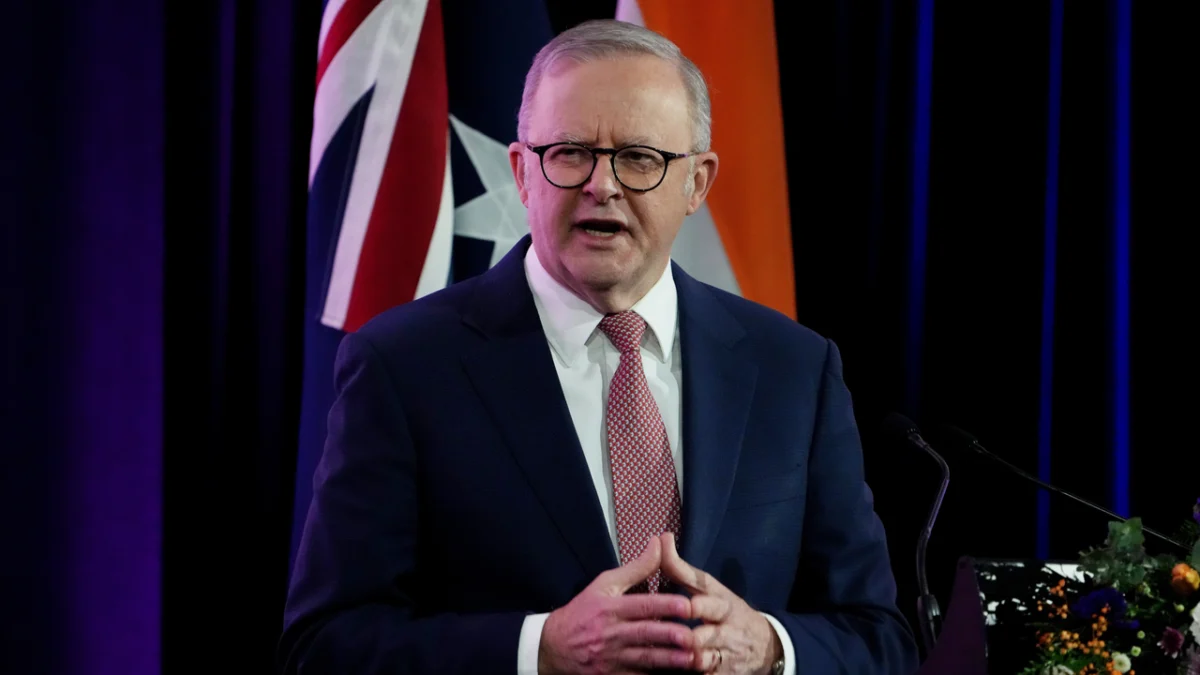
CANBERRA, Australia – In a landmark move poised to reshape the global landscape of artificial intelligence development, Australian Prime Minister Anthony Albanese has announced the impending establishment of the "Australian Standards for A.I." This ambitious national framework aims to set a new global benchmark, mandating strict environmental and ethical guidelines for AI companies seeking to operate within the country’s borders. The initiative comes at a pivotal moment, as mounting environmental and social backlashes in traditional tech hubs like the United States and Europe are driving AI hyperscalers to seek new, more accommodating territories, with Australia emerging as a prime candidate.
As detailed by the New York Times, the vast lands and abundant renewable energy sources of the Land Down Under have become increasingly attractive to these data-intensive firms. However, Canberra is determined to pre-empt potential pitfalls, ensuring that the influx of AI infrastructure does not burden the public or deplete precious natural resources.
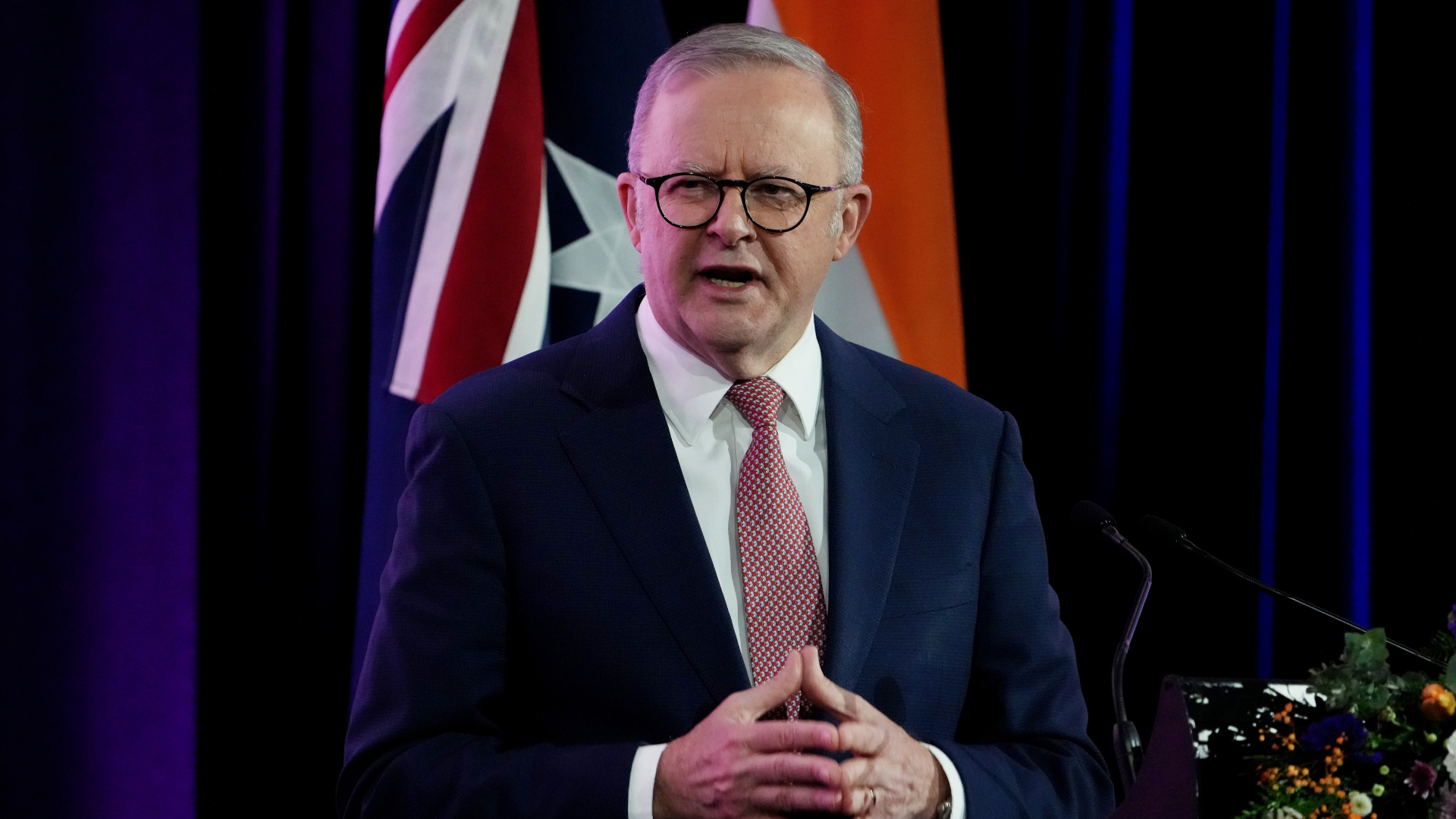
"Every country on Earth is grappling with these challenges right now. Australia will be the first country in the world to bring these issues into a single, national framework," Prime Minister Albanese declared in a recent address, underscoring Australia’s intent to lead in responsible AI governance. This proactive stance signals a clear message: innovation must proceed hand-in-hand with accountability and sustainability.
A Proactive Stance in the Age of AI
The Australian government’s initiative is not merely a reaction but a strategic foresight. Recognizing the transformative power of AI, alongside its significant resource demands and ethical complexities, Australia is positioning itself as a leader in creating a regulatory environment that fosters technological advancement while protecting its citizens and environment. The proposed standards are comprehensive, addressing critical concerns ranging from energy consumption and water usage by data centers to the fundamental intellectual property rights of Australian creators. This holistic approach aims to establish a sustainable model for AI development, offering a template for other nations grappling with similar challenges.
The Shifting Sands of Global AI Infrastructure
The impetus behind Australia’s urgent action is rooted in a discernible global trend: the increasing difficulty for AI hyperscalers to build and expand their infrastructure in established technology markets.
Mounting Pressure in Traditional Hubs
For years, regions in the United States and Europe have been preferred locations for massive data centers that power the world’s digital economy and, more recently, the burgeoning field of artificial intelligence. However, this preference has come at a significant cost. Communities in these areas have increasingly pushed back against the environmental impact of these facilities. Concerns include:
- Massive Energy Consumption: AI training models and their underlying data centers are notoriously energy-intensive. Reports from outlets like Tom’s Hardware highlight how AI data centers are triggering "massive, irreversible" electricity price spikes in major U.S. regions, leading federal watchdogs to demand that tech giants shoulder the cost of their own power infrastructure. This surge in demand strains existing grids, often leading to reliance on fossil fuels and contributing to higher utility bills for average citizens.
- Water Depletion: The advanced cooling systems required to prevent servers from overheating consume enormous quantities of water. In regions already facing water scarcity, this demand exacerbates droughts and places immense pressure on local water supplies, leading to environmental degradation and community conflict.
- Land Use and Noise Pollution: The sheer scale of hyperscale data centers requires vast tracts of land, often encroaching on agricultural areas or natural habitats. Additionally, the constant hum of cooling fans and backup generators can be a significant source of noise pollution for nearby residents.
- Social License to Operate: The cumulative effect of these environmental and social impacts has eroded the "social license to operate" for many tech companies in these regions, making new permits and expansions increasingly challenging.
Australia’s Emerging Appeal: Land, Renewables, and Strategic Advantage
Against this backdrop, Australia presents a compelling alternative. Its immense landmass offers ample space for large-scale data center development, mitigating immediate concerns about urban encroachment. Crucially, Australia boasts significant potential for renewable energy generation, particularly solar and wind power, which aligns with global sustainability goals and offers a cleaner energy profile for power-hungry AI operations. This combination of space and renewable potential positions Australia as a highly attractive destination for AI firms seeking to decarbonize their operations and avoid the regulatory headaches faced elsewhere. However, Canberra is not content to merely be a passive recipient of this investment; it aims to dictate the terms, ensuring that growth is responsible and mutually beneficial.
Pillars of the "Australian Standards for A.I."
The proposed Australian Standards for A.I. are designed to address the multifaceted challenges posed by the rapid expansion of AI technology and its infrastructure. They represent a comprehensive effort to embed sustainability, fairness, and accountability into the very foundation of AI operations within the country.
Mandating Energy Neutrality for Data Centers
A cornerstone of the new framework is a legal obligation for data centers to produce the same amount of power that they consume. This ambitious requirement is intended to mitigate the strain on the national power grid and prevent the significant electricity price hikes observed in other nations. The practical implications of this mandate are profound:
- On-Site Renewable Generation: Data centers may be compelled to invest in and integrate on-site renewable energy sources, such as large-scale solar farms or wind turbines, directly connected to their facilities.
- Power Purchase Agreements (PPAs): Companies could fulfill their obligation by entering into long-term PPAs with off-site renewable energy projects, effectively funding new green energy capacity equivalent to their consumption.
- Grid-Scale Battery Storage: Investment in large-scale battery storage solutions could allow data centers to store renewable energy and release it back to the grid during peak demand, further stabilizing the power supply.
- Energy Efficiency Innovations: Beyond generation, the mandate will undoubtedly drive innovation in energy-efficient hardware and cooling technologies, pushing companies to reduce their overall energy footprint.
This policy aims to transform data centers from energy drains into catalysts for renewable energy investment, ensuring that their presence contributes to, rather than detracts from, Australia’s energy security and climate goals.
Championing Water Efficiency in a Dry Continent
Given that Australia is the driest populated continent on Earth, as highlighted by the International Groundwater Resources Assessment Center (IGRAC), water efficiency is another critical component of the proposed standards. Data centers’ prodigious water consumption for cooling purposes is a major environmental concern. The Australian government’s focus on water efficiency will likely necessitate:
- Advanced Cooling Technologies: Encouraging the adoption of technologies like adiabatic cooling, indirect evaporative cooling, or even direct-to-chip liquid cooling, which significantly reduce or eliminate reliance on large volumes of fresh water.
- Use of Recycled and Non-Potable Water: Mandating the use of recycled or treated wastewater for cooling, where feasible, rather than drawing from potable water supplies.
- Air-Cooled Data Centers: Promoting designs that prioritize air cooling, especially in regions with suitable climates, thereby minimizing water usage altogether.
- Wastewater Treatment and Reuse: Implementing stringent requirements for treating and reusing any water discharged from data centers.
These measures are crucial for protecting Australia’s precious water resources, ensuring that the growth of the tech sector does not compromise water security for communities, agriculture, or ecosystems.
Safeguarding Intellectual Property in the Digital Age
Beyond environmental concerns, the Australian Standards for A.I. will also tackle the thorny issue of intellectual property (IP) rights. Prime Minister Albanese emphatically stated that Australian creators – including writers, musicians, artists, and news reporters – must "retain control of the price and value of their work" when it is used for AI training. His declaration, "Anything less is theft. No country has got this right yet," underscores the government’s firm stance on this emerging ethical and legal battleground. This aspect of the framework will likely explore:
- Mandatory Licensing and Compensation Frameworks: Establishing clear legal pathways and compensation models for AI companies to license copyrighted material for training purposes, ensuring creators are fairly remunerated.
- Transparency Requirements: Demanding that AI developers disclose the sources of their training data, allowing creators to identify when their work has been used.
- Opt-Out Mechanisms: Providing creators with the ability to explicitly opt their work out of being used for AI training without their consent.
- Attribution Requirements: Exploring mechanisms for AI-generated content to attribute the original works from which it learned, where appropriate.
This focus on IP rights aims to prevent the exploitation of creative works by AI models, ensuring that the economic benefits of AI are shared equitably and that human creativity continues to be valued and protected in the digital era.
A Broader Vision for Responsible AI Governance
While the initial announcements emphasize data center sustainability and IP rights, a "single, national framework" for AI implies a broader vision for responsible AI governance. While not explicitly detailed in the original news, such a framework would logically encompass other critical areas that global AI discussions currently address:
- Bias and Fairness: Mechanisms to identify and mitigate algorithmic bias in AI systems, ensuring equitable outcomes across different demographic groups.
- Accountability and Transparency: Requirements for AI systems to be explainable, allowing users and regulators to understand how decisions are made, and clear lines of accountability for AI failures or harms.
- Safety and Robustness: Standards to ensure AI systems are reliable, secure, and do not pose undue risks to public safety or national security.
- Data Privacy: Reinforcing existing data privacy laws and potentially introducing new provisions specific to AI’s collection and processing of personal data.
By addressing these foundational elements, Australia seeks to cultivate an AI ecosystem that is not only innovative and economically vibrant but also ethically sound and socially responsible.
Global Context and Comparative Approaches
Australia’s push for comprehensive AI standards occurs within a dynamic global regulatory environment, where nations and blocs are scrambling to define their approach to this rapidly evolving technology.
The European Union’s Comprehensive AI Act
The European Union has been a frontrunner in AI regulation, moving towards the world’s first comprehensive legal framework for AI: the EU AI Act. This act adopts a risk-based approach, categorizing AI systems based on their potential to cause harm, with stricter regulations for "high-risk" applications (e.g., in critical infrastructure, law enforcement, education, employment). It emphasizes transparency, human oversight, robustness, and data governance, drawing parallels with the EU’s pioneering General Data Protection Regulation (GDPR). While the EU AI Act focuses heavily on the deployment and impact of AI systems themselves, it also touches upon data governance, offering a different but equally ambitious regulatory model.
Navigating AI Regulation in the United States
In contrast to the EU’s legislative approach, the United States has favored a more fragmented and sector-specific regulatory strategy, often relying on existing laws and executive orders. President Biden’s Executive Order on the Safe, Secure, and Trustworthy Development and Use of Artificial Intelligence, issued in October 2023, aims to set standards for AI safety, security, privacy, and equity, directing federal agencies to develop guidelines and best practices. While significant, this approach is less centralized than the EU’s and relies heavily on industry-led standards and voluntary commitments, reflecting a different philosophy towards technological innovation and government intervention.
China’s Targeted AI Governance
China has also been highly active in AI governance, but with a distinct focus on national security, social stability, and industrial competitiveness. Beijing has issued regulations on specific AI applications, such as generative AI, deepfakes, and recommendation algorithms, often emphasizing content moderation, data security, and the alignment of AI with "socialist core values." While it aims to foster domestic AI champions, its regulatory framework is characterized by a strong state oversight and control, differentiating it sharply from Western approaches.
Australia’s Unique "First-Mover" Position
Against this international backdrop, Australia’s claim to be "the first country in the world to bring these issues into a single, national framework" holds particular significance. While other jurisdictions have focused on specific aspects (e.g., the EU on risk-based deployment, the US on executive guidance, China on content control), Australia’s initiative uniquely integrates the environmental impact of AI infrastructure (energy and water) with ethical considerations (IP rights) into a foundational national standard. This integrated approach, especially its focus on resource consumption, could indeed set a global precedent for how nations manage the physical footprint of the digital age.
Diverse Reactions and the Road Ahead
The announcement of the Australian Standards for A.I. has elicited a mixed but generally supportive response from various stakeholders, highlighting both the promise and the potential challenges of such an ambitious undertaking.
Industry’s Cautious Optimism
Business industry groups have expressed their support for the government’s overarching goals, recognizing the importance of sustainable and ethical AI development. However, their endorsement is tempered with caution. Concerns have been raised that overly stringent or prematurely implemented regulations could stifle innovation and deter significant foreign investment. The fear is that if the compliance burden becomes too high, Australia might miss out on the economic opportunities, job creation, and technological advancements that AI data centers could bring. Industry representatives are likely to advocate for a collaborative approach, seeking to ensure that the final framework is practical, adaptable, and competitive on a global scale. They will be keen to influence the "details" of the legislation to strike a balance between robust regulation and fostering a vibrant tech sector.
Expert Endorsement and Implementation Challenges
Professor Toby Walsh, a distinguished AI specialist from the University of New South Wales in Sydney, lauded Prime Minister Albanese’s proactive approach. He conveyed to The Times that the Prime Minister is "on the right track," particularly as the proposed standards directly address the growing concerns among Australians regarding the environmental impact and ethical implications of AI and its supporting infrastructure. This expert validation underscores the public mandate for such a framework.
However, Professor Walsh also issued a crucial caveat: "The devil will be in the details exactly what they do." This highlights the immense challenge of translating broad policy objectives into actionable, enforceable, and effective regulations. Key questions that will need to be meticulously addressed during the legislative process include:
- Definition and Measurement: How will "energy neutrality" be precisely defined and measured? What accounting standards will apply to renewable energy generation and consumption?
- Enforcement Mechanisms: What penalties will be in place for non-compliance? Who will be responsible for oversight and auditing?
- Technological Flexibility: How will the regulations remain agile enough to accommodate rapid technological advancements in both AI and sustainable infrastructure?
- International Harmonization: How will Australia’s standards interact with emerging global norms and ensure that Australian companies remain competitive?
- Creator Compensation: What specific legal and economic models will ensure fair compensation for intellectual property used in AI training?
The success of the Australian Standards for A.I. will ultimately hinge on the careful and thoughtful development of these intricate details, requiring extensive consultation with industry, legal experts, environmental groups, and creators.
Implications and the Future Landscape of AI in Australia
The introduction of the Australian Standards for A.I. carries profound implications, not only for Australia but potentially for the global AI ecosystem.
Economic Opportunities and Risks
If successfully implemented, the standards could position Australia as a global leader in sustainable AI development, attracting companies committed to ethical and environmentally responsible practices. This could foster a unique niche, driving investment in green technology, renewable energy infrastructure, and advanced cooling solutions. It could also spur the growth of a local AI industry that prioritizes ethical design and IP protection. Conversely, if the regulations are perceived as overly burdensome or non-competitive, there is a risk that some hyperscalers might opt for less regulated jurisdictions, potentially slowing Australia’s technological advancement and economic diversification. The balance struck will be crucial.
Environmental Leadership and Sustainable Tech
The emphasis on energy neutrality and water efficiency sets a bold precedent. If Australia can demonstrate that high-performance AI infrastructure can be developed and operated sustainably, it could inspire other nations to adopt similar stringent environmental requirements. This could lead to a global acceleration in the development and deployment of green data center technologies, transforming the industry’s environmental footprint. Australia’s unique position as a continent rich in renewable resources and vulnerable to climate change makes it an ideal testbed for such initiatives.
Empowering Creators and Ethical AI Development
The firm stance on intellectual property rights has the potential to empower Australian creators and establish a fairer model for the use of copyrighted material in AI training. By ensuring creators retain control and value over their work, Australia could foster a more ethical AI ecosystem that respects human artistry and innovation. This could also influence international debates on AI copyright, pushing for global standards that prioritize creator compensation and attribution.
The Legislative Journey and International Precedent
The journey from announced policy to fully enacted and effective legislation will be complex and challenging. It will require robust public consultation, careful drafting, and a commitment to continuous adaptation as AI technology evolves. However, by proactively addressing the environmental, social, and ethical dimensions of AI, Australia is not only safeguarding its own future but also offering a potential blueprint for other nations. The "Australian Standards for A.I." could well become a globally recognized benchmark for responsible innovation, demonstrating that economic growth and technological advancement need not come at the expense of environmental sustainability and fundamental human rights. The world will be watching closely as Australia embarks on this pioneering regulatory endeavor.

