

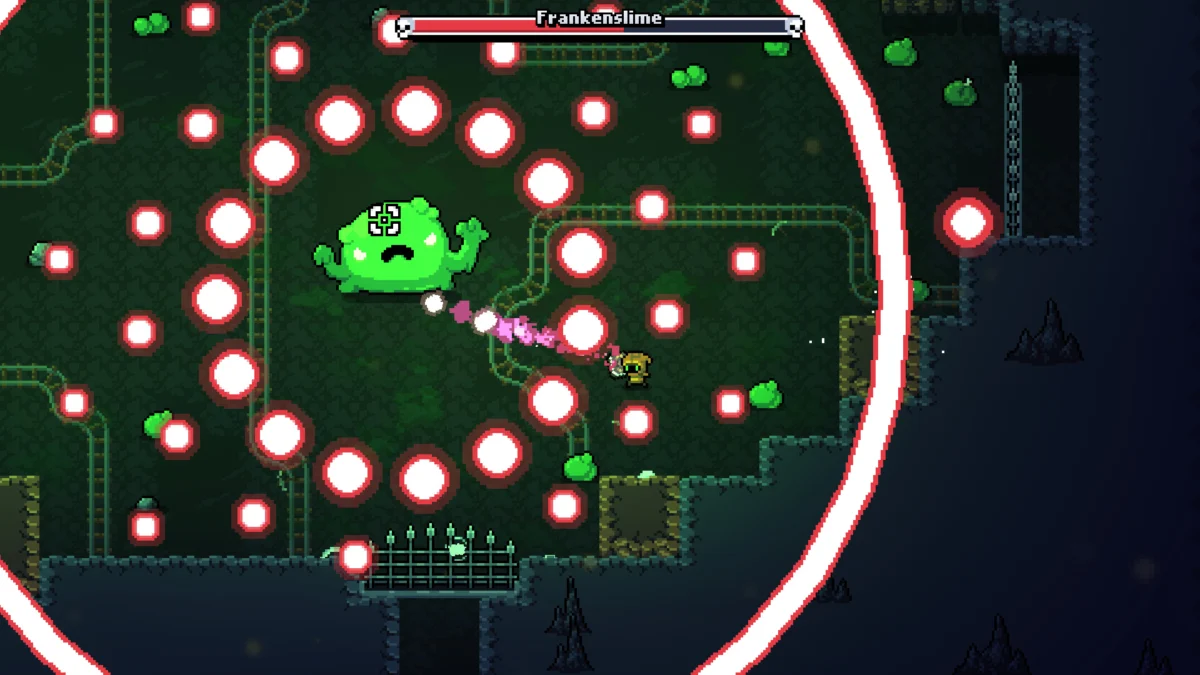
The landscape of independent gaming in 2021 was nothing short of transformative. From narrative-driven masterpieces to innovative mechanical experiments, the sheer volume of high-quality titles released over the past twelve months has left even the most dedicated players breathless. Amidst this flurry of innovation, one title emerged in the final weeks of the year to solidify its place as a hidden gem: Archvale. Developed as a daring fusion of the role-playing game (RPG) and bullet hell genres, Archvale has proven that seemingly disparate design philosophies can harmonize to create a uniquely addictive experience.
The Core Concept: Where RPG Depth Meets Bullet Hell Chaos
At its heart, Archvale is a testament to the versatility of modern indie development. Combining the progression systems of a classic top-down RPG with the intense, precision-based combat of a bullet hell shooter is a design challenge few studios would dare attempt. Yet, Archvale executes this fusion with remarkable confidence.
The game places players in the shoes of a solitary hero tasked with liberating a realm long oppressed by a tyrannical monarch. The narrative hook is simple but effective: the legendary arch to the titular Archvale has been shattered, and only by collecting its disparate pieces can the player confront the evil king and restore balance to the world.
Mechanics of the Encounter
Unlike traditional RPGs, where combat might be turn-based or reliant on static stat checks, Archvale requires the player to possess quick reflexes and spatial awareness. The "bullet hell" element ensures that the screen is frequently flooded with projectiles, forcing players to weave, dash, and dodge through narrow corridors of fire. This is not merely an action game, however; the RPG elements—weapon crafting, armor progression, and stat management—ensure that the player’s character grows alongside their own personal skill level.
Chronology of Development and Release
The journey of Archvale from an ambitious concept to a polished release is reflective of the current indie development cycle, which prioritizes mechanical refinement over massive scope.
- Pre-2021: The development team focused on balancing the "feel" of movement. In a game where dodging is the primary survival mechanism, latency and responsiveness are paramount.
- Early 2021: Initial teasers began to circulate in indie-centric gaming circles, highlighting the game’s vibrant, pixel-art aesthetic and its promise of deep character customization.
- December 2021: Following a period of anticipation, Archvale officially launched on Steam, arriving just in time for the end-of-year holiday rush. Its release provided a refreshing, high-energy counterpoint to the more somber, atmospheric titles that dominated much of the year.
Supporting Data: Why "Genre-Blending" Works Here
To understand the success of Archvale, one must look at the data points of player interaction and design philosophy.
Customization and Flexibility
One of the most praised aspects of the game is its fluid approach to character builds. While many RPGs lock players into a specific class early on, Archvale encourages experimentation. Players can switch their loadouts and playstyles on the fly, adapting to the specific demands of a boss fight or a new region. This flexibility is critical in a game that features:
- Diverse Weaponry: From bows and staves to unconventional projectiles, the arsenal is both absurd and functional.
- Adaptive Difficulty: While the game is undeniably difficult, it avoids the trap of being "punishing for the sake of punishment." The learning curve is managed through the player’s ability to upgrade gear.
- Regional Exploration: The world is designed with a non-linear approach. If a player finds themselves struggling in one area, they are free to venture elsewhere, grow stronger, and return when better prepared.
The "Frog Chef" Phenomenon
In the discourse surrounding Archvale, a surprising amount of attention has been paid to the game’s lighter moments, most notably the inclusion of a frog chef. While it may seem like a minor detail, it speaks to the game’s tonal balance. By tempering the high-stakes intensity of the bullet hell combat with charming NPCs and a whimsical world-building style, the developers ensure that the player never feels burned out.
Official Responses and Industry Reception
Since its launch, Archvale has garnered significant praise from the indie gaming community. On platforms like Steam, player sentiment has remained overwhelmingly positive, with users frequently citing the "tight controls" and "satisfying progression loop."

Indie game critics have pointed to the title as a case study in how to avoid the "bloat" that often plagues modern RPGs. By focusing on a tighter, more cohesive experience, the developers have created a game that feels complete rather than unfinished. The consensus among reviewers is that Archvale successfully bridges the gap between two very different types of gamers: those who enjoy the steady growth of an RPG character, and those who seek the adrenaline rush of a high-difficulty shooter.
The Broader Implications for Indie Gaming
Archvale represents a broader trend within the industry: the rise of the "Genre-Mashup." As the gaming market becomes increasingly saturated, developers are finding that the most effective way to stand out is not to build a bigger game, but to build a more inventive one.
1. The Death of Rigid Genres
The success of Archvale suggests that players are becoming less concerned with traditional genre labels and more interested in the "feel" of a game. When a game offers the dopamine hit of a loot-based RPG alongside the mechanical thrill of a bullet hell, the lines between "hardcore" and "casual" begin to blur.
2. The Power of "Small-Scope" Polish
In an era where AAA titles are often criticized for massive, empty open worlds and buggy launches, Archvale reminds the industry of the power of a refined, smaller-scale project. By focusing on perfecting the core combat loop, the developers created a "must-play" title that punches well above its weight class.
3. Community Engagement
The game’s reception also highlights the role of word-of-mouth in the indie space. Without the massive marketing budgets of major publishers, Archvale relied on the inherent quality of its gameplay and the enthusiasm of its player base to gain traction. This "grassroots" success remains the gold standard for independent developers worldwide.
Conclusion: A New Standard for Hybrid Experiences
As we reflect on the banner year that was 2021, Archvale stands as a reminder of why independent gaming continues to be the most exciting sector of the industry. It is a title that refuses to be categorized, demanding skill from the player while rewarding them with a deep, expansive world to explore.
For those who have spent the year tackling the heavy hitters of the AAA scene, Archvale offers a welcome, high-octane change of pace. It is a game that respects the player’s time, challenges their dexterity, and, through its delightful world-building, proves that even in the middle of a frantic bullet storm, there is always room for a bit of charm—and, of course, a very talented frog chef.
If the current trajectory of indie development continues, we can expect to see more titles following in the footsteps of Archvale, blurring the lines between genres and redefining what a modern gaming experience should be. It is not just a game; it is a piece of evidence that creativity, when paired with technical precision, is the most powerful tool in any developer’s arsenal. Whether you are a veteran of bullet hell titles or a newcomer to the genre, Archvale invites you to pick up your weapon, study the patterns, and carve your own path through the chaos.

