

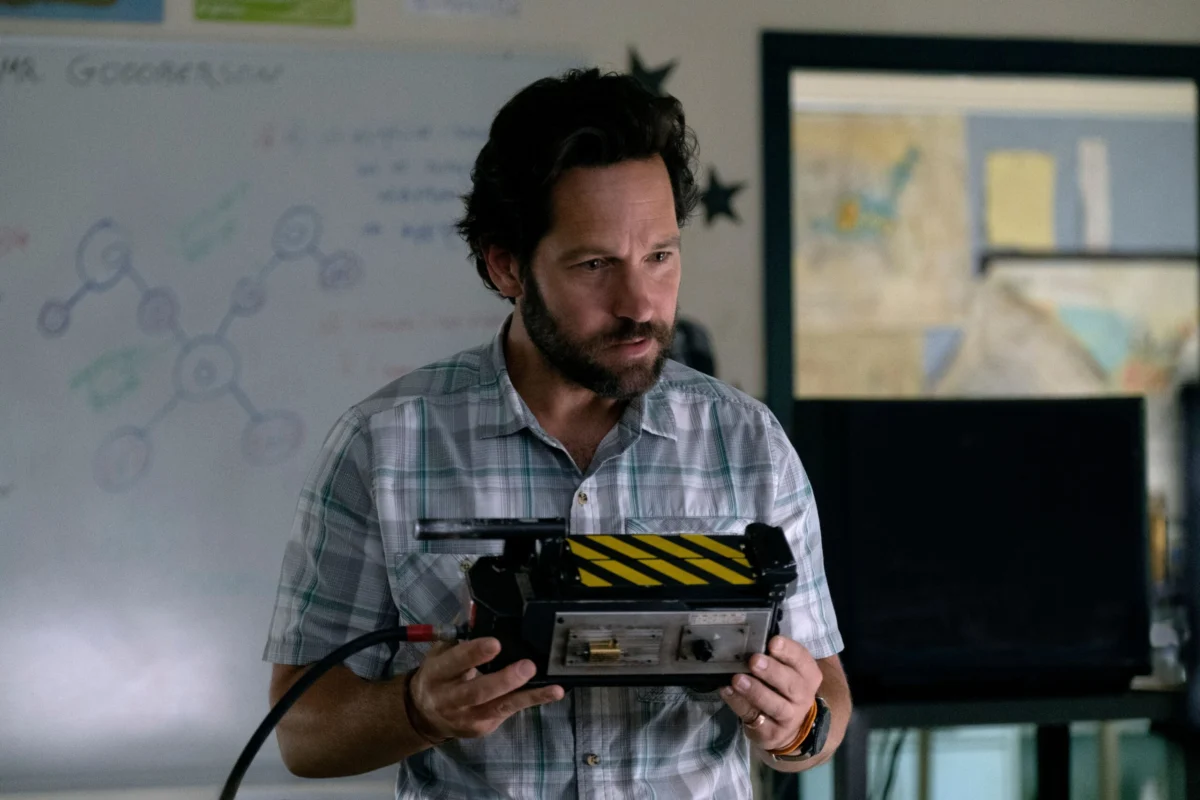
For decades, the Ghostbusters franchise has operated in the shadow of its own legacy. While the original 1984 classic and its 1989 sequel established the mythology of paranormal investigation in New York City, and the recent films Ghostbusters: Afterlife (2021) and Ghostbusters: Frozen Empire (2024) successfully revitalized the brand for a new generation, a significant chronological gap remained. What happened to the spirit of the team during the quiet years of the mid-1990s?
Netflix’s upcoming animated series, Ghostbusters: Night Shift, promises to finally pull back the curtain on this "lost era." Unveiled at the 2026 Annecy International Animation Film Festival, the project—spearheaded by creative powerhouses Gil Kenan and Jason Reitman—seeks to reconcile the original films with the modern cinematic timeline, offering a gritty, punk-rock-infused look at a New York City on the precipice of change.
The Main Facts: Bridging the Gap
Ghostbusters: Night Shift is not merely a spin-off; it is a vital narrative bridge. Set specifically in 1994, the series intends to explore the vacuum left behind after the original team drifted apart. In Afterlife, fans were given fleeting glimpses of the post-1980s decline—brief mentions of the team disbanding and the firehouse falling into disrepair.
Night Shift takes these breadcrumbs and expands them into a full-scale narrative. The series follows a new, untested group of young heroes who stumble into the world of paranormal containment. Unlike the academic, scientific roots of Peter Venkman, Ray Stantz, and Egon Spengler, these new protagonists are described as "outsiders" and "scrappy" survivors. They don’t start with the benefit of sophisticated PKE meters or established reputations; they are forced to learn the trade under pressure, navigating a world that has largely forgotten the threats that once terrorized Manhattan.
A Chronological Perspective: 1994 and the Changing Face of New York
The choice of 1994 as a setting was a deliberate creative decision. According to showrunner Elliott Kalan, 1994 represents a unique "hinge" moment in the history of New York City. It was the tail end of the "old, gritty" New York—a city defined by its chaotic, unpolished energy—just before the transition into a more sanitized, corporate-driven metropolis.
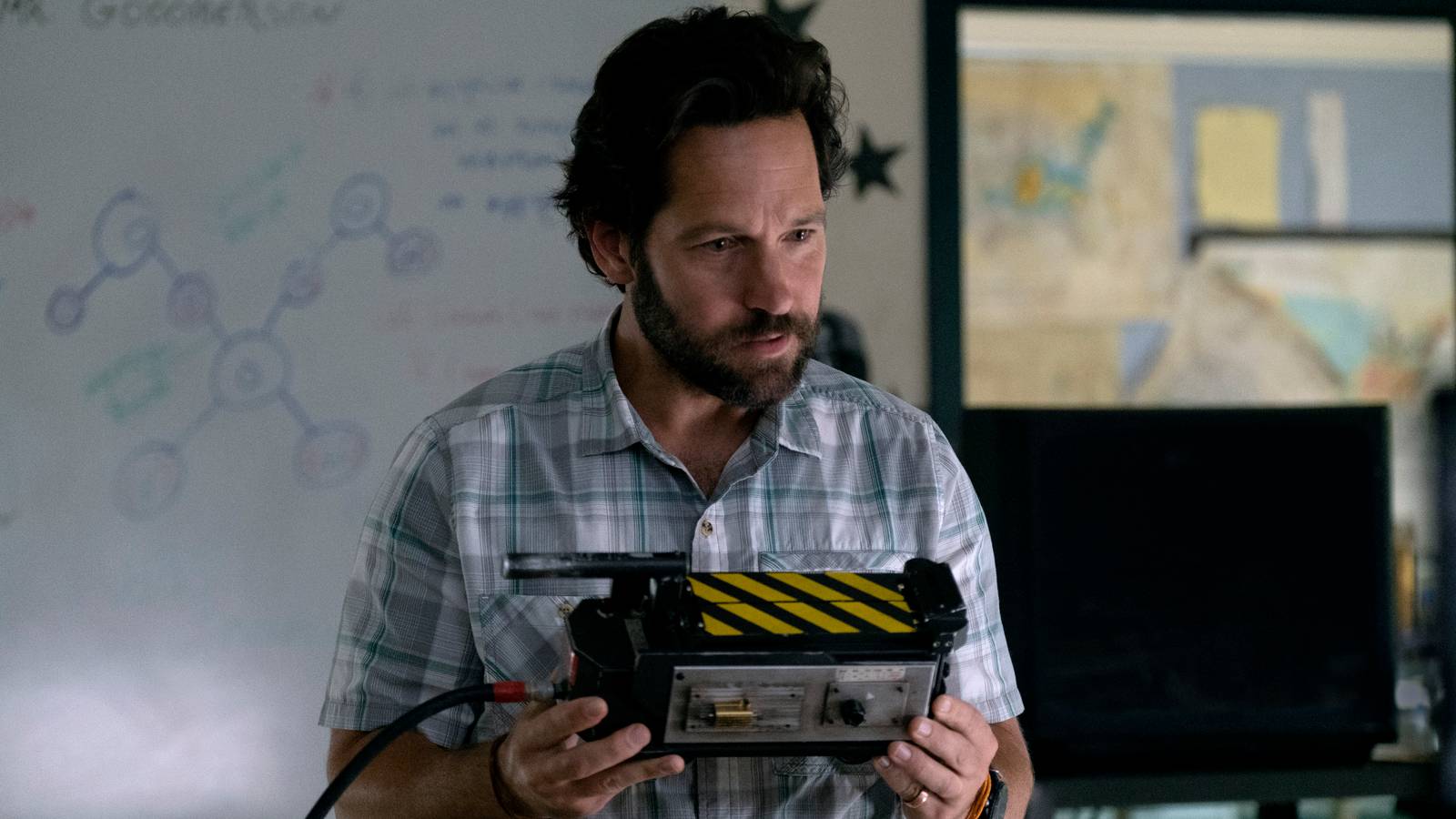
The Evolution of the Timeline:
- 1984–1989: The Golden Age of Ghostbusting. High-profile spectral manifestations and public acclaim.
- 1990–1993: The "Lost Years." Public interest wanes, the firehouse is shuttered, and the original team pursues individual, divergent paths.
- 1994 (Night Shift era): The focus of the new series. The city is in a state of cultural flux, with the punk rock scene serving as the backdrop for new paranormal incursions.
- 2021–2024 (Afterlife/Frozen Empire era): The legacy revival, where the tools and history of the 80s are rediscovered by a new generation.
By placing the show in 1994, the creative team gains access to a specific aesthetic—one that leans heavily into the D.I.Y. punk culture of the era. This is even reflected in the series’ visual identity, where the iconic "No-Ghost" logo has been reimagined with a photocopied, band-flyer aesthetic, mirroring the underground music scene that dominated NYC at the time.
Supporting Data: The Creative Vision
The production team behind Night Shift, including co-showrunners Ben Hibon and Elliott Kalan, has emphasized that the series will function as a "serialized epic." While the show will feature a classic "villain-of-the-week" structure to satisfy the episodic cravings of the audience, there is a deep, underlying narrative arc that ties the events of 1994 directly into the lore established in Frozen Empire.
The "Punk" Aesthetic of Ghostbusting
The production team has leaned into the sensory details of mid-90s New York. Ben Hibon noted that the show isn’t just about ghosts; it’s about capturing the "smells, sounds, and creativity" of a city in transition. The soundtrack, a critical component of the series’ identity, will draw heavily from the grunge and punk movements of the early 90s, grounding the supernatural events in a very specific, tangible reality.
This grounded approach is essential for maintaining the "punching up" theme that Kenan identifies as the core of the Ghostbusters DNA. In Night Shift, the protagonists aren’t just fighting monsters; they are fighting a system—bureaucracy, skepticism, and a city that has moved on from the paranormal—that refuses to acknowledge the danger they are facing.
Official Responses: The Showrunners’ Perspective
Speaking at the Annecy Festival, Gil Kenan provided insight into why this story needed to be told now. "We became very curious about the mystery of the 1990s and ghostbusting," Kenan told attendees. "It felt like there was not just a big story to tell, but a lost part of the legend of ghostbusting."

Kenan’s perspective is bolstered by the involvement of Jason Reitman, whose stewardship of the franchise has been marked by a desire to honor the original films while expanding the scope of the universe. The decision to move into animation allows the creators to lean into the more fantastical elements of the lore that might have been constrained by live-action budgets, while simultaneously maintaining the emotional resonance of the human characters.
"We want the seasons to feel like real big, meaty, epic stories," Kenan added. This suggests that Netflix is looking at Night Shift as a long-term investment, one that could span multiple seasons and potentially fill in other gaps within the established franchise history.
Implications: The Future of the Ghostbusters Universe
The announcement of Ghostbusters: Night Shift marks a significant pivot point for the franchise. By successfully leveraging the popularity of the modern films to launch an animated series, the producers are proving that the Ghostbusters intellectual property is flexible enough to thrive across different mediums and tones.
Expanding the Lore
The primary implication of Night Shift is the potential for "era-hopping." Kenan has openly expressed interest in telling stories in other time periods. If Night Shift proves successful, it could pave the way for an anthology-style approach to the franchise, where different animated series explore the history of ghostbusting throughout the 20th and 21st centuries.
A New Generation of Fans
For the audience, the series serves as a critical bridge. It provides context for the "old guard" characters, potentially explaining their whereabouts or the state of their technology during the dark years, while simultaneously introducing a new cast that can carry the franchise forward. By focusing on the 90s, the show appeals to the nostalgia of adult fans who grew up in that era, while the "scrappy outsider" premise ensures that younger viewers have an accessible entry point into the series.
Conclusion: A New Chapter
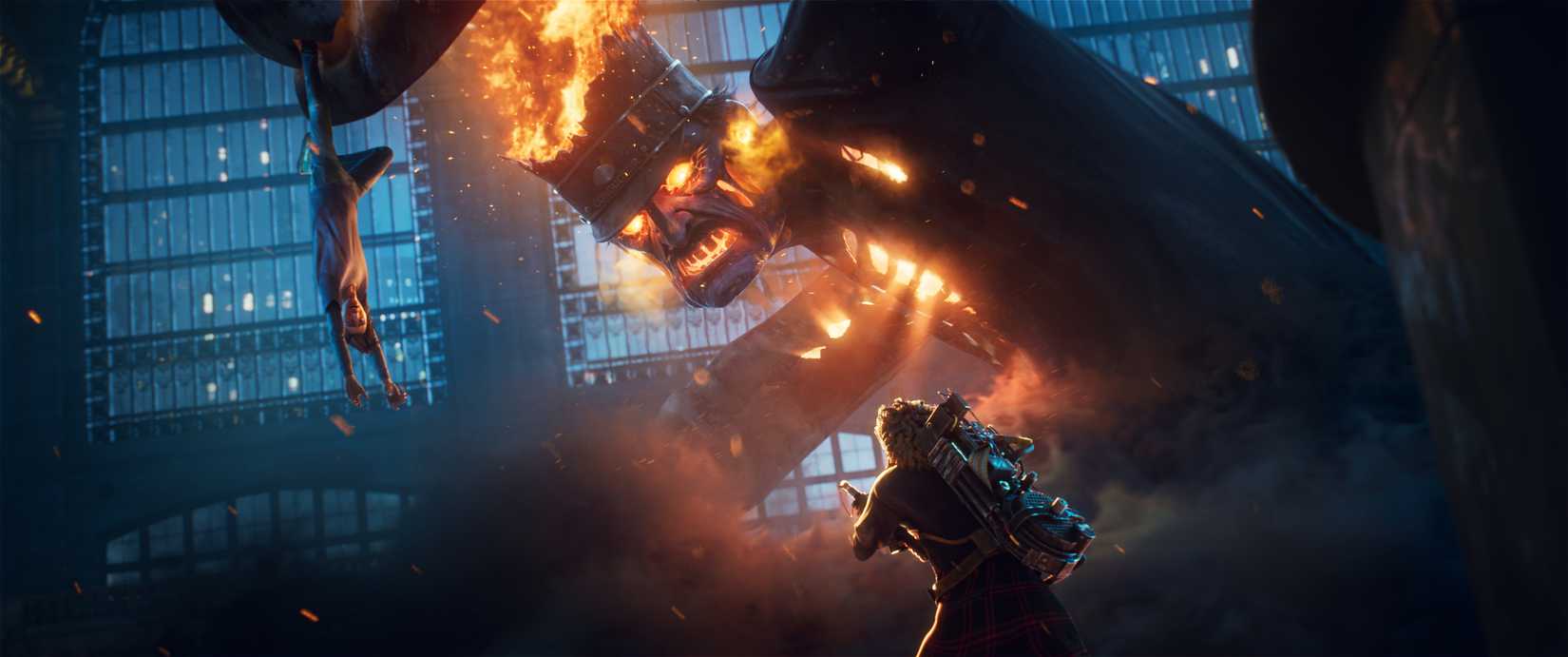
As production continues, the excitement surrounding Ghostbusters: Night Shift is palpable. It represents the maturation of a franchise that has successfully survived the transition from 80s comedy classic to modern cinematic universe. By looking backward to the grit of 1994, the creators are actually moving the franchise forward, proving that there are still plenty of ghosts left to catch, and plenty of stories left to tell.
With a scheduled premiere in 2027, Ghostbusters: Night Shift is poised to be more than just a nostalgic callback; it is set to be the definitive exploration of what it means to be a Ghostbuster in a world that has forgotten how to be afraid. Whether it’s through the lens of a DIY punk aesthetic or the weight of a multi-generational legacy, the series promises to deliver the "big, meaty, epic" storytelling that fans have been waiting for.

