

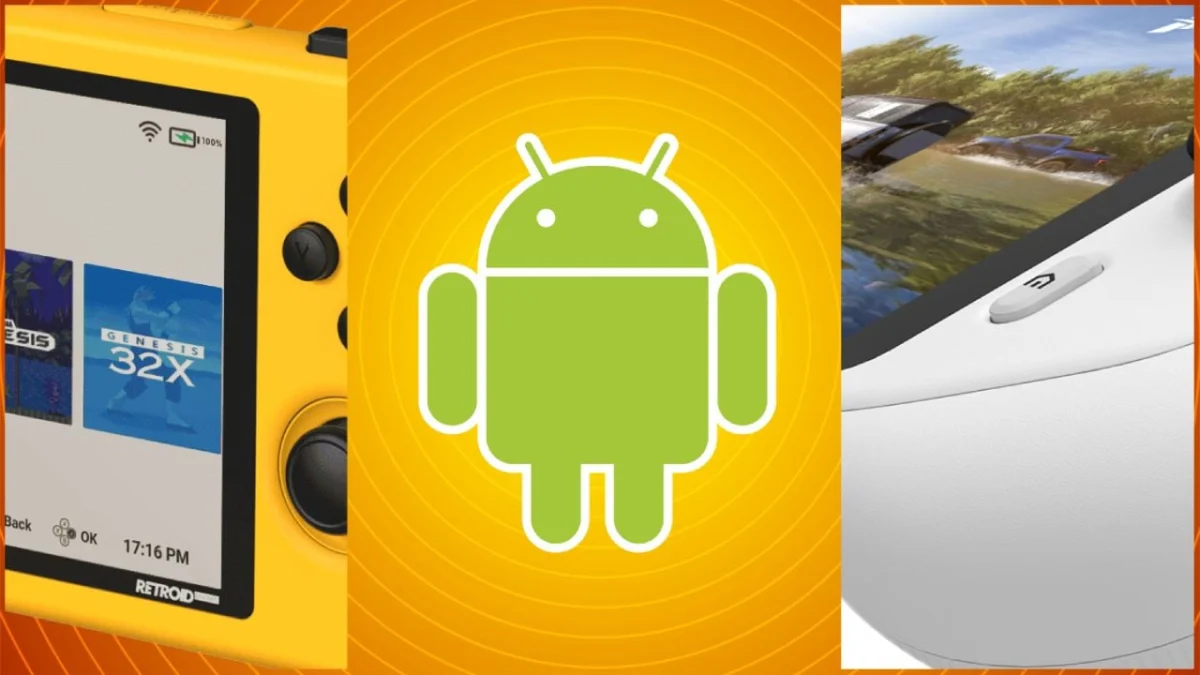
While the modern smartphone is a marvel of engineering, capable of processing high-fidelity graphics and complex AI tasks, there is an undeniable tactile satisfaction that a touchscreen simply cannot replicate. For the dedicated gamer, the physical click of a button, the precision of an analog stick, and the ergonomic embrace of a purpose-built controller are essential components of the experience.
Over the last few years, the market for dedicated Android-based gaming handhelds has exploded. What began as a niche interest for retro emulation enthusiasts has transformed into a robust industry, with manufacturers delivering devices that range from budget-friendly retro-revival units to powerhouse machines capable of rivaling dedicated consoles. This guide explores the current landscape of the best Android gaming handhelds, detailing their technical specifications, intended use cases, and why they deserve a spot in your collection.
The Landscape of Portable Android Gaming
The Android handheld market is currently bifurcated into two primary categories: dedicated emulation machines and cloud-streaming powerhouses. Manufacturers have realized that by leveraging the open-source nature of Android, they can build bespoke hardware that handles everything from 8-bit classics to modern, high-intensity mobile titles like Diablo Immortal or Genshin Impact.

The current hardware cycle has moved toward more refined ergonomics, higher-resolution displays, and active cooling solutions that allow for longer, more demanding gaming sessions. Whether you are looking for a pocket-sized device for your commute or a premium, high-spec machine for your living room, the variety available today is unprecedented.
Chronology: From Emulation Toys to Powerhouses
To understand where we are, we must look at how these devices evolved.
- The Early Era: Initial attempts at Android handhelds were often repurposed tablets with tacked-on controls. They were plagued by latency issues and poor build quality.
- The Retro Renaissance: Brands like Anbernic entered the fray, focusing on aesthetic nostalgia. These devices prioritized screen quality and d-pad accuracy, targeting the burgeoning market of retro-gaming enthusiasts who wanted a "Game Boy-like" experience with modern Linux/Android backends.
- The Power Shift: The arrival of the AYN Odin series marked a paradigm shift. Suddenly, Android handhelds weren’t just for playing Pac-Man; they were capable of full-speed GameCube and PS2 emulation.
- The Modern Integration: Today, we see companies like Logitech and GPD integrating cloud gaming and modular customization, treating the handheld not just as a device, but as a gateway to broader gaming ecosystems.
Top-Tier Contenders: A Detailed Analysis
AYN Odin 3: The Gold Standard
The AYN Odin series has long been the North Star of the Android handheld community. The Odin 3 is the culmination of years of iterative design. By refining the thermal management and processing power of its predecessor, the Odin 2, the team at AYN has created a device that feels less like a niche product and more like a high-end console.
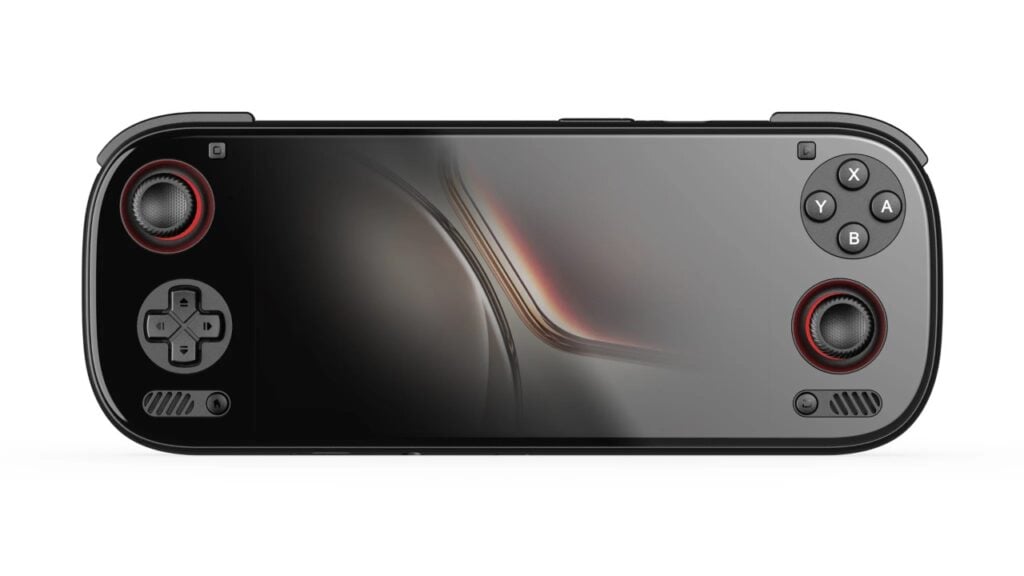
- Key Specs: Equipped with the latest Snapdragon chipset, the Odin 3 offers a significant boost in GPU performance. Its battery life, a common pain point in the industry, has been optimized for multi-hour sessions of high-intensity 3D rendering.
- Performance: It handles difficult-to-emulate titles with ease, maintaining high frame rates across complex PS2 and GameCube libraries.
- Market Position: Currently in its 8th batch of pre-orders, the Odin 3 is clearly in high demand, proving that enthusiasts are willing to wait for premium quality.
GPD XP Plus: The Modular Innovator
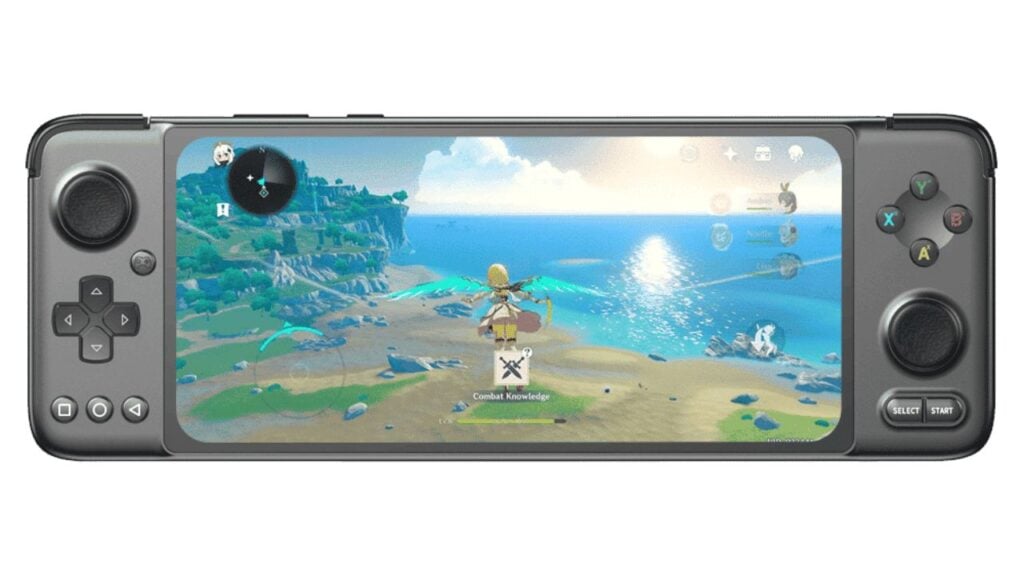
GPD has always been the "wild card" of the industry, and the XP Plus is no exception. Its standout feature is the modular right-hand controller module, allowing users to swap input layouts based on the genre they are playing.
- The Modular Advantage: Whether you are playing a first-person shooter that demands a specific layout or a platformer that benefits from a different thumbstick placement, the GPD XP Plus adapts.
- Technical Capabilities: While it carries a premium price tag, it is justified by its raw power. It is designed for the user who doesn’t want to choose between playing native Android titles and emulating heavy-hitting consoles. It is a workhorse in every sense of the word.
Anbernic RG353P: The Nostalgia King
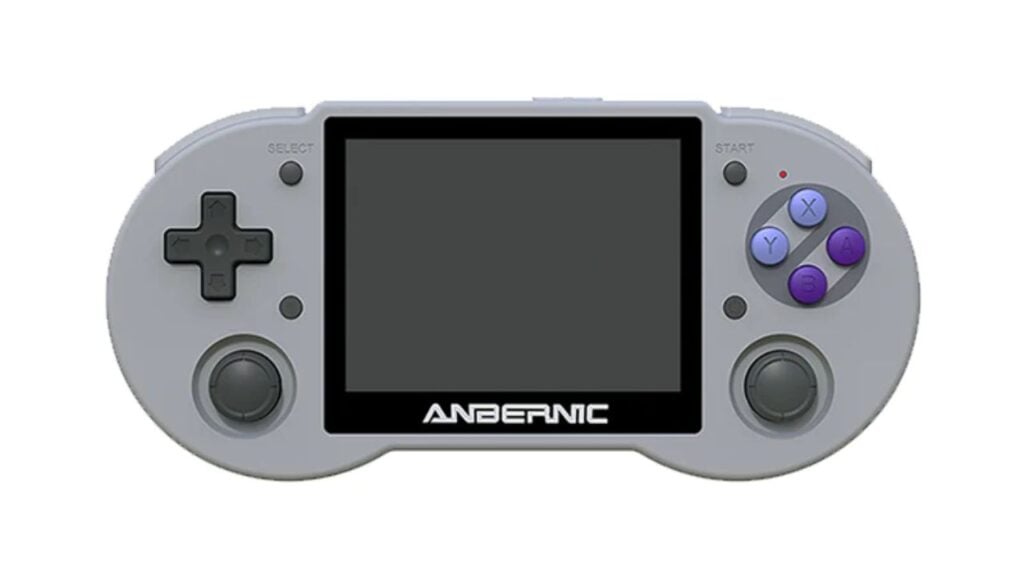
If your primary goal is to relive the glory days of the 90s, the Anbernic RG353P is the definitive choice. Its design language is a love letter to the SNES, complete with a sturdy, weighted chassis that feels substantial in the hand.
- Dual-Boot Versatility: One of the most significant advantages of this device is its dual-boot system, allowing users to switch between a Linux-based interface for pure emulation and Android 11 for modern app support.
- Connectivity: With dual SD card slots and a dedicated mini-HDMI port, the RG353P is a dream for those who want to play on a TV screen without the need for complex software setups.
Retroid Pocket 6 & Nova: The Modern Upstarts
Retroid has built its reputation on sleek, pocketable designs that don’t skimp on power. The Retroid Pocket 6, paired with the more compact Retroid Nova, represents the latest push into high-performance, compact gaming.
- Aesthetics: Featuring iconic, Nintendo-esque color palettes, these devices are designed to appeal to the "retro-gamer at heart" while housing modern, efficient chips that rival larger, more expensive units.
- Performance Metrics: They are perfectly balanced for users who want to play on the go without the bulk of larger controllers, fitting easily into a jacket pocket while still delivering high-fidelity performance.
Logitech G Cloud: The Cloud Streaming Specialist
The Logitech G Cloud is a different breed of handheld. Instead of relying solely on internal processing power, it is built to leverage cloud gaming services like Xbox Cloud Gaming and NVIDIA GeForce Now.
- Ergonomic Design: Logitech applied its expertise in gaming peripherals to create a device that is arguably the most comfortable on the market. Its ergonomic grips allow for hours of play without hand fatigue.
- Cloud Focus: Because it isn’t solely dependent on its internal Snapdragon 720 processor for rendering, the battery life is exemplary. It is the perfect device for the gamer who has a strong Wi-Fi connection and wants to stream AAA titles to a gorgeous, vibrant screen.
Supporting Data and Technical Implications
When evaluating these devices, it is vital to understand the relationship between the chipset and the emulation target.
| Device | Primary Use Case | Processor Class | Screen Type |
|---|---|---|---|
| AYN Odin 3 | High-end Emulation | Snapdragon High-Tier | 1080p IPS |
| GPD XP Plus | Modular/General | MTK Dimensity | 6.81" Touch |
| Anbernic RG353P | Retro Gaming | RK3566 | 3.5" IPS |
| Retroid Pocket 6 | Balanced Portable | Custom High-Efficiency | 1080p Touch |
| Logitech G Cloud | Cloud/Streaming | Snapdragon 720G | 7" 1080p |
The implications of these specs are clear: the market has moved beyond "good enough." Users now expect high-refresh-rate displays and efficient thermal cooling. The industry is responding to the demands of a user base that is increasingly tech-literate and expects a console-like experience from their mobile hardware.
Official Responses and Industry Outlook
Industry analysts note that the rise of these handhelds is a direct response to the "gacha-heavy" and touch-control-reliant nature of the standard mobile gaming market. In official communications, brands like AYN and GPD have emphasized that their products are built "by gamers, for gamers."
The focus for 2026 and beyond appears to be on seamless connectivity. As 5G becomes more prevalent and cloud streaming services improve their latency, we can expect to see even more devices that blur the line between a standalone console and a streaming terminal. Manufacturers are also increasingly focusing on community-driven software, often providing open-source firmware updates that allow the community to customize the OS, further extending the lifespan of these devices.
Implications: The Future of Portable Gaming
Why should you invest in an Android handheld today? The answer lies in preservation and freedom. These devices allow you to maintain a digital library of your favorite titles, independent of the volatile storefronts of major mobile platforms.

Moreover, they offer a level of focus that a smartphone cannot provide. When you pick up an Odin or a Retroid, you aren’t interrupted by notifications, emails, or the distractions of a multi-purpose device. You are there to play.
As the industry continues to mature, we are likely to see even more competition, which will inevitably lead to lower prices and higher specs. For now, the devices listed above represent the absolute pinnacle of what is possible in the Android handheld space. Whether you are a fan of 16-bit classics or the latest in cloud-streamed AAA gaming, there has never been a better time to step away from the touchscreen and embrace the buttons.
Ready to find your next adventure? Be sure to check our weekly updates on the best new Android games to ensure you always have something fresh to play on your new hardware.

