

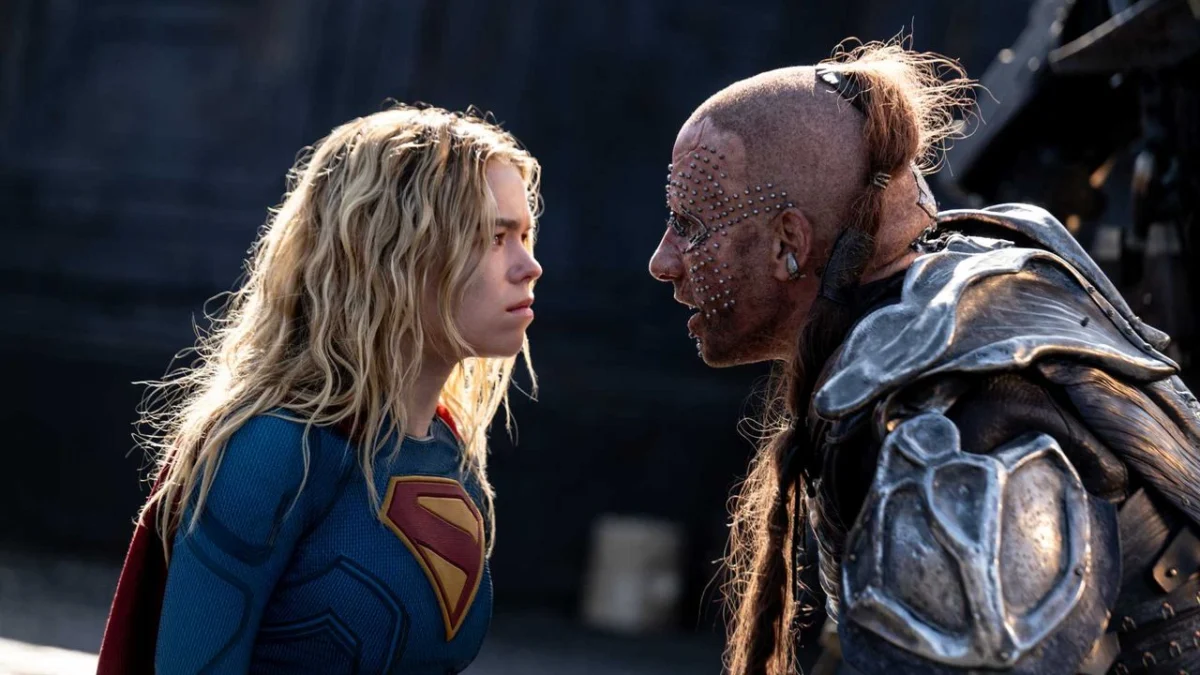
The landscape of the DC Universe (DCU) is shifting, and if director Craig Gillespie has his way, the upcoming Supergirl film will serve as the definitive proof that James Gunn and Peter Safran’s vision is one of creative liberation rather than corporate homogeneity. While the DCU’s inaugural project, Superman, set a specific tone for the franchise, the studio is actively encouraging a distinct stylistic departure for the Maid of Might.
In a recent interview with SFX Magazine, Gillespie shed light on the creative freedom afforded to him by DC Studios, revealing that the upcoming standalone film will prioritize a “tactile and messy” aesthetic that stands in stark contrast to the polished heroism of Clark Kent’s cinematic outing.
The Core Narrative: A Cosmic Odyssey
At the heart of the new project is Kara Zor-El, brought to life by Milly Alcock. While fans were given a fleeting glimpse of Alcock’s version of the character in the closing moments of 2025’s Superman—where she was seen collecting Krypto the Superdog—this film marks the true departure from the Man of Steel’s orbit.
The narrative shifts from the familiar, sun-drenched halls of the Daily Planet to the vast, unforgiving reaches of space. The plot follows Kara on a deeply personal mission that diverges significantly from the traditional "save the city" superhero archetype. After Krypto is poisoned by a mysterious assailant—the same individual responsible for the annihilation of a young woman named Ruthye’s family—Kara and Ruthye form an unlikely alliance. Their mission: to track down and confront the ruthless antagonist, Krem of the Yellow Hills, portrayed by Matthias Schoenaerts.
This setup positions Supergirl not as a traditional sequel or a side-story, but as a gritty, character-driven road movie set against a cosmic backdrop. The inclusion of Jason Momoa, who is set to bring the interstellar bounty hunter Lobo to the DCU, adds a layer of chaotic unpredictability to the film’s atmosphere.
Chronology and Evolution of the DCU
The DCU’s rollout has been carefully calibrated by James Gunn. The chronology of these films is designed to build a world that feels interconnected yet artistically diverse.
- The Foundation: The launch of the DCU began with the establishment of Superman, which serves as the anchor for the new timeline.
- The Expansion: Supergirl represents the second major theatrical pillar of this universe. By positioning it immediately after the establishment of the core Superman lore, DC Studios is signaling that their universe will not be a singular monolith.
- The Integration: Unlike the previous iteration of the DCEU, which struggled with tonal consistency, the current plan relies on distinct "graphic novel" approaches to each film, allowing directors to imprint their personal visual language onto their respective projects.
Artistic Vision: From Concept to Reality
Craig Gillespie’s approach to Supergirl was unconventional from the start. He described his pitch process to DC Studios leadership as a sensory journey rather than a traditional storyboard presentation.
"I came in with around 120 pages of images of what I thought this movie should be," Gillespie explained. "I started out with thousands of images, and by the time I’d narrowed it down, there was a narrative to it, and something that was very exciting and tactile and messy."
This "messy" quality is key to his vision. Where Superman offers a more idealized look at heroism, Gillespie is leaning into the imperfections of the universe. He wanted to ensure that the audience feels the weight, the grime, and the visceral reality of Kara’s journey through the cosmos.
Official Responses and Creative Autonomy
Perhaps the most significant revelation from the recent press cycle is the level of trust placed in Gillespie by DC Studios CEO James Gunn. When asked about how much he was expected to align with the visual and narrative language of Superman, Gillespie’s inquiry was met with a surprising degree of freedom.
"I asked him, ‘How much do you want me to be in your world, coming off of Superman?’ He said, ‘Not at all. I’m approaching all of these films like they’re their own graphic novels, and every graphic novel has its own illustrator and its own writer that make it distinctive, so this is your version.’ That answer, for a filmmaker, is amazing!"
This philosophy—treating each film as a unique graphic novel—is the cornerstone of the Gunn-Safran era. It suggests that the DCU is moving away from the "mandated" look that hampered previous franchise attempts, opting instead for a "curated diversity" where the director’s voice is the primary driver.
Supporting Data: The Cast and Crew
The film’s production is bolstered by a high-caliber ensemble and a creative team known for distinct visual styles.
- Milly Alcock (Kara Zor-El): Following her breakout success, Alcock is tasked with capturing the duality of Kara—a survivor of a lost world who must navigate the complexities of her own identity while dealing with the trauma of losing her family and the responsibility of her powers.
- Matthias Schoenaerts (Krem of the Yellow Hills): As the primary antagonist, Schoenaerts brings a grounded, perhaps even grounded-yet-menacing presence, which Gillespie intends to use as a foil for the more celestial power of Supergirl.
- Eve Ridley (Ruthye): As the human anchor of the story, Ridley’s character provides the emotional stakes. Her quest for vengeance against Krem drives the plot forward, forcing Kara into a moral dilemma.
- Jason Momoa (Lobo): The inclusion of Lobo indicates that the film will not shy away from the darker, more "edgy" corners of the DC comic canon.
The Implications for the Future of the DCU
The implications of this directorial strategy are profound for the future of superhero cinema. If Supergirl succeeds, it validates the strategy of "director-first" storytelling within a shared universe. It suggests that a brand as large as DC can maintain a cohesive continuity while allowing for massive tonal shifts between films.
1. Breaking the "Shared Universe" Fatigue
Audiences have frequently expressed fatigue regarding the rigid formulas of modern superhero films. By diversifying the aesthetic—making one film feel like a bright, hopeful epic and the next a tactile, gritty space adventure—DC Studios is actively working to combat this exhaustion.
2. High-Stakes Storytelling
By focusing on a specific, contained mission involving Krypto and a quest for justice, Supergirl avoids the "end of the world" stakes that have become a cliché in the genre. This focus on personal narrative and character development is a calculated risk, but one that is likely to pay off with critics and audiences seeking deeper character exploration.
3. The Graphic Novel Aesthetic
By explicitly citing the "graphic novel" approach, DC is leaning into its roots. This move invites fans of the source material to view the films as distinct pieces of art rather than mere "content." It elevates the expectation for visual experimentation and narrative bravery.
Final Outlook
As the June 26 release date approaches, the anticipation surrounding Supergirl is palpable. It is not merely another superhero movie; it is a test case for the sustainability and flexibility of the new DCU. If Craig Gillespie can successfully weave his "tactile and messy" vision into the broader tapestry of James Gunn’s cinematic universe, he will have set a new standard for how shared universes can flourish without sacrificing the artistic integrity of the individual stories they contain.
With a compelling cast, a clear directorial vision, and the full backing of the studio’s leadership, Supergirl is poised to be one of the most intriguing entries in the superhero genre for years to come. For fans waiting to see how the DCU expands beyond the Man of Steel, the arrival of Kara Zor-El is not just an introduction—it is a bold statement of intent.

