

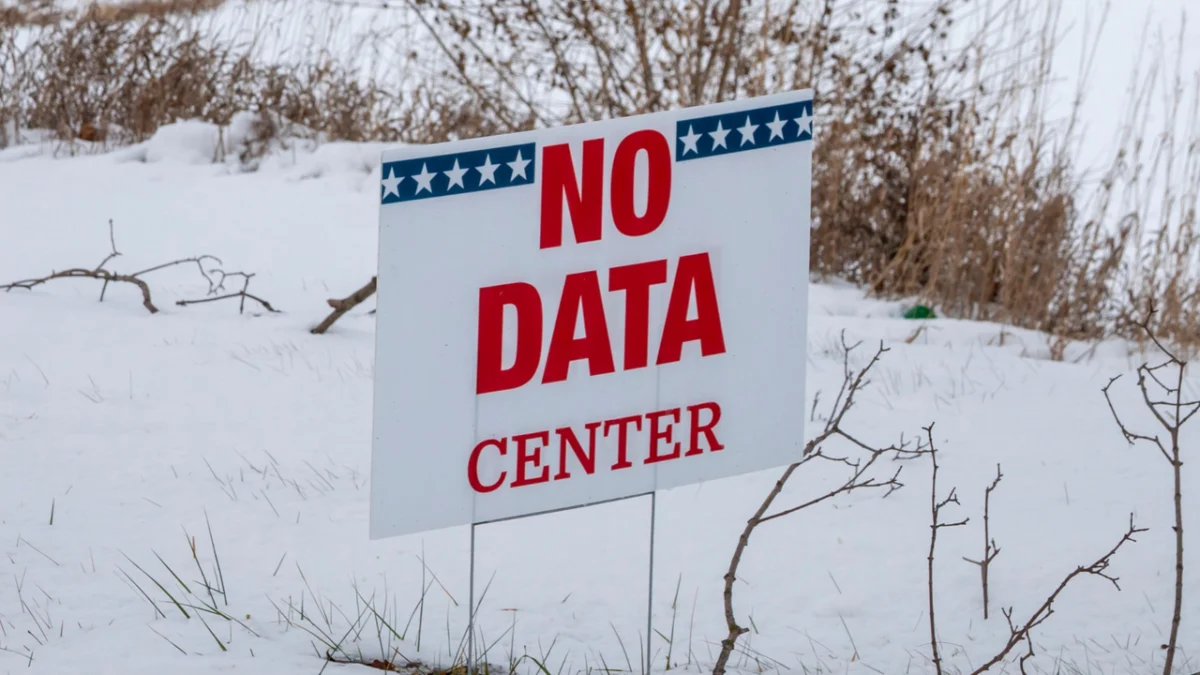
McMinnville, TN – In a significant move that echoes a growing national sentiment, the city of McMinnville in Warren County, Tennessee, has enacted an 18-month moratorium on new data center developments. This preemptive measure, passed in June 2026, aims to provide the city ample time to thoroughly assess the multifaceted impacts of these energy- and resource-intensive projects. The moratorium will effectively halt any new permit applications, allowing officials to delve into critical considerations ranging from electrical grid capacity and water infrastructure to environmental concerns, public health, noise pollution, and overall community integration. This local action is not isolated, but rather indicative of a broader pushback across Tennessee and the nation against the unchecked expansion of digital infrastructure.
The decision by McMinnville highlights an intensifying debate over the true cost of the AI revolution and the burgeoning demand for computational power. While data centers are heralded as engines of the digital economy, their immense resource footprint is increasingly scrutinised by local communities grappling with limited resources and a desire to preserve their quality of life. As reported by the Tennessee Lookout, several other jurisdictions within the state are similarly moving to pause or outright ban new data center constructions, signaling a potential paradigm shift in how these facilities are developed and regulated.
Main Facts: A Preemptive Pause in McMinnville
The McMinnville Board of Mayor and Aldermen unanimously approved an 18-month moratorium, effectively freezing any new data center applications within city limits. This decisive action underscores a proactive approach to development, prioritizing careful planning over rapid, potentially disruptive growth. The specific concerns driving this temporary ban are comprehensive and reflect a deep understanding of the challenges posed by modern data centers.
Foremost among these is the electrical grid capacity. Data centers are notoriously power-hungry, with hyperscale facilities often requiring as much electricity as a small city. McMinnville seeks to understand how its existing grid can accommodate such demands without compromising reliability for current residents and businesses, or necessitating costly infrastructure upgrades that might fall to taxpayers.
Water and stormwater impacts are another major consideration. Many data centers rely on significant volumes of water for cooling their vast arrays of servers, often through evaporative cooling systems. This can place immense strain on local water supplies, particularly in periods of drought or increased demand. Furthermore, the construction of large industrial facilities can alter local hydrology, impacting stormwater runoff and potentially exacerbating flood risks or requiring extensive new drainage infrastructure.
Environmental and public health concerns extend beyond water usage. The sheer energy consumption of data centers contributes to carbon emissions, especially if powered by fossil fuels. The heat generated by these facilities can also create localized "heat island" effects, impacting microclimates. Public health considerations might include air quality if backup generators are frequently used, or the broader environmental footprint of materials used in construction and operation.
Noise pollution is a more immediate quality-of-life issue for residents living near proposed sites. The constant hum of thousands of servers, coupled with the powerful fans and cooling systems required to dissipate heat, can generate significant ambient noise, disrupting the tranquility of residential areas and impacting property values.
Finally, the concept of "community fit" encompasses the aesthetic, economic, and social integration of these facilities. Large, windowless, industrial data center buildings can drastically alter the visual landscape of a rural or suburban area. While they offer some high-paying jobs, the overall employment impact is often limited once construction is complete, and the tax benefits might not always outweigh the infrastructure costs and environmental burdens. McMinnville’s moratorium is an assertion of its right to define its own future, ensuring that any industrial development aligns with the community’s long-term vision and values.
Chronology of County-Level Actions: A Rapidly Spreading Trend
The movement to regulate data center development is gaining significant momentum across Tennessee, with McMinnville’s decision serving as a recent benchmark in a rapidly unfolding narrative.
- June 2026: McMinnville Initiates an 18-Month Pause. The city, located in Warren County, became one of the first municipalities in the state to formally halt new data center applications, citing a comprehensive list of environmental, infrastructural, and social concerns. This move by a smaller city sets a precedent for proactive governance.
- Concurrently: Coffee County Follows Suit. Adjacent to Warren County, Coffee County also passed a data center ban around the same time as McMinnville. This parallel action underscores a regional recognition of the challenges presented by such developments and a shared desire for a more deliberate planning process.
- June 22nd, 2026: Warren County Prepares for a Broader Vote. Building on McMinnville’s local initiative, the larger Warren County is scheduled to vote on a temporary ban that would extend across its entire jurisdiction. This move, if approved, would significantly broaden the scope of the moratorium, impacting a wider geographical area and potentially sending a stronger signal to developers eyeing the region.
- June 22nd, 2026: Knox County’s Deliberation. On the same day as Warren County’s critical vote, Knox County, a more populous area home to Knoxville, will also deliberate and vote on the issue of data center development. The outcome in Knox County will be closely watched, as it could indicate the appetite for similar regulations in more urbanized or semi-urbanized parts of the state.
- Nashville’s Metropolitan Council Takes Action. Even the capital city, Nashville, has entered the fray. Its 40-member Metropolitan Council recently passed a data center moratorium bill on its first reading, with only a single dissenter. This near-unanimous initial approval in a major metropolitan hub like Nashville signals that concerns about data center impacts are not confined to rural areas but are resonating across the state’s diverse communities.
This rapid succession of actions, from local city councils to county commissions and the state capital, paints a clear picture: Tennessee is experiencing a significant, statewide re-evaluation of its stance on data center growth. This wave of moratoriums is a direct response to the perceived pressures and potential long-term consequences of uncontrolled development, particularly as the demand for AI compute capacity continues to surge.
Supporting Data: The Broader National Context and Resource Demands
The pushback against data center expansion in Tennessee is part of a much larger national trend, reflecting a growing awareness among communities about the substantial demands these facilities place on local resources and infrastructure. By May 2026, a staggering 69 jurisdictions across the United States had enacted or were debating moratoriums or outright bans on new data center constructions. This widespread movement signals a fundamental shift in how local governments perceive and regulate the digital infrastructure boom.
The underlying reason for this increasing scrutiny lies in the immense resource consumption of modern data centers, particularly those built to power artificial intelligence. These facilities are not merely warehouses for servers; they are complex ecosystems requiring vast inputs of energy and water, and they produce significant byproducts like heat and noise.
Exorbitant Energy Demands: Data centers are colossal consumers of electricity. A single hyperscale data center, like those envisioned for AI training, can draw upwards of 100-200 megawatts (MW) of power, equivalent to the consumption of a small to medium-sized city with tens of thousands of homes. The cumulative demand from multiple such facilities can quickly overwhelm existing electrical grids, necessitating costly upgrades to transmission lines, substations, and even the construction of new power generation plants. This often means increased reliance on fossil fuels, exacerbating carbon emissions, or putting pressure on renewable energy targets. The financial burden of these infrastructure improvements, and the potential for increased energy costs passed on to residents, are key motivators for local resistance.
Insatiable Water Appetite: Cooling is paramount for data centers to prevent overheating of servers, and many facilities rely on evaporative cooling systems, which are incredibly water-intensive. A large data center can consume millions of gallons of water per day, an amount comparable to a golf course or a small agricultural operation. In regions prone to drought or with finite water supplies, this demand can directly compete with residential, agricultural, and environmental needs, leading to heightened water stress and potential conflicts. Even in water-rich areas, the sheer volume can strain municipal treatment and distribution systems.
Environmental Footprint: Beyond direct energy and water use, data centers contribute to environmental concerns in several ways. The carbon footprint is substantial, driven by electricity consumption and the manufacturing of IT equipment. The constant heat generated, even when efficiently managed, can contribute to localized "urban heat island" effects. Furthermore, the lifecycle of IT hardware, from rare earth mineral extraction to manufacturing and eventual electronic waste disposal, has broader ecological implications.
Noise Pollution: The mechanical roar of cooling towers, chillers, and backup generators, combined with the continuous hum of thousands of servers, creates significant noise pollution. This can be a major quality-of-life issue for residents in proximity to data center campuses, disrupting peace and quiet and potentially impacting property values. The industrial nature of these operations often clashes with the residential or rural character of the communities they inhabit.
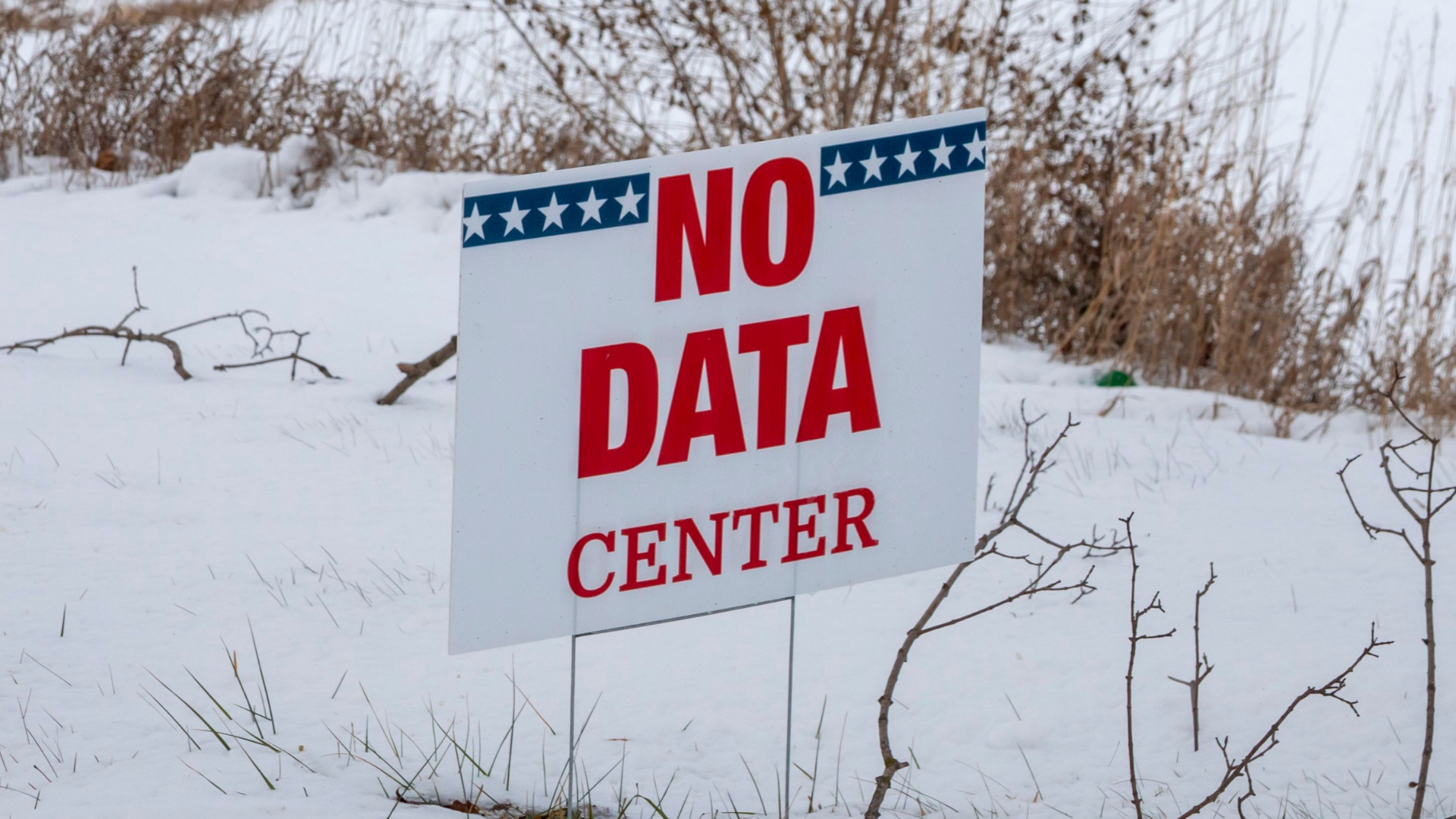
Limited Local Economic Benefits vs. Costs: While data center developers often promise economic benefits such as job creation and tax revenue, the reality can be more nuanced. Once constructed, data centers require a relatively small, highly specialized workforce, meaning limited long-term job opportunities for the average local resident. The promise of significant tax revenue is often offset by substantial tax abatements and incentives offered to attract these large tech companies in the first place, effectively reducing the net benefit to the local tax base. Meanwhile, the strain on local infrastructure, from roads to emergency services, often comes without commensurate financial contributions.
The appeal of rural areas to data center developers is clear: cheaper land, less regulatory friction, and historically weaker resistance. Developers often target these regions where land is plentiful and affordable, zoning laws may be less stringent, and local populations might be less informed or organized to voice opposition. However, as the quote from McMinnville resident Kai Sage illustrates, this dynamic is changing: "I think that they’re aiming these at … these smaller places in Tennessee because our land is so cheap, our laws are so lenient, the income isn’t taxed like it is anywhere else, and generally they’re just not going to get a lot of pushback, because a lot of people don’t know what’s going on, and they don’t know anything about this. Luckily, a lot of people around here were informed, so as soon as we alerted people about this, people quickly reacted."
The national landscape further underscores this shift. While Maine’s legislature passed a moratorium in April 2027 that would have paused all developments until October 2027, Governor Janet Mills ultimately vetoed it. Her reasoning highlighted the complexity of these decisions, stating that the bill would have unfairly impacted a "well-supported project" in Franklin County, suggesting a delicate balance between statewide regulation and specific local economic interests. Even Seattle, a hub for AI tech giants like Microsoft and Amazon, has passed a one-year pause to study the community impact of data centers, demonstrating that even sophisticated urban centers recognize the need for careful consideration.
These temporary delays, while frustrating for AI hyperscalers whose demand for compute continues to skyrocket, represent a crucial opportunity for governments to "come to terms with the massive amounts of resources that these projects demand." The original article notes that over $130 billion worth of data center build-outs have been successfully blocked in the first four months of 2026 alone, highlighting the significant financial implications of this bipartisan opposition.
Official Responses and Community Voices: Balancing Progress with Preservation
The official responses from local governments enacting these moratoriums consistently emphasize prudence and responsible governance. Nolan Ming, McMinnville City Administrator, articulated this sentiment clearly in a social media post: “A moratorium is not a permanent ban. It is a responsible time-out. It gives us time to study the issues carefully, update our zoning and land use regulations, and make sure any future decisions are based on solid information, not rushed approvals.” This statement encapsulates the core rationale: these pauses are not intended to be anti-development, but rather pro-planning, allowing communities to develop robust frameworks for managing future growth in a sustainable manner.
The community’s perspective, as voiced by residents like Kai Sage of McMinnville, reveals a deeper set of concerns. Sage’s observation about developers targeting "smaller places in Tennessee because our land is so cheap, our laws are so lenient," speaks to a perceived vulnerability and a desire for greater self-determination. The sentiment suggests that communities are increasingly wary of being exploited for their resources without adequate consideration for long-term consequences. The rapid and informed reaction of McMinnville residents, as Sage notes, indicates a growing sophistication and organization among local populations in understanding and advocating for their interests.
These moratoriums signal a shift in the power dynamic. For years, the rapid pace of technological advancement and the perceived economic benefits often allowed data center projects to proceed with relatively little local scrutiny. However, as the scale and intensity of these facilities grow, communities are increasingly asserting their right to shape their own development trajectory. They are demanding that growth be sustainable, equitable, and in harmony with their existing character and resource limitations.
The official rationale for these pauses often includes:
- Need for Comprehensive Planning: Existing zoning laws and land-use regulations may not have anticipated the unique challenges posed by modern data centers, necessitating updates to ensure appropriate siting and mitigation measures.
- Data-Driven Decision Making: Governments want to conduct thorough studies on resource availability (power, water), environmental impact assessments, and economic cost-benefit analyses before making irreversible decisions.
- Community Engagement: Moratoriums provide time for public forums, workshops, and consultations, ensuring that residents’ concerns are heard and incorporated into future policies.
- Mitigation Strategies: Time allows for the development of requirements for developers to implement measures such as renewable energy sourcing, advanced water recycling, noise reduction technologies, and contributions to local infrastructure.
Ultimately, both official statements and community voices converge on a desire for balanced growth. They acknowledge the importance of technological advancement but insist that it must not come at the expense of environmental integrity, community well-being, or the long-term sustainability of local resources. This collective stance positions Tennessee as a microcosm of a national reckoning, where the promise of the digital age is being weighed against its tangible, local impacts.
Implications: A National Reckoning for AI Hyperscalers and Local Governance
The wave of data center moratoriums sweeping across Tennessee and the broader United States carries significant implications for both the burgeoning artificial intelligence industry and the future of local governance. For AI hyperscalers—the tech giants like Microsoft, Amazon, Google, and potentially Elon Musk’s xAI (whose Colossus and Colossus 2 data centers already operate in Memphis)—these localized pauses are indeed "throwing a wrench into their plans" for rapid expansion. The demand for AI compute is skyrocketing, driven by the insatiable need for training and running ever more complex models. Delays in construction translate directly into delays in deploying more compute capacity, potentially impacting their competitive edge and innovation timelines. The reported $130 billion worth of data center build-outs successfully blocked in the first four months of 2026 underscores the immense financial and strategic challenges this local resistance poses to the industry.
This situation highlights a fundamental tension between the global ambitions of tech giants and the local realities of resource constraints and community priorities. AI companies require massive, uninterrupted power and cooling, often seeking out locations with abundant, cheap land and energy. However, the communities they target are increasingly aware of the long-term costs that often accompany these developments.
Shifting Power Dynamics: The proliferation of moratoriums signifies a crucial shift in power. Historically, large corporations often dictated terms to smaller, resource-strapped communities eager for investment and jobs. Now, local governments and organized residents are asserting greater control, demanding transparency, accountability, and a seat at the negotiating table. This trend suggests that future data center developments will face much more stringent regulatory hurdles and community engagement requirements.
Challenges for States: For state governments, this presents a complex balancing act. They are typically tasked with fostering economic development and attracting high-tech industries, which data centers represent. However, they must also ensure the environmental health and quality of life for their citizens. The current fragmented approach, with individual cities and counties enacting their own bans, could lead to a patchwork of regulations that complicates statewide economic planning. This might necessitate state-level guidance or even legislation to create a more consistent framework for data center development, balancing local autonomy with broader economic goals.
The Future of Data Center Siting: The increasing resistance in traditional "sweet spots" (rural areas with cheap land and power) could force AI hyperscalers to reconsider their siting strategies. This might involve:
- Enhanced Sustainability Measures: Investing more heavily in advanced cooling technologies that reduce water consumption, sourcing 100% renewable energy, and designing facilities with lower environmental footprints.
- Urban Integration: Exploring opportunities in more urban or semi-urban areas with existing robust infrastructure, albeit at potentially higher land costs.
- Decentralization: Distributing smaller data centers across more locations to minimize the impact on any single community.
- Proactive Community Engagement: Moving beyond basic public relations to genuinely collaborate with communities, addressing concerns upfront, and offering tangible, long-term benefits that outweigh the perceived costs.
Defining "Community Fit" in the Digital Age: The debate over data centers forces communities to grapple with fundamental questions about their identity and future. What constitutes "community fit" for an industrial facility that powers the global digital economy but offers limited local employment and significant environmental demands? How do communities weigh the abstract benefits of technological advancement against the concrete impacts on their landscape, resources, and way of life?
Ultimately, the rise of data center moratoriums in Tennessee and across the U.S. is more than just a regulatory hiccup; it’s a national reckoning. It signifies a growing collective awareness of the tangible footprint of our increasingly digital and AI-driven world. As AI becomes more advanced and widespread, the infrastructure supporting it will only grow, making these local decisions critical in shaping a sustainable and equitable future for both technology and the communities it impacts. The temporary "time-outs" in places like McMinnville are not just pauses; they are invitations to a more thoughtful, transparent, and ultimately more sustainable approach to building the digital future.

