

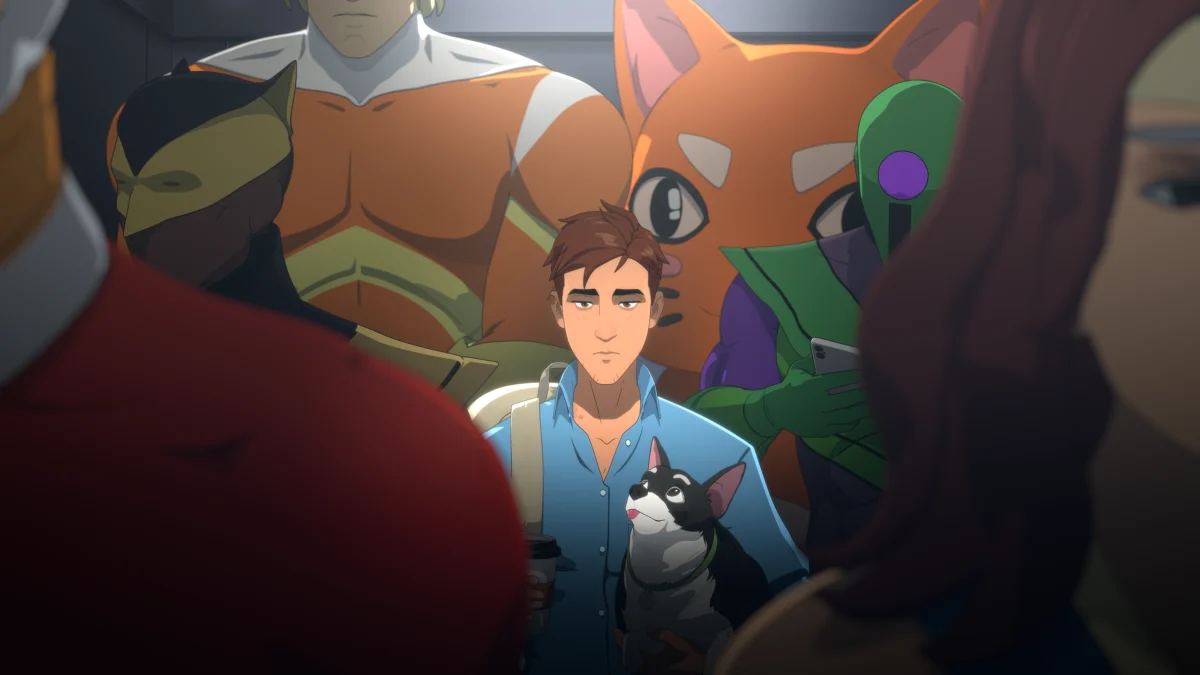
One year ago, the landscape of interactive narrative gaming shifted in ways few industry veterans predicted. Dispatch, the ambitious episodic title from AdHoc Studio, launched its first episode, defying the industry’s prevailing cynicism toward both narrative-driven comedy and the episodic release format. Today, as the studio celebrates the game’s first anniversary, Dispatch stands as one of the definitive surprise successes of 2025, having surpassed 5 million players and consistently beating its commercial projections.
For a studio founded by former Telltale Games alumni, the path to this milestone was anything but linear. It was a journey defined by "pandemonium," last-minute scrambles for funding, and a relentless commitment to the kind of character-driven storytelling that the modern gaming market allegedly no longer had an appetite for.
A Chronology of Chaos and Creation
The story of Dispatch began in 2019, when AdHoc Studio was formed by Michael Choung, Nick Herman, Dennis Lenart, and Pierre Shorette. The group aimed to leverage their collective expertise to push the boundaries of interactive drama. However, the early days were fraught with professional instability.
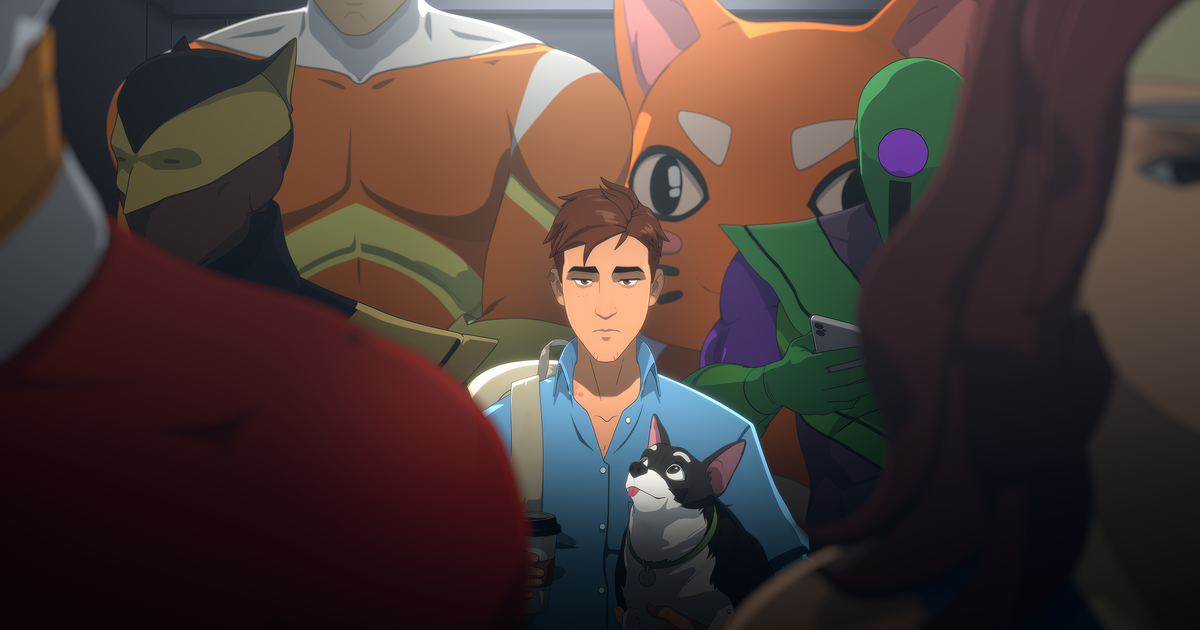
Initially, the project secured a publishing deal that provided early-stage funding. Roughly a third of the way through development, however, the publisher withdrew its support. This left AdHoc in a precarious position, forced to balance the high-stakes development of Dispatch with "work-for-hire" contracts to keep the studio’s lights on.
The turning point came in late 2024. Following a high-profile trailer reveal at The Game Awards, the studio received a lifeline in the form of finishing funds from Critical Role and several other strategic partners. This infusion of capital allowed the team to cross the finish line, though the production remained a "tornado" of activity.
As Choung recalls, the studio entered the release phase expecting a steady, cruising pace. Instead, they found themselves managing weekly episode releases while simultaneously navigating the complexities of self-publishing and console certification. The workload was relentless, and the success of the game only accelerated the pace, forcing the studio to shift immediately from development to platform expansion and community engagement.

Supporting Data: The Anatomy of a Hit
The sheer scale of Dispatch’s success challenges conventional wisdom regarding market trends. By November 2024, the studio confirmed the game was on track to exceed its three-year sales target within just three months of release.
Key performance indicators contributing to this trajectory included:
- Player Base: More than 5 million unique users have experienced the game to date.
- Visibility: The episodic release model proved to be a masterstroke for visibility. Between October 22 and November 12, the title maintained a consistent presence on the Steam front page, translating into hundreds of millions of impressions.
- Streamer Synergy: The title proved exceptionally "stream-friendly," allowing content creators to pause at critical decision points to engage their audiences, effectively turning each playthrough into a community-led event.
To mark the one-year anniversary, AdHoc is further capitalizing on this momentum with a series of major initiatives:

- Deluxe Edition Expansion: Inclusion of a new commentary and storyboard mode.
- Physical Collectibles: A collaborative effort with Lost in Cult to produce a soundtrack vinyl set and a companion book.
- Live Engagement: A celebratory concert in Los Angeles scheduled for December 3.
- Platform Expansion: A full mobile launch on December 9, aiming to capture a broader global audience.
The Secret Sauce: Why ‘Dispatch’ Resonated
When asked why Dispatch succeeded where others failed, CEO Michael Choung points to a fundamental truth in game design: players do not necessarily care about the size of the branching narrative, but they care deeply about the people they are interacting with.
"We learned at Telltale that the most impactful feedback often comes from players saying they feel like they are ‘hanging out with friends,’" Choung explains. Dispatch prioritized this relational investment. By crafting distinct, memorable characters, the studio ensured that every player choice—no matter how small—felt heavy with consequence.
"If you care about the characters, it matters a lot if you break a promise to somebody," Choung says. "It’s much smaller, much more relatable choices that I think are much more memorable and impactful." By eschewing the "gimmick" of massive, sweeping narrative shifts in favor of emotional authenticity, AdHoc cultivated a dedicated player base that felt a genuine responsibility toward the game’s cast.

Official Responses: Lessons from the Whirlwind
Reflecting on the grueling development cycle, Choung is remarkably candid about the studio’s growing pains. He acknowledges that the team’s iterative approach—which involved shelving and re-examining early animation tests multiple times—made the process "tiresome." However, he believes this rigor is what allowed Dispatch to hit a quality bar that few competitors could reach.
"We made basically three feature-length movies and a video game on top of each other," Choung admits. "We literally did not know that’s what we were signing up for."
He also notes that the episodic structure, often viewed as a "poisoned word" in the industry due to irregular release schedules, was a vital component of their success. By maintaining a strict, reliable weekly cadence, AdHoc avoided the frustration that plagued their predecessors. The result was a recurring cycle of hype where concurrent player numbers effectively doubled with every new episode release.

Implications for the Future of Interactive Narrative
The success of Dispatch serves as a powerful testament to the democratization of the gaming industry. As Choung notes, in the current digital ecosystem, a narrative-focused title can hold its own alongside a $200 million blockbuster without being eclipsed.
Looking forward, AdHoc Studio is at a crossroads. The studio is currently weighing multiple opportunities, including potential adaptations of Dispatch into film or television, with industry figures like Dmitri M. Johnson of Story Kitchen already expressing interest.
However, the team is cautious about over-committing. The primary goal remains the creation of original intellectual property. While they have yet to announce their next project, the pressure to follow up on the massive success of Dispatch is a "high-class problem" that they are currently navigating with care.

"The studio is focused on original IP, and we want to make original stories," Choung asserts. "We kind of screwed ourselves with Dispatch because it’s so big, you can’t ignore it… but we want to tell all kinds of different stories."
For now, the team at AdHoc is taking a rare moment to breathe. The "tornado" that has defined their last 12 months shows no signs of slowing down, but for a studio that once scrambled for funding in the halls of Gamescom, the future has never looked more promising. They have proven that in an industry obsessed with scale and spectacle, there is still—and perhaps always will be—a hunger for stories that feel human, relatable, and deeply personal.

