Introduction: A Landmark Legacy in Japanese Gaming
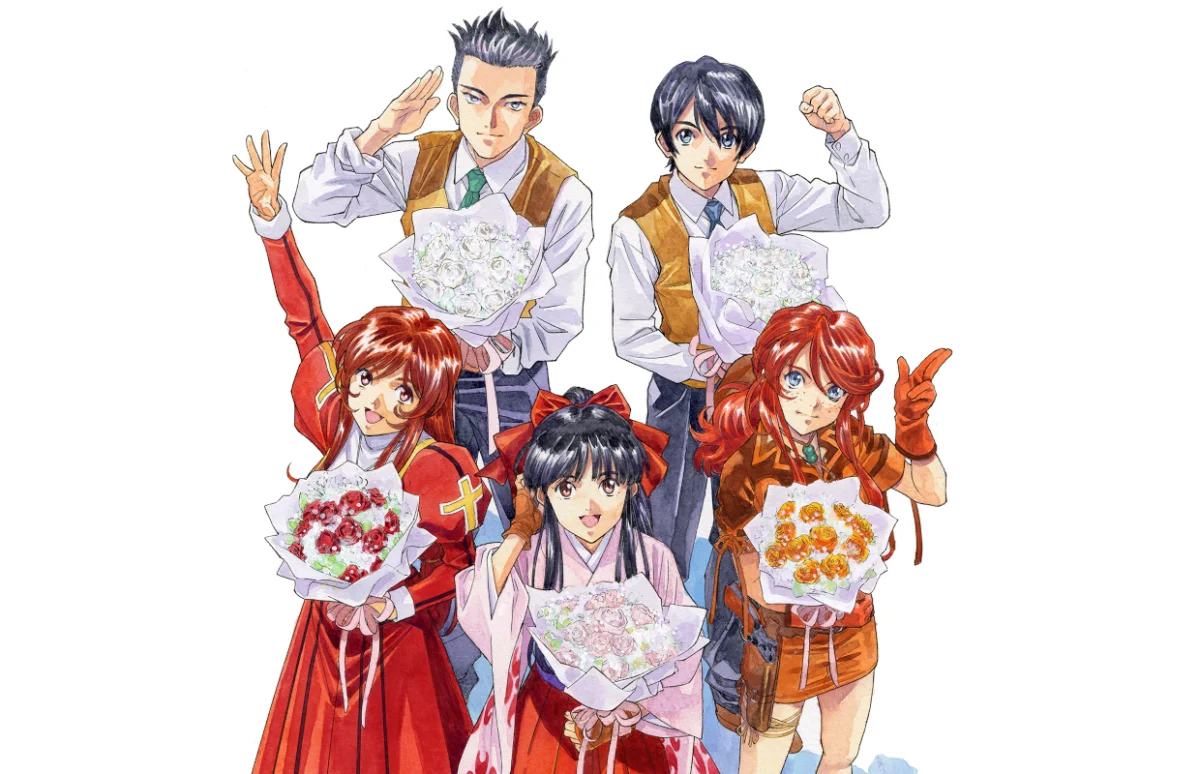
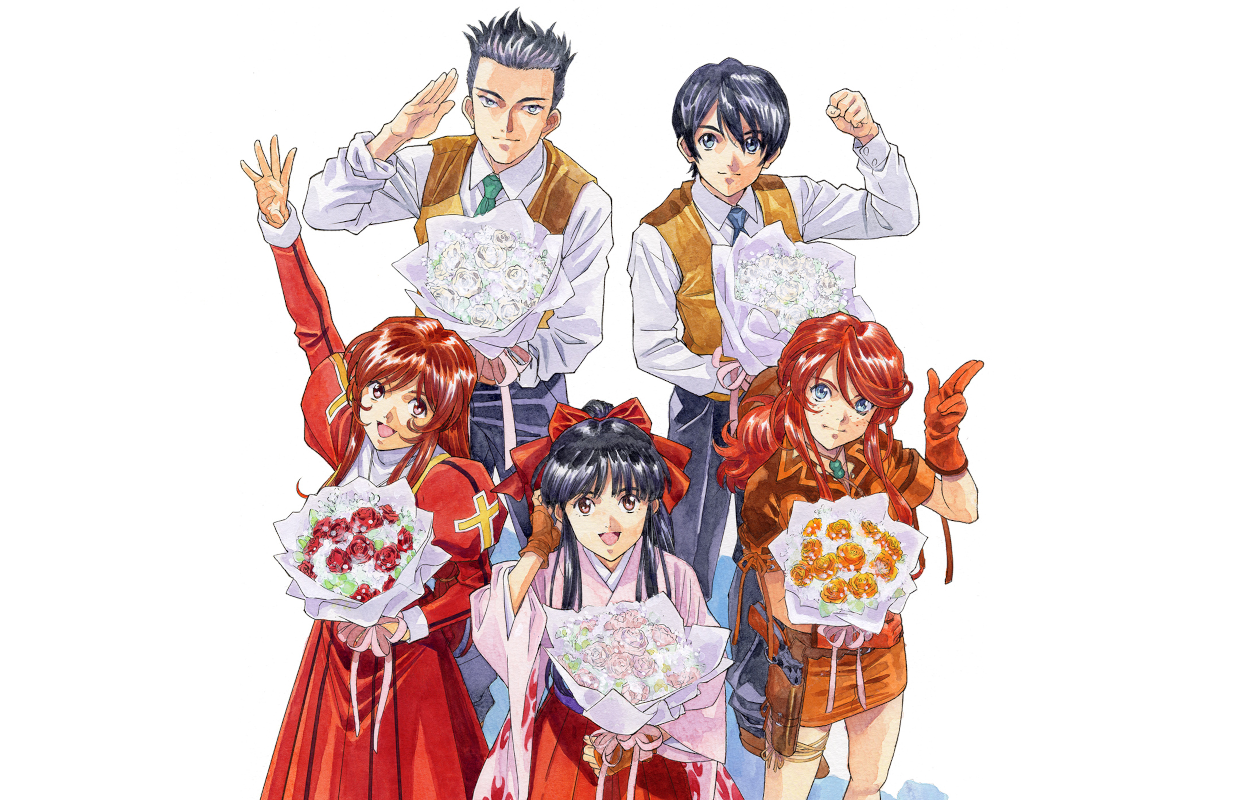
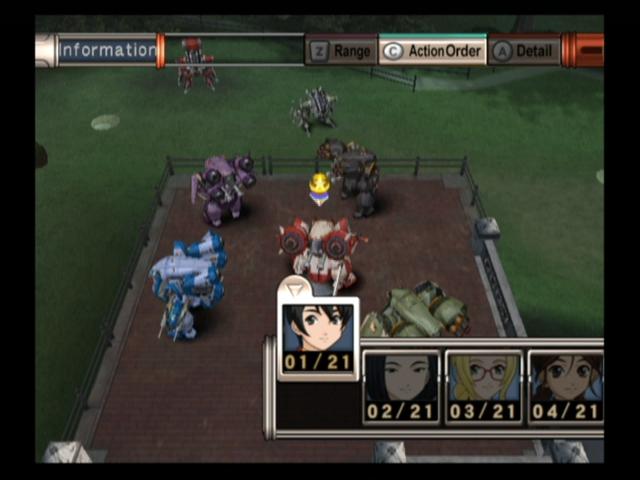
For nearly thirty years, the name Sakura Wars has evoked a very specific, fiercely cherished blend of theatrical grandeur, steampunk aesthetics, tactical role-playing, and character-driven visual novel romance. Originally created by Hiroi Oji and published by Sega, the franchise captured the imaginations of players worldwide when it debuted on the Sega Saturn in 1996. Set in a fictionalized, romanticized Taisho-era Tokyo—and later expanding to other global metropolises—the series follows the Imperial Combat Revue, a secret military force disguised as a theater troupe that defends the capital from demonic threats using steam-powered mecha known as Koubu.
As the franchise officially celebrates its monumental 30th anniversary, the gaming world is looking back at its profound impact on interactive storytelling. To mark this milestone, a recent issue of Weekly Famitsu published a sprawling, special coverage feature dedicated entirely to Sakura Wars. The comprehensive feature includes deep-dive retrospectives and frank, illuminating interviews with the creative minds who built the series. Among them are original creator Hiroi Oji, alongside Sega producers Akira Nishino and Takaharu Terada.
While the anniversary has naturally sparked nostalgia among long-time fans, these interviews offered something even more tantalizing: candid discussions regarding the lost concepts of Sakura Wars 6, the structural challenges of bringing legacy titles to modern platforms, and the grueling behind-the-scenes realities of pitching new projects in a shifting corporate landscape.
Main Facts: Key Takeaways from the Famitsu Anniversary Coverage
The Weekly Famitsu 30th-anniversary feature delivered several major revelations that have set the Sakura Wars community abuzz across global forums and social media channels.
The Existence of Sakura Wars 6: Original creator Hiroi Oji confirmed that a conceptual plot for Sakura Wars 6—envisioned as a direct sequel to Sakura Wars V: So Long, My Love—does indeed exist. The storyline features a notable character codenamed "Black Swan" who is placed into a deep, cryogenic cold sleep.
Modern Re-releases Face Hurdles: Sega’s Akira Nishino and Takaharu Terada addressed persistent fan demands to bring games SakuraWars 1 through V to modern hardware. While the developers expressed a strong personal desire to make this happen, they cited complex administrative, logistical, and technical hurdles that prevent a smooth rollout.
Generational Knowledge Transfer: Nishino and Terada discussed the importance of onboarding younger developers. They emphasized that the core tenets of the franchise cannot merely be explained via documentation; they must be forged through hands-on, collaborative development alongside veterans.
Upcoming Anniversary Plans: Beyond pop-up shops and stage productions, Sega is actively preparing additional major announcements and live concert events to capitalize on the renewed fan enthusiasm.
Chronology: The Evolution of a Landmark Franchise
To understand the weight of these new revelations, it helps to examine the historical timeline of the Sakura Wars franchise, tracing its journey from a Sega Saturn pillar to a modern multimedia property.
The Golden Era on Sega Hardware (1996–2005)
1996: The original Sakura Wars launches on the Sega Saturn, immediately becoming a massive critical and commercial hit in Japan. It pioneers the "genre-bending" mix of tactical RPG combat and the groundbreaking Live & Interactive Picture System (LIPS) dialogue choice mechanic.
1998:Sakura Wars 2: Thou Shalt Not Die arrives on the Saturn, expanding the scope of the narrative and cementing the Imperial Combat Revue’s roster.
2001: The franchise transitions to the Sega Dreamcast with Sakura Wars 3: Is Paris Burning?, introducing the Paris Combat Revue and showcasing a massive leap in technical fidelity and fully 3D tactical movement.
2002:Sakura Wars 4: Fall in Love, Maidens releases on the Dreamcast, serving as a direct sequel to parts 2 and 3 and functioning as a triumphant, emotional send-off for the original hardware generation.
2005:Sakura Wars V: So Long, My Love launches on the PlayStation 2 (following a spin-off episode). Set in a vibrant, jazz-infused New York City, it introduces a brand-new protagonist, Shinjiro Taiga, and shifts the franchise’s numerical naming convention to Roman numerals for Western audiences.
The Quiet Years and Soft Reboots (2006–2019)
2006–2010: The franchise enters a prolonged dormant phase regarding mainline console entries, though it remains alive through theatrical stage plays, anime adaptations, and merchandise.
2019: Sega attempts a major franchise revival with Sakura Wars (known as New Sakura Wars in Japan) for the PlayStation 4. Helmed by a younger team of developers and featuring character designs by Bleach creator Tite Kubo, the game reboots the action-RPG combat system while retaining the iconic dating-sim and theatrical elements.
2020: The mobile spin-off Sakura Revolution launches, though it experiences a brief and turbulent run before shutting down service.
The 30th Anniversary Era (2026)
Present Day:Weekly Famitsu publishes its landmark 30th-anniversary coverage, sparking fresh conversations about the unproduced Sakura Wars 6 and the future direction of the intellectual property.
Supporting Data: Understanding the Franchise’s Architecture
The enduring appeal of Sakura Wars lies not just in its gameplay loop, but in its meticulous world-building and cross-media presence. The franchise has always operated on a scale larger than a standard video game series, incorporating real-world theatrical stage plays performed by voice actors in full costume, extensive orchestral concert events, and multi-volume manga adaptations.
During the Famitsu interview, the distinction between Hiroi Oji’s high-level conceptual vision and the actual game production pipeline was a focal point. Oji noted that his contributions historically took the form of broad project documents. These outlines were then handed over to the core development staff, who translated them into precise technical specification documents.
Furthermore, the naming convention of Sakura Wars V was clarified by Nishino and Terada. While the previous four mainline entries used standard Arabic numerals (1 through 4), the fifth installment explicitly used the Roman numeral V. According to the Sega producers, this decision was driven by the complete shift in protagonist, setting (New York), and tone, combined with the observation that Western markets and franchises frequently utilize Roman numerals to denote grand milestones or distinct narrative arcs.
Official Responses: Deep Dive into the Famitsu Interviews
The core of the Famitsu coverage relies on the direct, unvarnished words of the creators. Below are extended examinations of the insights provided by Hiroi Oji, Akira Nishino, and Takaharu Terada.
Hiroi Oji on Sakura Wars 6, Amateur Ideation, and NPC Realism
When pressed about the long-rumored plot for Sakura Wars 6, Hiroi Oji maintained a pragmatic, business-first perspective while offering fascinating glimpses into his philosophy on game design.
Famitsu: "Previously at the Sega Universe Playground talkshow, there were talks about the plot for Sakura Wars 6 did exist. Could we ask you on how 6 would look like if it were to take shape?"
Hiroi: "There is… nothing I can talk about. When I talk about what kind of game 6 would look like, that would already be part of a job. If I don’t get money stacked here, there is no idea. Only amateurs would put up ideas (without having any money). The plot for 6 was only mentioned because there were talks about creating the next title. That’s why I’ll think about it when I get told ‘We’ve decided to create a prototype (for a game) so let’s do it together.’ When that time comes, I’ll also need information on what kind of team is working on the development. But even if it’s not about Sakura Wars, I do want to do it as a game nonchalantly."
Oji elaborated on how he would approach game design in a modern technological landscape, expressing a desire to subvert traditional player roles in RPGs:
Hiroi: "If we’re now making a more advanced game, I want to do one where we can also become an NPC. For example, if we’re putting it in Sakura Wars‘ world, you can become one of the shop promotion girls. You’re going to live inside that world. You are not involved in battles at all, and just watch someone else fighting. I think that kind of thing may also have been possible. Any kind of character is fine; that’s how role-playing ought to be."
When the conversation touched upon modern advancements like artificial intelligence, Oji noted how computational freedom could radically alter interactive narratives:
Hiroi: "Despite so, due to the programming restrictions and the optimization rules, many of them ended up becoming errand games. But now we should have more freedom, shouldn’t we? The capacity has also increased, and if we were also able to use AI, we could generate infinite responses of voiceless lines. If we could include those, I think it will turn out to be a different game. But that’s not related to the Sakura Wars 6 topic. When there’s a proper request and reward for that, I’ll start thinking about it properly. But the plot is already there indeed. There’s a character called Black Swan, who is being put into a cold sleep. That is a good character."
Akira Nishino and Takaharu Terada on Legacy Platforms and Next-Gen Creation
Sega producers Akira Nishino and Takaharu Terada offered a window into the corporate realities of maintaining a legacy brand, mentoring new talent, and the ongoing struggle to modernize older titles.
When asked about bringing games 1 through V to contemporary hardware, Nishino and Terada did not mince words regarding fan frustration:
Nishino: "Of course, we also have the desire to do those. However, there are really various kinds of circumstances happening, so they cannot progress smoothly. But I do think we want to do something about it, so we’re doing our best everyday. It’s really not like we’re not releasing those just because we are mean."
Terada: "Right now if you want to play the older titles, you’d end up being told ‘Please buy the consoles of that time.’ We really feel bad about that."
Discussing the mentorship of younger developers who worked on New Sakura Wars, Nishino stressed that corporate instruction is secondary to shared collaborative experience:
Nishino: "Rather than raising, I personally think we have no other way but to create it together. I feel like it can’t be understood no matter how much I say orally. There were quite a lot of young staff members in the New Sakura Wars team, so there is a significance in being able to develop the game together with them. I want to add opportunities to develop things with young people as much as possible so that they can inherit the core ideas of Sakura Wars."
Terada added that pitches for new entries are an ongoing battle, noting how proposals submitted every summer face an uphill corporate climb before finally securing greenlights for stage plays or spin-off projects.
Implications: What the Future Holds for the Franchise
The disclosures from Famitsu’s 30th-anniversary coverage carry several profound implications for the future of Sakura Wars and Sega’s broader strategy regarding its dormant intellectual properties.
1. The Feasibility of Sakura Wars 6
While Hiroi Oji confirmed the existence of a plot outline—complete with the intriguing "Black Swan" cold-sleep narrative hook—his statements make it clear that a hypothetical Sakura Wars 6 is entirely dependent on corporate initiative and financial backing. Oji is not an armchair developer tossing ideas into the void; he demands a dedicated production team, a formal prototype phase, and proper compensation before fully mobilizing. For fans, this means that while the creative foundation exists on paper, seeing it translated into an interactive reality will require significant consumer demand to convince Sega executives to greenlight a high-budget sequel.
2. The Preservation Crisis of Classic Gaming
The admission by Nishino and Terada that they feel "bad" about fans needing vintage hardware to play the original entries highlights a systemic issue within the Japanese gaming industry: the preservation and modernization of text-heavy, multi-disc classics from the Saturn and Dreamcast eras. Licensing complexities, code loss, and the sheer labor required to remaster games that combine complex strategy mechanics with real-time adventure segments create immense roadblocks. However, acknowledging the problem publicly signals that the internal desire to solve these distribution bottlenecks remains alive within Sega.
3. Fan Engagement as Capital
Both Nishino and Terada emphasized the vital importance of fan enthusiasm during the 30th-anniversary window. In the corporate ecosystem of modern video game development, intellectual properties must prove their commercial viability to justify steep development costs. The success of pop-up shops, anniversary concerts, and community voting initiatives at events like the Sega Festival serves as critical metric data. If the fanbase can loudly and clearly signal its sustained passion, it provides the development team with the leverage needed to push past bureaucratic hurdles and pitch new interactive projects.
Conclusion
As Sakura Wars marks its remarkable thirty-year journey, the franchise stands at a fascinating crossroads of nostalgia and potential revival. The insights provided by Hiroi Oji, Akira Nishino, and Takaharu Terada in Weekly Famitsu remind us of the immense creative passion that birthed the Imperial Combat Revue three decades ago. Whether these anniversary celebrations will successfully break the administrative logjam holding back classic re-releases or finally coax Sakura Wars 6 out of the conceptual shadows remains to be seen. What is certain, however, is that the spirit of the Taisho era burns on—fanned by a dedicated community and creators who refuse to let their shared legacy fade into a mere delusion.